

Pheidole chocoensis
- Scientific Name
- Pheidole chocoensis
- Tribe
- Attini
- Subfamily
- Myrmicinae
- Author
- Wilson, 2003
- Distribution
- Found in 5 countries
Pheidole chocoensis Overview
Pheidole chocoensis is an ant species of the genus Pheidole. It is primarily documented in 5 countries , including Colombia, Costa Rica, Honduras. Detailed taxonomic data and occurrence records can be further explored via authoritative databases such as AntWeb or the Global Biodiversity Information Facility (GBIF).
Pheidole chocoensis
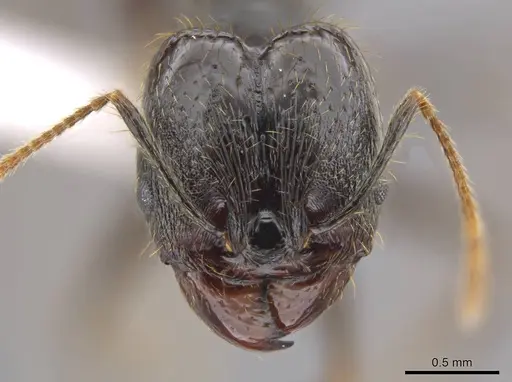
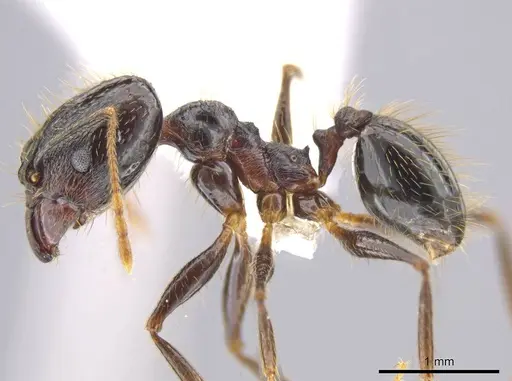
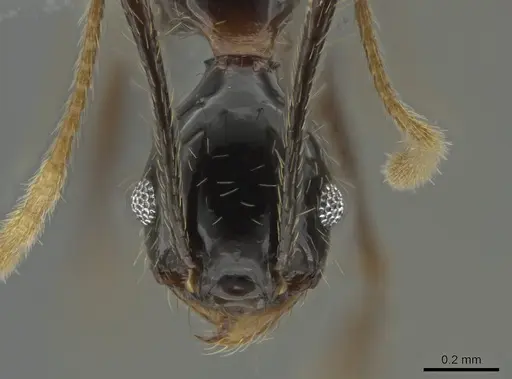
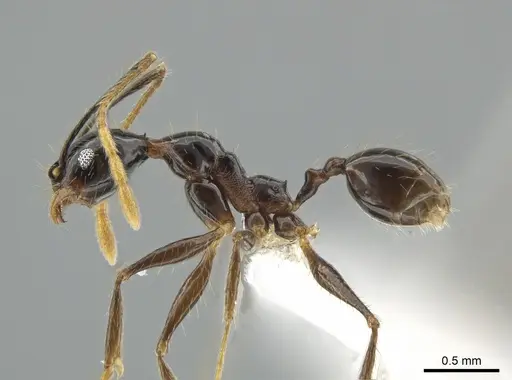
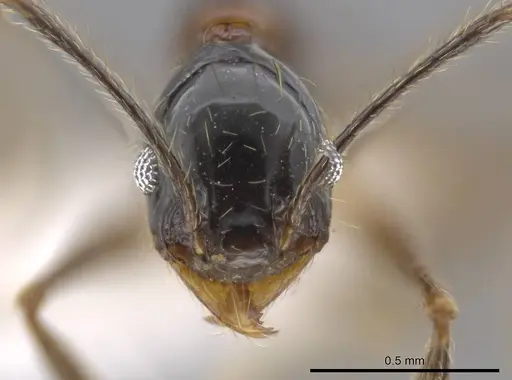
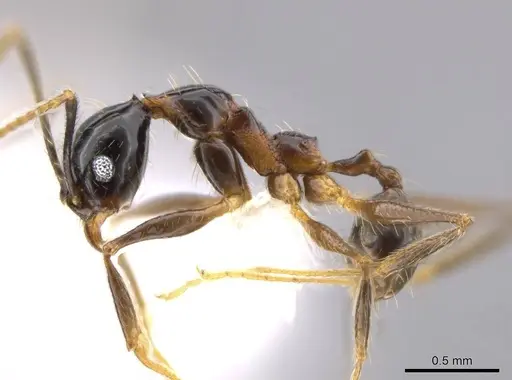
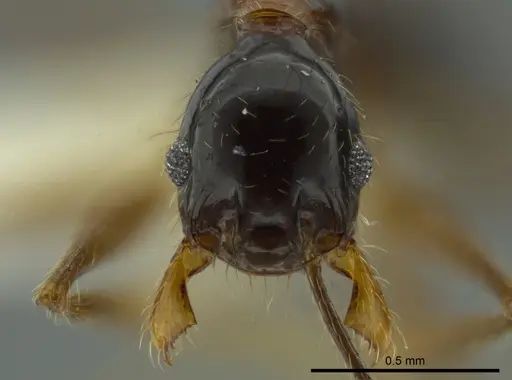
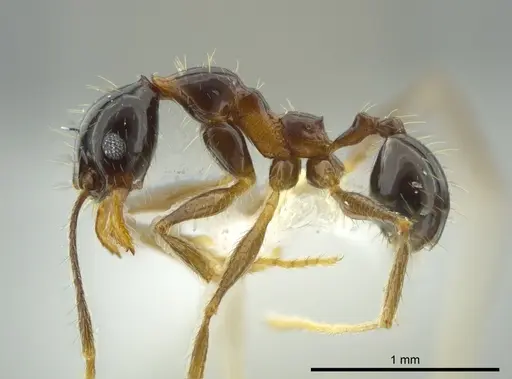
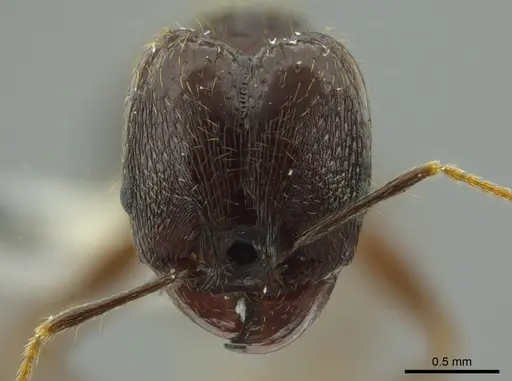
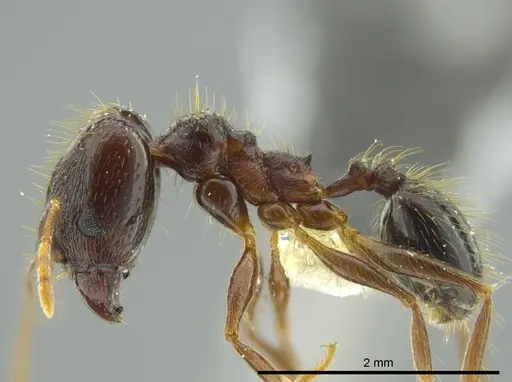
Pheidole chocoensis is a small yellow ant belonging to the fallax group, native to the Neotropical region of Central and South America. The species was described in 2003 from the Chocó region of Colombia, where it was collected on a forested mountain slope at 760 meters elevation. Workers come in two sizes: major workers have distinctive large heads with extensive rugoreticulation (a net-like pattern of ridges) between the eyes and frontal carinae, while minor workers are much smaller with well-developed neck and nuchal collar structures. Both castes are yellow, with majors showing a medium reddish-yellow coloration. This is a polymorphic species, like all Pheidole, they have distinct major and minor worker castes, with majors specializing in seed processing and defense. The genus Pheidole is part of the tribe Attini, which includes leaf-cutter ants, though Pheidole species are primarily seed-harvesters rather than leaf-cutters.
Quick Summary
- Difficulty: Easy
- Origin & Habitat: Found in Honduras, Nicaragua, Costa Rica, Panama, and Colombia (Chocó region). Type locality is a forested mountain slope at 760m elevation in Chocó, Colombia [1][2].
- Colony Type: Colony structure is unconfirmed for this specific species. Most Pheidole species are monogyne (single queen colonies), though some can be polygyne. Further research needed on this species' colony structure.
- Size & Growth:
- Queen: Undocumented for this species, estimate based on related Pheidole species: 5-7mm
- Worker: Major workers: HW 1.18mm, HL 1.24mm [2]. Minor workers: HW 0.46mm, HL 0.66mm [2].
- Colony: Unknown, likely several hundred workers based on typical Pheidole colony sizes
- Growth: Moderate, based on typical Pheidole development patterns
- Development: Estimated 6-8 weeks at optimal temperature based on genus-level data for Pheidole species (Development time is estimated from related species, specific data for P. chocoensis is unavailable)
- Antkeeping:
- Temperature: Keep at 22-26°C. This species comes from a mid-elevation Neotropical forest, so moderate warmth is appropriate. A slight temperature gradient allows workers to regulate their conditions.
- Humidity: Maintain moderate to high humidity (60-80%). Their natural habitat is a forested slope in the Chocó, one of the wettest regions in the world. Keep the nest substrate consistently moist but not waterlogged.
- Diapause: Unknown, no specific data on overwintering requirements. As a Neotropical species from mid-elevation, they likely do not require true hibernation but may slow down during cooler periods.
- Nesting: In captivity, standard test tube setups work well for founding colonies. For established colonies, Y-tong (AAC) nests or plaster nests with moisture reservoirs are suitable. They prefer dark, humid nest chambers.
- Behavior: This is a generally peaceful species. Pheidole are not aggressive toward keepers and rarely sting, their main defense is the minor workers' speed and the major workers' ability to block nest entrances with their large heads. They are seed-harvesters by nature, with majors specialized for seed processing. Workers are active foragers that will search for seeds, small insects, and sugary liquids. Escape risk is moderate, minor workers are small (0.46mm head width) but not as tiny as some ant species. Standard barrier methods like Fluon work well.
- Common Issues: humidity control is critical, being from the extremely wet Chocó region, colonies can struggle in dry conditions, slow founding phase, claustral queens may take several weeks to lay first eggs and months to produce first workers, major workers develop later than minors, don't be alarmed if early broods are all minor workers, wild-caught colonies may carry parasites that can devastate captive colonies, seed-eating species need appropriate substrate or foraging area for seed storage and processing
Housing and Nest Setup
For founding colonies, a simple test tube setup works well. Fill a test tube with water and plug the wet end with cotton, leaving the dry end for the queen. Place the tube in a dark container to simulate a underground chamber. The queen will seal herself in and won't need to forage during the claustral founding phase. Once the colony reaches 20-30 workers, you can move them to a proper formicarium. Y-tong (AAC) nests are excellent for Pheidole because they provide dark chambers, good humidity control, and plenty of space for seed storage. Plaster nests with moisture reservoirs also work well. Whatever nest type you choose, ensure it maintains consistent humidity, this species comes from the Chocó, one of the wettest regions on Earth. Always provide an outworld (foraging area) connected to the nest, and use a barrier like Fluon to prevent escapes. [2]
Feeding and Diet
Pheidole chocoensis is a seed-harvesting ant, like others in the genus. In captivity, they readily accept a variety of seeds including grass seeds, millet, and small bird seed mixes. Major workers are specialized for seed processing, they use their large heads to crack open seeds and pass the fragments to minor workers. In addition to seeds, they need protein sources. Offer small insects like fruit flies, small mealworms, or cricket pieces. Sugar water, honey, or sugar syrup is also readily accepted. Feed seeds continuously in the foraging area, and offer protein 2-3 times per week. Remove uneaten seeds periodically to prevent mold. A varied diet helps ensure healthy colony development.
Temperature and Humidity Requirements
This species originates from a mid-elevation Neotropical forest (760m in the Chocó region), so they prefer moderate temperatures. Aim for 22-26°C, with a slight gradient if possible so workers can choose their optimal zone. Room temperature in most homes falls within this range. Humidity is more critical, the Chocó region receives extremely high rainfall, so these ants need consistently moist conditions. Keep the nest substrate damp but not waterlogged. A moisture reservoir or regular misting (when condensation disappears) helps maintain appropriate humidity. Avoid dry conditions, which can cause colony decline. If you see workers clustering near moisture sources, increase humidity. [1]
Colony Development and Growth
Pheidole colonies grow through a well-defined series of stages. After mating (likely during nuptial flights in early June based on the collection date of winged queens), the claustral queen seals herself in a chamber and lays her first eggs. She survives entirely on her stored fat reserves during this period. Eggs hatch into larvae, which the queen tends and feeds. After pupation, the first workers emerge, these are called nanitics and are typically smaller than normal workers. Once nanitics appear, the queen resumes egg-laying and the colony grows. Early broods are usually all minor workers, major workers develop later as the colony grows larger. A healthy colony will eventually have a proportion of majors (roughly 10-30% depending on species and colony needs). Growth rate is moderate, expect 6-12 months to reach 100 workers, with faster growth possible under optimal conditions.
Behavior and Defense
Pheidole chocoensis is a peaceful species toward keepers. They are not aggressive and rarely attempt to sting. Their primary defense strategy is avoidance and nest protection. Major workers will block narrow nest entrances with their large heads if threatened. In the wild, Pheidole species are important seed dispersers and play significant ecological roles. Workers forage individually, searching for seeds and small arthropods. They do not exhibit swarm raiding or other aggressive behaviors. For antkeepers, this makes them a manageable species that won't overwhelm escape barriers or become overly defensive. However, their small minor workers (0.46mm head width) can squeeze through small gaps, so standard escape prevention measures are still necessary. [2]
Frequently Asked Questions
How long does it take for Pheidole chocoensis to produce first workers?
Expect first workers (nanitics) around 6-8 weeks after the queen lays eggs, assuming temperatures around 24-26°C. This is typical for Pheidole species. The claustral queen seals herself in and raises the first brood alone, so patience is required during the founding phase.
What do Pheidole chocoensis ants eat?
They are seed-harvesters that accept various seeds (grass, millet, small bird seed mixes) plus protein sources (small insects like fruit flies or mealworms) and sugar water or honey. Seeds should be available continuously once workers emerge.
Are Pheidole chocoensis good for beginners?
Yes, this is a good species for beginners. They are peaceful, don't require hibernation, and have straightforward care requirements. The main challenges are maintaining proper humidity and being patient during the slow founding phase.
How big do Pheidole chocoensis colonies get?
Colony size is unconfirmed for this specific species, but typical Pheidole colonies reach several hundred workers. With optimal care, you can expect a few hundred to perhaps over a thousand workers at maturity.
What temperature and humidity do they need?
Keep them at 22-26°C with moderate to high humidity (60-80%). This species comes from the wet Chocó region of Colombia, so humidity is more important than temperature. Keep the nest substrate consistently moist.
Can I keep multiple queens together?
Pheidole chocoensis colony structure is unconfirmed. Most Pheidole species are monogyne (single queen), but some can be polygyne. It's generally not recommended to house multiple unrelated founding queens together as they may fight. If you obtain a wild colony, it likely has a single queen.
When should I move them from a test tube to a formicarium?
Move the colony when they reach 20-30 workers and the test tube is becoming crowded. Make sure the formicarium is already set up with appropriate humidity levels so the transition is smooth. Pheidole adapt well to formicarium housing once established.
Do they need a hibernation period?
No, as a Neotropical species from mid-elevation, they don't require true hibernation. However, they may slow down during cooler periods, which is natural. You don't need to artificially cool them unless your room temperature drops significantly.
Why are my Pheidole chocoensis dying?
The most common causes are: low humidity (critical for this wet-region species), improper feeding (they need both seeds and protein), and stress during the founding phase. Also check for parasites in wild-caught colonies. Ensure humidity is high and consistent, provide varied diet, and be patient during the slow early stages.
References

This caresheet is licensed under CC BY-SA 4.0 .
CASENT0619326
View on AntWeb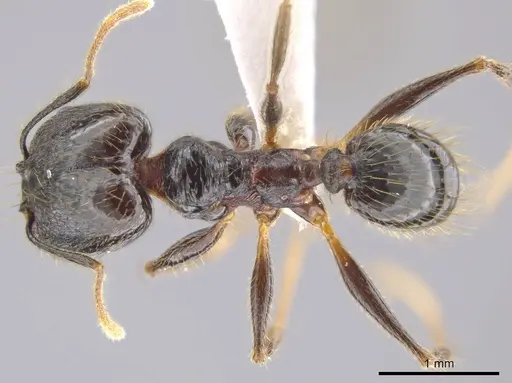
CASENT0619600
View on AntWeb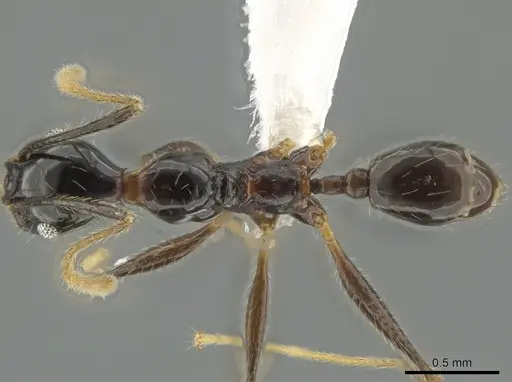
CASENT0624003
View on AntWeb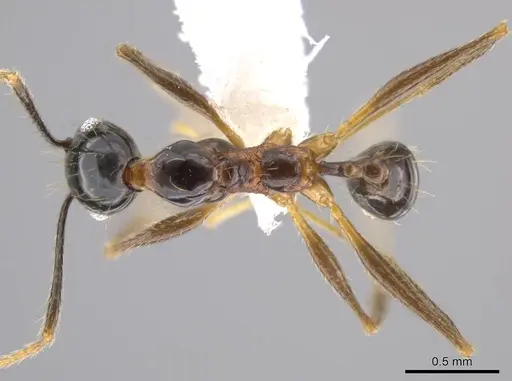
CASENT0624254
View on AntWeb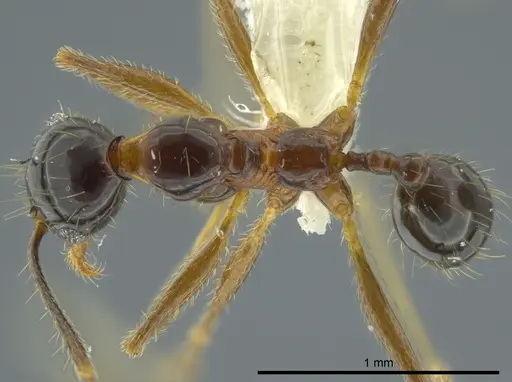
INBIOCRI001242644
View on AntWeb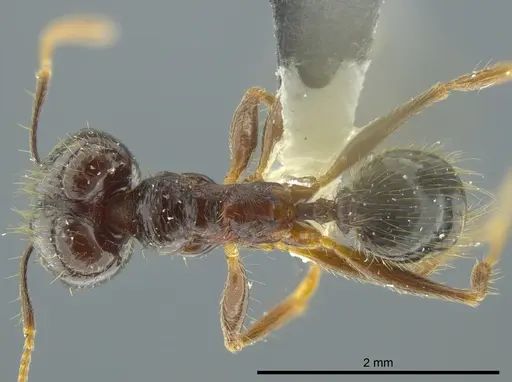
Literature
Loading...Loading products...