

Pheidole centeotl
- Scientific Name
- Pheidole centeotl
- Tribe
- Attini
- Subfamily
- Myrmicinae
- Author
- Wheeler, 1914
- Distribution
- Found in 1 countries
Pheidole centeotl Overview
Pheidole centeotl is an ant species of the genus Pheidole. It is primarily documented in 1 countries , including Mexico. Detailed taxonomic data and occurrence records can be further explored via authoritative databases such as AntWeb or the Global Biodiversity Information Facility (GBIF).
Pheidole centeotl
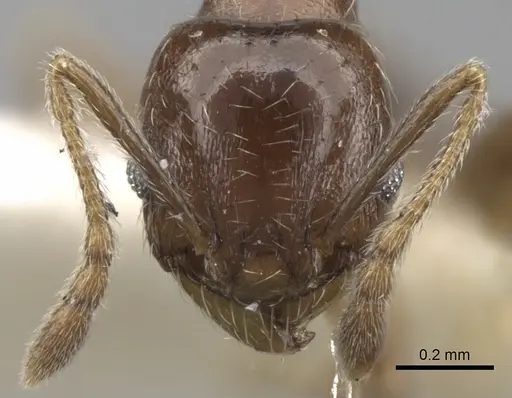
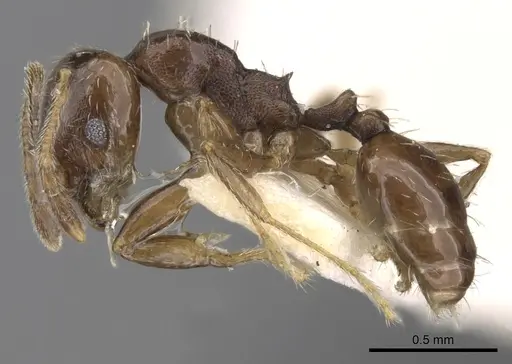
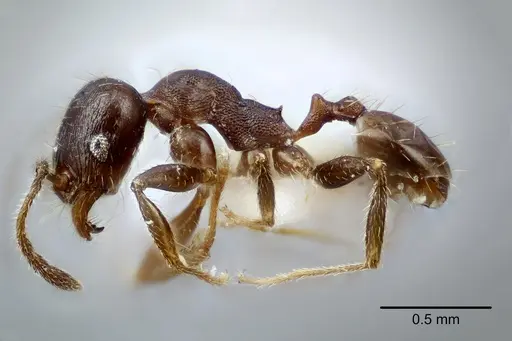
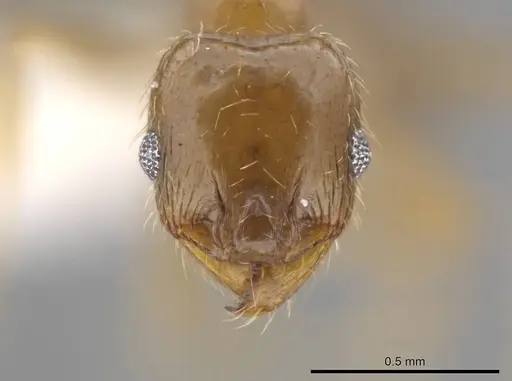
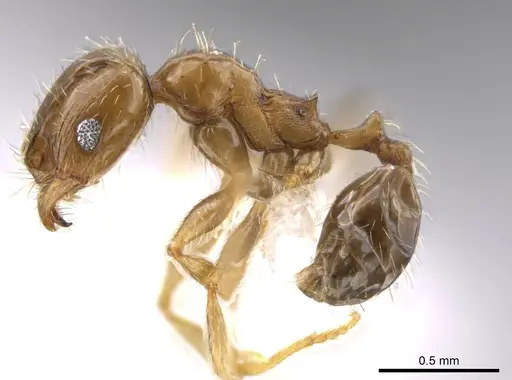
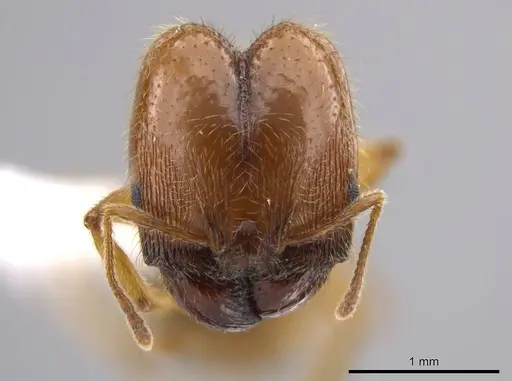
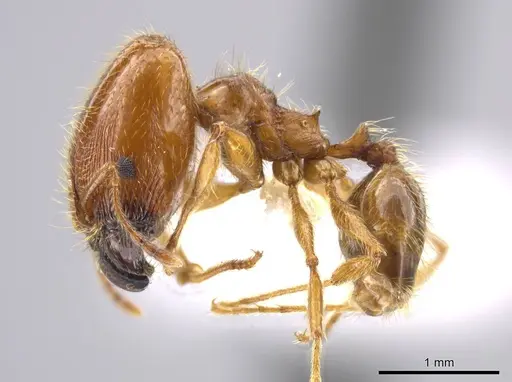
Pheidole centeotl is a trimorphic Pheidole species native to central Mexico, found at high elevations between 2200-2400 meters. This species belongs to the pilifera group and features three worker castes: minor workers at 0.6mm, major workers at 1.1mm, and impressive supermajor workers reaching 1.84mm. Their body coloration is light to medium reddish brown throughout all castes. In the wild, colonies nest under stones on hillsides in oak-pine woodland and pine forest habitats.
This is a high-elevation species endemic to Mexico, making it somewhat unusual in the antkeeping hobby. The presence of supermajor workers (the largest worker caste) gives colonies a striking appearance when they deploy these specialized workers for defense or seed processing. Winged reproductives have been observed in May, suggesting nuptial flights occur in late spring.
Quick Summary
- Difficulty: Medium
- Origin & Habitat: Endemic to central Mexico (Hidalgo, Michoacán, Morelos, Puebla, Veracruz) at elevations of 2200-2400m. Found nesting under stones in oak-pine woodland and pine forest habitats[1].
- Colony Type: Likely monogyne (single queen) based on typical Pheidole colony structure. Colonies contain three worker castes: minor, major, and supermajor workers.
- Colony: Monogyne
- Founding: Claustral
- Size & Growth:
- Queen: Unconfirmed in primary literature, estimate based on genus patterns around 5-7mm
- Worker: Minor: 0.60mm, Major: 1.10mm, Supermajor: 1.84mm
- Colony: Likely reaches several hundred workers based on typical Pheidole colony sizes
- Growth: Moderate, typical for Pheidole genus
- Development: Estimated 6-8 weeks based on related Pheidole species at optimal temperature (Development time inferred from genus patterns, high elevation may result in slightly longer development due to cooler natural conditions)
- Antkeeping:
- Temperature: Keep at 20-24°C. As a high-elevation Mexican species, they prefer cooler conditions than tropical ants. Avoid overheating, room temperature is likely suitable for this species.
- Humidity: Moderate humidity (50-60%). Being from oak-pine forest at high elevation, they prefer drier conditions than rainforest species. Allow the nest to dry out partially between waterings.
- Diapause: Likely yes, high elevation Mexican origin suggests they need a winter rest period. Provide 2-3 months at 10-15°C during winter months.
- Nesting: Naturally nests under stones. In captivity, a Y-tong (AAC) nest or plaster nest with moderate moisture works well. Avoid overly humid conditions.
- Behavior: Minor workers are active foragers while major and supermajor workers handle seed processing and colony defense. Pheidole centeotl is not aggressive but will readily defend the nest using their major workers. They are moderate escape artists, ensure your setup has proper barriers. Workers are small (minor workers only 0.6mm) so fine mesh is essential for preventing escapes.
- Common Issues: high elevation origin means they need cooler temperatures, overheating can kill colonies, small minor workers (0.6mm) require fine mesh barriers to prevent escapes, colonies may struggle in overly humid conditions, allow drying periods, winter diapause is likely required, skipping hibernation can weaken colonies, supermajor workers develop later, don't be alarmed if early colonies are all minor workers
Housing and Nest Setup
Pheidole centeotl does well in Y-tong (AAC) nests or plaster nests with moderate moisture. As a high-elevation species from dry oak-pine forest, they prefer conditions that can dry out partially between waterings. A test tube setup works for founding colonies, use a standard test tube with a cotton ball separating the water reservoir from the chamber. For established colonies, a small formicarium with chambers sized appropriately for their trimorphic workers works well. The minor workers are tiny at 0.6mm, so ensure your outworld has fine mesh coverage or barrier tape to prevent escapes. Provide a shallow water dish and sugar water station in the outworld.
Feeding and Diet
Like most Pheidole species, Pheidole centeotl is omnivorous and will accept a variety of foods. Offer protein sources such as small insects (fruit flies, small crickets, mealworms), and provide sugar water or honey as an energy source. The supermajor workers are specialized for processing seeds and hard prey, so you can offer small seeds or nuts as enrichment. Feed protein 2-3 times per week and keep sugar water available at all times. Remove uneaten prey after 24-48 hours to prevent mold.
Temperature and Seasonal Care
This is a cool-adapted species from high elevations in central Mexico. Keep temperatures between 20-24°C, avoid temperatures above 26°C as they can stress or kill colonies. Room temperature is often ideal for this species. During winter (roughly November through February), provide a diapause period at 10-15°C. This mimics their natural high-elevation conditions where temperatures drop significantly in winter. Reduce feeding during diapause but keep water available. Do not feed during the coldest months of hibernation.
Colony Development
Pheidole centeotl is trimorphic, meaning colonies develop three distinct worker castes: minor workers (0.6mm), major workers (1.1mm), and supermajor workers (1.84mm). The first workers to emerge are typically minor workers, as this is the smallest and most efficient caste for establishing the colony. Supermajor workers develop later as the colony grows larger, this can take several months. A mature colony will have proportionally more major and supermajor workers. The development time from egg to first worker is estimated at 6-8 weeks based on related Pheidole species.
Behavior and Defense
Minor workers handle foraging and brood care, while major and supermajor workers specialize in seed processing, nest maintenance, and defense. When threatened, colonies will deploy major workers to block nest entrances. This species is not particularly aggressive toward keepers but will bite if provoked. Their small size (especially the 0.6mm minor workers) makes them capable of escaping through tiny gaps, use fluon on rim edges and ensure your setup has no gaps larger than 1mm.
Frequently Asked Questions
How long does it take for Pheidole centeotl to get their first workers?
Expect first workers (minor caste) to emerge in 6-8 weeks after the queen lays eggs, based on related Pheidole species. This timeline applies at optimal temperatures of 20-24°C.
Do Pheidole centeotl ants need hibernation?
Yes, likely required. As a high-elevation Mexican species, they need a winter rest period. Provide 2-3 months at 10-15°C during winter (roughly November-February).
What do I feed Pheidole centeotl?
Offer protein (small insects like fruit flies, pinhead crickets, mealworms) 2-3 times per week and keep sugar water or honey available at all times. They will also accept small seeds.
Are Pheidole centeotl good for beginners?
This is a medium-difficulty species. They are more challenging than common temperate ants because they require specific cool temperatures and proper escape prevention. Not the best choice for your first ant, but manageable for those with some experience.
When will my colony develop supermajor workers?
Supermajor workers (the largest caste at 1.84mm) typically appear once the colony reaches several hundred workers. This can take 6-12 months under good conditions. Early colonies will be all minor workers, this is normal.
What temperature is best for Pheidole centeotl?
Keep them at 20-24°C. This species prefers cooler conditions than many ants, avoid temperatures above 26°C. Room temperature is often ideal.
How big do Pheidole centeotl colonies get?
Based on typical Pheidole growth patterns, colonies likely reach several hundred workers. The trimorphic caste system means they can field impressive numbers of major and supermajor workers for defense.
Why are my Pheidole centeotl escaping?
Minor workers are only 0.6mm, they can squeeze through tiny gaps. Use fine mesh (at least 1mm gap prevention), apply fluon to rim edges, and check all connections for gaps. Escape prevention is critical for this species.
Can I keep multiple Pheidole centeotl queens together?
Pheidole centeotl is likely monogyne (single queen). Combining unrelated queens is not recommended as they will likely fight. Only keep one queen per colony.
What humidity level do Pheidole centeotl need?
Moderate humidity around 50-60%. As a high-elevation species from relatively dry oak-pine forest, they prefer drier conditions than rainforest ants. Allow the nest to partially dry between waterings.
When do Pheidole centeotl have nuptial flights?
Winged reproductives have been observed in May in the wild, suggesting nuptial flights occur in late spring. In captivity, you can expect alates to develop in established colonies during spring months.
References

This caresheet is licensed under CC BY-SA 4.0 .
CASENT0281760
View on AntWeb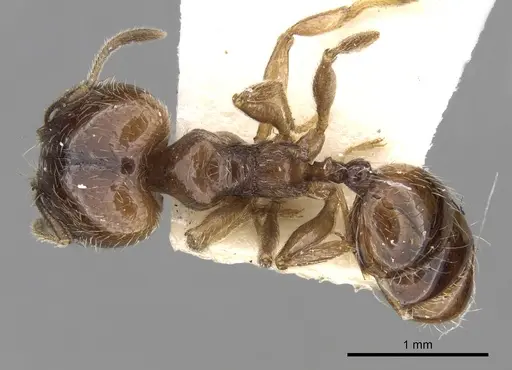
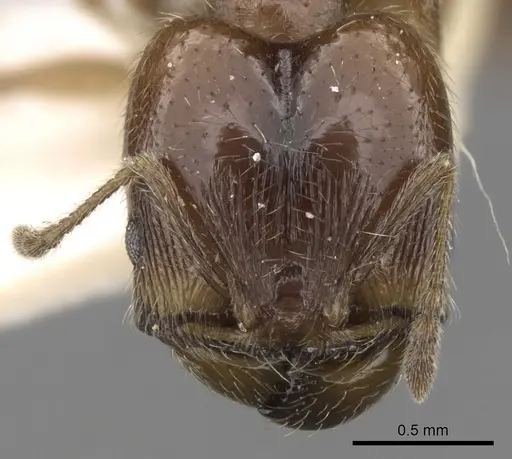
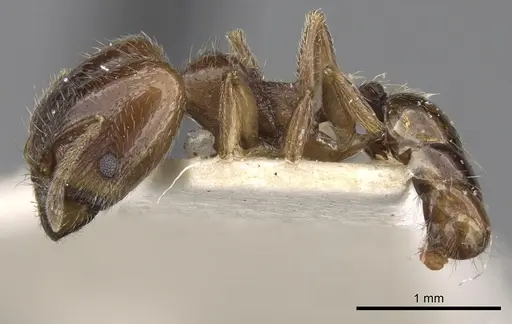
CASENT0281761
View on AntWeb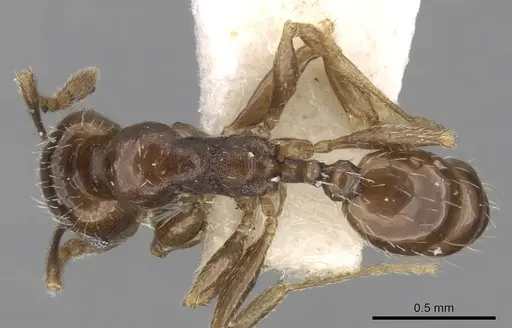
CASENT0649706
View on AntWeb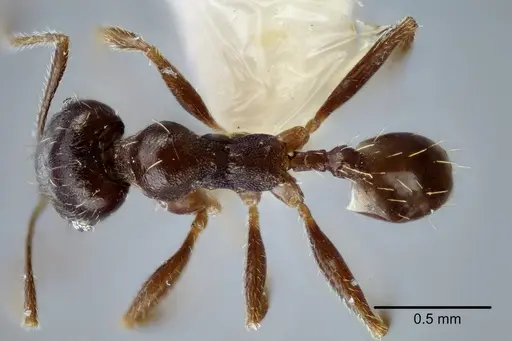
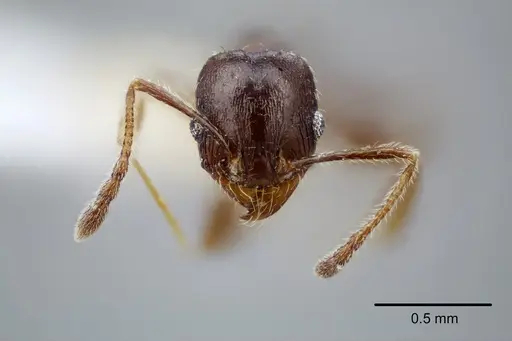
JTLC000010254
View on AntWeb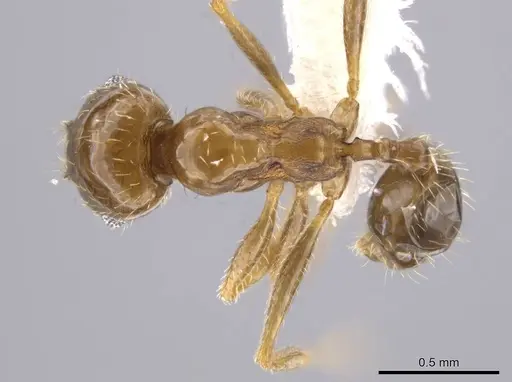
JTLC000010334
View on AntWeb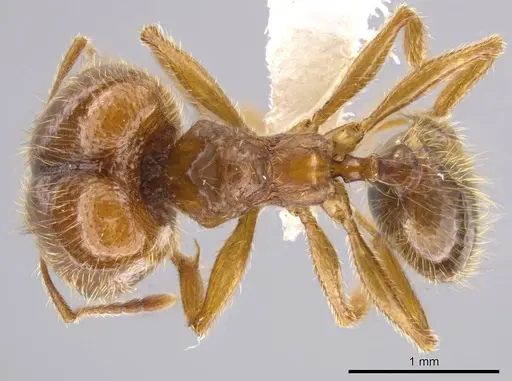
Literature
Loading...Loading products...