

Pheidole cavigenis
- Scientific Name
- Pheidole cavigenis
- Tribe
- Attini
- Subfamily
- Myrmicinae
- Author
- Wheeler, 1915
- Distribution
- Found in 2 countries
Pheidole cavigenis Overview
Pheidole cavigenis is an ant species of the genus Pheidole. It is primarily documented in 2 countries , including Mexico, United States of America. Detailed taxonomic data and occurrence records can be further explored via authoritative databases such as AntWeb or the Global Biodiversity Information Facility (GBIF).
Pheidole cavigenis
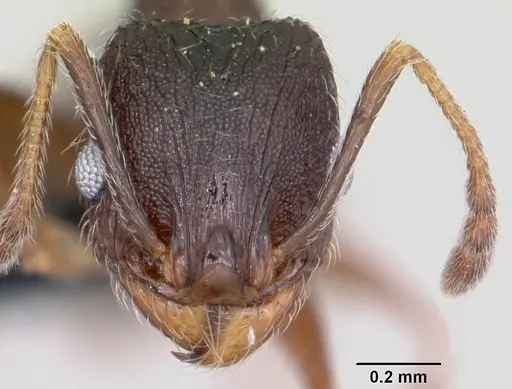
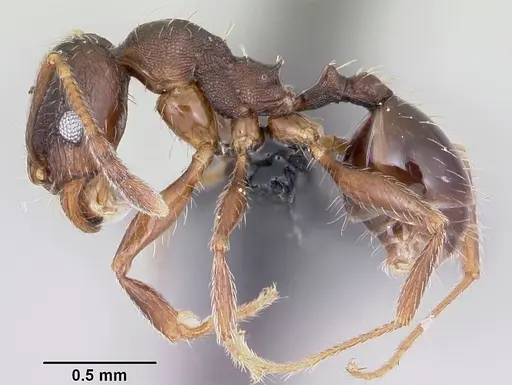
Pheidole cavigenis is a small ant species native to the southwestern United States and northern Mexico. Workers come in two sizes: the minor workers are tiny at 2-3mm, while major workers have the characteristic large heads that give Pheidole their common name 'big-headed ants', these majors typically reach 3-4mm. The species has a reddish-brown to dark brown coloration typical of desert-dwelling Pheidole. In the wild, colonies are found in Arizona (Miller Canyon) and Chihuahua, Mexico, where they nest in soil or under stones in arid to semi-arid habitats [1][2]. This species is part of the hyperdiverse Pheidole genus, which contains over 1000 species worldwide known for their seed-harvesting habits and distinctive major worker caste.
Quick Summary
- Difficulty: Easy
- Origin & Habitat: Arizona (Miller Canyon) and Chihuahua, Mexico, arid to semi-arid habitats in the Sonoran Desert region [1][2]
- Colony Type: Likely single-queen colonies based on typical Pheidole patterns, though colony structure has not been directly studied for this species.
- Size & Growth:
- Queen: Estimated 5-7mm based on related Pheidole species in the region
- Worker: Minor workers 2-3mm, major workers 3-4mm (estimated from genus patterns)
- Colony: Likely reaches several hundred to a few thousand workers based on typical Pheidole colony sizes
- Growth: Moderate, typical for Pheidole species
- Development: Estimated 6-10 weeks based on related Pheidole species in warm climates (Development time is temperature-dependent, warmer conditions within acceptable range will speed development)
- Antkeeping:
- Temperature: Keep at 22-28°C. Arizona/Chihuahua distribution suggests they tolerate warm conditions well. A heating cable on one side of the nest creates a gradient for them to choose their preferred temperature.
- Humidity: Low to moderate humidity, think desert floor conditions. Keep the nest substrate relatively dry, with a small water tube for drinking access. Avoid excessive moisture.
- Diapause: Likely no true diapause given their subtropical distribution, but colony activity may slow during winter months in cooler climates.
- Nesting: Ground-nesting species that does well in Y-tong nests, acrylic formicaria, or naturalistic setups with dry substrate. They do fine in test tubes initially but will need more space as the colony grows.
- Behavior: Generally peaceful and non-aggressive toward keepers. Major workers serve as soldiers and can defend the colony, but they pose no real threat to humans. They are seed-harvesters by nature but also accept protein sources like small insects. Foragers are active and will readily explore outworlds for food. Escape risk is moderate due to their small size, use standard barriers but no special escape prevention required beyond standard measures.
- Common Issues: colonies may decline if kept too humid, their desert origins mean they prefer drier conditions, major workers can be mistaken for a different species since they look so different from minors, slow initial growth during founding phase is normal, Pheidole colonies take time to establish, wild-caught colonies may have parasites that affect survival in captivity
Housing and Nest Setup
Pheidole cavigenis does well in a variety of captive setups. For founding colonies, a standard test tube setup works fine, queen seals herself in and raises the first brood in the tube. Once the colony reaches 20-30 workers, consider moving them to a more spacious formicarium. Y-tong nests work particularly well for Pheidole because they provide appropriately scaled chambers. Acrylic nests and naturalistic setups with dry substrate are also suitable. This species prefers drier conditions than many tropical ants, so avoid setups that retain excessive moisture. Always provide an outworld for foraging, these ants are active foragers and need space to search for food.
Feeding and Diet
Like most Pheidole species, P. cavigenis is omnivorous with a preference for seeds and protein. In captivity, offer a mix of seeds (millet, sesame, cracked corn) and protein sources (small insects like fruit flies, pinhead crickets, mealworms). They will also accept sugar water or honey as an energy source, though seeds and protein should form the bulk of their diet. Feed every 2-3 days, removing uneaten food promptly to prevent mold. Fresh water should always be available, a small water tube or cotton ball in the outworld works well.
Temperature and Heating
Being from Arizona and northern Mexico, these ants prefer warm conditions. Keep the nest area between 22-28°C, with 24-26°C being ideal for growth and brood development. A small heating cable placed on part of the nest can create a temperature gradient, allowing the colony to self-regulate. Room temperature within this range is often sufficient. Avoid temperatures below 18°C for extended periods, as this may slow or halt colony development. They do not require cooling for dormancy given their subtropical origin.
Behavior and Colony Dynamics
Pheidole cavigenis exhibits the classic Pheidole social structure with two worker castes: minor workers handle most tasks including foraging, brood care, and nest maintenance, while major workers (soldiers) defend the colony and help process larger food items. This division of labor makes watching the colony quite interesting, you can observe majors using their large heads to crack seeds and defend against threats. The colony will grow steadily over time, with major workers appearing as the colony reaches moderate size. They are not aggressive toward keepers and cannot sting effectively.
Frequently Asked Questions
How long does it take for Pheidole cavigenis to produce first workers?
Expect first workers (nanitics) to emerge in 6-10 weeks under warm conditions (24-26°C). This is typical for Pheidole species in optimal temperature ranges.
What do Pheidole cavigenis ants eat?
They are seed-harvesters that also accept protein. Offer a mix of small seeds (millet, sesame) and small insects (fruit flies, pinhead crickets). Sugar water or honey can be offered occasionally.
What temperature do Pheidole cavigenis need?
Keep them warm at 22-28°C, with 24-26°C being ideal. They are from a warm climate and do not tolerate cool conditions well.
Are Pheidole cavigenis good for beginners?
Yes, they are considered easy to keep. They are forgiving of minor husbandry mistakes, don't require high humidity, and are not aggressive.
How big do Pheidole cavigenis colonies get?
Based on typical Pheidole patterns, colonies likely reach several hundred to a few thousand workers over time.
Do Pheidole cavigenis need hibernation?
Likely no, their subtropical distribution suggests they do not require a true diapause period. Colony activity may slow in winter but they remain active with proper heating.
When should I move my colony to a formicarium?
Move once the test tube becomes crowded (typically 20-30+ workers) or the queen is frequently exposed. They appreciate the extra space for foraging.
Why are my major workers dying?
Some major worker mortality is normal as the colony ages and replaces workers. However, if you see many dying at once, check for poor conditions (too wet, too cold) or mold issues.
Can I keep multiple Pheidole cavigenis queens together?
This has not been studied for this specific species. Most Pheidole are single-queen colonies, so it is not recommended to combine unrelated foundress queens.
References

This caresheet is licensed under CC BY-SA 4.0 .
CASENT0064825
View on AntWeb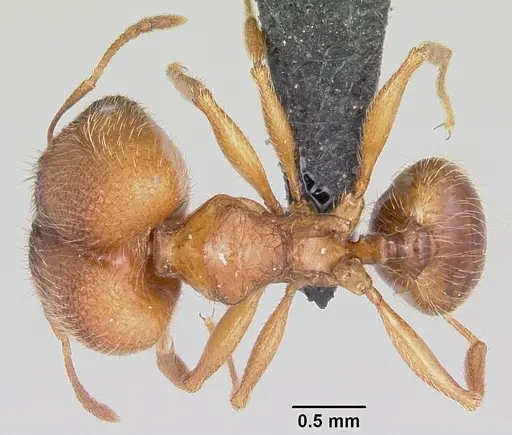
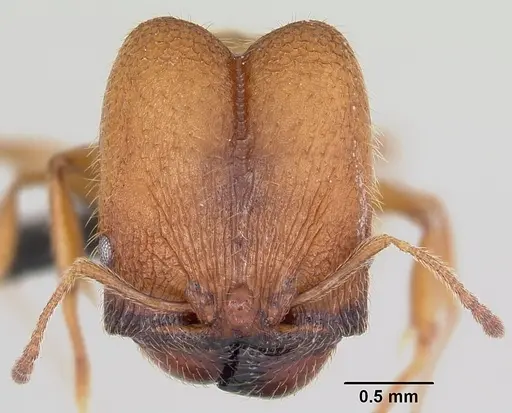
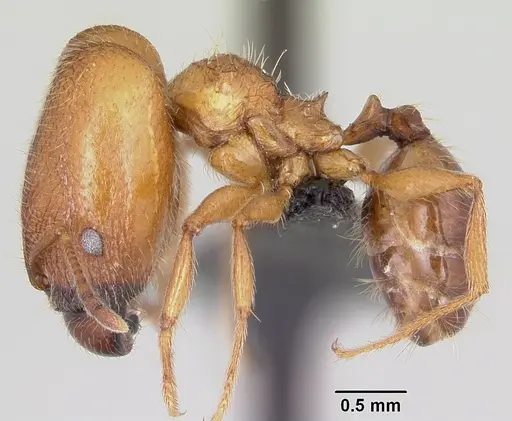
CASENT0104913
View on AntWeb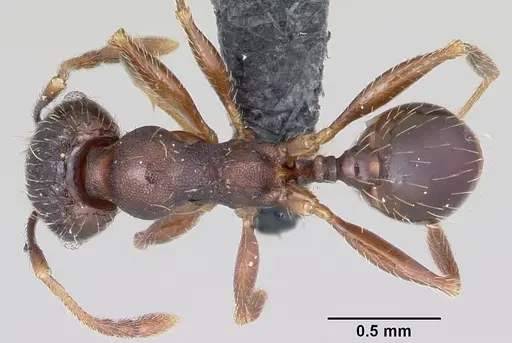
Literature
Loading...Loading products...