

Pheidole cavifrons
- Scientific Name
- Pheidole cavifrons
- Tribe
- Attini
- Subfamily
- Myrmicinae
- Author
- Emery, 1906
- Distribution
- Found in 2 countries
Pheidole cavifrons Overview
Pheidole cavifrons is an ant species of the genus Pheidole. It is primarily documented in 2 countries , including Brazil, Uruguay. Detailed taxonomic data and occurrence records can be further explored via authoritative databases such as AntWeb or the Global Biodiversity Information Facility (GBIF).
Pheidole cavifrons
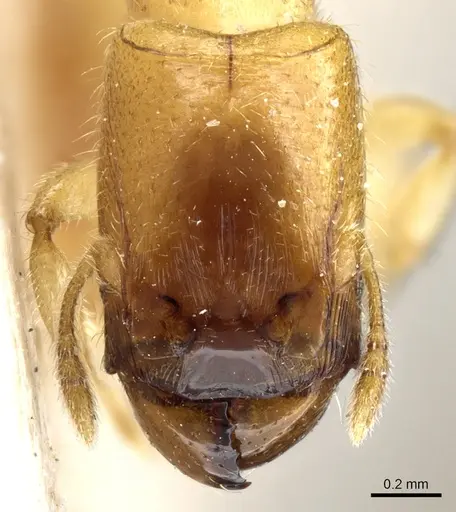
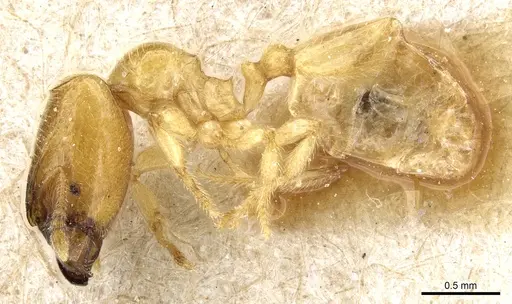
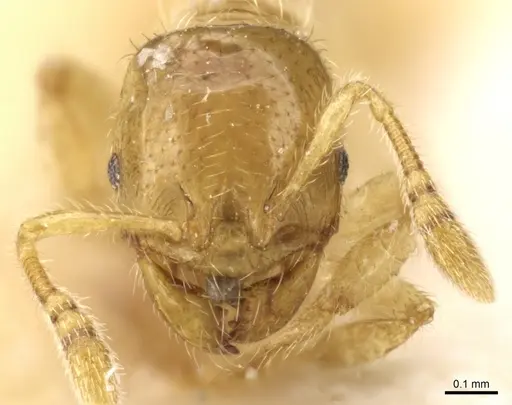
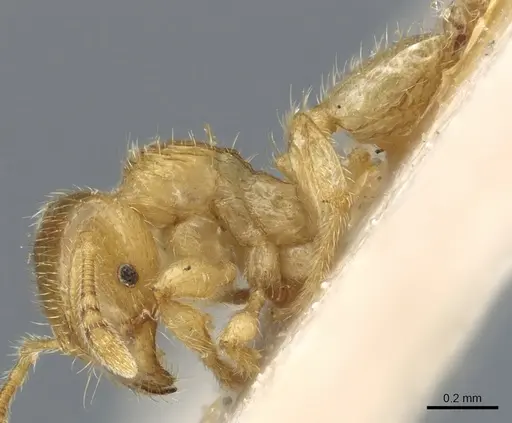
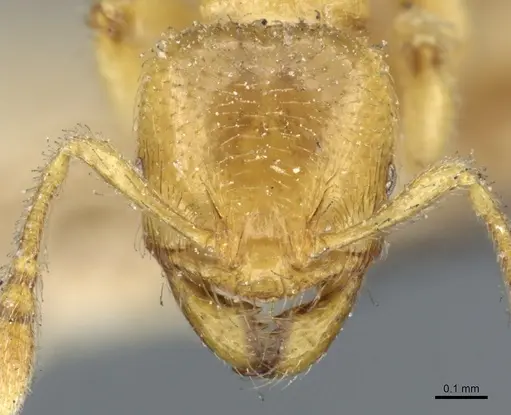
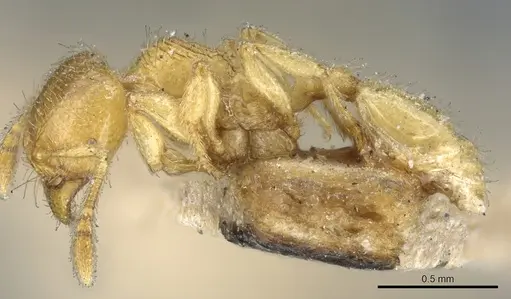
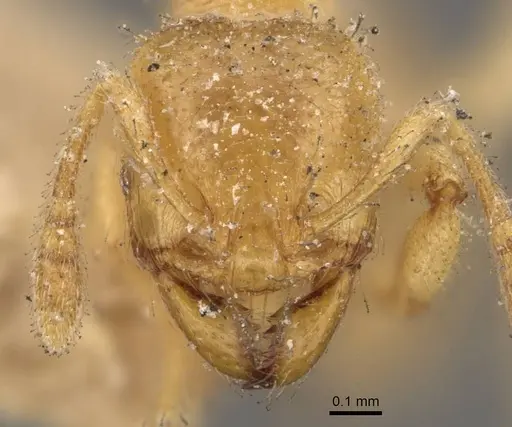
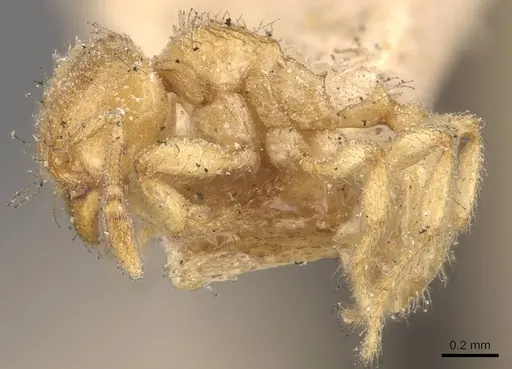
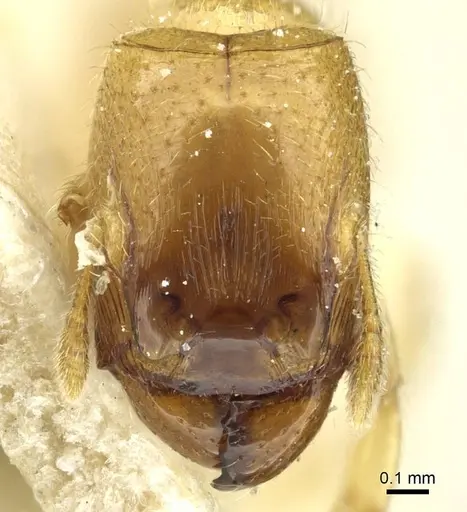
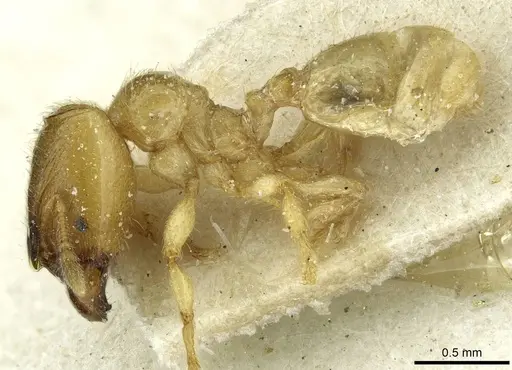
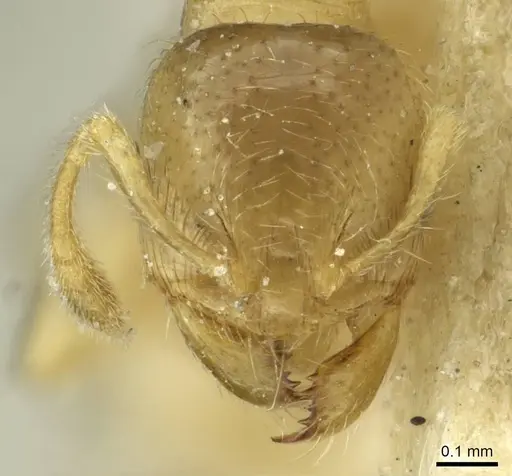
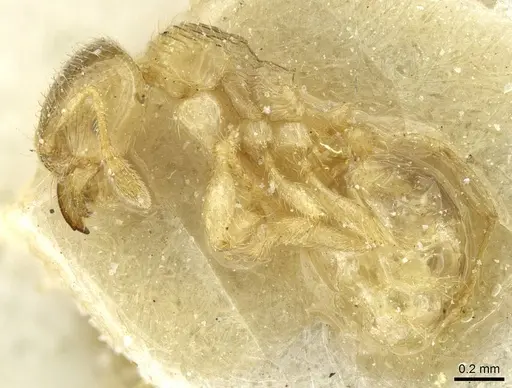
Pheidole cavifrons is a small ant species native to the southern grasslands of South America, found in Argentina, Uruguay, and southern Brazil. Majors (soldiers) measure around 0.76mm in head width with a distinctly elongated head (HL/HW ratio of 1.39), while workers are tiny at just 0.46mm head width. The species is entirely yellow in color, majors are medium yellow and minors are pale yellow. This species belongs to the aberrans group and was originally described from Uruguay. In the wild, they show a strong preference for ground-level nesting, with research showing a strict association to the ground stratum (Indicator Value of 91.3), and they have been found nesting in termite mounds in Rio Grande do Sul, Brazil.
Quick Summary
- Difficulty: Medium
- Origin & Habitat: Native to the Neotropical region, specifically the southern grasslands of Argentina, Uruguay, and southern Brazil (Rio Grande do Sul, Paraná, Santa Catarina). They inhabit subtropical grasslands and have been recorded in both native pastures and modified agricultural areas like vineyards. The species shows strong ground-nesting behavior and has been found in termite mounds [1][2][3].
- Colony Type: Colony structure is unconfirmed for this species. Pheidole species typically form single-queen colonies (monogyne), though some can have multiple queens. The genus is known for having major workers (soldiers) alongside minor workers, with majors developing from larvae that receive more food during development.
- Size & Growth:
- Queen: Unconfirmed, no queen measurements available. Pheidole queens are typically 4-8mm depending on the species.
- Worker: Minor workers: 0.46mm head width,0.52mm head length [4]. Major workers: 0.76mm head width,1.06mm head length [4].
- Colony: Unknown for this specific species. Related Pheidole species in similar habitats typically reach several hundred to a few thousand workers.
- Growth: Unknown, no development data exists for this species. Based on typical Pheidole patterns, expect moderate growth over several months to reach first workers.
- Development: Estimated 6-10 weeks based on typical Pheidole genus development at warm temperatures. This is an estimate as no specific development data exists for P. cavifrons. (Pheidole species typically produce nanitic (first) workers that are smaller than normal workers. Warm temperatures (24-28°C) will accelerate development.)
- Antkeeping:
- Temperature: Keep at 24-28°C. This species comes from subtropical southern Brazil/Uruguay/Argentina where temperatures are warm during summer months. A heating cable on one side of the nest can create a temperature gradient
- Humidity: Moderate to high humidity. These ants inhabit grassland regions with moderate moisture. Keep the nest substrate consistently moist but not waterlogged, with some drier areas available for the ants to regulate their own conditions. The species has been recorded in soil at 10-20cm depth, indicating they prefer stable, moderately damp conditions [1].
- Diapause: Likely required. As a species from southern Brazil/Uruguay with temperate climate influence, colonies probably need a winter rest period (diapause) of 2-3 months at cooler temperatures (around 15-18°C) during winter. This is inferred from the seasonal patterns of similar southern South American Pheidole species.
- Nesting: Ground-nesting species. In captivity, they do well in naturalistic setups with soil or plaster nests that allow them to create tunnels at appropriate depth. They have been found in termite mounds in the wild, suggesting they can adapt to various underground cavities. A Y-tong (AAC) nest or plaster formicarium with moist substrate works well. Avoid dry, above-ground-only setups.
- Behavior: These ants are not aggressive toward keepers and are generally calm. As with most Pheidole, majors may use their heads to block nest entrances when threatened. They are small but active foragers. Minor workers forage for food while majors stay near the nest or defend the colony. Escape prevention should be taken seriously, at 0.46mm for minors, they can squeeze through small gaps. They are ground-dwelling and will explore the outworld regularly. The species shows strong ground-stratum preference in the wild [2].
- Common Issues: small size means escapes are likely without fine mesh barriers and tight-fitting lids, no specific development data means growth can be unpredictable, patience is required, humidity control is important, too dry and brood will desiccate, too wet and mold becomes a problem, winter diapause requirements are inferred but not confirmed, observe colony behavior in winter, as a ground-nesting species, they need deeper nest chambers than surface-nesting ants
Housing and Nest Setup
Pheidole cavifrons does well in naturalistic or semi-naturalistic setups that mimic their ground-nesting habits. A Y-tong (AAC) nest with narrow chambers works well, or you can use a plaster formicarium with moist soil. The key is providing adequate depth, research shows they naturally occur at 10-20cm depth in soil [1], so chambers should be substantial enough for the colony to create proper tunnels. Keep the nest substrate consistently moist. An outworld (foraging area) should be attached with a proper connection tube. Use a water test tube setup as a humidity source. Because they are tiny (minors are only 0.46mm head width), ensure all connections and barriers are escape-proof, these ants can squeeze through remarkably small gaps.
Feeding and Diet
Like other Pheidole species, these ants are omnivorous and will accept a variety of foods. Offer protein sources like small insects (fruit flies, small crickets, mealworms), and provide sugar water or honey as an energy source. In the wild, they forage for small arthropods and likely tend aphids for honeydew. Feed protein 2-3 times per week and keep sugar water available constantly. Remove uneaten prey after 24-48 hours to prevent mold. Pheidole majors cannot eat solid food themselves, they rely on minor workers to process and distribute food to the colony.
Temperature and Seasonal Care
Maintain temperatures between 24-28°C for optimal colony activity and growth. This species comes from subtropical southern South America where summers are warm. A heating cable placed on part of the nest can create a temperature gradient, allowing ants to self-regulate. During winter (roughly May-August in the Southern Hemisphere equivalent), expect reduced activity. Based on the species' origin in southern Brazil/Uruguay, a winter diapause period of 2-3 months at 15-18°C is likely beneficial. Reduce feeding during this period and allow the colony to slow down naturally. Do not heat the colony during winter rest. [1][2]
Understanding Major and Minor Workers
Pheidole cavifrons, like all Pheidole species, has two worker castes: minor workers and major workers (also called soldiers). Minor workers are the foragers and nurses, they're tiny at 0.46mm head width and pale yellow. Major workers are larger at 0.76mm head width with a distinctly elongated head, and they serve as defenders and food processors. You won't see majors foraging outside the nest, they stay inside and help with processing larger prey items that minors bring in. When the colony is small, you'll see mostly minors. Major production increases as the colony grows. This dimorphism is one of the defining characteristics of the genus Pheidole. [4]
Colony Development and Patience
Growing a Pheidole cavifrons colony requires patience. Since no specific development data exists for this species, expect 6-10 weeks from egg to first worker at warm temperatures, and several months to reach 50+ workers. The colony will grow slowly at first, this is normal. Once you have a established group of workers (nanitics), growth typically accelerates. Major workers usually appear after the colony reaches several dozen workers. Do not overfeed or disturb the founding chamber excessively. Let the queen do her job in peace. A stressed or disturbed founding queen may eat her own brood.
Frequently Asked Questions
How long does it take for Pheidole cavifrons to produce first workers?
No specific development data exists for this species, but based on typical Pheidole patterns, expect 6-10 weeks from egg to first worker at optimal temperatures (24-28°C). The first workers (nanitics) will be smaller than normal workers.
Can I keep multiple Pheidole cavifrons queens together?
Not recommended unless you have specific documentation for this species. Most Pheidole are single-queen (monogyne) species, and combining unrelated queens typically results in fighting. If you start with a single queen, keep her alone for best success.
What do Pheidole cavifrons eat?
They are omnivorous. Offer small insects (fruit flies, small crickets, mealworms) as protein 2-3 times per week, and keep sugar water or honey available constantly. Remove uneaten prey after 24-48 hours.
What temperature is best for Pheidole cavifrons?
Keep them at 24-28°C. This species comes from subtropical southern South America where summers are warm. A heating cable on part of the nest can help maintain optimal temperatures.
Do Pheidole cavifrons need hibernation?
Likely yes. Based on their origin in southern Brazil/Uruguay with seasonal temperature changes, a winter rest period of 2-3 months at 15-18°C is probably beneficial. Reduce feeding and allow the colony to slow down during this period.
Why aren't my Pheidole cavifrons producing majors?
This is normal. Major workers (soldiers) typically only appear once the colony reaches a certain size, usually several dozen workers. The colony prioritizes minor workers first for foraging and nursing. Be patient, majors will appear as the colony grows.
Are Pheidole cavifrons good for beginners?
They are moderate difficulty. The main challenges are their small size (escape prevention is critical), lack of specific care data, and potentially slow initial growth. If you have experience with other Pheidole or small Myrmicinae, this species is manageable.
How big do Pheidole cavifrons colonies get?
Specific data is not available, but related Pheidole species in similar habitats typically reach several hundred to a few thousand workers. This species is not considered supercolonial.
References

This caresheet is licensed under CC BY-SA 4.0 .
CASENT0904311
View on AntWeb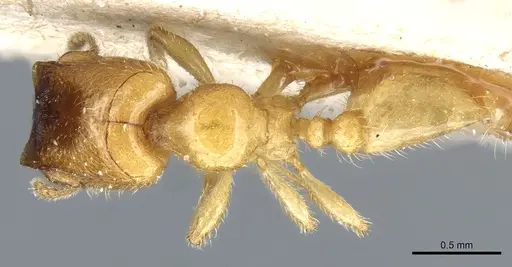
CASENT0904312
View on AntWeb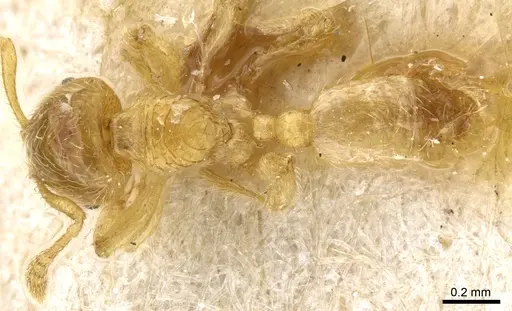
CASENT0904315
View on AntWeb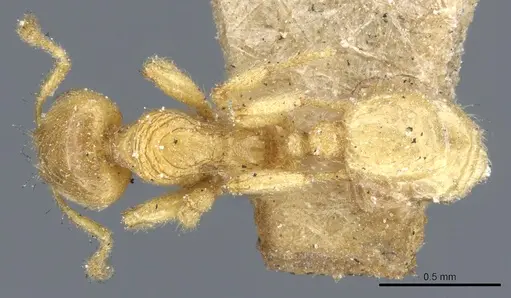
CASENT0908303
View on AntWeb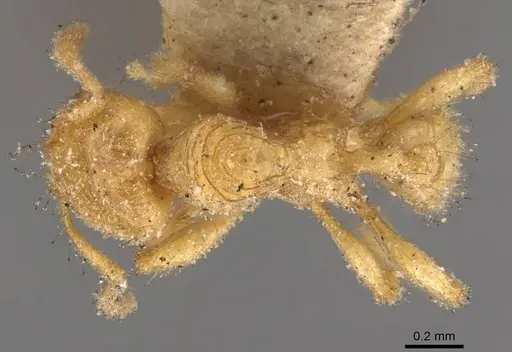
CASENT0913288
View on AntWeb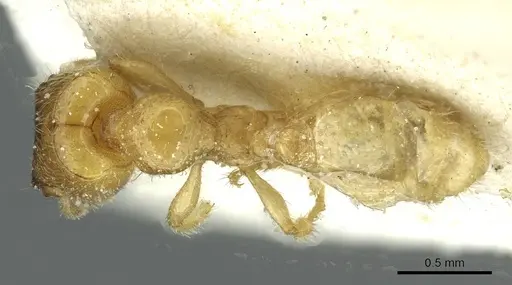
CASENT0913289
View on AntWeb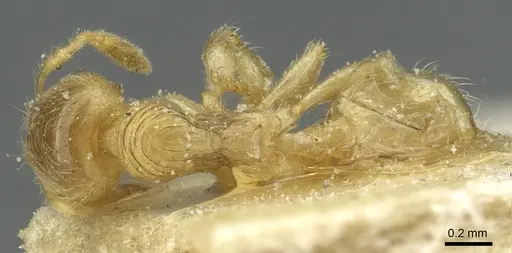
Literature
Loading...Loading products...