

Pheidole cataractae
- Scientific Name
- Pheidole cataractae
- Tribe
- Attini
- Subfamily
- Myrmicinae
- Author
- Wheeler, 1916
- Distribution
- Found in 5 countries
Pheidole cataractae Overview
Pheidole cataractae is an ant species of the genus Pheidole. It is primarily documented in 5 countries , including Brazil, Colombia, French Guiana. Detailed taxonomic data and occurrence records can be further explored via authoritative databases such as AntWeb or the Global Biodiversity Information Facility (GBIF).
Pheidole cataractae
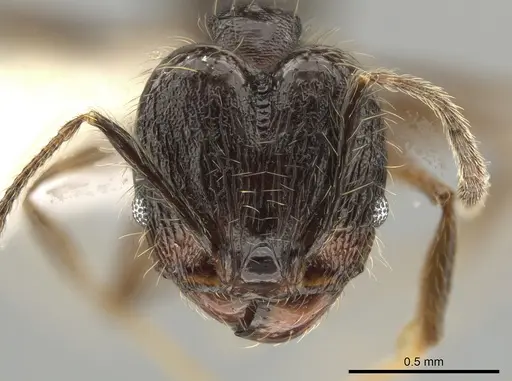
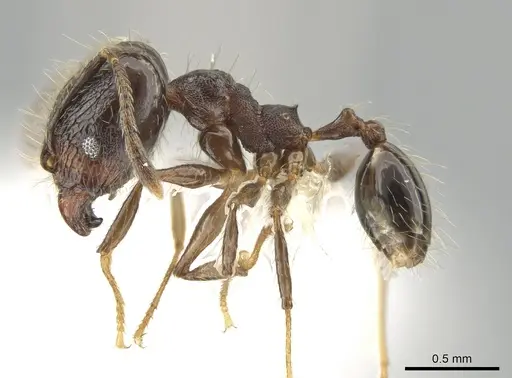
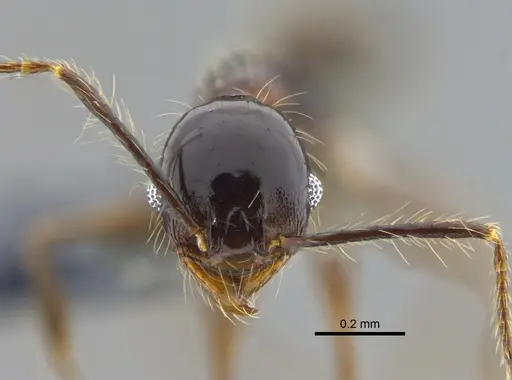
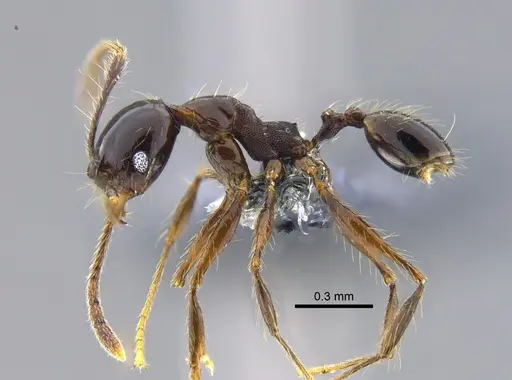
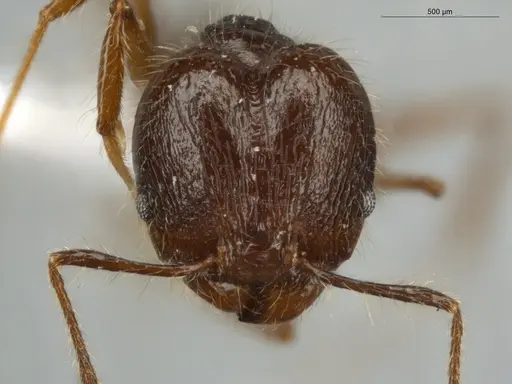
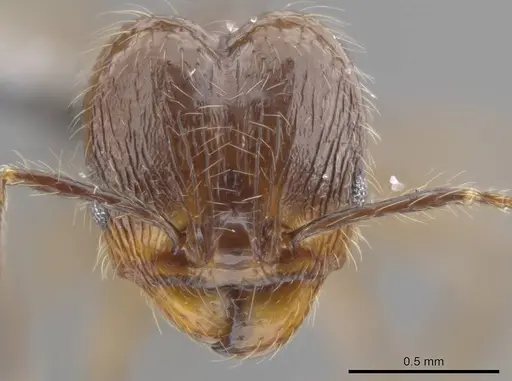
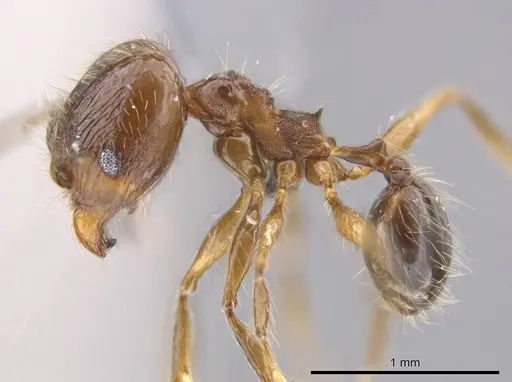
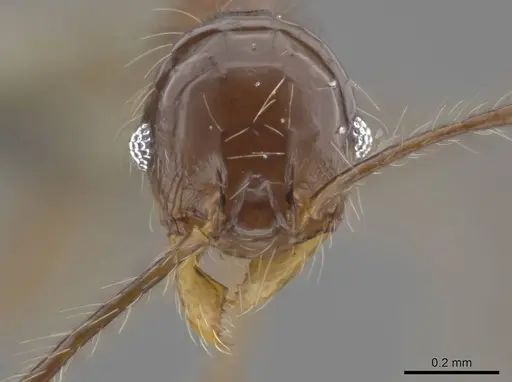
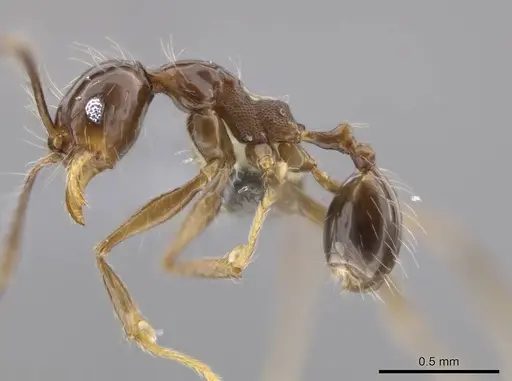
Pheidole cataractae is a tiny Amazonian ant belonging to the diligens group, known for its unusually small and slender build. Majors measure just 0.94mm in head width while minors are a mere 0.42mm, making them one of the smaller Pheidole species. The species is brown in color, majors are medium brown with dark yellowish-brown mandibles and anterior head, while minors are concolorous light brown with yellowish-brown appendages. Originally described from Guyana (Kaieteur Falls), this species has since been recorded across the Amazon Basin in Brazil, Colombia, Ecuador, and Peru [1][2].
What makes P. cataractae special is its behavioral convergence with Paratrechina ants, these ants are agile, fast-moving foragers with relatively long legs for their size, allowing them to locate food sources quickly and retreat when competition appears. They nest in ephemeral sites on the rainforest floor, typically in small twigs or pieces of rotting dead wood[3]. This species shows generalist flood tolerance, able to survive in both terra firme and seasonally flooded várzea forests [3][4].
Quick Summary
- Difficulty: Medium
- Origin & Habitat: Amazon Basin, found in Guyana, Brazil (Manaus, Pará, Mato Grosso), Colombia, Ecuador, and Peru. Nests in rotting wood on the floor of tropical rainforests, both in terra firme and seasonally flooded várzea areas[3][2].
- Colony Type: Likely single-queen colonies (typical for Pheidole), though colony structure has not been specifically documented for this species.
- Colony: Monogyne
- Founding: Claustral
- Size & Growth:
- Queen: Not documented in primary literature, estimated 5-7mm based on typical Pheidole genus patterns
- Worker: Major: 0.94mm HW, Minor: 0.42mm HW
- Colony: Unknown, typical Amazonian Pheidole can reach several thousand workers
- Growth: Moderate, inferred from related species
- Development: Estimated 6-8 weeks at optimal tropical temperatures based on typical Pheidole development (Development time inferred from genus-level data, specific timing for this species has not been documented)
- Antkeeping:
- Temperature: Keep at 24-28°C, they are tropical Amazonian ants requiring warm, stable conditions. A heating cable on one side of the nest can provide a gentle gradient.
- Humidity: High humidity required, rainforest floor species. Keep nest substrate consistently moist but not waterlogged. These ants tolerate flooding in the wild, so they can handle damp conditions [3].
- Diapause: No, as a tropical species, they do not require hibernation. Maintain year-round tropical conditions.
- Nesting: Twig-nesting species, in captivity they do well in small test tubes, acrylic nests, or Y-tong setups with narrow chambers scaled to their tiny size. Provide moist substrate (like soil or plaster) to maintain humidity[3].
- Behavior: Fast-moving, agile foragers that quickly locate food sources but retreat when faced with competition. Workers are small but active, searching extensively for resources. They are generalist feeders, accepting both protein and sugar sources. Escape risk is significant due to their very small size, use fine mesh barriers and ensure all openings are sealed. Not particularly aggressive toward keepers, but majors can deliver a minor sting if handled roughly.
- Common Issues: tiny size makes escape prevention critical, they can squeeze through standard mesh, high humidity requirements can lead to mold if ventilation is poor, slow founding phase, claustral queens may take months to raise first workers, wild-caught colonies may harbor parasites that can devastate captive populations, test tube setups must be properly sealed, even small gaps will allow escape
Housing and Setup
Pheidole cataractae is a tiny twig-nesting ant, so your setup needs to match their small size. A standard test tube setup works well, use a small diameter tube (10-15mm) with a cotton plug for the water reservoir. The chambers should be narrow enough that the ants feel secure. Because they're from the Amazon rainforest floor, they need consistently moist conditions. You can keep them in a test tube until the colony reaches 50-100 workers, then consider moving to a small acrylic nest or Y-tong setup. Whatever nest type you choose, ensure all connections and openings are sealed, these tiny ants will find any gap larger than 0.5mm. A small outworld for foraging allows you to feed them without disturbing the nest. [3]
Feeding and Diet
Like most Pheidole species, P. cataractae is a generalist feeder. In the wild, they forage for small insects, honeydew from aphids, and seeds. In captivity, offer a varied diet: protein sources like small fruit flies, pinhead crickets, or tiny mealworms (cut into small pieces), and sugar sources like honey water or sugar water. They have fast-moving workers that locate food quickly, so place offerings in the foraging area and check after a few hours. Remove uneaten protein within 24 hours to prevent mold. Feed protein 2-3 times per week and keep sugar water available constantly. Young colonies may prefer smaller prey items, start with flightless fruit flies or tiny cricket pieces.
Temperature and Humidity
Being an Amazonian species, these ants need warm and humid conditions year-round. Maintain temperatures between 24-28°C, this is ideal for brood development and colony activity. A small heating cable placed on one side of the nest creates a gentle temperature gradient that ants can choose between. For humidity, aim for 70-85% relative humidity in the nest area. The rainforest floor where they naturally live is consistently damp. Use a moist substrate (like damp soil or plaster) and monitor for condensation. Good ventilation is important to prevent mold, but avoid excessive airflow that dries out the nest. A small ventilation hole or mesh top on the outworld helps balance humidity and fresh air. [3]
Colony Development
A founding queen will seal herself into a small chamber and lay eggs while living off her stored fat reserves, this is typical claustral founding. The first brood develops through the typical ant life stages: egg to larva to pupa to worker. Expect the first workers (nanitics) to emerge in 6-8 weeks under optimal conditions, though this can vary. Initial colonies grow slowly, the queen raises just a handful of workers alone. Once the first workers emerge, they take over foraging and brood care, and the colony enters a growth phase. P. cataractae colonies likely reach several thousand workers at maturity, similar to other Amazonian Pheidole. Growth is moderate, be patient during the founding phase as this is when colonies are most vulnerable.
Behavior and Observation
What makes this species fascinating to watch is their Paratrechina-like behavior, they're incredibly fast and agile foragers. Workers sprint across the foraging area, quickly locating and assessing food sources. If they encounter competition or disturbance, they retreat rapidly rather than engaging. This makes them exciting to observe but can make them seem nervous. The colony will maintain a small number of majors (soldiers) which have slightly larger heads for defense and seed processing. These ants are not aggressive toward humans and rarely sting. Their small size means you need good lighting and magnification to observe details, a magnifying glass or macro lens can reveal their beautiful slender morphology.
Frequently Asked Questions
How long does it take for Pheidole cataractae to raise first workers?
Expect 6-8 weeks from egg to first worker at optimal tropical temperatures (24-28°C). This is typical for Pheidole species, though specific development timing has not been documented for P. cataractae.
Can I keep Pheidole cataractae in a test tube?
Yes, test tubes work well for this species. Use a small diameter tube (10-15mm) with a water reservoir. Keep it horizontal or with a slight tilt so the queen can access water. Seal all openings tightly, these tiny ants escape easily.
What do Pheidole cataractae eat?
They accept a variety of foods: small insects (fruit flies, tiny crickets, mealworms), honey water, and sugar water. They're generalist foragers. Offer protein 2-3 times weekly and keep sugar water available constantly.
Are Pheidole cataractae good for beginners?
They are rated Medium difficulty. The main challenges are their tiny size (escape prevention is critical), high humidity needs, and the slow founding phase. Experienced antkeepers will have more success with this species.
Do Pheidole cataractae need hibernation?
No, they do not need hibernation. As tropical Amazonian ants, they require year-round warm conditions (24-28°C). Simulating seasonal changes can actually harm them.
How big do Pheidole cataractae colonies get?
Colony size is not specifically documented, but typical Amazonian Pheidole reach several thousand workers. Expect moderate growth, the colony will expand gradually over several years.
Why are my Pheidole cataractae escaping?
Their tiny size (workers are only 0.42-0.94mm) means they can squeeze through incredibly small gaps. Use fine mesh (0.5mm or smaller), seal all tube connections with tape or cotton, and check for any gaps in your setup.
When should I move my colony to a formicarium?
Move to a larger nest (acrylic or Y-tong) once the colony reaches 50-100 workers and the test tube is becoming crowded. Ensure the new nest has appropriately sized chambers, these tiny ants need narrow passages.
Can I keep multiple queens together?
Pheidole are typically single-queen colonies. Combining unrelated queens is not recommended as they will likely fight. In the wild, only one queen typically heads each colony.
References

This caresheet is licensed under CC BY-SA 4.0 .
CASENT0646098
View on AntWeb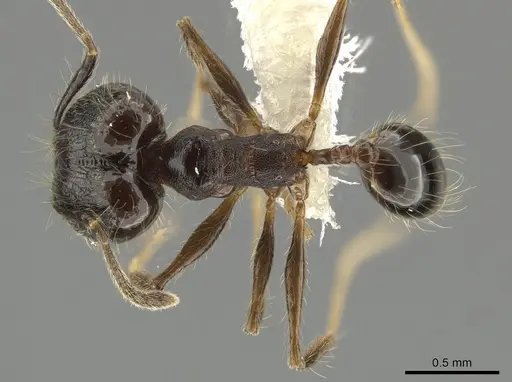
CBUMAGENT42047
View on AntWeb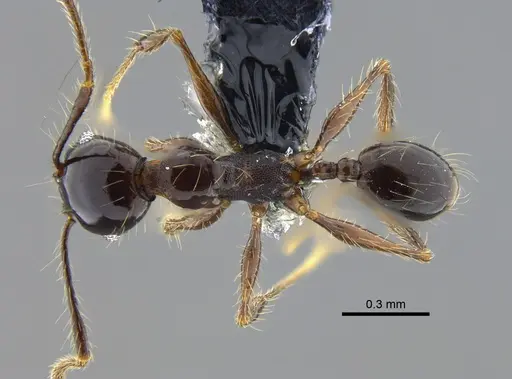
ECOFOG-TR13-0070-08-S
View on AntWeb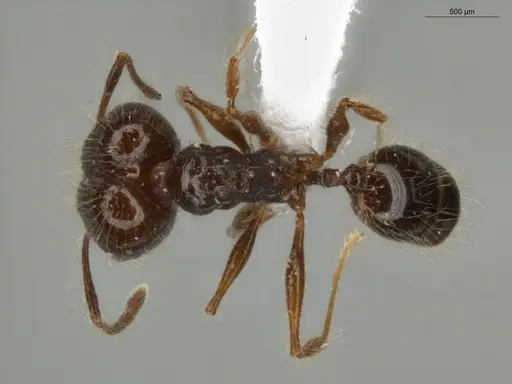
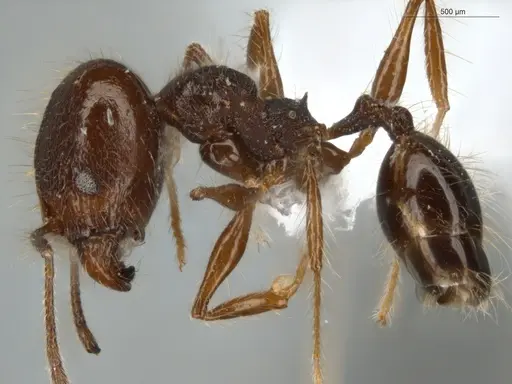
ECOFOG-TR13-0070-08
View on AntWeb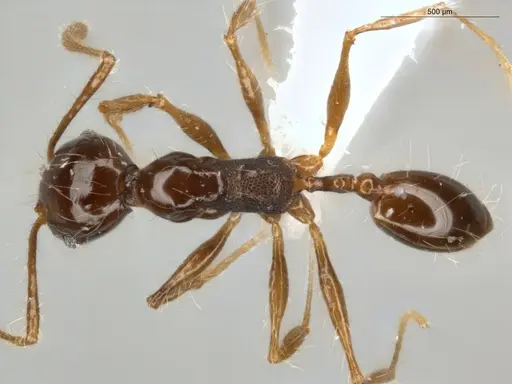
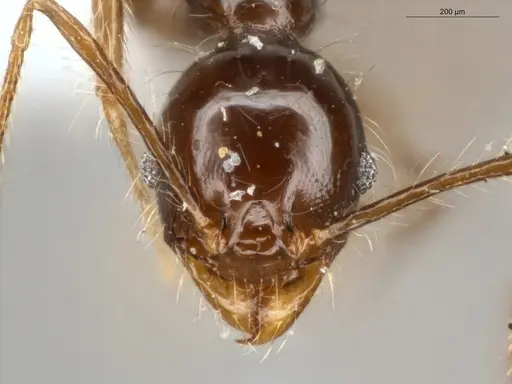
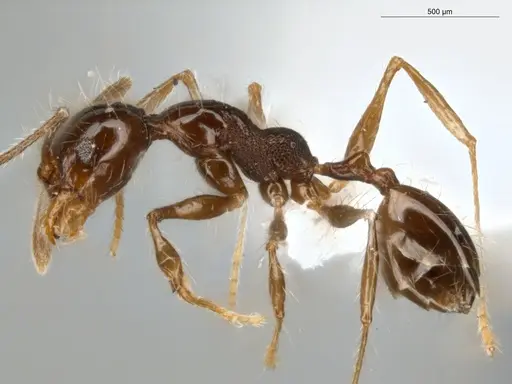
USNMENT00688291
View on AntWeb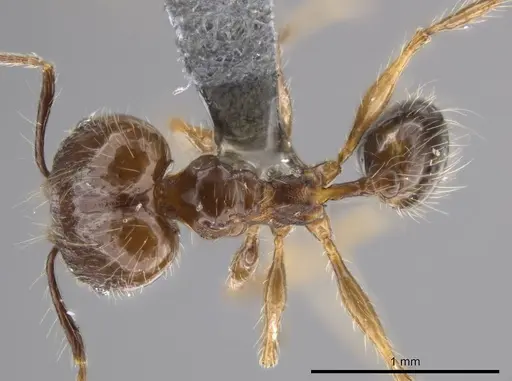
USNMENT00691422
View on AntWeb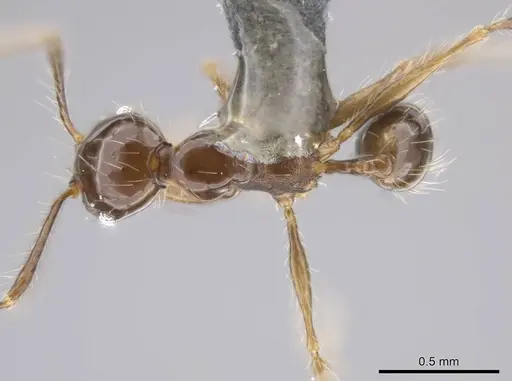
Literature
Loading...Loading products...