

Pheidole carrolli
- Scientific Name
- Pheidole carrolli
- Tribe
- Attini
- Subfamily
- Myrmicinae
- Author
- Naves, 1985
- Common Name
- Carroll's Big-headed Ant
- Distribution
- Found in 1 countries
Pheidole carrolli Overview
Pheidole carrolli (commonly known as the Carroll's Big-headed Ant) is an ant species of the genus Pheidole. It is primarily documented in 1 countries , including United States of America. Detailed taxonomic data and occurrence records can be further explored via authoritative databases such as AntWeb or the Global Biodiversity Information Facility (GBIF).
Pheidole carrolli - "Carroll's Big-headed Ant"
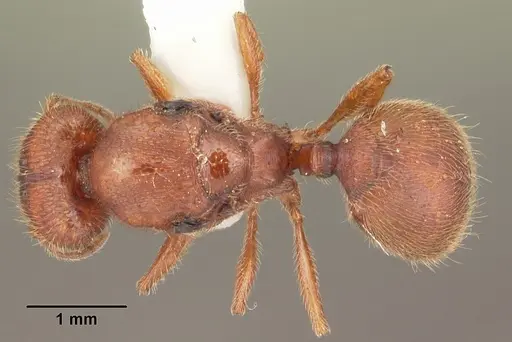
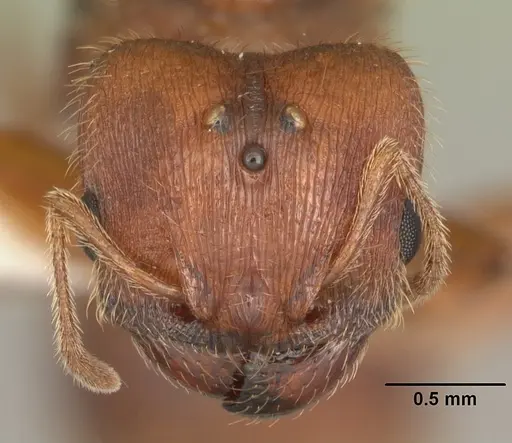
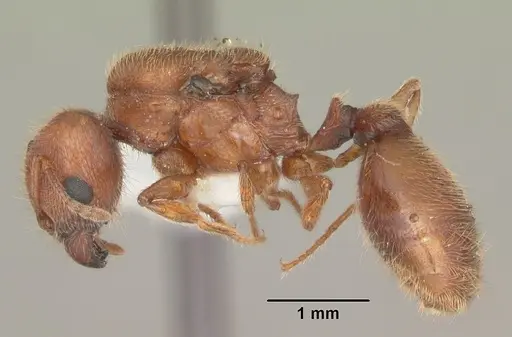
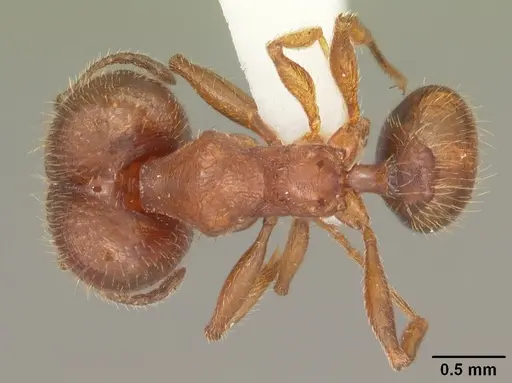
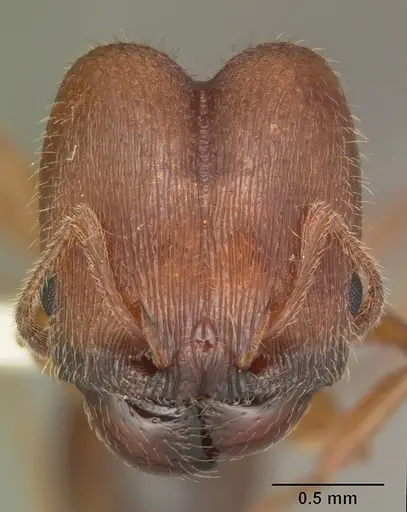
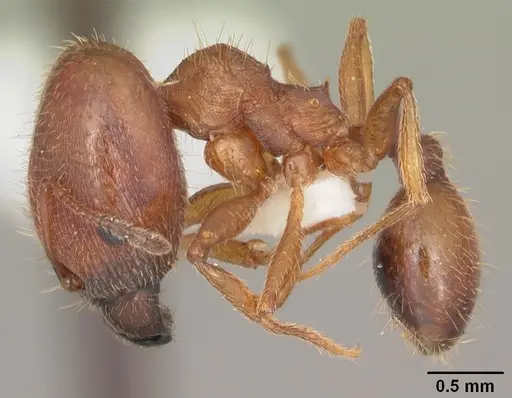
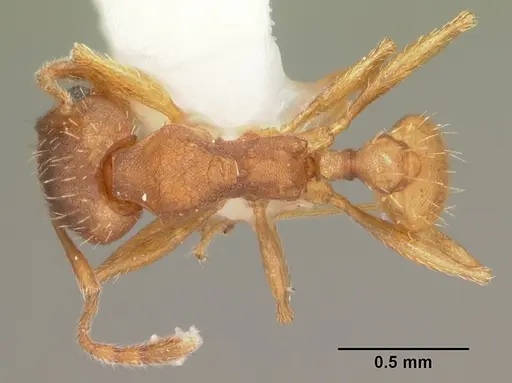
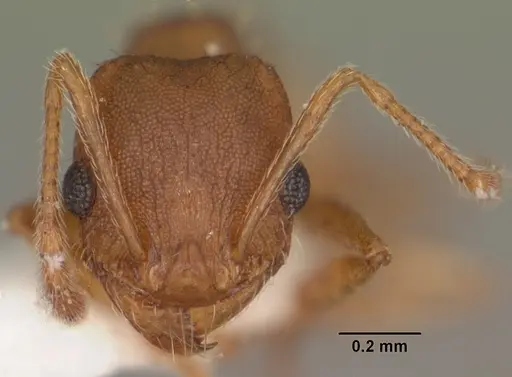
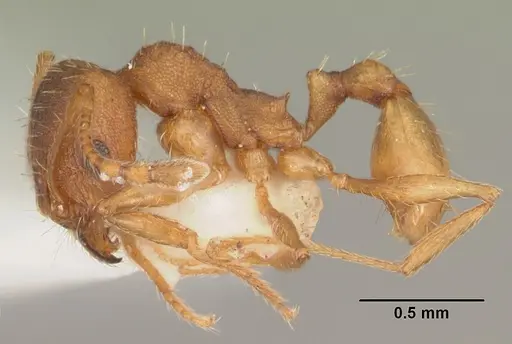
Pheidole carrolli is a small North American ant native to northern Florida, belonging to the 'pilifera complex' within the genus Pheidole. This species is known for its two worker castes: majors (soldiers) with a distinctive orange coloration and minors in yellowish brown. Majors measure around 1.82mm in head length while minors are approximately 0.58mm. The species was first described in 1985 and is considered rare, known only from a handful of counties in northern Florida [1].
What makes P. carrolli unusual is its defensive behavior, these ants are exceptionally sluggish and display a nearly unique habit among Pheidole species of feigning death when disturbed. Workers curl their bodies around soil particles, making them incredibly difficult to spot. This passive defense strategy, combined with their deep nesting habits (galleries extending up to 1.7 meters) and preference for disturbed, sandy habitats, makes them a fascinating but challenging species to keep.
Quick Summary
- Difficulty: Medium
- Origin & Habitat: Northern Florida, USA, found in early successional, open habitats with sandy soil, often in disturbed areas. Originally collected in shaded oak/pine woodland but later identified as an early successional species.
- Colony Type: Single-queen colonies (monogyne) with small colony size, typically several hundred workers with only 1-2 majors (soldiers) present at any time.
- Colony: Monogyne
- Founding: Claustral
- Size & Growth:
- Queen: Not specifically measured in available literature, estimated based on genus patterns at 5-7mm
- Worker: Minors: 0.58mm head length (approximately 3-4mm total), Majors: 1.82mm head length (approximately 5-6mm total)
- Colony: Several hundred workers with several dozen soldiers
- Growth: Moderate, based on typical Pheidole development patterns
- Development: 6-8 weeks at optimal temperature based on typical Pheidole genus patterns (Development time is estimated from related species, no specific study on P. carrolli development exists)
- Antkeeping:
- Temperature: Keep around 24-28°C, reflecting their warm Florida habitat. A slight gradient allows workers to self-regulate.
- Humidity: Moderate to high, sandy soil substrates should remain slightly moist but not waterlogged. Provide a water tube for drinking water.
- Diapause: Yes, as a temperate/subtropical species from Florida, they likely require a winter rest period of 2-3 months at cooler temperatures (15-18°C)
- Nesting: Deep nests are essential, they naturally dig galleries 1.7m deep. In captivity, provide a deep formicarium or Y-tong nest with chambers that allow for vertical tunneling. Sandy soil substrate is preferred.
- Behavior: These ants are exceptionally sluggish and docile. Workers forage singly, mostly at dusk and morning, staying within 5 meters of the nest entrance. They are not aggressive and show a unique death-feigning behavior when disturbed. Minor escape risk due to their relatively large size compared to many Myrmicines, but standard precautions still apply.
- Common Issues: deep nesting requirement means standard shallow nests may stress colonies, sluggish movement and cryptic behavior can make it difficult to assess colony health, rare species with limited distribution, wild colonies are protected and should not be collected, slow growth may frustrate keepers expecting rapid colony development, feigning death behavior may be mistaken for colony mortality by inexperienced keepers
Housing and Nesting
Pheidole carrolli requires deep nesting space due to their natural history of digging exceptionally deep vertical galleries, one documented nest extended 1.7 meters below the surface. A Y-tong (acrylic) nest with deep chambers or a custom deep formicarium works well. The substrate should be sandy and able to hold moisture without becoming waterlogged. These ants are not aggressive and have relatively poor escape abilities for a Myrmicine species, so standard barrier methods are sufficient.
The nest entrance in the wild is difficult to spot, and the colony maintains a granary chamber filled with seeds typically located around 30cm deep. In captivity, provide a dedicated seed chamber or area where they can store seeds if they choose to do so. A water tube should always be available. [1]
Feeding and Diet
As with most Pheidole species, P. carrolli is omnivorous with a preference for protein sources. They will accept typical ant foods including small insects (fruit flies, pinhead crickets, mealworms), seeds, and sugar sources (honey water, sugar water). In the wild, they forage for seeds and insects, storing seeds in dedicated granary chambers deep in the nest.
Feed protein sources 2-3 times per week, and provide a constant sugar source. Their sluggish foraging behavior means they may not compete aggressively for food, place food near active workers or in foraging areas they regularly use. Remove uneaten protein after 24-48 hours to prevent mold.
Temperature and Seasonal Care
Maintain temperatures between 24-28°C during the active season, reflecting the warm climate of their native Florida habitat. A heating cable on one side of the nest can create a gradient, allowing workers to regulate their own temperature. During winter, reduce temperatures to approximately 15-18°C for a 2-3 month diapause period.
The species is adapted to mild winters, so a true cold hibernation is not necessary, a cool room temperature period is sufficient. Reduce feeding during the winter rest period and allow the colony to slow down naturally.
Behavior and Colony Dynamics
Pheidole carrolli displays several unusual behaviors that make them distinctive among Pheidole species. Workers are exceptionally sluggish and move slowly compared to many ants. Most notably, they exhibit a nearly unique defensive behavior of feigning death, when disturbed, workers curl their bodies around soil particles, effectively becoming nearly invisible.
Foraging occurs singly, with no more than 15 minor workers active at any given time, primarily during dusk and morning hours. The colony maintains only 1-2 major workers (soldiers) at any time, which is unusually low for Pheidole species that often have many soldiers. This small soldier count, combined with their docile nature, means they are not well-suited for colonies that need aggressive defense. [1]
Colony Establishment
Starting a colony requires obtaining a mated queen, as wild collection is not recommended due to the species' rarity in its limited Florida range. The queen will be claustral, she seals herself in a chamber and raises the first brood using stored fat reserves. The founding chamber should be dark and undisturbed.
First workers (nanitics) will be smaller than mature workers and typically appear within 6-8 weeks under optimal conditions. After the first workers emerge, the colony can be moved to a larger nesting area if needed. Growth is moderate, expect several months to reach 50 workers, and a year or more to reach several hundred.
Frequently Asked Questions
How long does it take for Pheidole carrolli to produce first workers?
Expect first workers (nanitics) to emerge in approximately 6-8 weeks after the queen lays eggs, when kept at optimal temperatures of 24-28°C. This timeline is based on typical Pheidole genus development patterns, as specific development studies for P. carrolli are not available.
What do Pheidole carrolli ants eat?
They are omnivorous, accepting small insects (fruit flies, pinhead crickets, mealworms), seeds, and sugar sources like honey water or sugar water. Protein should be offered 2-3 times per week with a constant sugar source available.
How big do Pheidole carrolli colonies get?
Colonies typically reach several hundred workers with several dozen soldiers (majors). This is relatively small compared to many other Pheidole species, and colonies maintain only 1-2 major workers at any given time.
Can I keep multiple Pheidole carrolli queens together?
No. This species is monogyne (single-queen), and combining unrelated queens is not recommended. Only one queen should be kept per colony.
Do Pheidole carrolli need hibernation?
Yes, as a Florida species adapted to mild winters, they benefit from a 2-3 month cool period at 15-18°C during winter. This serves as a diapause or winter rest rather than a true cold hibernation.
Why do my Pheidole carrolli ants curl up and stop moving?
This is normal behavior, P. carrolli has a unique defensive habit of feigning death when disturbed. Workers curl their bodies around soil particles and remain motionless. This is not a sign of illness but a survival strategy that makes them nearly invisible in their natural habitat.
Are Pheidole carrolli good for beginners?
They are rated as medium difficulty. While not aggressive and relatively easy to house, their sluggish behavior and specific deep-nesting requirements may present challenges. Their rarity also makes obtaining a colony difficult, as they are not commonly available in the antkeeping hobby.
What type of nest is best for Pheidole carrolli?
A deep nest is essential, these ants naturally dig galleries 1.7 meters deep in the wild. A Y-tong (acrylic) nest with deep chambers or a custom formicarium with vertical space works best. Sandy soil substrate that holds moisture is preferred.
Where is Pheidole carrolli found in the wild?
This species is endemic to northern Florida, USA, known only from Alachua, Citrus, and Leon Counties. It is considered rare and is found in early successional, open habitats with sandy soil[1].
References

This caresheet is licensed under CC BY-SA 4.0 .
Literature
Loading...Loading products...