

Pheidole cariniceps
- Scientific Name
- Pheidole cariniceps
- Tribe
- Attini
- Subfamily
- Myrmicinae
- Author
- Eguchi, 2001
- Distribution
- Found in 2 countries
Pheidole cariniceps Overview
Pheidole cariniceps is an ant species of the genus Pheidole. It is primarily documented in 2 countries , including Malaysia, Philippines. Detailed taxonomic data and occurrence records can be further explored via authoritative databases such as AntWeb or the Global Biodiversity Information Facility (GBIF).
Pheidole cariniceps
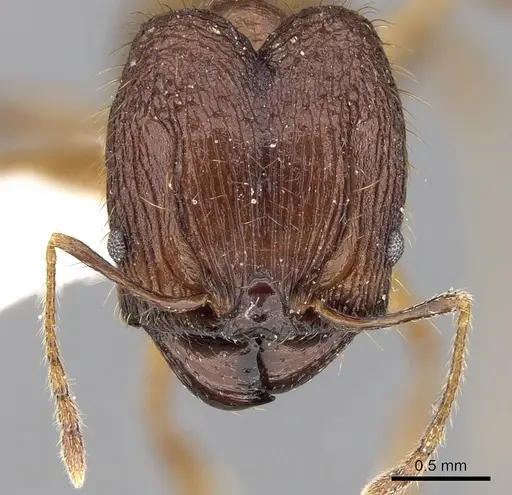
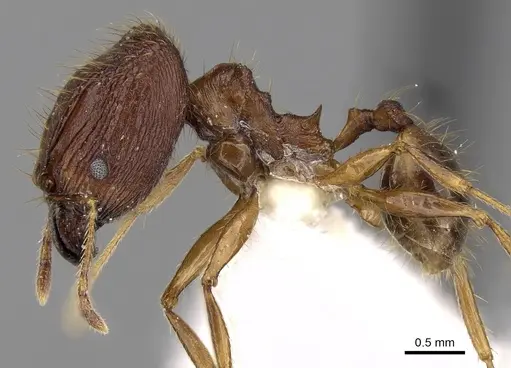
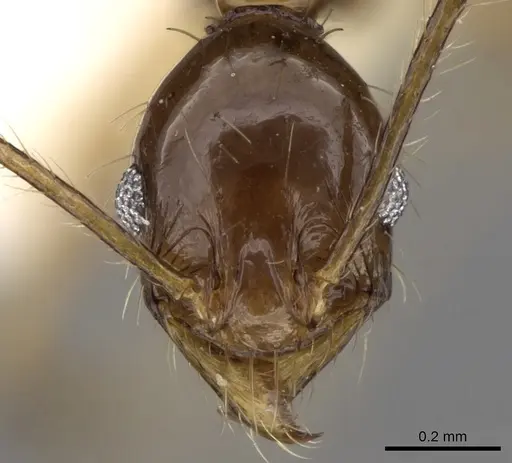
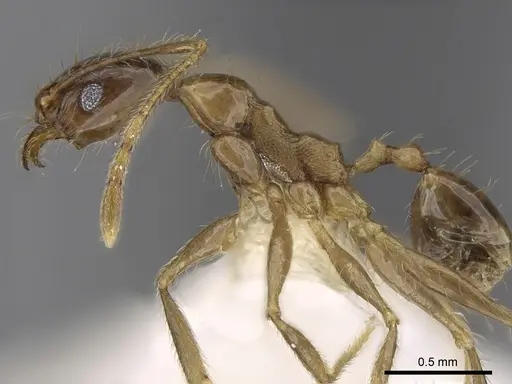
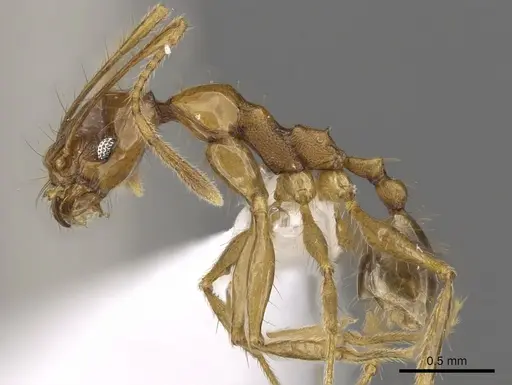
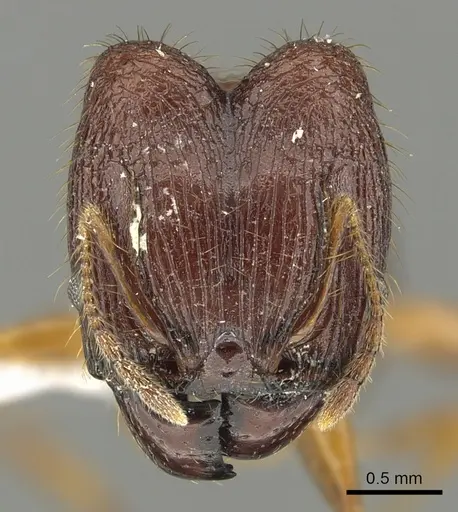
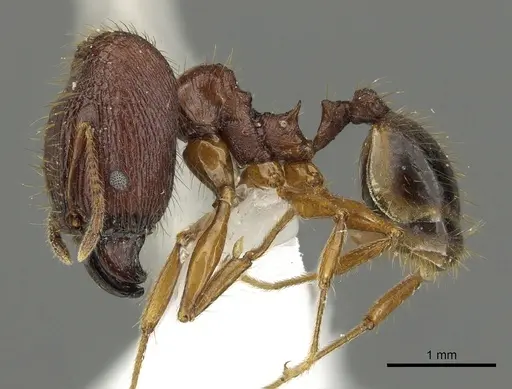
Pheidole cariniceps is a small to medium-sized ant species native to Southeast Asia, found across Borneo, Brunei, Indonesia, Malaysia, the Philippines, Singapore, and Thailand. Workers come in two sizes: majors (3.7-4.6mm) with their characteristic enlarged heads, and smaller minors (2.0-2.4mm). Their body coloration ranges from yellowish-brown to reddish-brown with a notably darker gaster. This species inhabits well-developed lowland and hill forests, nesting in the soil and living in leaf litter where they forage [1]. What makes P. cariniceps interesting is its versatility, it's a generalist species that thrives in various habitats from primary rainforests to rubber plantations, and it's one of the few Pheidole species documented to disperse seeds through myrmecochory, carrying seeds an average of 20cm from the parent plant [2].
Quick Summary
- Difficulty: Easy
- Origin & Habitat: Native to the Indomalaya region, Borneo, Brunei, Indonesia, Malaysia, Philippines, Singapore, and Thailand. Inhabits well-developed lowland and hill forests, nesting in soil and leaf litter [1]. Also found in rubber plantations and secondary forest areas [3][4].
- Colony Type: Colony structure is unconfirmed. Based on typical Pheidole genus patterns, likely single-queen (monogyne) colonies. No documented ergatoid replacement reproductives for this species.
- Size & Growth:
- Queen: Unconfirmed, no published queen measurements found. Based on related Pheidole species, likely 5-8mm.
- Worker: Major: 3.7-4.6mm, Minor: 2.0-2.4mm [5]
- Colony: Likely several hundred workers based on typical Pheidole colony sizes, exact maximum unconfirmed.
- Growth: Moderate, typical for Pheidole genus
- Development: Estimated 6-8 weeks at tropical temperatures (24-28°C) based on genus-level data for Pheidole species (Development time is estimated from related species, no specific study found for P. cariniceps)
- Antkeeping:
- Temperature: Keep at 24-28°C (warm tropical conditions). This species comes from warm, humid Southeast Asian forests and is active year-round. Room temperature within this range works well.
- Humidity: Keep substrate moderately moist. This is a leaf-litter species from tropical forests, aim for 60-80% humidity. Provide a water tube and keep the nest area damp but not waterlogged.
- Diapause: No, this is a tropical species from constant-warmth environments. No winter dormancy is required.
- Nesting: Prefers nests in soil or moist substrate. In captivity, a test tube setup works well for colonies, or a plaster/acrylic nest with moisture retention. They do well with moderate chamber space. Given their small size and leaf-litter habits, they don't need large spaces.
- Behavior: This is a generalist forager that actively searches leaf litter for food. Workers are moderate in size with good vision. They are not particularly aggressive toward keepers but will defend the nest. Escape risk is moderate, they can climb smooth surfaces but aren't exceptional escape artists. They forage both day and night [6] and are known to remove seeds, making them interesting for observing natural foraging behaviors. Majors are present in established colonies and help process larger food items.
- Common Issues: humidity management is key, too dry and colonies stagnate, too wet and mold becomes a problem, tropical species requires consistent warmth, cold temperatures below 20°C can slow or stop brood development, small colony stages are vulnerable, founding colonies need minimal disturbance, escape prevention should be adequate though not extreme, they are moderate climbers, wild-caught colonies may contain parasites that can decimate captive colonies
Housing and Nest Setup
Pheidole cariniceps does well in standard test tube setups for founding colonies. Once the colony reaches 20-30 workers, you can move them to a small formicarium or keep them in a test tube with a foraging area. This species nests in soil in the wild, so they appreciate a moist substrate in the nest chamber. A plaster nest or acrylic nest with moisture chambers works well. Since they're leaf-litter ants, they don't need elaborate tunnel systems, simple chambers with narrow connecting passages suit them fine. The key is maintaining humidity without flooding. A water tube connected to the nest area helps maintain moisture over time. For the outworld (foraging area), a simple plastic container works, just ensure escape prevention is in place, though they're not extreme escape artists like some tiny species. [1]
Feeding and Diet
Like most Pheidole species, P. cariniceps is a generalist omnivore. They accept protein sources like small insects (fruit flies, small crickets, mealworms) and will also consume sugar sources. In the wild, they're foragers in leaf litter and have been documented removing seeds, this is called myrmecochory, where ants help plants disperse their seeds [2]. In captivity, offer protein foods 2-3 times per week, and keep a sugar source (honey water or sugar water) available at all times. Given their small size, prey items should be appropriately sized, tiny insects work better than large prey. Remove any uneaten prey after 24-48 hours to prevent mold. Their minor workers are quite small (2.0-2.4mm), so very small prey items are appreciated.
Temperature and Seasonal Care
This is a tropical species from Southeast Asia, so warmth is important. Keep the nest area at 24-28°C. They come from regions with minimal temperature variation year-round, so no hibernation or diapause is needed. In fact, cold temperatures can be harmful, if your room drops below 20°C consistently, consider using a heating cable or heat mat on one side of the nest to maintain warmth. A temperature gradient allows the ants to choose their preferred warmth. Since they're found in both day and night active periods [6], consistent temperatures around the clock work well. Avoid placing the nest near air conditioning vents or drafty areas.
Colony Development
Pheidole colonies grow through the production of major workers (soldiers) in addition to minors. The majors have enlarged heads and develop once the colony reaches a certain size, this is typical Pheidole behavior. A founding queen will lay eggs and raise the first workers (called nanitics) alone, sealed in her founding chamber. Once the first workers emerge, they take over foraging and brood care. Colonies then grow progressively, typically reaching several hundred workers over time. The growth rate is moderate, not as fast as some tropical species but faster than many temperate ants. Patience is key during the founding stage. Majors typically appear when the colony has around 50-100 workers, though this varies. The presence of majors is a sign of a healthy, established colony.
Behavior and Foraging
Pheidole cariniceps is a generalist forager active in leaf litter. Studies show they're found in leaf litter both during the day and at night [6], making them interesting to observe at various times. They search for food in the leaf litter layer and are known to be seed dispersers, one of the more interesting behaviors documented for this species [2]. Workers are moderate in size and can climb smooth surfaces reasonably well, though they're not as good at escaping as very tiny species. They maintain clear nestmate recognition and will attack intruders. When threatened, they can bite, though their bite is mild for keepers. The presence of major workers in established colonies adds an interesting dynamic, majors help process larger food items and defend the nest.
Frequently Asked Questions
How long does it take for Pheidole cariniceps to produce first workers?
Based on typical Pheidole development, expect 6-8 weeks from egg to first worker at warm tropical temperatures (24-28°C). The queen seals herself in during founding and raises the first brood alone until workers emerge.
What do Pheidole cariniceps eat?
They are generalist omnivores. Offer small insects (fruit flies, pinhead crickets, small mealworms) for protein 2-3 times per week, and keep sugar water or honey available at all times. They've been documented dispersing seeds in the wild, showing their dietary flexibility.
Are Pheidole cariniceps good for beginners?
Yes, this species is rated as easy to keep. They're a hardy tropical species that doesn't require special hibernation care. The main requirements are maintaining warmth (24-28°C) and adequate humidity. Their small size and generalist diet make them manageable for new antkeepers.
How big do Pheidole cariniceps colonies get?
Exact maximum colony size is unconfirmed for this species, but based on typical Pheidole patterns, colonies likely reach several hundred workers. The presence of major workers (soldiers) appears when colonies reach moderate size.
Do Pheidole cariniceps need hibernation?
No. This is a tropical species from Southeast Asia where temperatures remain warm year-round. No diapause or hibernation period is required. Keep them warm consistently.
What temperature do Pheidole cariniceps need?
Keep them at 24-28°C (warm tropical conditions). This species comes from lowland and hill forests in Southeast Asia where temperatures are consistently warm. A heating cable on one side of the nest can help maintain warmth if your room is cooler.
Can I keep multiple Pheidole cariniceps queens together?
Not recommended. While colony structure is unconfirmed for this species, combining unrelated queens carries risks of fighting. Pheidole colonies are typically single-queen (monogyne). Start with one founding queen per setup.
When should I move Pheidole cariniceps to a formicarium?
You can keep them in test tubes for quite a while. Move to a formicarium or larger setup once the colony reaches 30-50 workers and the test tube setup feels cramped. They do well with simple nest setups that retain moisture.
Why is my Pheidole cariniceps colony not growing?
Check three things: temperature (should be 24-28°C), humidity (substrate should be moist but not waterlogged), and food quality. Cold temperatures below 20°C will stop brood development. Also ensure the queen is still laying eggs and the colony isn't stressed by excessive disturbance.
References

This caresheet is licensed under CC BY-SA 4.0 .
CASENT0281658
View on AntWeb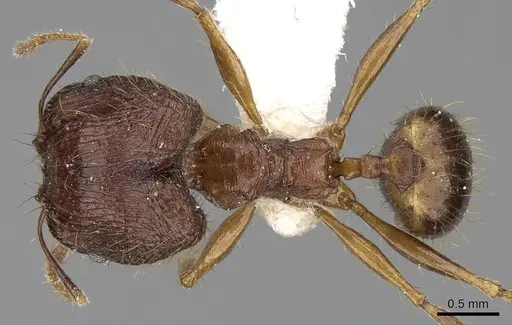
CASENT0281659
View on AntWeb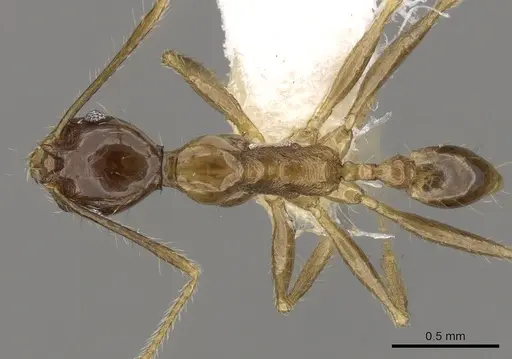
CASENT0901628
View on AntWeb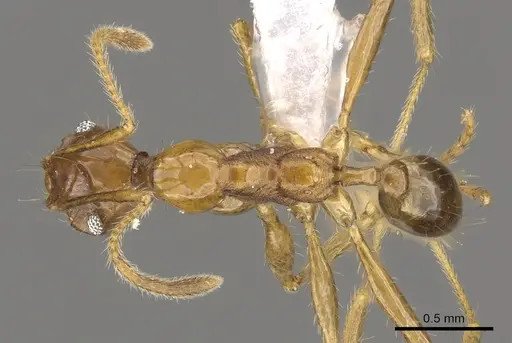
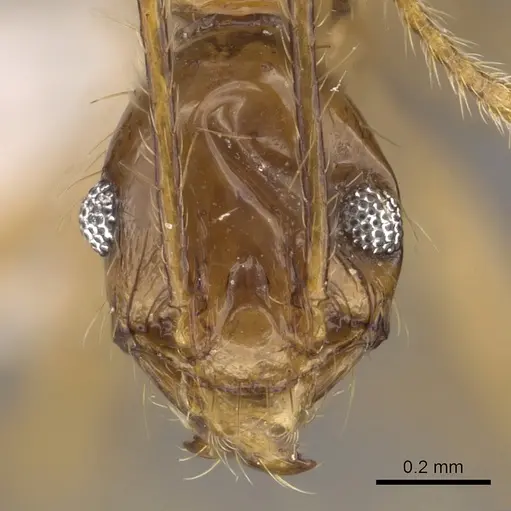
CASENT0901629
View on AntWeb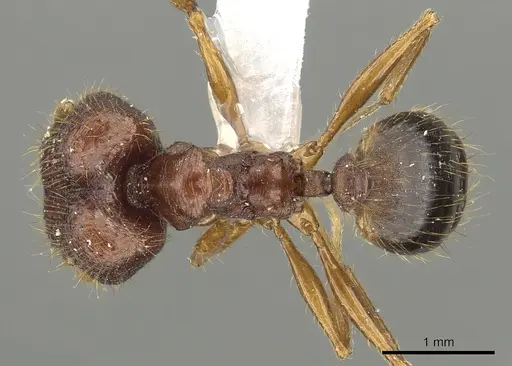
Literature
Loading...Loading products...