

Pheidole cardinalis
- Scientific Name
- Pheidole cardinalis
- Tribe
- Attini
- Subfamily
- Myrmicinae
- Author
- Wilson, 2003
- Distribution
- Found in 0 countries
Pheidole cardinalis Overview
Pheidole cardinalis is an ant species of the genus Pheidole. It is primarily documented in 0 countries . Detailed taxonomic data and occurrence records can be further explored via authoritative databases such as AntWeb or the Global Biodiversity Information Facility (GBIF).
Pheidole cardinalis
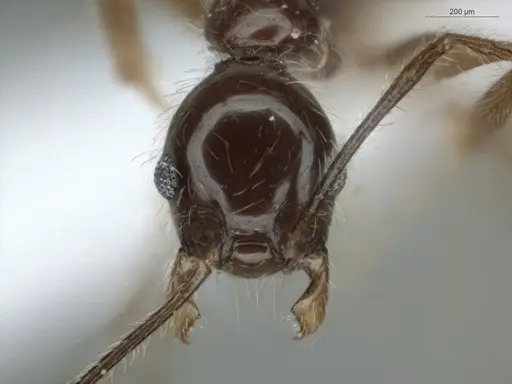
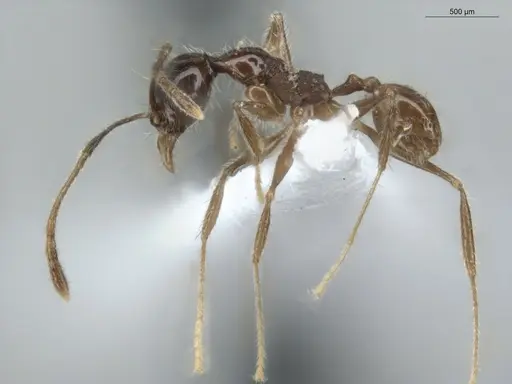
Pheidole cardinalis is a dimorphic ant species native to Brazil, belonging to the fallax group. Majors measure approximately 1.4mm head width with a distinctive brownish red (brick red) body and yellow appendages, while minors are smaller at 0.52mm head width with a lighter brown coloration. The species is only known from Serra Caraça in Minas Gerais, Brazil, at approximately 1380m elevation, where the type colony was collected from an earthen nest. This species is closely related to several other South American Pheidole including P. caribbaea, P. mantilla, and P. obscurior. The minor workers have a distinctive nuchal collar and reduced propodeal spines appearing as small denticles.
Quick Summary
- Difficulty: Unknown, limited captive care data available
- Origin & Habitat: Serra Caraça, Minas Gerais, Brazil at 1380m elevation. The type colony came from an earthen nest. Also recorded from Serra das Confusões National Park in Piauí, Brazil [1].
- Colony Type: Unconfirmed, colony structure has not been documented for this species. Many Pheidole species are monogyne (single queen), but some are polygyne.
- Size & Growth:
- Queen: Undocumented, no queen measurements available for this species
- Worker: Major: HW 1.40mm, HL 1.50mm. Minor: HW 0.52mm, HL 0.74mm
- Colony: Unknown, no colony size data available
- Growth: Unknown, no development data available
- Development: Estimated 6-8 weeks based on typical Pheidole development patterns at tropical temperatures (Development timeline is estimated from genus-level data, no species-specific studies exist)
- Antkeeping:
- Temperature: Based on Brazilian distribution, aim for 22-28°C with a gentle gradient. Room temperature in most homes should work well.
- Humidity: Keep nest substrate moderately moist. Brazilian ants from higher elevations typically prefer conditions that are damp but not waterlogged.
- Diapause: Likely minimal or no diapause given the tropical/subtropical origin. However, seasonal slowdowns during cooler months may occur.
- Nesting: Type colony was from an earthen nest. In captivity, a naturalistic setup with soil or a Y-tong/plaster nest with moist substrate would likely work well.
- Behavior: Behavior has not been specifically documented for this species. Pheidole ants are typically seed-harvesting and granivorous, with majors using their large heads to crack seeds. They are generally non-aggressive but will defend the nest. Major workers can deliver a mild sting. Escape prevention should be moderate, they are not among the smallest ants but can still fit through small gaps.
- Common Issues: limited availability, this species is rarely kept in captivity and may be difficult to acquire, no species-specific care information exists, keepers must rely on genus-level guidance, growth rate is unknown so patience may be required, wild-caught colonies may harbor parasites or diseases, distribution is very limited so requeening from local sources may not be possible
Nest Preferences and Housing
The type colony was collected from an earthen nest in Serra Caraça, Minas Gerais, Brazil at 1380m elevation. This suggests they naturally nest in soil, likely in shaded forest environments. For captive care, a naturalistic setup with a soil chamber works well for Pheidole species. Alternatively, Y-tong (acrylic) nests or plaster nests with moist substrate can provide appropriate humidity control. The nest should have chambers scaled to the colony size, minors are quite small at around 0.5mm, so the setup should maintain adequate humidity without flooding. A water reservoir connected to the nest helps maintain consistent moisture levels.
Feeding and Diet
Pheidole cardinalis has not been specifically studied for diet, but most Pheidole species are granivorous seed-harvesting ants that also supplement their diet with protein from insects. The major workers have large heads adapted for cracking seeds. In captivity, offer a mix of seeds (grass seeds, millet, cracked sunflower hearts) as a staple, along with protein sources like small insects (fruit flies, small mealworms, crickets) or commercial ant jelly. Sugar water or honey can also be offered occasionally. Feed seeds constantly and protein 2-3 times per week, adjusting based on colony consumption.
Temperature and Seasonal Care
Based on the species' origin in southeastern Brazil (Minas Gerais), these ants likely prefer warm conditions. Aim for temperatures between 22-28°C, which is typical room temperature in many homes. A heating cable on one side of the nest can create a gradient if your home runs cool. Given the elevation of 1380m where the type was collected, they may tolerate slightly cooler conditions than lowland tropical ants. No specific diapause requirements have been documented, the tropical origin suggests year-round activity is appropriate. However, you may observe reduced activity during winter months if your home temperature drops. [1]
Colony Structure and Development
Pheidole cardinalis is a dimorphic species with distinct major and minor worker castes. The major workers have significantly larger heads (HW 1.40mm) compared to minors (HW 0.52mm), which is characteristic of the genus. The colony structure (monogyne vs polygyne) has not been documented for this species. Queen size is unconfirmed as no queen measurements were provided in the original description. Based on typical Pheidole patterns, founding is likely claustral, the queen seals herself in and raises the first brood alone on stored fat reserves. Development from egg to worker likely takes 6-8 weeks at optimal temperatures, but no species-specific data exists.
Frequently Asked Questions
How long does it take for Pheidole cardinalis to produce first workers?
The exact timeline is unknown for this species. Based on typical Pheidole development patterns, expect approximately 6-8 weeks from egg to first worker at warm temperatures (24-28°C). Patience is required as this species is slow-growing and rarely kept in captivity.
What do Pheidole cardinalis ants eat?
They likely follow typical Pheidole diet, seeds (granivorous), insects for protein, and occasionally sugar sources. Offer a seed mix, small insects, and honey or sugar water. Remove uneaten food to prevent mold.
Are Pheidole cardinalis good for beginners?
This species is not recommended for beginners. It is rarely kept in captivity, and no species-specific care guides exist. Limited availability and lack of documented care information make it challenging even for experienced antkeepers.
How big do Pheidole cardinalis colonies get?
Colony size is unknown for this species. Many Pheidole colonies can reach several hundred to a few thousand workers, but no data exists for P. cardinalis specifically.
What temperature should I keep Pheidole cardinalis at?
Based on their Brazilian origin, aim for 22-28°C. Room temperature in most homes should suffice. A slight gradient allowing warmer and cooler areas within the nest is beneficial.
Can I keep multiple queens together?
Colony structure is unconfirmed for this species. Many Pheidole are monogyne (single queen), but some are polygynous. Without documented information, keeping a single queen is the safest approach.
Do they need hibernation?
Diapause requirements are unconfirmed. Given the tropical/subtropical origin from Brazil, hibernation is likely not necessary. Year-round warm conditions are probably appropriate.
Why is this species so rarely kept?
Pheidole cardinalis is only known from a limited area in Brazil (Serra Caraça, Minas Gerais) with one additional record in Piauí. Limited distribution and lack of documented captive breeding make this species rare in the antkeeping hobby.
References

This caresheet is licensed under CC BY-SA 4.0 .
ECOFOG-MI15-0420-36-S
View on AntWeb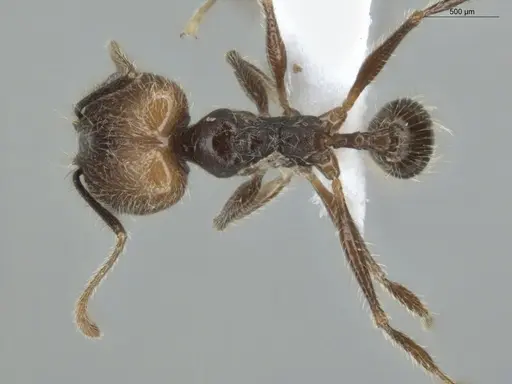
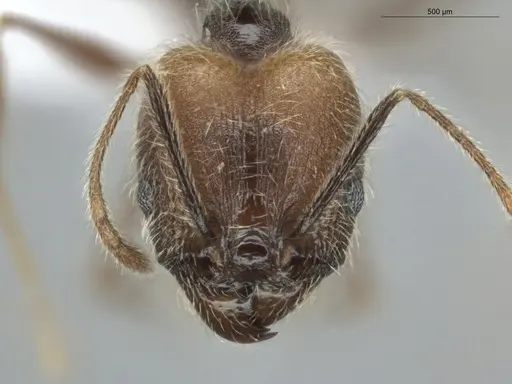
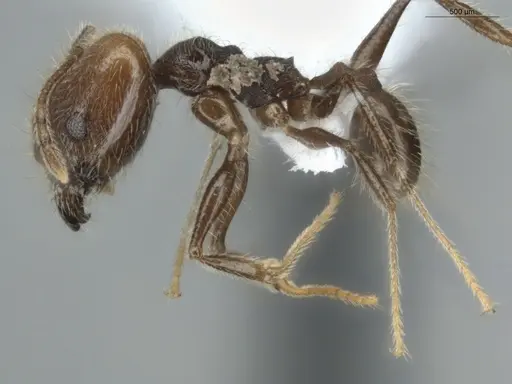
ECOFOG-MI15-0420-36
View on AntWeb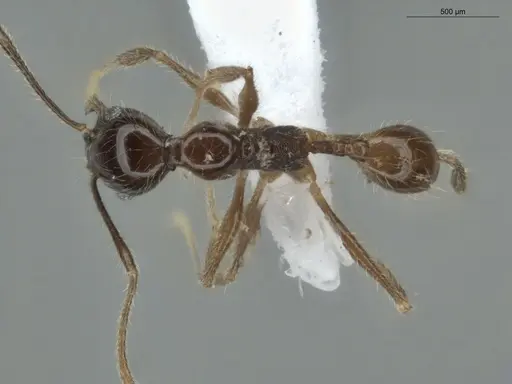
Literature
Loading...Loading products...