

Pheidole carapuna
- Scientific Name
- Pheidole carapuna
- Tribe
- Attini
- Subfamily
- Myrmicinae
- Author
- Mann, 1916
- Distribution
- Found in 12 countries
Pheidole carapuna Overview
Pheidole carapuna is an ant species of the genus Pheidole. It is primarily documented in 12 countries , including Brazil, Colombia, Costa Rica. Detailed taxonomic data and occurrence records can be further explored via authoritative databases such as AntWeb or the Global Biodiversity Information Facility (GBIF).
Pheidole carapuna
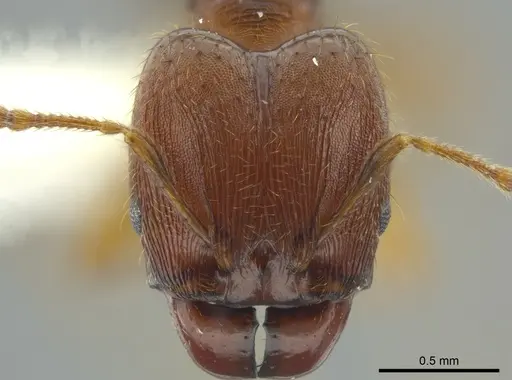
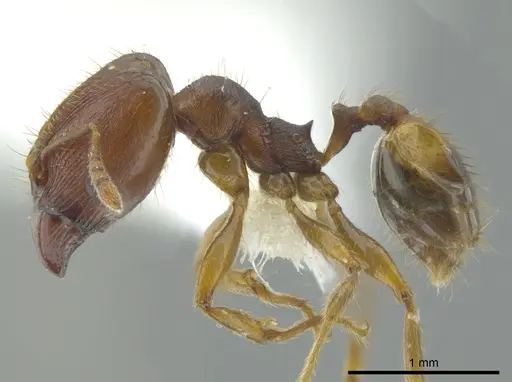
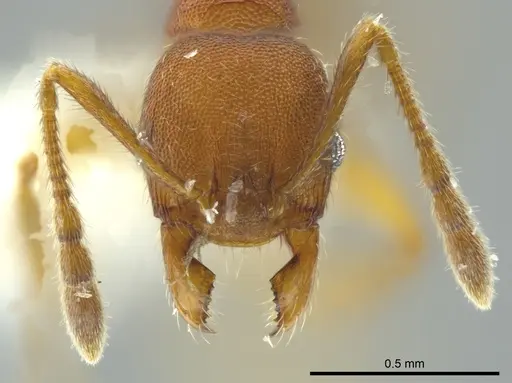
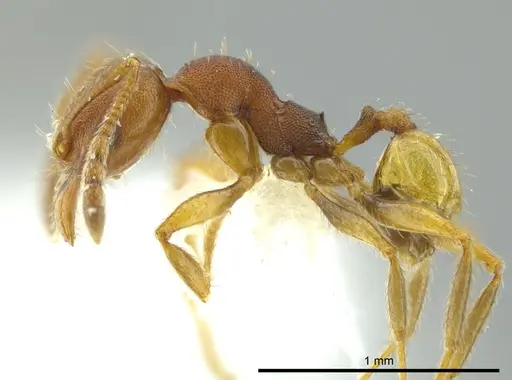
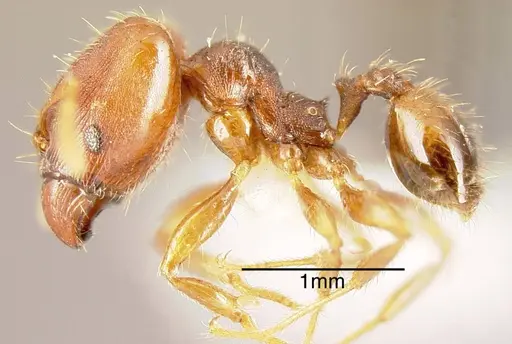
Pheidole carapuna is a small dimorphic ant belonging to the 'carapuna complex', a group of closely related species that can be tricky to tell apart. The major workers have the characteristic big heads that give Pheidole their nickname of 'big-headed ants, ' while minor workers are much smaller and slender. Majors are a rich brownish-red color while minors are a pale yellow, creating quite a contrast within the same colony. This species measures quite small, majors reach about 1.08mm head width while minors are only around 0.48mm [1].
These ants are found across the Neotropics, from Mexico down through Central America into Peru and Brazil. They live in lowland rainforest environments, nesting in rotting wood and humus on the forest floor. What makes them interesting is their nocturnal foraging behavior, workers have been observed recruiting nestmates at night to large prey items like dead flies on tree trunks. They are considered a rare species and are flood-intolerant, which tells you something about their microhabitat preferences [2].
Quick Summary
- Difficulty: Medium
- Origin & Habitat: Lowland rainforest of Central and South America, from Mexico through Costa Rica, Panama, Colombia, Venezuela, Guyana, Peru, and Brazil. They nest under bark of rotting logs and in humus on the forest floor [3].
- Colony Type: Likely single-queen colonies (monogyne) based on typical Pheidole genus patterns. Colony size appears modest given their small size and rarity.
- Colony: Monogyne
- Founding: Claustral
- Size & Growth:
- Queen: Approximately 6-7mm estimated based on genus patterns
- Worker: Major: 1.08mm head width, Minor: 0.48mm head width [1]
- Colony: Unknown for this specific species, but typical Pheidole colonies reach hundreds of workers
- Growth: Moderate, estimated based on related species
- Development: 6-10 weeks estimated based on typical Pheidole development at tropical temperatures (Development time is estimated, actual timing may vary based on temperature and humidity conditions)
- Antkeeping:
- Temperature: Keep at 24-28°C, these are tropical rainforest ants that need warmth. A heating cable on one side of the nest creates a suitable gradient [3].
- Humidity: High humidity is essential. Keep the nest substrate consistently moist but not waterlogged, think damp forest floor. Provide a water tube as a drinking source [3].
- Diapause: No, as a tropical species, they do not require hibernation. Keep them at warm temperatures year-round.
- Nesting: They naturally nest in rotting wood and humus. In captivity, a Y-tong (AAC) nest or plaster nest works well. The chambers should be appropriately sized for their small size. Avoid dry conditions, they need moisture-retaining substrate.
- Behavior: These ants are relatively peaceful and not aggressive. They are dimorphic, you will see both large major workers with their distinctive big heads and smaller minor workers. Majors specialize in seed processing and defense while minors handle most foraging and brood care. Workers forage primarily at night and will recruit nestmates to large food sources. They are not known for being particularly escape-prone, but use standard barriers anyway. They have a minor stinger but are too small to cause any pain to humans.
- Common Issues: high humidity maintenance is critical, drying out can kill colonies quickly, flood intolerance means avoid overwatering or placing nests in areas prone to water exposure, their rarity in the wild means wild-caught colonies may be difficult to find, small minor workers can escape through fine gaps if barrier quality is poor
Housing and Nest Setup
Pheidole carapuna is a small rainforest ant that needs a moist, warm environment. A Y-tong (acrylic) nest or plaster formicarium works well, both hold humidity better than wooden nests. The nest chambers should be appropriately sized for their small body size, with passages that allow easy movement between rooms. Place the nest in a dark area or cover it with an opaque cover since these ants prefer dim conditions like their forest floor habitat. An outworld (foraging area) attached to the nest lets you offer food without disturbing the colony. Use a water tube as a constant moisture source, these ants need access to drinking water. [3]
Feeding and Diet
Like most Pheidole species, these ants are omnivorous with a preference for seeds and protein. Offer small seeds (millet, chia, sesame) which majors can process with their powerful jaws. Protein sources like small insects (fruit flies, pinhead crickets, mealworms) should be offered regularly, especially important for colony growth. They will also accept sugar sources like honey water or sugar water, though protein is more important for a developing colony. Feed every 2-3 days, removing any uneaten food to prevent mold. Workers forage at night, so evening feedings may get better response.
Temperature and Humidity
These are tropical ants requiring warm, humid conditions. Maintain temperatures between 24-28°C, use a heating cable on one side of the nest if your room is cooler. Humidity should be high (70-80%) with consistently moist substrate. The nest should never dry out. You can achieve this by using a water tube connected to the nest or by misting the substrate regularly. A moisture gradient is ideal, some areas slightly damper than others lets the ants choose their preferred spot. Monitor condensation on the nest as an indicator of humidity levels. [3]
Behavior and Colony Dynamics
This is a dimorphic species with distinct major and minor workers. Minor workers handle most tasks, foraging, caring for brood, and building. Major workers have specialized roles too, their large heads contain powerful muscles for crushing seeds and defending the colony. You will often see majors near the nest entrance or responding to threats. Workers are nocturnal foragers, so expect most activity in the evening and night hours. They will recruit nestmates to large food finds using chemical trails. The colony should grow steadily with proper feeding, majors typically appear after the colony reaches a few dozen workers. [2]
Seasonal Care
As a tropical species, Pheidole carapuna does not require hibernation or diapause. Keep temperatures consistent year-round. The colony may slow slightly during cooler months but should remain active if kept warm. Do not reduce feeding dramatically, they need constant protein for brood development. If you live in a temperate climate, be extra careful in winter to maintain proper temperature and humidity. Avoid placing the setup near air conditioning vents or drafty windows.
Frequently Asked Questions
How long does it take for Pheidole carapuna to get their first workers?
Expect first workers (nanitics) approximately 6-10 weeks after the queen lays eggs, assuming temperatures around 26°C. This is an estimate based on related Pheidole species, actual timing depends on temperature, humidity, and feeding.
Can I keep multiple Pheidole carapuna queens together?
Not recommended. Like most Pheidole, this species likely forms single-queen colonies. Combining unrelated foundress queens typically results in fighting. If you acquire a colony, assume it has one queen.
What do Pheidole carapuna ants eat?
They are omnivorous. Offer small seeds (millet, sesame, chia) for the major workers to process, protein sources like fruit flies or small insects 2-3 times weekly, and sugar water or honey as an energy source. Protein is especially important for colony growth.
Are Pheidole carapuna good for beginners?
They are rated as medium difficulty. The main challenges are maintaining high humidity and providing proper nutrition. If you have experience with other Pheidole or small tropical ants, this species is manageable.
What temperature do Pheidole carapuna need?
Keep them at 24-28°C. Use a heating cable on part of the nest if your room temperature is below this range. Consistent warmth is important for brood development.
When should I move Pheidole carapuna to a formicarium?
You can keep them in a test tube setup initially. Move to a proper nest (Y-tong, plaster, or naturalistic) once the colony reaches 30-50 workers and you see them struggling with space or humidity management.
Why are my Pheidole carapuna dying?
The most common causes are: colony too dry (humidity too low), temperatures too cold, or poor nutrition. Check that the substrate stays moist, temperatures are in the 24-28°C range, and you are offering enough protein. Also ensure the nest has proper ventilation to prevent mold.
How big do Pheidole carapuna colonies get?
Exact colony size is unknown for this species, but based on typical Pheidole patterns, expect several hundred workers at maturity. They are considered rare, so colonies may stay smaller than more common species.
Do Pheidole carapuna need hibernation?
No. As a tropical rainforest species from Central and South America, they do not require hibernation. Keep them warm and active year-round.
References

This caresheet is licensed under CC BY-SA 4.0 .
CASENT0612022
View on AntWeb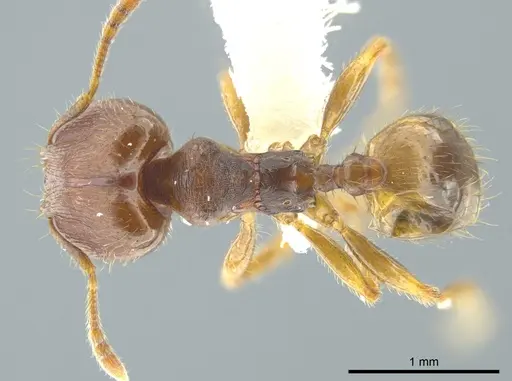
CASENT0612023
View on AntWeb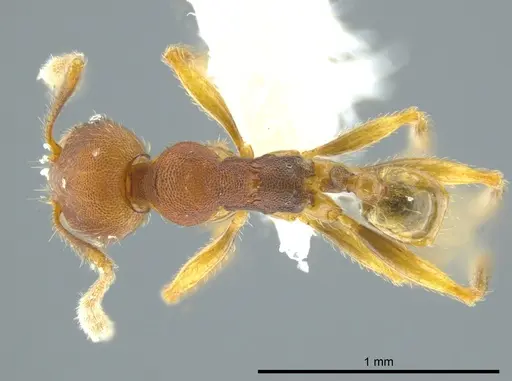
CASENT0635448
View on AntWeb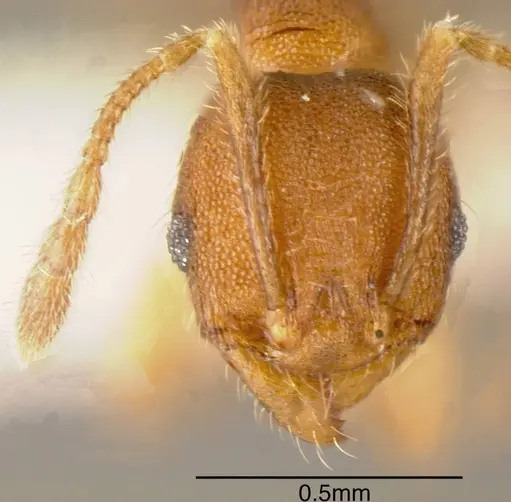
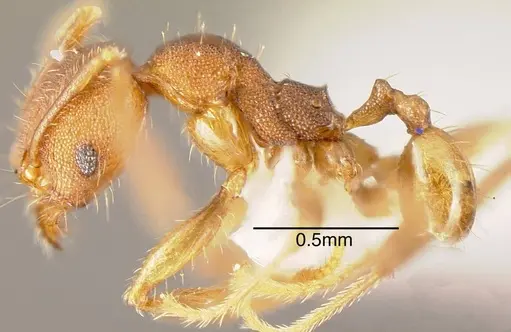
INBIOCRI002279593
View on AntWeb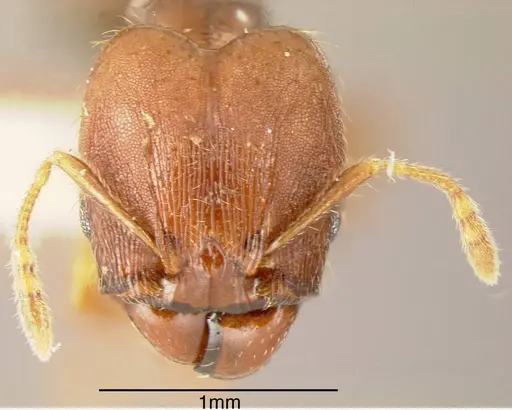
Literature
Loading...Loading products...