

Pheidole caracalla
- Scientific Name
- Pheidole caracalla
- Tribe
- Attini
- Subfamily
- Myrmicinae
- Author
- Wilson, 2003
- Distribution
- Found in 1 countries
Pheidole caracalla Overview
Pheidole caracalla is an ant species of the genus Pheidole. It is primarily documented in 1 countries , including Peru. Detailed taxonomic data and occurrence records can be further explored via authoritative databases such as AntWeb or the Global Biodiversity Information Facility (GBIF).
Pheidole caracalla
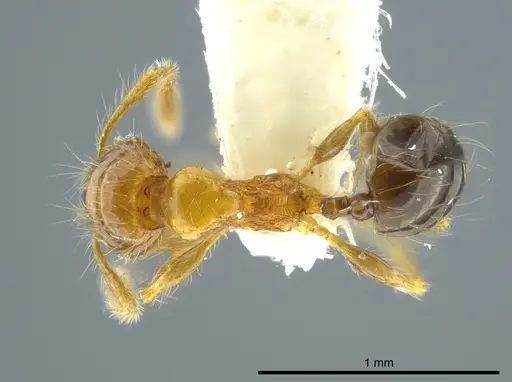
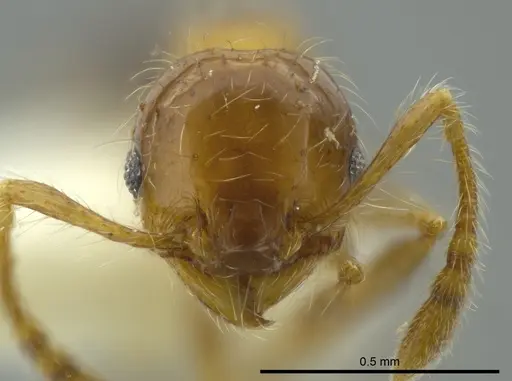
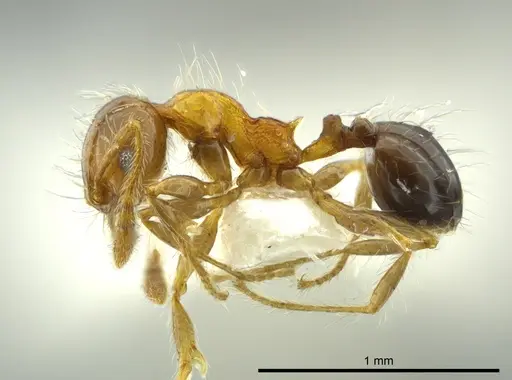
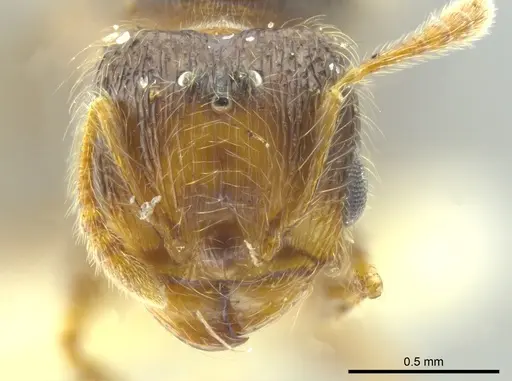
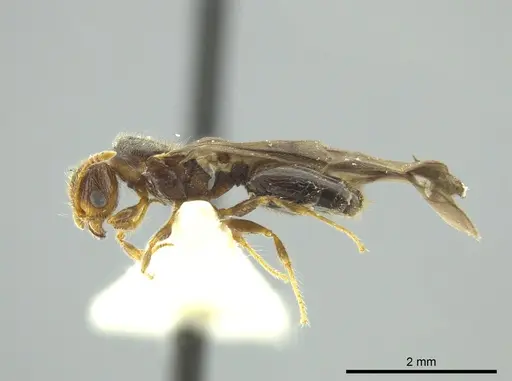
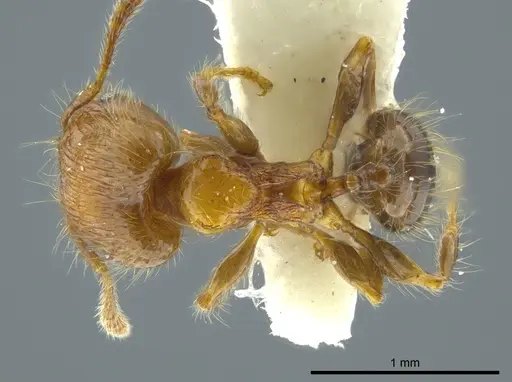
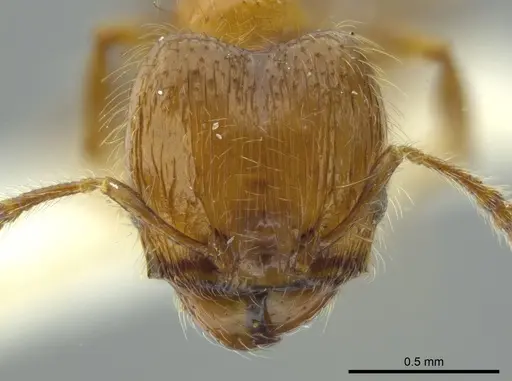
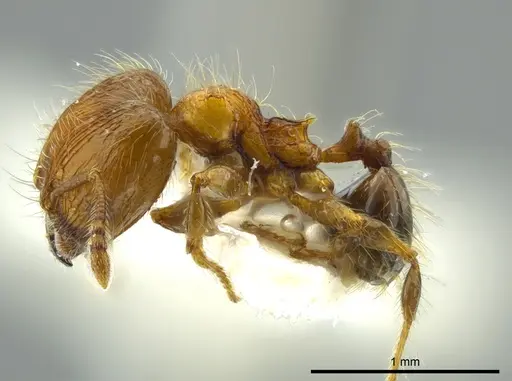
Pheidole caracalla is a small Neotropical ant species described by Wilson in 2003. It features the characteristic Pheidole dimorphism with distinct major and minor workers. Majors have a light reddish-brown head and mesosoma with a dark brown gaster, while minors are medium reddish yellow with dark gasters. The species gets its name from the dense, long pilosity (hairs) covering its body, reminiscent of a hooded cloak. This is a rarely collected species known only from a handful of specimens in Ecuador and Peru.
Quick Summary
- Difficulty: Unknown, limited data available
- Origin & Habitat: Neotropical region, Ecuador and Peru. Known from tropical rainforest areas including Yasuni National Park in Ecuador and Tingo Maria in Peru[1].
- Colony Type: Colony structure is unconfirmed. Like most Pheidole species, likely single-queen (monogyne) colonies with major and minor worker castes.
- Size & Growth:
- Queen: Unknown, not measured in original description
- Worker: Major workers: 0.90mm head width, Minor workers: 0.52mm head width
- Colony: Unknown, no colony size data available
- Growth: Unknown, no development data available
- Development: Unknown, estimated 6-10 weeks based on typical Pheidole genus patterns at tropical temperatures (No direct development studies exist for this species. Estimates based on related Neotropical Pheidole species.)
- Antkeeping:
- Temperature: Keep warm, roughly 24-28°C. This species comes from tropical lowland rainforest areas of Ecuador and Peru where temperatures are consistently warm year-round.
- Humidity: High humidity preferred, aim for 70-80% relative humidity. These ants inhabit tropical rainforest environments with consistent moisture.
- Diapause: Unlikely, being a tropical species, they probably do not require a diapause period. However, some reduction in activity during cooler months may occur.
- Nesting: No specific nesting data exists. Most Pheidole species nest in soil or rotting wood in forest floor habitats. A naturalistic setup with moist substrate or a Y-tong/plaster nest works well for related species.
- Behavior: Little is known about this species' behavior. Pheidole ants in general are not aggressive and are primarily seed-harvesters or scavengers, though some are predatory. The presence of major workers suggests they can crack seeds. They are likely active foragers with minor workers doing most of the foraging while majors defend the colony. Their small size (minor workers only 0.52mm) means escape prevention is critical, they can slip through tiny gaps.
- Common Issues: limited data makes care recommendations uncertain, adjust based on colony behavior, tiny minor workers require fine mesh barriers to prevent escapes, high humidity needs can lead to mold if ventilation is poor, tropical species may not tolerate temperatures below 20°C, no specific diet information, start with standard Pheidole offerings
Species Identification and Morphology
Pheidole caracalla is a dimorphic species with distinct major and minor workers. Major workers measure approximately 0.90mm in head width (HW) with a matching head length (HL) of 0.90mm. Their body is light reddish-brown except for the gaster, which is dark brown. Minor workers are much smaller at 0.52mm HW and 0.54mm HL, with a medium reddish-yellow coloration and dark brown gaster. The species is characterized by notably dense, long pilosity (body hairs), many hairs are 1.5 times the eye length or longer, particularly on the mesosoma, waist, and gaster. This dense hair covering inspired the species name 'caracalla, ' referring to the Roman hooded cloak. The propodeal spines are robust and moderately long, and the petiolar node is thick with a broadly rounded apex.
Distribution and Habitat
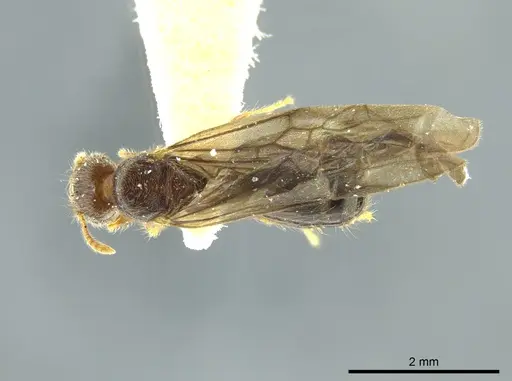
This species has an extremely limited known distribution. The type locality is Tingo Maria in the Huánaco region of Peru. It has also been recorded from Yasuni National Park in Ecuador. Both locations are in the Amazonian Neotropical region, Yasuni is in the Ecuadorian Amazon and is one of the most biodiverse areas on Earth. Winged queens have been collected in March at the type locality and in April in Yasuni National Park, suggesting the nuptial flight season falls in the first half of the year[1].
Nest Preferences and Housing
No direct observations of this species' nesting habits exist in the scientific literature. However, based on typical Pheidole ecology, they likely nest in soil, under stones, or in rotting wood on the tropical forest floor. For captive care, a naturalistic setup with moist substrate works well, or a Y-tong/plaster nest that maintains humidity. The nest should have chambers scaled to their small size. Because minor workers are only 0.52mm, escape prevention must be excellent, use fine mesh and tight-fitting barriers. Provide a water tube and ensure the nest substrate stays consistently moist but not waterlogged.
Feeding and Diet
No specific dietary studies exist for P. caracalla. Like most Pheidole species, they are likely omnivorous with a preference for seeds (they have the characteristic major workers adapted for seed-cracking) and will scavenge on dead insects or tend aphids for honeydew. Start with a varied diet: offer small seeds appropriate to their size, protein sources like small insects or mealworms, and sugar water or honey occasionally. Pheidole species typically prefer protein-rich foods when raising brood. Feed every 2-3 days and remove uneaten food to prevent mold.
Temperature and Seasonal Care
As a Neotropical species from lowland Amazonian areas, P. caracalla requires warm temperatures. Keep the nest area at roughly 24-28°C. They are unlikely to need a true diapause (winter rest) since their native habitat has minimal seasonal temperature variation. However, if room temperatures drop significantly below 20°C during winter, consider using a gentle heat source like a heating cable on one side of the nest to maintain warmth. Avoid temperature fluctuations and drafts. High humidity of 70-80% should be maintained to mimic their tropical forest floor environment.
Behavior and Colony Dynamics
Very little is documented about this species' specific behaviors. Pheidole ants generally have colonies with major and minor workers where majors specialize in seed-crushing and colony defense while minors handle most foraging and brood care. The presence of major workers in this species confirms they follow the typical Pheidole social structure. Queens have been found winged in March and April, suggesting nuptial flights occur during the first half of the year in their native range. Colonies likely grow gradually, expect slow initial growth during the claustral founding phase if you obtain a queen.
Frequently Asked Questions
How long does it take for Pheidole caracalla to produce first workers?
The exact timeline is unknown as no development studies exist for this species. Based on typical Pheidole genus patterns in tropical conditions, expect approximately 6-10 weeks from egg to first worker. Growth will likely be slower than temperate species due to the warm, stable conditions they require.
What do Pheidole caracalla ants eat?
No species-specific dietary data exists. Based on typical Pheidole behavior, they likely eat seeds, small insects, and may tend aphids for honeydew. Offer a varied diet including small seeds, protein sources like small insects or mealworms, and occasional sugar water. Remove uneaten food promptly.
Can I keep multiple Pheidole caracalla queens together?
This has not been documented for this specific species. Most Pheidole species are monogyne (single-queen colonies). Do not attempt to combine unrelated foundress queens, they will likely fight. If you obtain a colony, assume single-queen structure unless you observe multiple egg-laying queens.
What temperature should I keep Pheidole caracalla at?
Keep them warm at 24-28°C. This tropical species comes from the Amazonian lowlands of Ecuador and Peru where temperatures are consistently warm year-round. Avoid temperatures below 20°C. A heating cable on one side of the nest can help maintain warmth.
Do Pheidole caracalla need hibernation or diapause?
Unlikely. As a tropical species from the Amazon basin, they do not experience cold winters that would trigger diapause. They should be kept at warm, stable temperatures year-round. Some reduction in activity during cooler months may occur naturally.
How big do Pheidole caracalla colonies get?
Colony size is unknown for this species. Most Pheidole species produce colonies ranging from several hundred to a few thousand workers. Given their limited distribution and rare collection, colonies are likely moderate-sized rather than supercolonial.
Are Pheidole caracalla good for beginners?
This species cannot be recommended for beginners due to the extremely limited data available. There is no established husbandry knowledge for this species, and care recommendations are largely inferred from related Pheidole species. If you are experienced with Neotropical ants and comfortable adapting care based on colony behavior, this could be an interesting species to keep.
When do Pheidole caracalla queens fly?
Winged queens have been collected in March at the type locality in Peru and in April in Yasuni National Park, Ecuador. This suggests nuptial flights occur during the first half of the year, likely corresponding to the wet season in their native range.
What size nest should I use for Pheidole caracalla?
Use a nest with small chambers scaled to their tiny minor workers (0.52mm). A Y-tong or plaster nest works well for maintaining humidity. Ensure excellent escape prevention, their small size means they can slip through standard gaps. Fine mesh barriers are essential.
References

This caresheet is licensed under CC BY-SA 4.0 .
Literature
Loading...Loading products...