

Pheidole capillata
- Scientific Name
- Pheidole capillata
- Tribe
- Attini
- Subfamily
- Myrmicinae
- Author
- Emery, 1906
- Distribution
- Found in 2 countries
Pheidole capillata Overview
Pheidole capillata is an ant species of the genus Pheidole. It is primarily documented in 2 countries , including Brazil, Peru. Detailed taxonomic data and occurrence records can be further explored via authoritative databases such as AntWeb or the Global Biodiversity Information Facility (GBIF).
Pheidole capillata
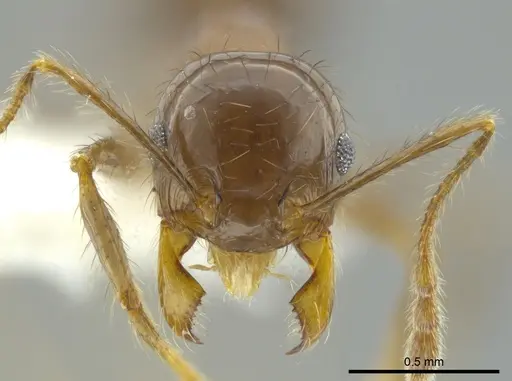
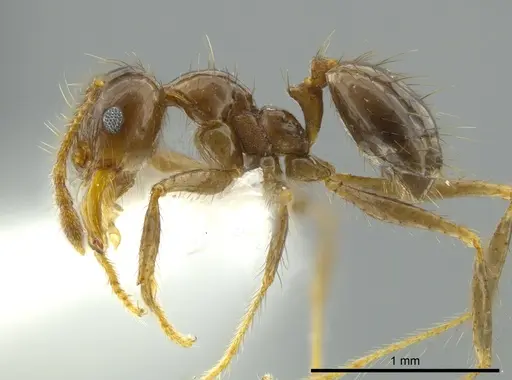
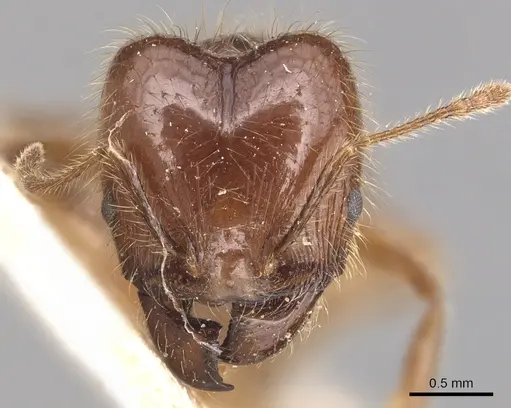
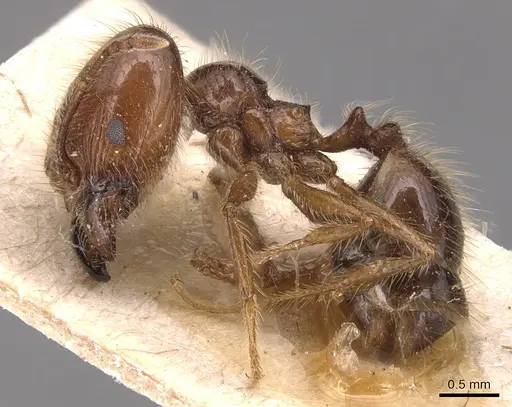
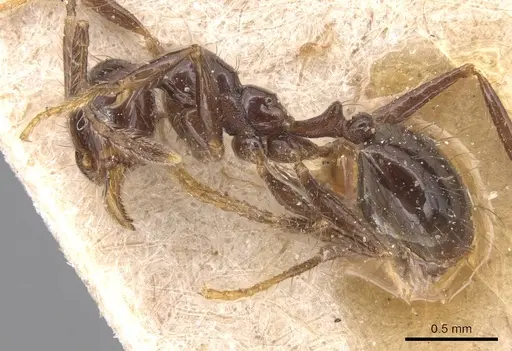
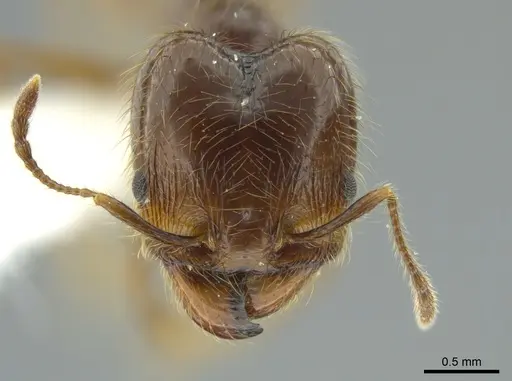
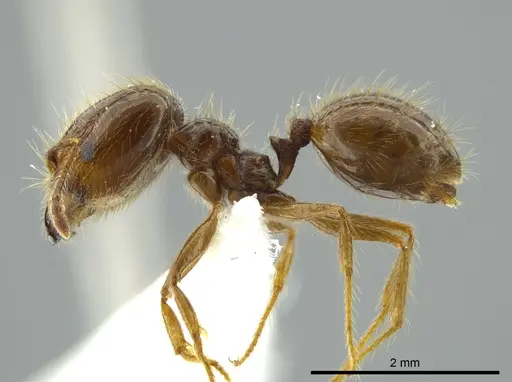
Pheidole capillata is a Neotropical ant species native to South America, found in Brazil and Peru. As with all Pheidole species, they have two worker castes: large major workers (soldiers) with notably enlarged heads, and smaller minor workers that handle most day-to-day tasks. Majors measure around 1.56mm head width, while minors are much smaller at around 0.64mm. The species gets its name 'capillata' meaning 'hairy' from the Latin. Their body is mostly light yellowish brown with a reddish tint, and they have short propodeal spines that appear as thick denticles. These ants nest in heavy clay soil in open grassy areas, avoiding dense rainforest. Workers are most active during cloudy days and at dawn and dusk, showing a preference for foraging during cooler parts of the day.
Quick Summary
- Difficulty: Medium
- Origin & Habitat: Native to the Neotropical region, specifically Goias and Mato Grosso in Brazil, and Madre de Dios and San Martin in Peru. They inhabit grassy clearings near rivers like the Madre de Dios, nesting in heavy clay soil. Unlike many tropical ants, they avoid dense rainforest and are found in more open, disturbed areas including Eucalyptus plantations and cerrrado vegetation [1][2][3].
- Colony Type: Colony structure is unconfirmed, Pheidole species are typically monogyne (single queen) but multi-queen colonies have been documented in some species of this genus.
- Size & Growth:
- Queen: Unconfirmed, likely 6-8mm based on typical Pheidole genus patterns
- Worker: Major workers: 1.56mm HW (head width), Minor workers: 0.64mm HW
- Colony: Likely several hundred workers based on typical Pheidole colony sizes
- Growth: Moderate, inferred from related species in the genus
- Development: Estimated 6-8 weeks based on typical Pheidole development patterns at tropical temperatures (Development time is estimated from genus-level data since species-specific studies are unavailable. Tropical environment suggests faster development than temperate species.)
- Antkeeping:
- Temperature: Keep at 24-28°C, these are tropical ants from the Amazon region that prefer warm conditions. A heating cable on one side of the nest creates a temperature gradient allowing workers to self-regulate.
- Humidity: Moderate to high humidity around 60-80%. Their natural habitat in clay soil near rivers suggests they prefer consistently moist substrate. Keep the nest substrate damp but not waterlogged.
- Diapause: No, as a tropical species, they do not require hibernation. However, slight temperature reductions during cooler months may be beneficial.
- Nesting: Y-tong (acrylic) nests or plaster nests work well. They naturally nest in clay soil, so a nest with some soil-like material or moist substrate is preferred. Avoid completely dry environments.
- Behavior: These ants are not aggressive and typically flee from threats rather than engage. Major workers (soldiers) use their enlarged heads for seed crushing and colony defense but are not effective stingers. Workers are most active during cooler parts of the day, dawn, dusk, and cloudy conditions, which suggests they avoid high temperatures. They forage on the ground surface and likely recruit nestmates to food sources through chemical trails. Escape prevention should be moderate, while not the smallest ants, they can still squeeze through small gaps.
- Common Issues: tropical species may struggle in air-conditioned rooms or cold climates without supplemental heating, colonies may become inactive if temperatures drop below 20°C, wild-caught colonies may carry parasites that can devastate captive colonies, overfeeding can lead to mold problems in the nest, minor workers are small and can escape through standard test tube barriers if not careful
Housing and Nest Preferences
Pheidole capillata does well in Y-tong (acrylic) nests or plaster nests that can hold some moisture. In the wild, they nest in heavy clay soil in grassy clearings, so a nest setup that allows for some damp substrate mimics their natural conditions. A test tube setup works for founding colonies, fill a test tube with water and cotton, then place the queen in a dark area. Once the colony reaches 20-30 workers, you can move them to a proper formicarium. These ants don't need elaborate setups, they do fine in standard acrylic nests as long as humidity is maintained. Make sure the outworld (foraging area) is escape-proof, as minor workers are small enough to slip through gaps in poorly sealed setups.
Feeding and Diet
Pheidole species are generalist omnivores that accept a wide variety of foods. In captivity, offer protein sources like small insects (fruit flies, pinhead crickets, mealworms) and sugar sources (honey water, sugar water). They likely tend aphids for honeydew in the wild, so providing a sugar water constant is beneficial. Feed them small prey items 2-3 times per week, removing any uneaten food within 24 hours to prevent mold. Major workers can handle larger prey items thanks to their powerful mandibles, but minor workers will scavenge from what the majors process. A varied diet helps promote healthy colony growth.
Temperature and Seasonal Care
As a tropical species from the Amazon region, Pheidole capillata requires warm temperatures to thrive. Keep the nest area between 24-28°C (75-82°F). Temperatures below 20°C can cause the colony to become sluggish and may slow or stop brood development. A small heating cable or heat mat placed on one side of the nest creates a gradient that lets workers choose their preferred temperature. Unlike temperate species, they do not require a winter diapause. However, slight seasonal variations are natural, you might allow temperatures to drop a few degrees during what would be winter in your region, but this is not required for tropical species. [1]
Behavior and Colony Dynamics
This species shows interesting foraging behavior in the wild, workers are most active during cloudy conditions and at dawn and dusk, avoiding the hottest parts of the day. This crepuscular activity pattern means your colony may be most active in the evening hours. The colony will have distinct major workers (soldiers) with enlarged heads that specialize in seed processing and colony defense. Minor workers handle most tasks including foraging, caring for brood, and maintaining the nest. When a colony is threatened, majors may block the nest entrance with their large heads. They are not particularly aggressive toward humans and rarely sting. [2]
Frequently Asked Questions
How long does it take for Pheidole capillata to raise first workers?
Expect first workers (nanitics) around 6-8 weeks after the queen lays eggs, assuming temperatures around 26°C. This is an estimate based on typical Pheidole development patterns since specific timing for this species hasn't been studied.
Can I keep multiple Pheidole capillata queens together?
Not recommended, combining unrelated queens of this species hasn't been documented and would likely result in fighting. Pheidole colonies are typically founded by a single claustral queen who seals herself in to raise the first brood alone.
What do I feed Pheidole capillata?
Offer a varied diet including small insects (fruit flies, pinhead crickets, mealworms) for protein and sugar water or honey for carbohydrates. They will also accept seeds and other small prey. Remove uneaten food within 24 hours to prevent mold.
Are Pheidole capillata good for beginners?
They are moderate difficulty, not the easiest but not challenging either. They require warm temperatures (24-28°C) which may need heating in cooler climates. Their generalist diet makes feeding straightforward.
When should I move my colony to a formicarium?
Move from a test tube setup to a proper formicarium once the colony reaches 20-30 workers. Make sure the formicarium has adequate humidity and a proper outworld for foraging.
Do Pheidole capillata need hibernation?
No, as a tropical species from the Amazon region, they do not require hibernation or diapause. Keep them warm year-round at 24-28°C.
Why is my colony inactive during the day?
This is normal behavior, in the wild, these ants are most active during cloudy conditions, dawn, and dusk. They avoid the hottest parts of the day, so your colony will likely be most active in the evening or with indirect lighting.
References

This caresheet is licensed under CC BY-SA 4.0 .
CASENT0624240
View on AntWeb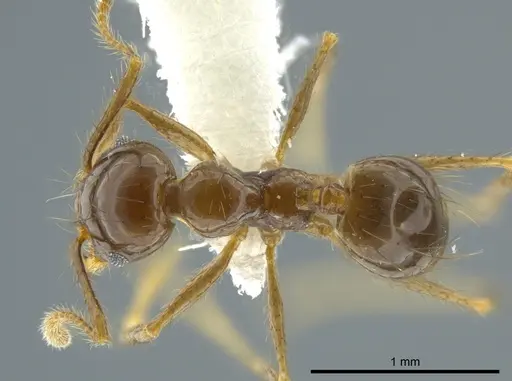
CASENT0904368
View on AntWeb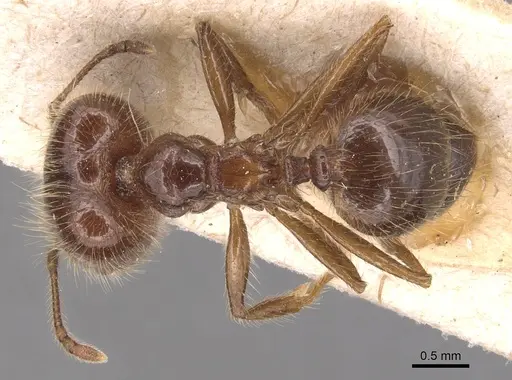
CASENT0904369
View on AntWeb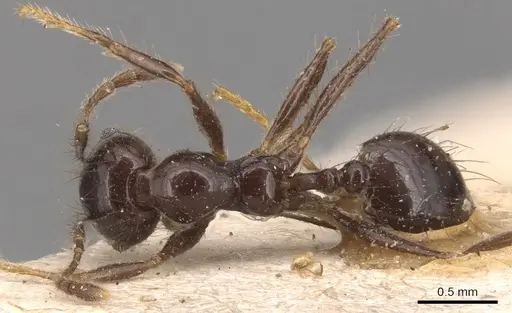
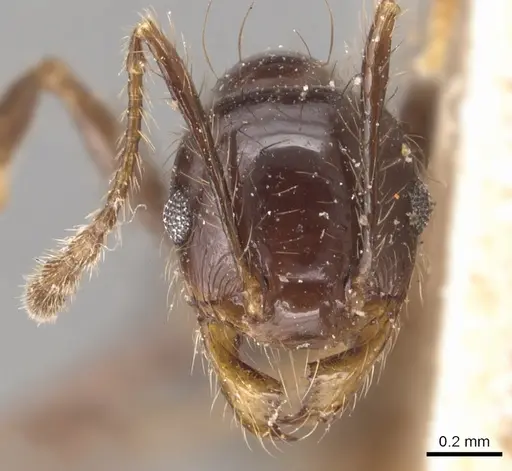
JTLC000016338
View on AntWeb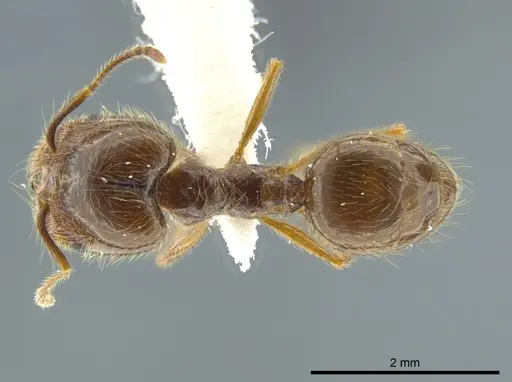
Literature
Loading...Loading products...