

Pheidole caltrop
- Scientific Name
- Pheidole caltrop
- Tribe
- Attini
- Subfamily
- Myrmicinae
- Author
- Wilson, 2003
- Distribution
- Found in 4 countries
Pheidole caltrop Overview
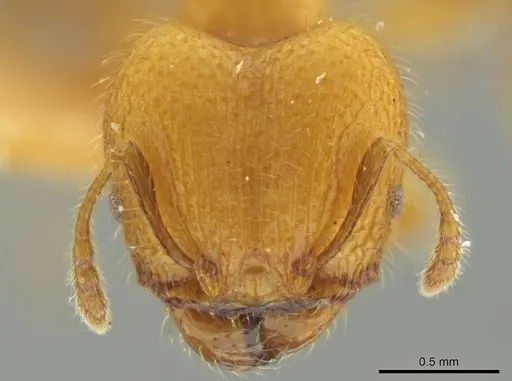
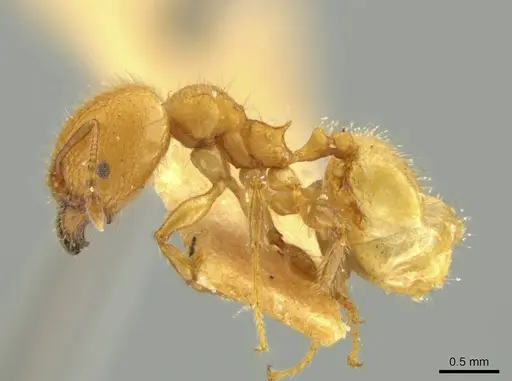
Pheidole caltrop is an ant species of the genus Pheidole. It is primarily documented in 4 countries , including Costa Rica, Honduras, Nicaragua. Detailed taxonomic data and occurrence records can be further explored via authoritative databases such as AntWeb or the Global Biodiversity Information Facility (GBIF).
Pheidole caltrop
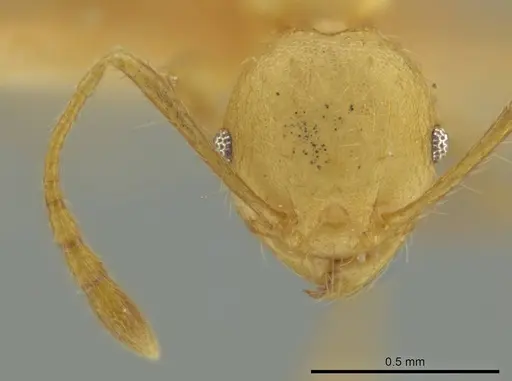
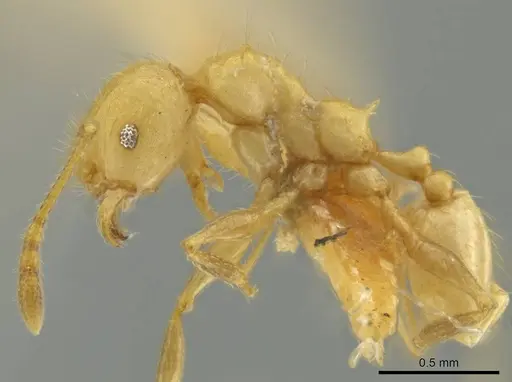
Pheidole caltrop is a small ant species belonging to the genus Pheidole, known for their distinctive major workers with enlarged heads. The genus Pheidole contains over 1,000 species worldwide and is commonly called the 'big-headed ants' due to the dramatic size difference between minor and major workers. Major workers develop from specialized larvae and serve as soldiers or foragers for hard seeds, while smaller minors handle general colony tasks. This species has not been extensively studied, so specific details about its appearance, range, and behavior are limited. Based on typical Pheidole patterns, colonies likely contain both minor and major workers, with majors becoming more prominent as the colony grows [1].
Quick Summary
- Difficulty: Medium
- Origin & Habitat: Distribution is not well documented in available research. Pheidole species are typically found in tropical and subtropical regions worldwide, often in forest habitats, grasslands, and disturbed areas. They nest in soil, under stones, or in rotting wood.
- Colony Type: Colony structure is unconfirmed for this specific species. Most Pheidole species form single-queen colonies (monogyne), though some can have multiple queens (polygyne). The typical Pheidole colony develops major workers once the colony reaches several hundred individuals.
- Size & Growth:
- Queen: Estimated 6-9mm based on typical Pheidole queen size range
- Worker: Minors 2-3mm, majors 3-5mm based on typical Pheidole morphology
- Colony: Likely reaches several thousand workers based on typical genus patterns
- Growth: Moderate, Pheidole colonies typically grow steadily but not rapidly
- Development: Estimated 6-8 weeks based on related Pheidole species (Development time varies with temperature, warmer conditions generally speed up development)
- Antkeeping:
- Temperature: Keep around 24-28°C. Most Pheidole species thrive in warm, stable conditions. A heating cable on one side of the nest can create a gentle gradient if room temperature is below this range.
- Humidity: Moderate humidity around 50-70%. Keep the nest substrate lightly moist but not waterlogged. Allow some areas to dry out between waterings.
- Diapause: Likely no true diapause if kept tropical. If originating from temperate regions, may require a cool period around 10-15°C for 2-3 months.
- Nesting: Use a nest with compact chambers. Y-tong (AAC), plaster, or test tube setups work well. Ensure the nest has some open areas for major workers to move their large heads.
- Behavior: Pheidole caltrop is not documented as aggressive but will defend the colony if threatened. Major workers serve as defenders and seed processors. They are not known to be particularly escape-prone, but standard barrier precautions (Fluon on test tube rims) should still be used. Workers likely forage for seeds and small insects. They are primarily ground-nesting and may accept a variety of protein and carbohydrate food sources.
- Common Issues: colonies may stall if temperatures drop below 20°C for extended periods, major workers can get stuck in overly narrow test tube connections, use appropriately sized tubing, wild-caught colonies may contain parasites that can devastate captive colonies, overfeeding can lead to mold problems in nest setups, queen loss during founding is common, ensure founding setup is undisturbed
Nest Preferences
Pheidole caltrop will likely thrive in standard antkeeping setups used for other Pheidole species. A Y-tong (AAC) nest with medium-sized chambers works well, as it allows both minor and major workers to move comfortably. Plaster nests or test tube setups are also suitable. The key is providing appropriately sized passages, too narrow and major workers with their large heads will get stuck. Include a water reservoir to maintain humidity without over-wetting the nest. A small outworld for foraging allows workers to collect food and dispose of waste. Avoid nests with large open spaces that can make the colony feel insecure.
Feeding and Diet
Like most Pheidole species, this ant is omnivorous with a preference for protein and seeds. Offer small protein sources like fruit flies, small crickets, mealworms, or other appropriately sized insects 2-3 times per week. Major workers can handle larger prey items and hard seeds that minors cannot process. Provide a constant sugar source such as sugar water, honey, or diluted honey water. Some Pheidole species also accept seeds, you can offer small bird seed or grass seeds and observe if majors process them. Remove uneaten protein within 24-48 hours to prevent mold.
Temperature and Care
Maintain temperatures between 24-28°C for optimal colony development. Pheidole species are generally tropical and warm-adapted, so cooler conditions will slow growth and may weaken the colony. Use a heating cable placed on top of the nest (not underneath to avoid drying) if your room temperature is below this range. Monitor colony activity, if workers are clustered near the heat source, increase temperature slightly, if they avoid the heated area, reduce heat. Room temperature in the low-to-mid 20s°C is often suitable without additional heating.
Behavior and Temperament
Pheidole caltrop should display typical Pheidole behavior, active foragers with distinct caste roles. Minor workers handle most tasks inside the nest and tend brood, while major workers defend the colony, process hard seeds, and assist with larger food items. They are not typically aggressive toward keepers but will bite if the nest is disturbed. Major workers have strong mandibles but the sting is not significant to humans. Escape prevention is standard, apply Fluon to test tube rims and ensure any connections are secure. Colonies become more active and visible as they grow larger.
Frequently Asked Questions
How long does it take for Pheidole caltrop to raise first workers?
Expect first workers (nanitics) in approximately 6-8 weeks after the queen lays eggs, assuming optimal temperatures around 24-28°C. Development may take longer if kept cooler.
What do Pheidole caltrop ants eat?
They are omnivorous. Offer small insects (fruit flies, pinhead crickets, mealworms) as protein 2-3 times per week, and provide constant access to sugar water or honey. They will likely accept seeds as they grow and majors develop.
Can I keep multiple Pheidole caltrop queens together?
Not recommended unless you have specific evidence this species accepts multiple queens. Most Pheidole are single-queen species, and combining unrelated queens typically results in fighting. If you want to try multi-queen setup, do so only in a large setup with ample space and escape routes.
What temperature do Pheidole caltrop ants need?
Keep them warm at 24-28°C. This is typical for most Pheidole species. Avoid temperatures below 20°C for extended periods as this can stall colony development.
Are Pheidole caltrop good for beginners?
They are moderate difficulty. The main challenges are providing appropriate warmth and ensuring the nest has passages wide enough for major workers. If you have kept other Pheidole or similar ants successfully, this species should be manageable.
When should I move Pheidole caltrop to a formicarium?
You can keep them in a test tube setup through the founding stage and early colony growth. Move to a larger nest (formicarium or larger test tube setup) once the colony reaches 50-100 workers and the test tube shows signs of crowding or waste buildup.
How big do Pheidole caltrop colonies get?
Based on typical Pheidole patterns, colonies can reach several thousand workers. Major workers typically appear once the colony grows beyond a few hundred workers.
Do Pheidole caltrop need hibernation?
This depends on the species' origin. If from a tropical region, likely no true hibernation needed. If from a temperate climate, they may benefit from a cool period around 10-15°C for 2-3 months during winter.
Why are my Pheidole caltrop dying?
Common causes include: temperatures below 20°C, overly wet or dry nest conditions, mold from overfeeding, disturbance during founding stage, or parasites from wild-caught colonies. Review temperature, humidity, and feeding practices.
References

This caresheet is licensed under CC BY-SA 4.0 .
JTLC000016334
View on AntWeb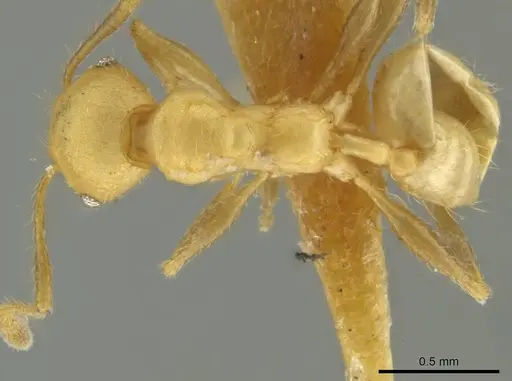
JTLC000016335
View on AntWeb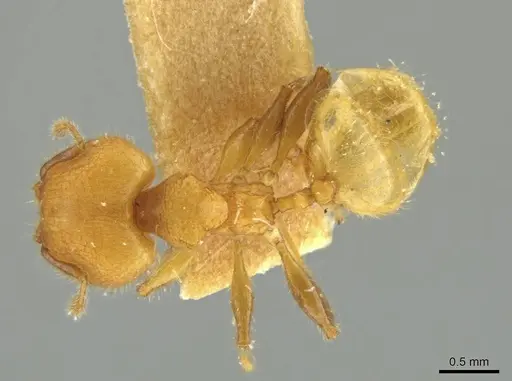
Literature
Loading...Loading products...