

Pheidole caffra
- Scientific Name
- Pheidole caffra
- Tribe
- Attini
- Subfamily
- Myrmicinae
- Author
- Emery, 1895
- Common Name
- Southern House ant
- Distribution
- Found in 5 countries
Pheidole caffra Overview
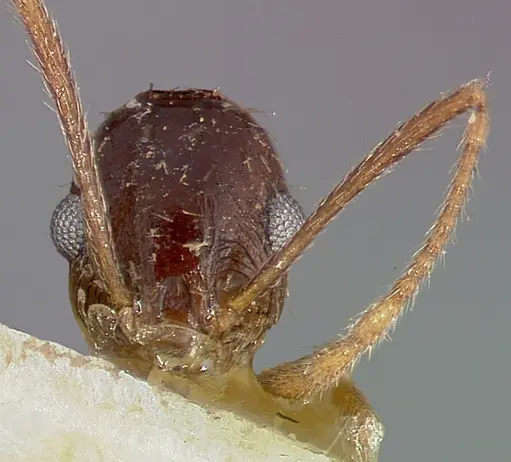
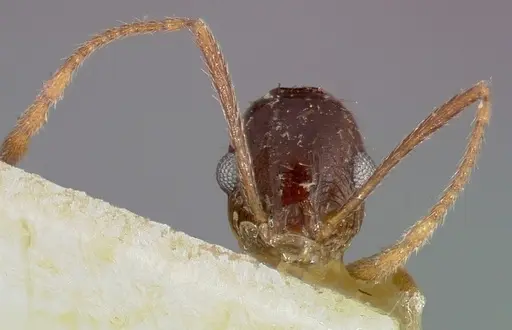
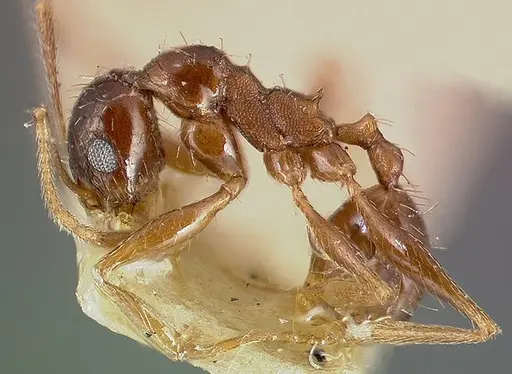
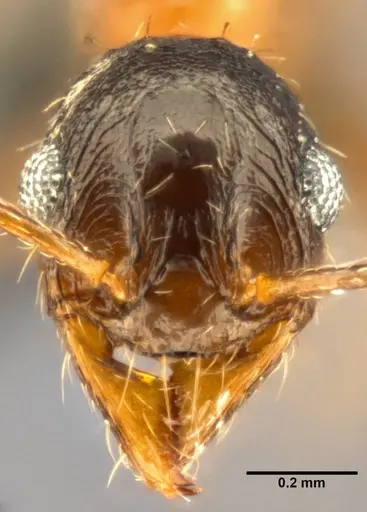
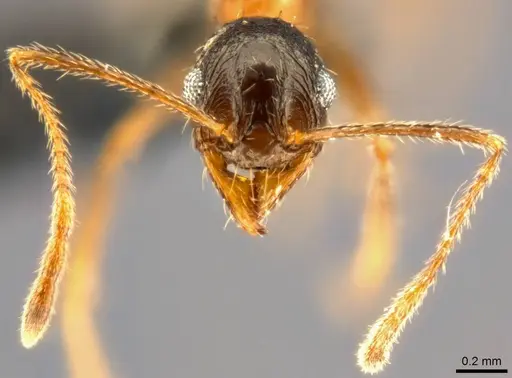
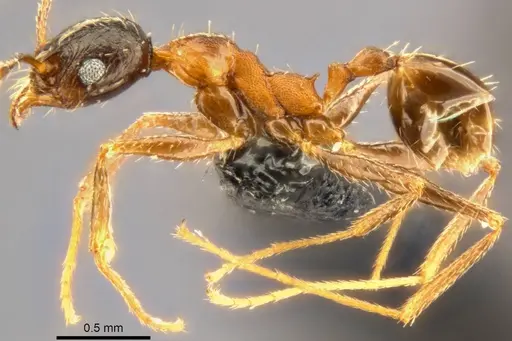
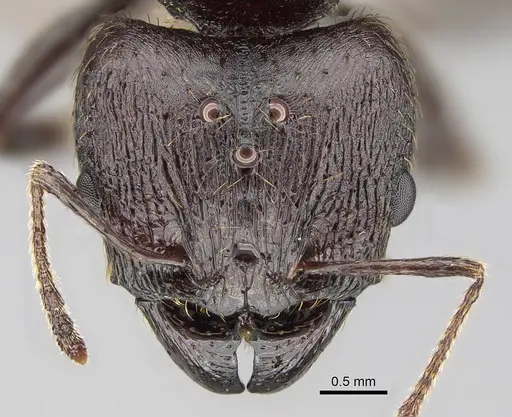
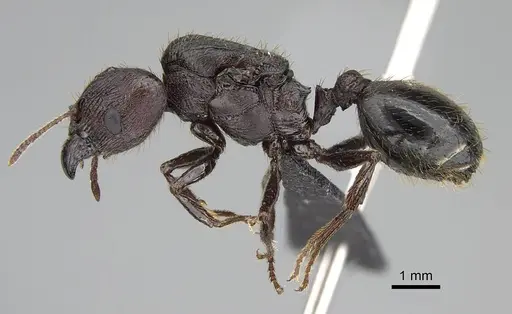
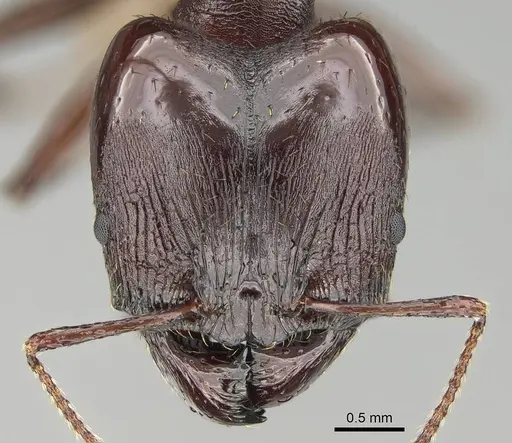
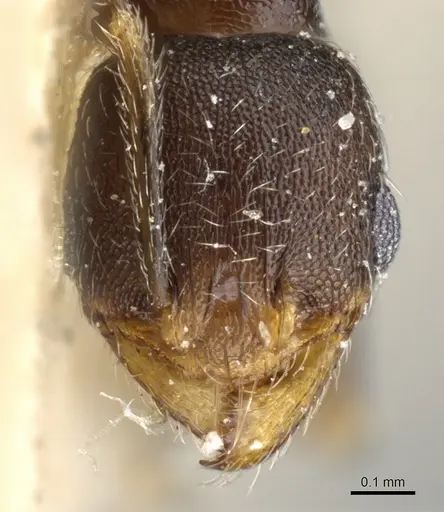
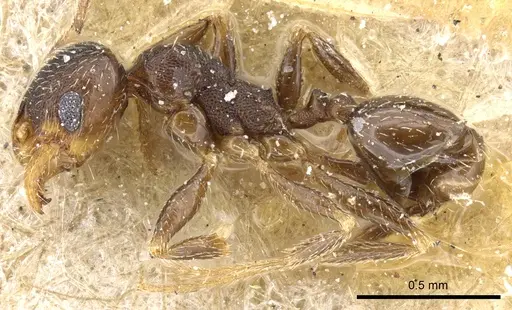
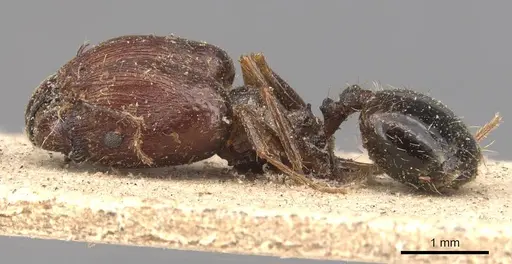
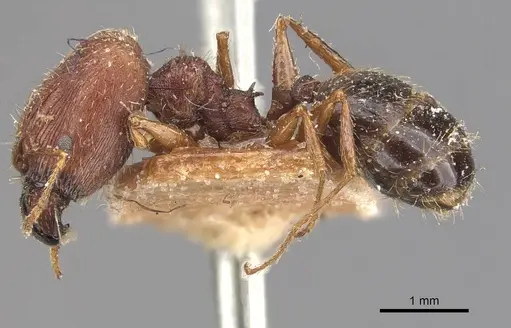
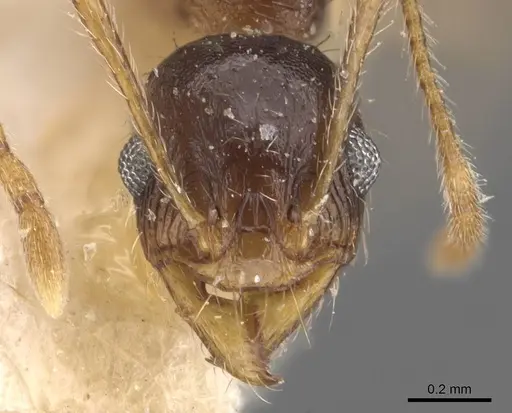
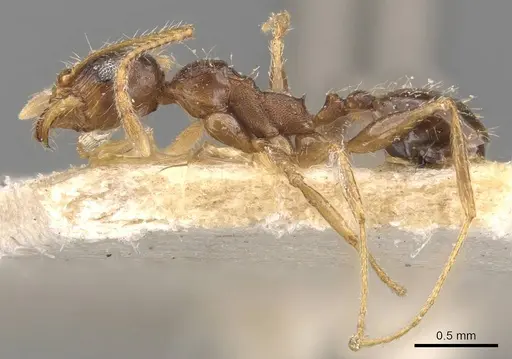
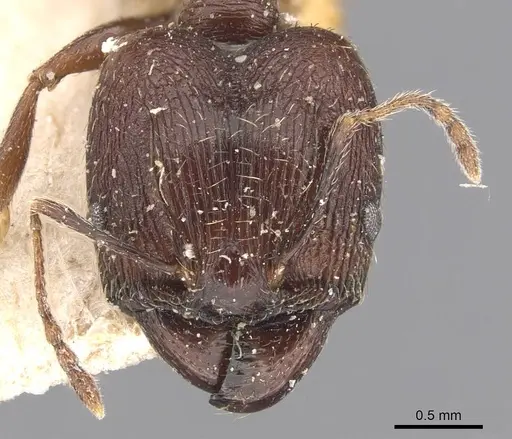
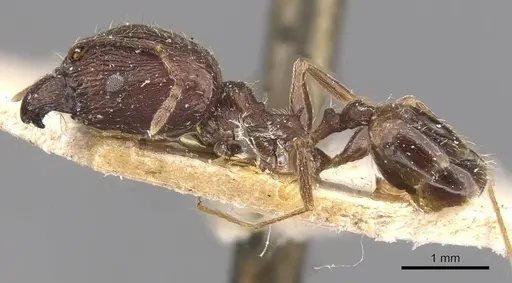
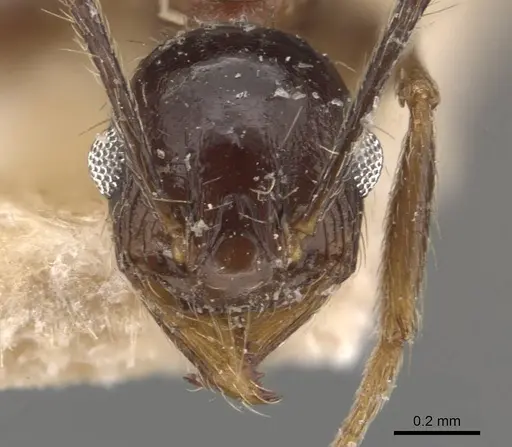
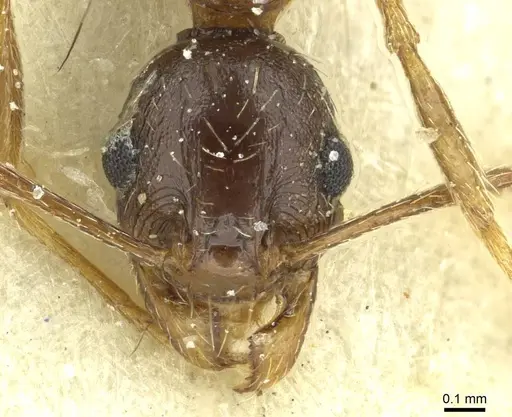
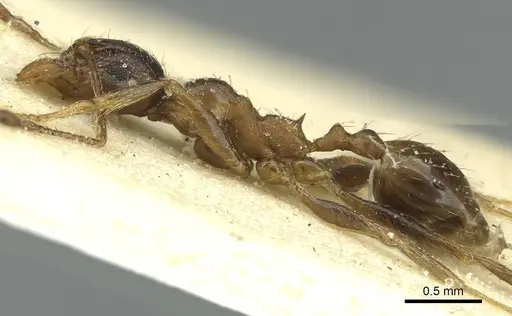
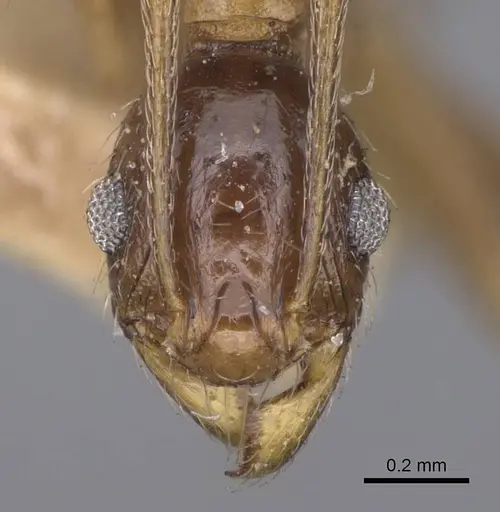
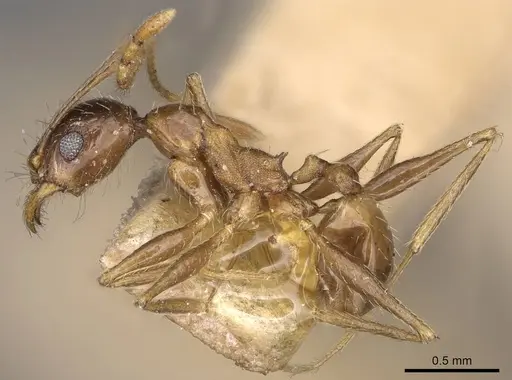
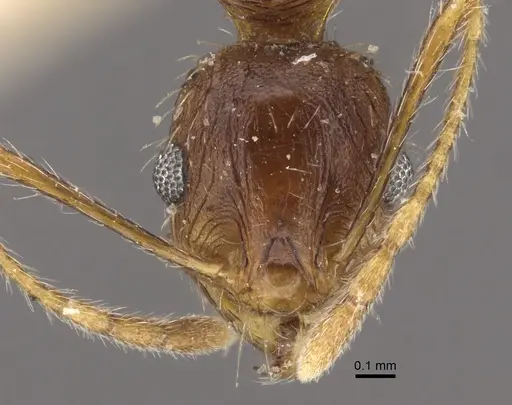
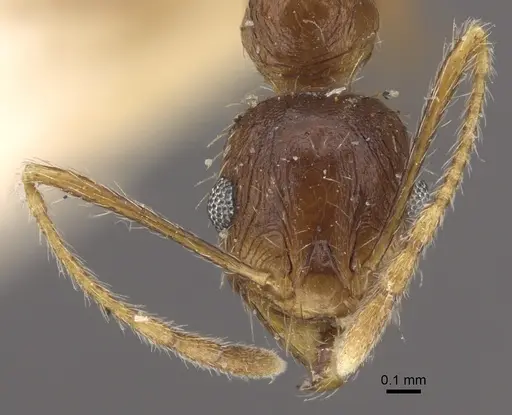
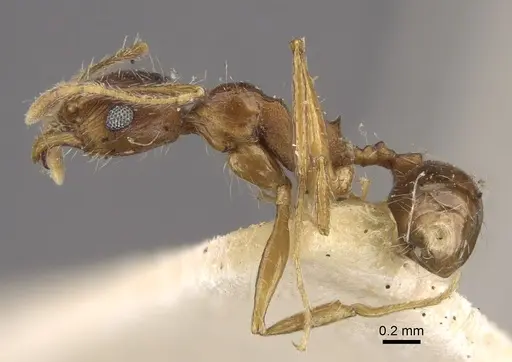
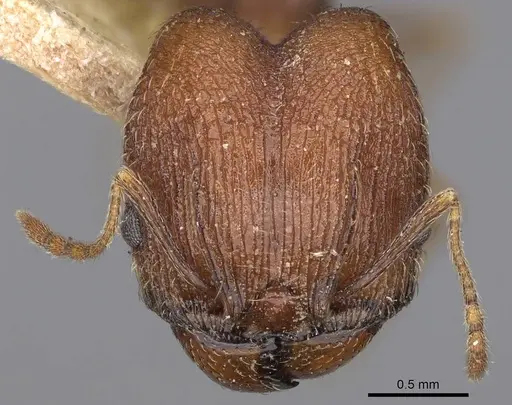
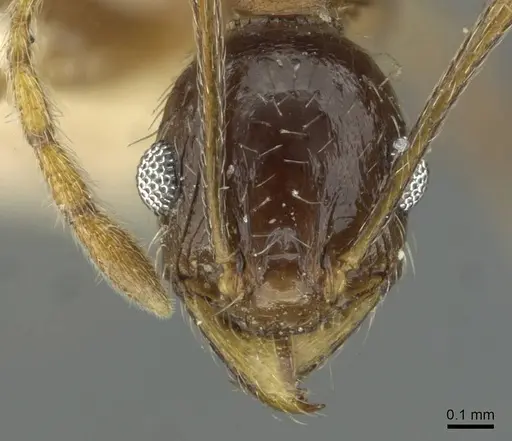
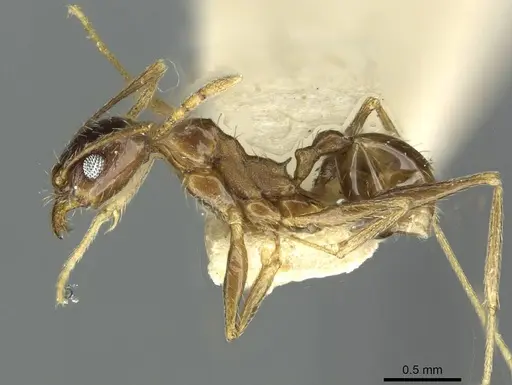
Pheidole caffra (commonly known as the Southern House ant) is an ant species of the genus Pheidole. It is primarily documented in 5 countries , including Congo, Democratic Republic of the, Eritrea. Detailed taxonomic data and occurrence records can be further explored via authoritative databases such as AntWeb or the Global Biodiversity Information Facility (GBIF).
Pheidole caffra - "Southern House ant"
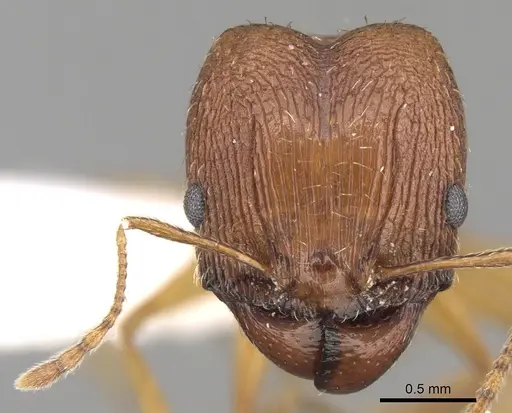
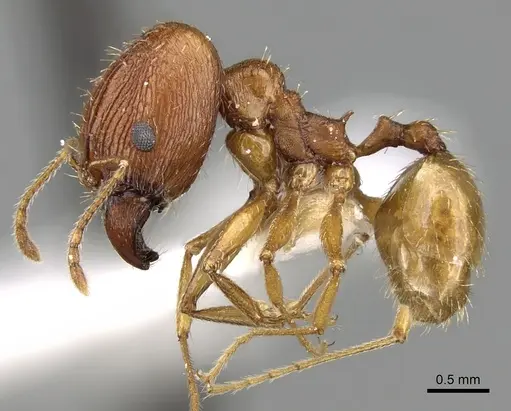
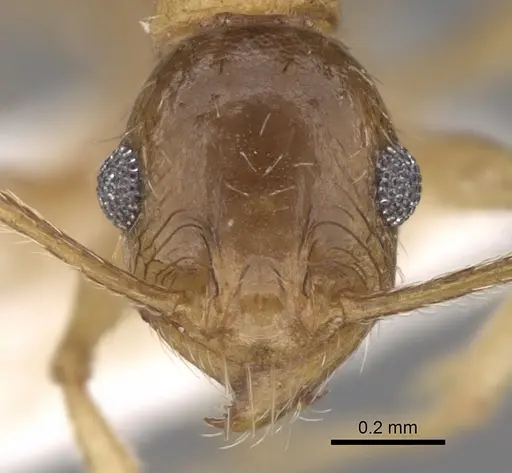
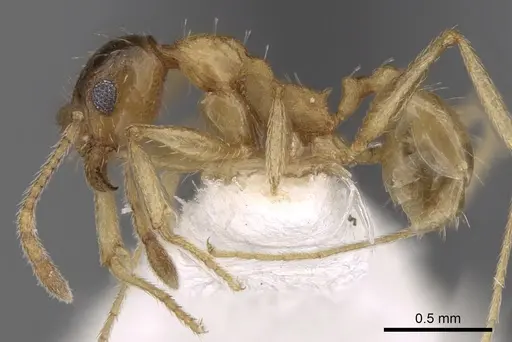
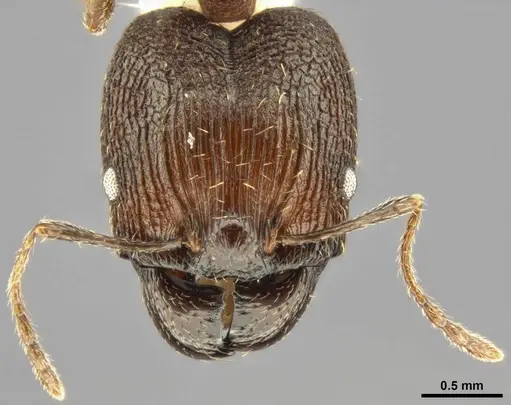
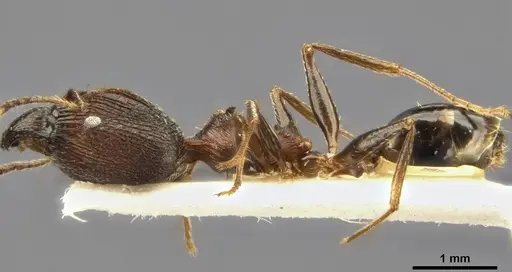
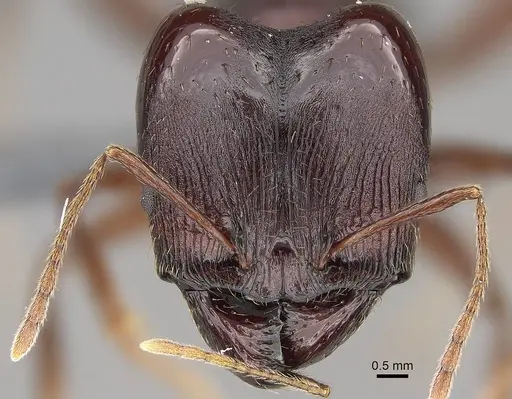
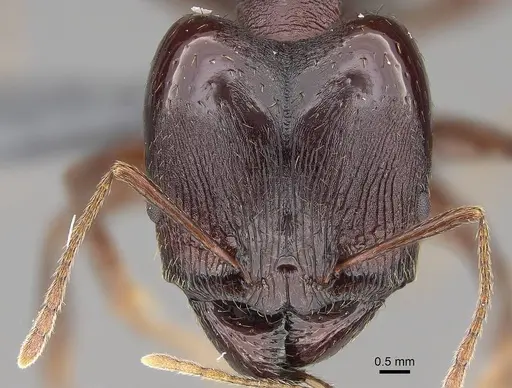
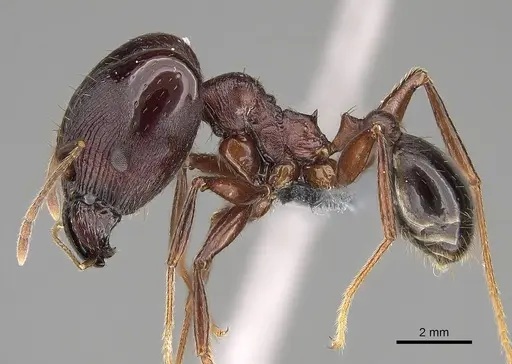
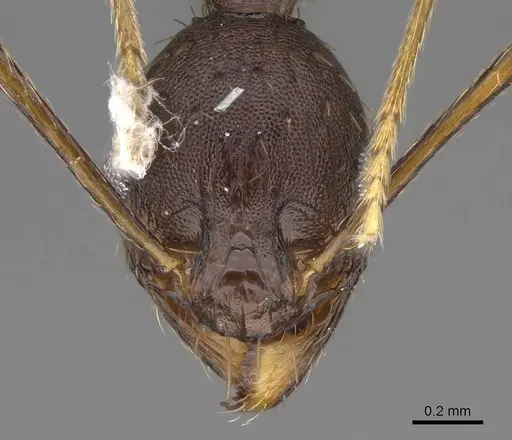
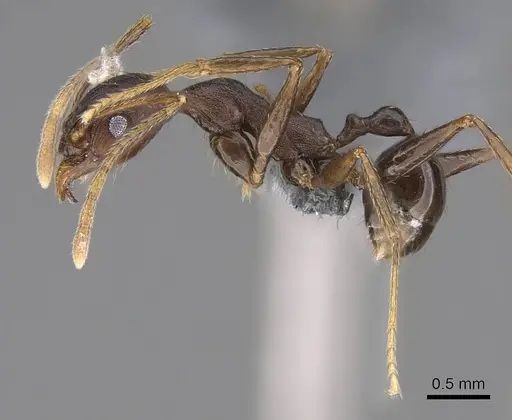
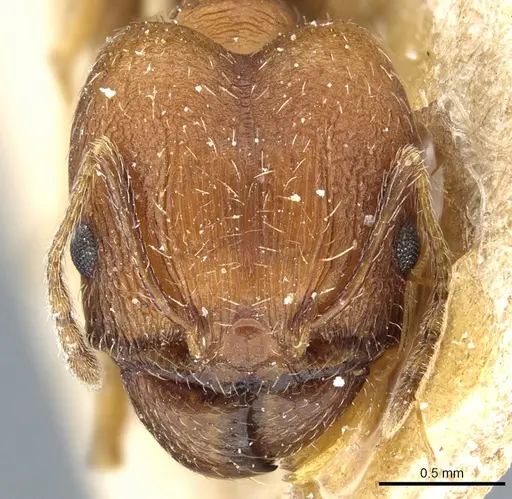
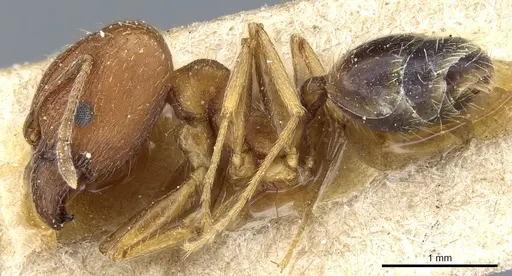
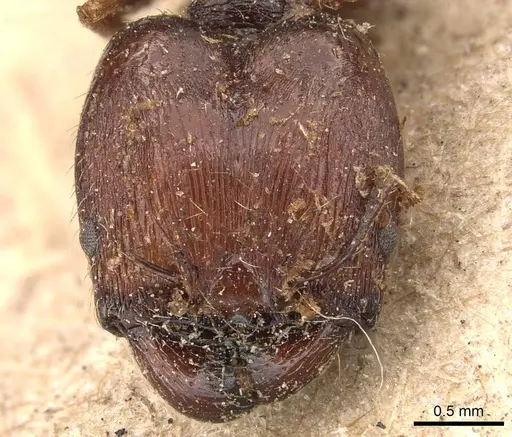
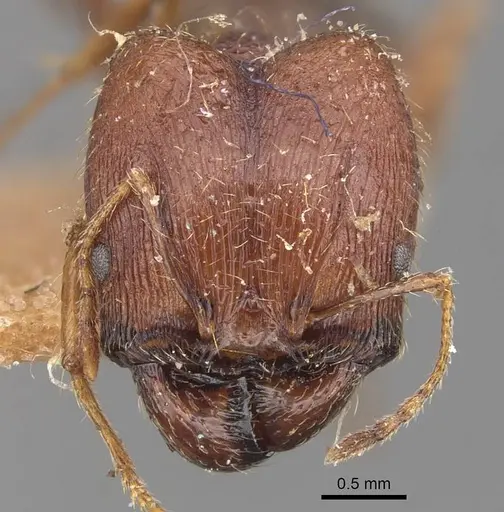
Pheidole caffra is a dimorphic ant species native to the Afrotropical region, found across central and southern Africa from Nigeria to South Africa. As with all Pheidole species, they have two worker castes: large major workers (soldiers) with oversized heads for seed-crushing, and smaller minor workers that handle most foraging and brood care. This species nests in soil under rocks or in rotting wood in woodland habitats. They are known to host the beetle Paussus anxius in their nests, a specialized myrmecophile that lives among the ants [1][2]. The species belongs to the speculifera group within the Afrotropical Pheidole. Five subspecies are recognized, including P. c. abyssinica and P. c. amoena.
Quick Summary
- Difficulty: Easy
- Origin & Habitat: Afrotropical region, Nigeria, South Africa, Tanzania, Democratic Republic of Congo, Eritrea, and surrounding countries. Found in woodland habitats, typically nesting in soil under rocks or as foragers [3].
- Colony Type: Monogyne, single queen colonies. Pheidole species typically form single-queen colonies with major and minor worker castes.
- Colony: Monogyne
- Founding: Claustral
- Size & Growth:
- Queen: Estimated 7-9mm based on typical Pheidole genus patterns
- Worker: Minor workers 2-3mm, major workers 4-6mm, typical for Pheidole species in the speculifera group [3]
- Colony: Estimated up to several thousand workers based on typical Pheidole colony growth
- Growth: Moderate, Pheidole colonies typically grow steadily but not rapidly
- Development: Estimated 6-8 weeks at optimal tropical temperatures (25-28°C) (Development time inferred from typical Pheidole genus patterns, actual timeline may vary)
- Antkeeping:
- Temperature: Keep at 24-28°C, these are tropical ants from Africa. A heating cable on one side of the nest creates a suitable gradient
- Humidity: Moderate to high humidity, they nest in soil in woodland areas. Keep the nest substrate moist but not waterlogged. Provide a water tube for drinking water
- Diapause: No, as a tropical species, they do not require hibernation. Keep at stable warm temperatures year-round
- Nesting: Y-tong (AAC) nests or plaster nests work well. They prefer nested spaces with some moisture retention. Test tubes can work for founding colonies. Provide soil or sand for them to dig in if using a naturalistic setup
- Behavior: Pheidole caffra is a typical Pheidole species, generally non-aggressive toward keepers but will defend the nest if threatened. They are seed-harvesters and omnivores, collecting seeds and small insects. Major workers use their large heads to crush seeds. They are active foragers and will discover food quickly. Escape risk is moderate, they are not particularly small but use fine mesh barriers anyway. They are not known to be particularly aggressive or to sting.
- Common Issues: colonies may decline if kept too cold, maintain warm temperatures, poor escape prevention can lead to escapes despite their moderate size, overfeeding can lead to mold in nest setups, remove uneaten food promptly, founding colonies are vulnerable, queens need quiet, dark locations
Housing and Nest Setup
Pheidole caffra can be housed in various setups depending on colony size. For founding colonies, a simple test tube setup works well, the queen will seal herself in a chamber and raise her first brood there. As the colony grows, you can move them to a Y-tong (AAC) nest or a plaster formicarium. These ants prefer some moisture in their nest, so either a water reservoir on the Y-tong or occasional misting of a plaster nest works. They are not particularly demanding about nest architecture, typical chambers and tunnels work fine. For a naturalistic setup, provide a container filled with soil or sand and place a flat stone on top for them to nest under. Make sure any setup has excellent escape prevention, while not tiny, they will find gaps in equipment. [3]
Feeding and Diet
Pheidole caffra is an omnivorous seed-harvester. In captivity, they readily accept a variety of foods: seeds (millet, chia, flax), protein sources (mealworms, crickets, bloodworms), and sugar (honey water, sugar water). The major workers use their enlarged heads to crack open seeds, so provide small seeds they can process. Feed protein 2-3 times per week and keep a constant sugar water source available. Remove any uneaten food after 24-48 hours to prevent mold. They are generalists, so experimentation with different foods is encouraged, most Pheidole species accept a wide variety of foods.
Temperature and Seasonal Care
As a tropical African species, Pheidole caffra requires warm temperatures year-round. Keep the nest area at 24-28°C (75-82°F). A small heating cable or heat mat on one side of the nest can create a temperature gradient, allowing the ants to self-regulate. Place the heating element on top of the nest to avoid drying it out. They do not require hibernation or cooling periods, maintaining consistent warm temperatures is key. Room temperature in most homes (around 22-24°C) is acceptable, but cooler temperatures will slow growth and may weaken the colony. Avoid temperature fluctuations and drafts.
Colony Growth and Development
Pheidole colonies grow through the production of major workers. The first workers (nanitics) are typically smaller, and as the colony matures, you will see more major workers appearing. The colony will grow from a handful of workers to several hundred over the first year, then continue expanding. Major workers serve as seed-crushers and defenders, while minors handle most daily tasks. A mature colony can contain thousands of workers with a significant proportion being majors. The queen can live for many years, with Pheidole queens often living 10-15 years in captivity.
Behavior and Temperament
This species is generally calm and manageable in captivity. They are not aggressive toward keepers and rarely attempt to sting. When disturbed, they may send out major workers to defend the nest, but their response is typically mild. Foragers are active and will quickly discover food sources. They use chemical trails to recruit nestmates to food. The presence of major workers is one of the most entertaining aspects of keeping Pheidole, watching them crack seeds with their impressive head muscles is fascinating. They are diurnal and will show peak activity during daylight hours.
Frequently Asked Questions
How long does it take for Pheidole caffra to have first workers?
Expect first workers (nanitics) in about 6-8 weeks at warm temperatures (25-28°C). The exact timeline depends on temperature and feeding. The queen will seal herself in and raise the first brood alone.
What do Pheidole caffra ants eat?
They are omnivores that accept seeds, protein (insects), and sugar sources. Offer small seeds, protein foods like mealworms or crickets, and honey or sugar water. Remove uneaten food after a day or two.
What temperature do Pheidole caffra need?
Keep them warm at 24-28°C (75-82°F). As a tropical African species, they do not tolerate cool temperatures well. A heating cable or heat mat can maintain proper temperatures.
Do Pheidole caffra need hibernation?
No, they are a tropical species and do not require hibernation. Maintain warm temperatures year-round. Cooling the colony can stress or kill them.
How big do Pheidole caffra colonies get?
Mature colonies can reach several thousand workers. They have both major (soldier) and minor worker castes, with majors becoming more common as the colony grows.
Can I keep multiple Pheidole caffra queens together?
This species is monogyne, single queen colonies. Combining unrelated queens is not recommended as they will likely fight. A single established queen will develop a healthy colony.
What is the best nest type for Pheidole caffra?
Y-tong (AAC) nests or plaster formicaria work well. They prefer some moisture in the nest. Test tubes suffice for founding colonies. Provide soil for digging in naturalistic setups.
Are Pheidole caffra good for beginners?
Yes, they are considered easy to keep. They are tolerant of basic care mistakes, accept a wide variety of foods, and do not require complex setups. Their main needs are warmth and proper feeding.
Why are my Pheidole caffra dying?
The most common causes are: temperatures too low (keep above 24°C), mold from overfeeding or poor hygiene, or stress from disturbances during founding. Check that your setup maintains proper warmth and remove uneaten food promptly.
References

This caresheet is licensed under CC BY-SA 4.0 .
CASENT0003145
View on AntWeb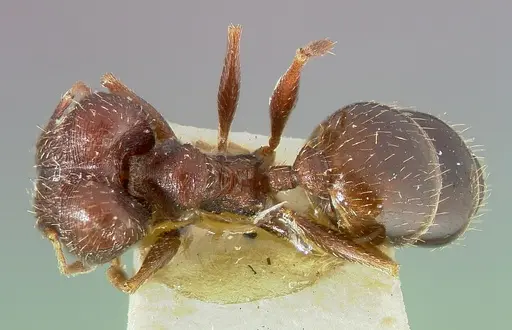

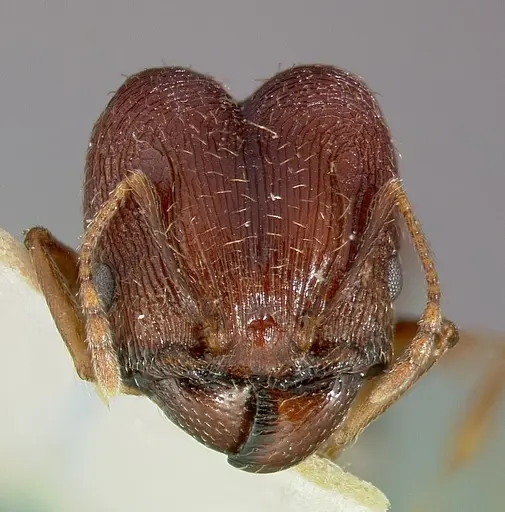

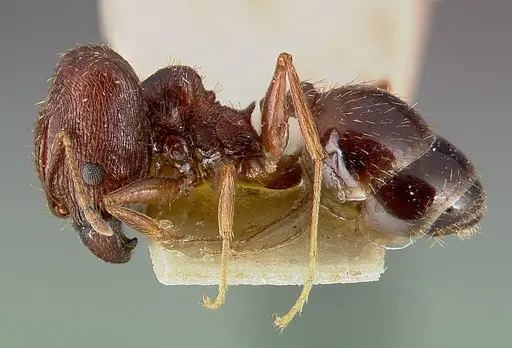

CASENT0006021
View on AntWeb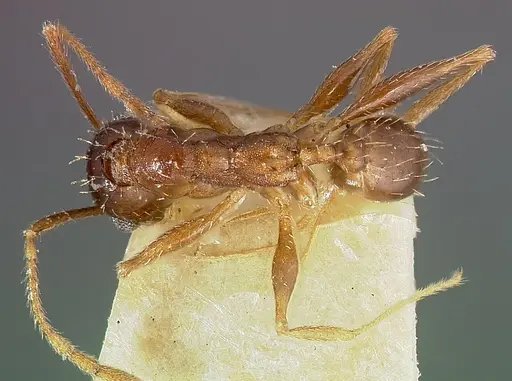
CASENT0281614
View on AntWeb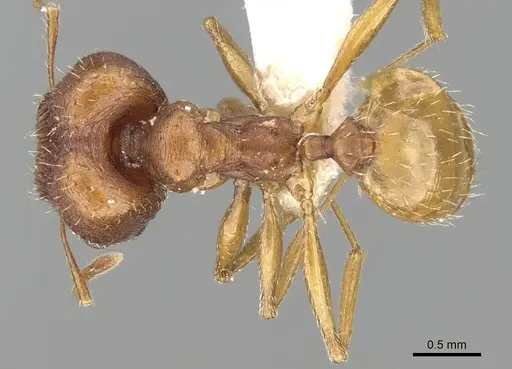
CASENT0281615
View on AntWeb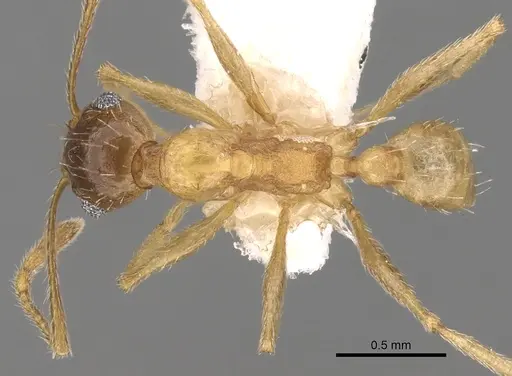
CASENT0282877
View on AntWeb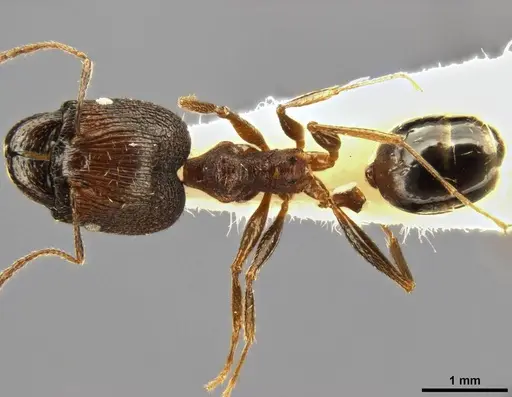
CASENT0283108
View on AntWeb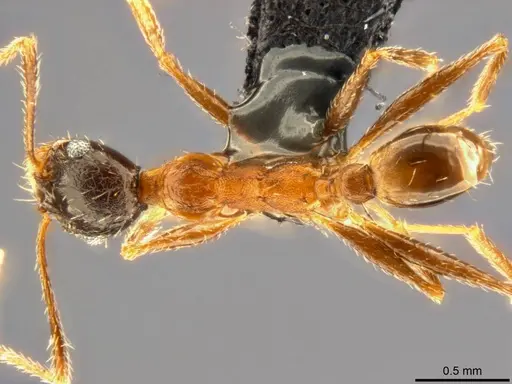
CASENT0785931
View on AntWeb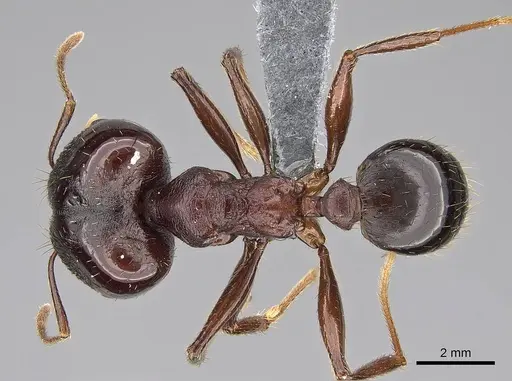
CASENT0785932
View on AntWeb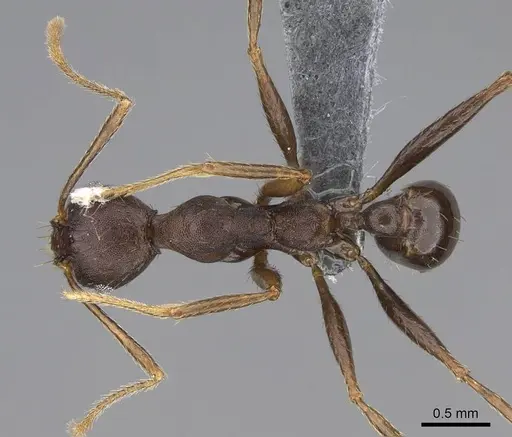
CASENT0822201
View on AntWeb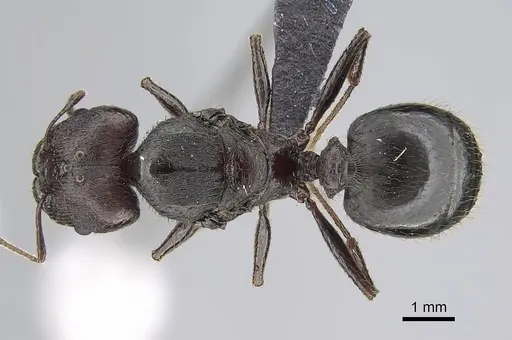
CASENT0822202
View on AntWeb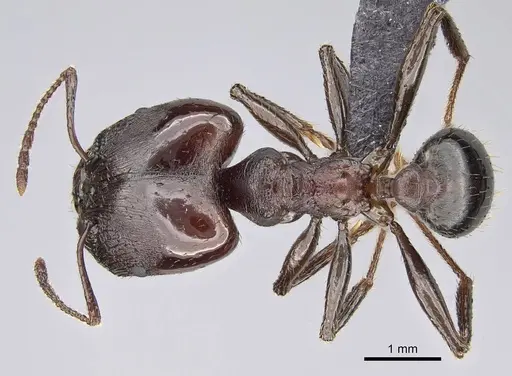
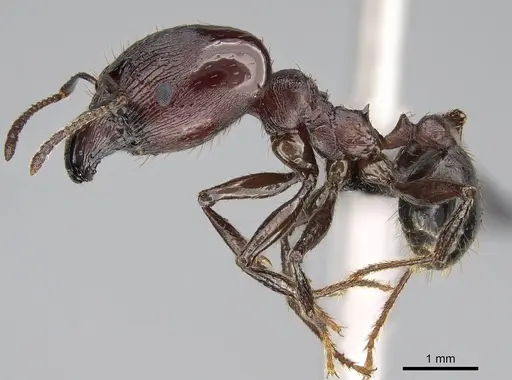
CASENT0822203
View on AntWeb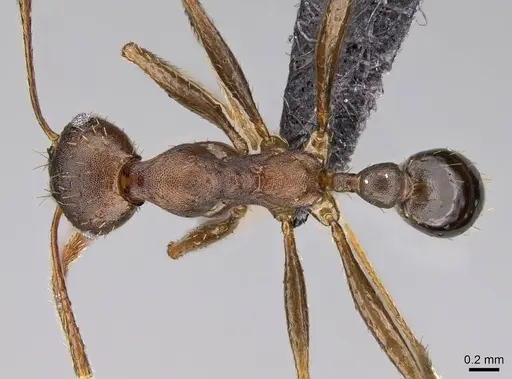
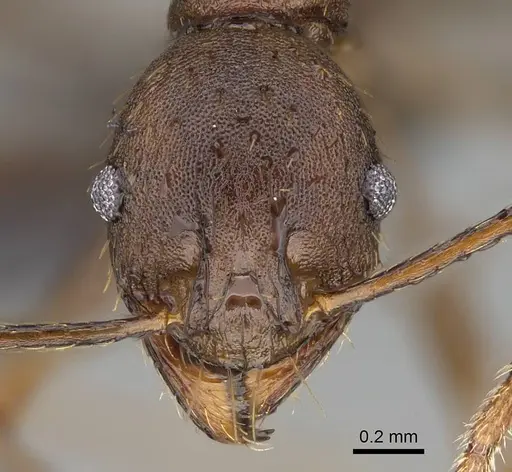
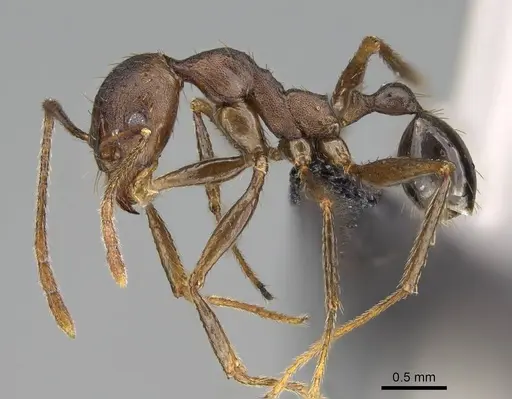
CASENT0904210
View on AntWeb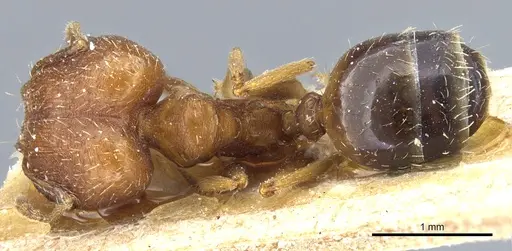
CASENT0904211
View on AntWeb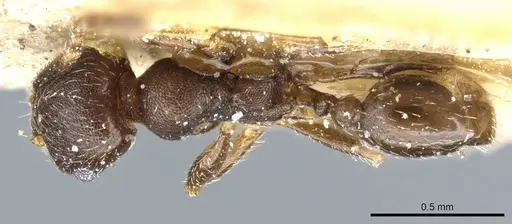
CASENT0907815
View on AntWeb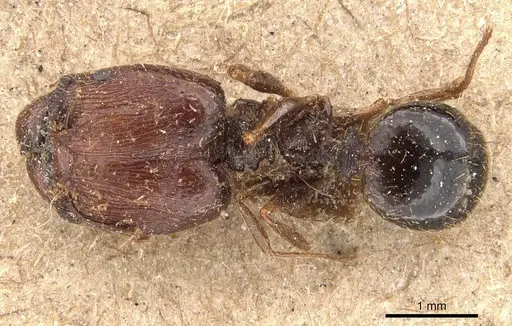
CASENT0907816
View on AntWeb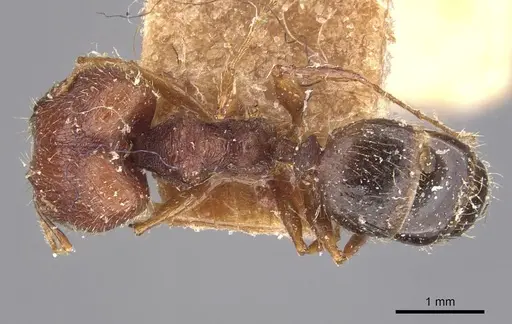
CASENT0907817
View on AntWeb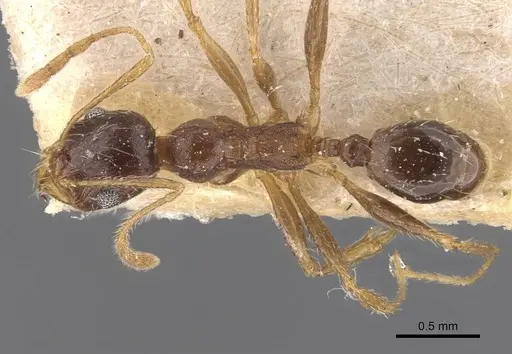
CASENT0907818
View on AntWeb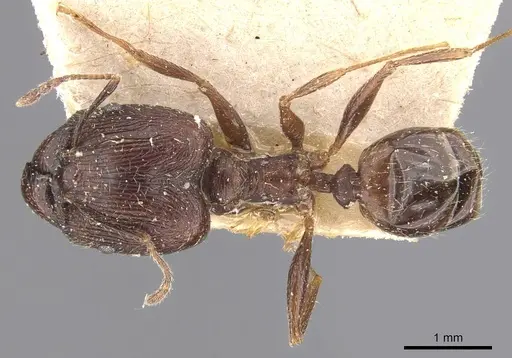
CASENT0907819
View on AntWeb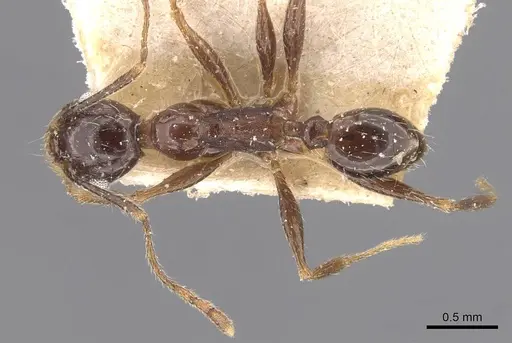
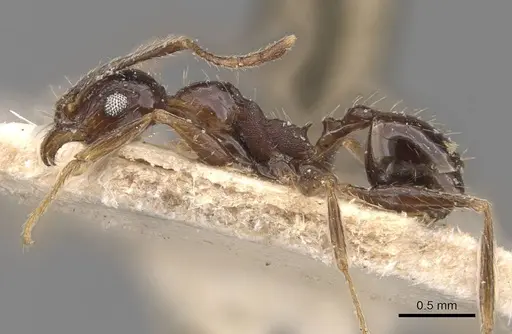
CASENT0913284
View on AntWeb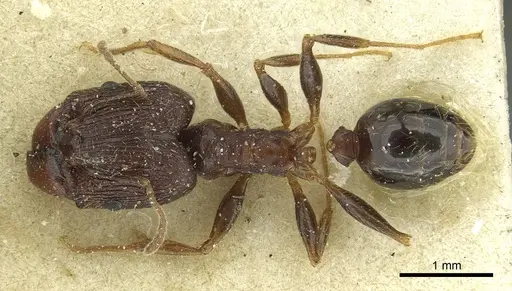
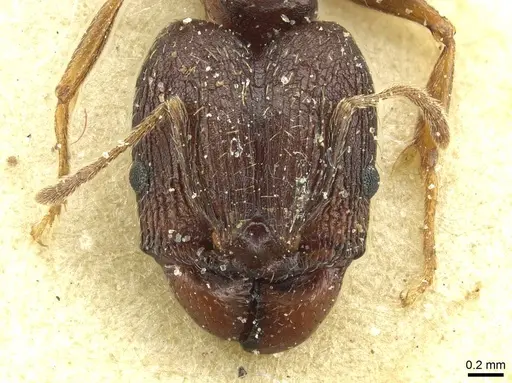
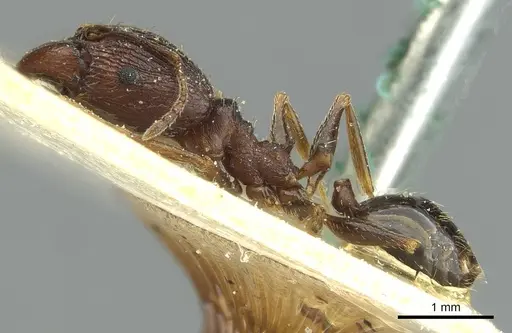
CASENT0913285
View on AntWeb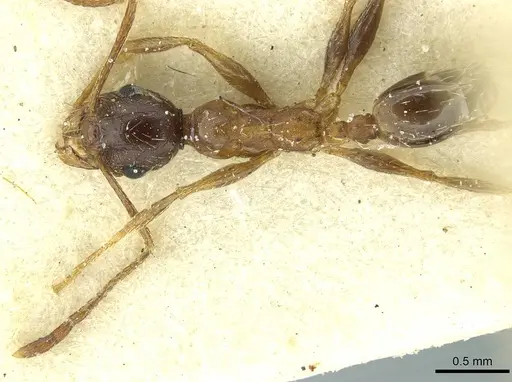
CASENT0914274
View on AntWeb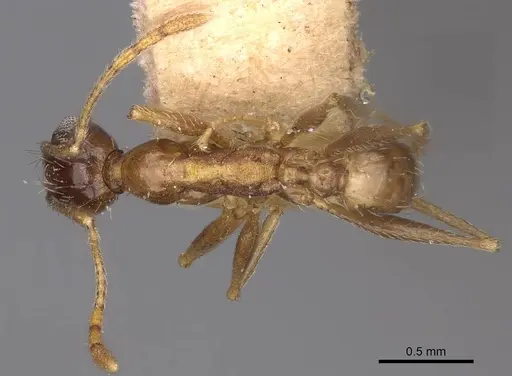
CASENT0917762
View on AntWeb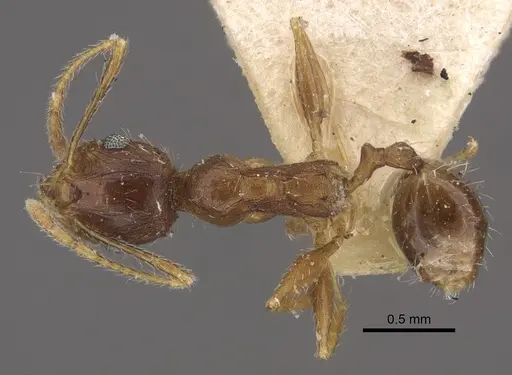
LACMENT323602
View on AntWeb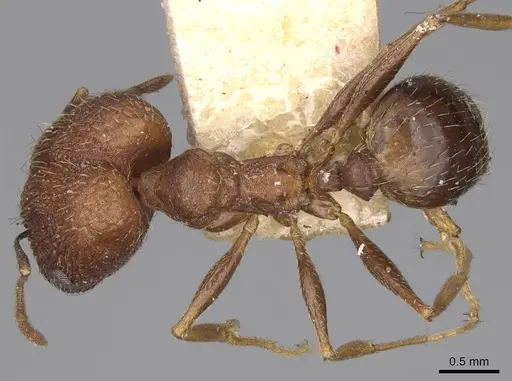
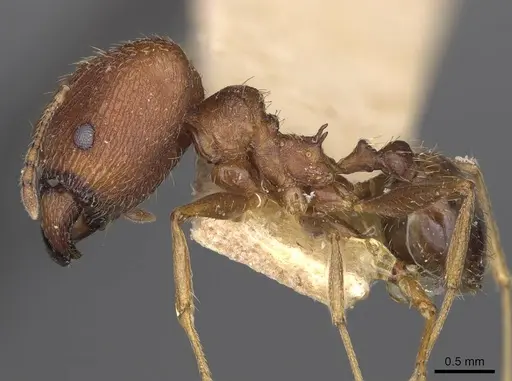
RMCAENT000017752
View on AntWeb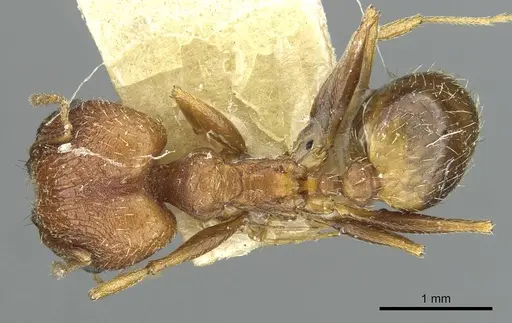
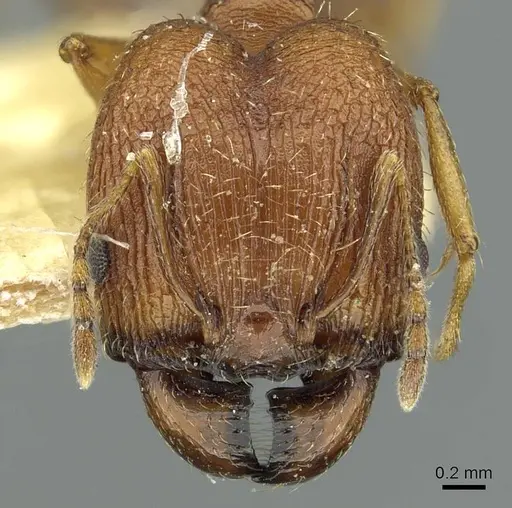
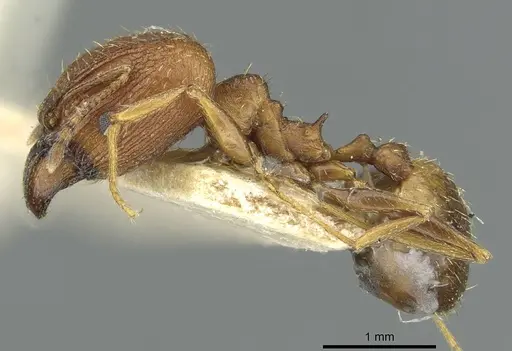
RMCAENT000017753
View on AntWeb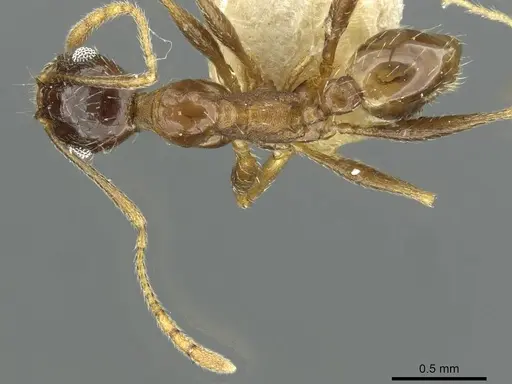
Literature
Loading...Loading products...