

Pheidole bulliceps
- Scientific Name
- Pheidole bulliceps
- Tribe
- Attini
- Subfamily
- Myrmicinae
- Author
- Wilson, 2003
- Distribution
- Found in 1 countries
Pheidole bulliceps Overview
Pheidole bulliceps is an ant species of the genus Pheidole. It is primarily documented in 1 countries , including Ecuador. Detailed taxonomic data and occurrence records can be further explored via authoritative databases such as AntWeb or the Global Biodiversity Information Facility (GBIF).
Pheidole bulliceps
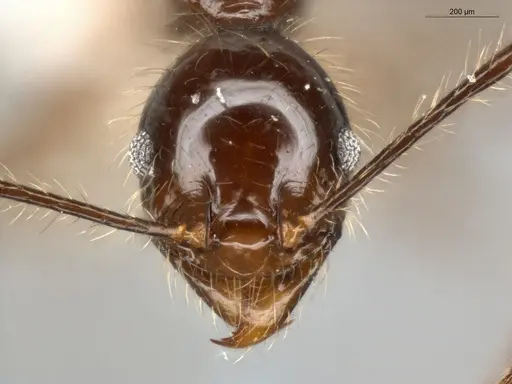
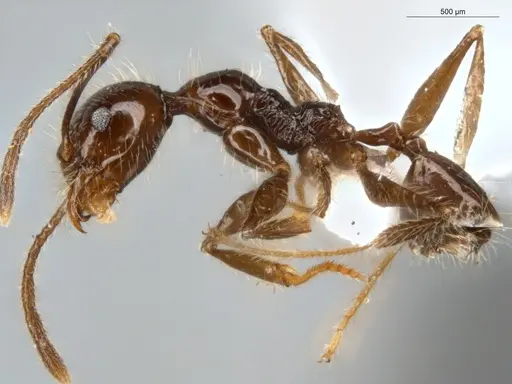
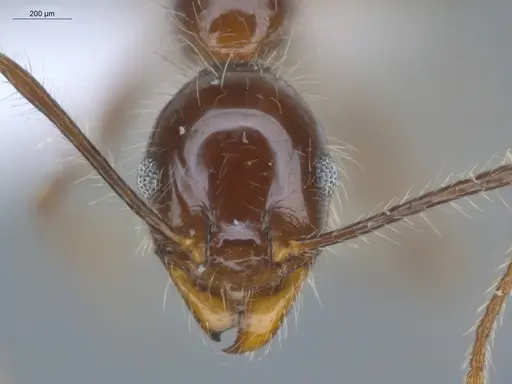
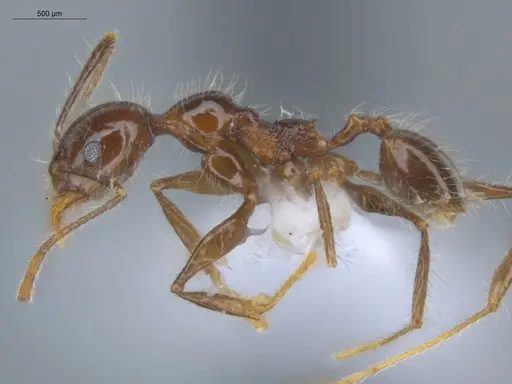
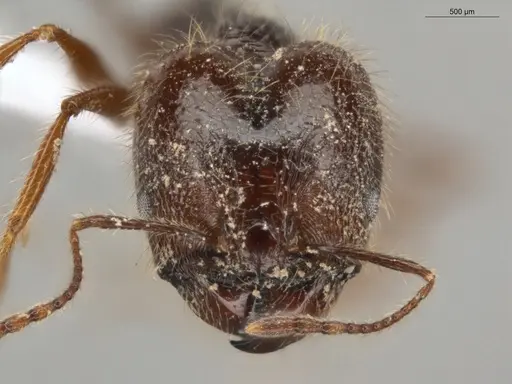
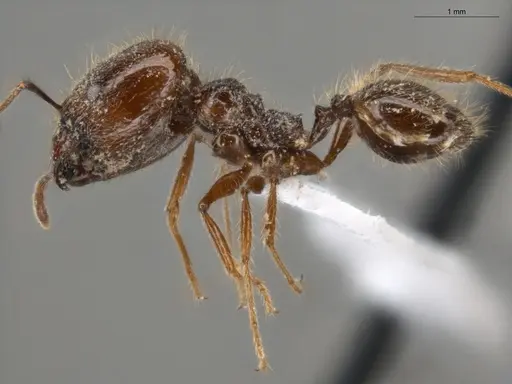
Pheidole bulliceps is a large Neotropical ant species belonging to the tristis group. Majors are distinctive for their nearly circular head capsule with extensive rugoreticulum patterning and longitudinal carinulae, giving them a bubble-headed appearance (the species name 'bulliceps' means bubble-headed). Major workers reach about 2.28mm in head width, while minor workers are much smaller at around 0.64mm. The species displays the typical Pheidole dimorphism with major and minor castes. Coloration is reddish brown, majors have lighter heads and appendages, while minors are more yellowish brown. Originally described from Ecuador, this species has since been recorded in Colombia and French Guiana, typically found at mid elevations around 540m.
Quick Summary
- Difficulty: Medium
- Origin & Habitat: Neotropical region, Ecuador (type locality: Jatun Sacha, Napo), Colombia (Santander), and French Guiana. Found in tropical forest environments at mid elevations [1][2][3].
- Colony Type: Colony structure is unconfirmed for this species. Most Pheidole species are monogyne (single queen colonies), though some can be polygyne. Further research needed to confirm [3].
- Size & Growth:
- Queen: Unknown, no queen description available in original description [1].
- Worker: Major workers: 2.28mm HW, Minor workers: 0.64mm HW [1].
- Colony: Unknown, no colony size data available.
- Growth: Unknown, no development data exists for this species.
- Development: Unconfirmed, no direct measurements exist. Based on typical Pheidole patterns, expect 6-10 weeks at tropical temperatures [3]. (Pheidole species typically produce nanitics (first workers) that are smaller than normal workers. Development time varies with temperature.)
- Antkeeping:
- Temperature: Tropical species, keep at 24-28°C. A slight gradient allows workers to self-regulate. Room temperature in most homes should work if within this range [3].
- Humidity: Moderate to high humidity (60-80%). Keep nest substrate slightly moist but not waterlogged. Provide a water source [3].
- Diapause: No, as a tropical species, they do not require hibernation. Keep temperatures stable year-round [3].
- Nesting: In the wild, they likely nest in soil or rotting wood. In captivity, standard test tubes work for founding colonies. Once established, they do well in Y-tong nests, plaster nests, or naturalistic setups with moist substrate. They accept various nest types [3].
- Behavior: Majors have enlarged heads for seed-processing and defense, typical of Pheidole. They are not aggressive toward keepers but majors will defend the colony. Workers are active foragers. The species is attracted to protein baits like tuna, indicating a preference for protein in their diet [1]. Escape risk is moderate, minor workers are small but majors are larger. Standard barrier methods work well.
- Common Issues: lack of species-specific care data means starting with generic Pheidole protocols and adjusting based on colony response, tropical humidity requirements can cause mold issues if ventilation is poor, major workers are defensive, sudden disturbances may trigger alarm responses, small minor workers can escape through standard test tube barriers if not properly sealed
Housing and Nest Setup
For founding colonies, a standard test tube setup works well. Fill the tube with water, plug with cotton, and place the queen in the tube. The queen will seal herself in a chamber if claustral (most Pheidole are). Keep the tube in darkness and avoid disturbances for 4-6 weeks until workers emerge. Once the colony reaches 20-30 workers, you can move them to a formicarium. Y-tong nests, plaster nests, or naturalistic setups all work for established colonies. Provide a water tube and feeding area in the outworld. Because minors are small, ensure all connections between nest and outworld are sealed with cotton or appropriate barriers. [3]
Feeding and Diet
Pheidole bulliceps is attracted to protein baits like tuna, as documented in the original collection [1]. In captivity, offer a varied diet: protein sources like small insects (fruit flies, pinhead crickets, mealworms), and sugar sources like honey water or sugar water. Protein is important for brood development. Feed every 2-3 days for established colonies, removing uneaten food to prevent mold. Minor workers will take sugar water readily. Remove any uneaten prey after 24 hours.
Temperature and Humidity
As a Neotropical species from Ecuador and Colombia, this ant prefers warm, humid conditions. Keep temperatures in the range of 24-28°C. Temperatures below 20°C may slow activity and brood development. A heating cable on one side of the nest can create a gradient if your room temperature is below this range. Place the heating on top of the nest, not underneath, to avoid drying out the substrate too quickly. Humidity should be moderate to high (60-80%). Keep the nest substrate slightly moist. A water tube provides humidity and drinking water. [3]
Colony Development
This species has major and minor worker castes, typical of Pheidole. The first workers (nanitics) will be smaller than normal workers. As the colony grows, larger majors will be produced. There is no specific data on colony size for this species, but Pheidole colonies can reach several thousand workers in captivity with good care. Growth rate depends on temperature, feeding, and queen health. Expect slow growth initially during the claustral founding phase, then faster once workers are foraging. [3]
Behavior and Defense
Pheidole bulliceps has the typical Pheidole social structure with major workers that serve as defenders and seed processors. Majors have enlarged heads with powerful mandibles for crushing seeds and defending against threats. They are not particularly aggressive toward humans but will defend the colony if disturbed. Workers are active foragers that will search the outworld for food. The species shows typical Pheidole foraging behavior, with minor workers handling most foraging duties while majors remain near the nest or respond to threats. [1][3]
Frequently Asked Questions
How long does it take for Pheidole bulliceps to produce first workers?
The exact timeline is unconfirmed for this species. Based on typical Pheidole development, expect 6-10 weeks from egg to worker at optimal tropical temperatures (24-28°C). The claustral founding phase typically takes 4-6 weeks before workers emerge.
What do Pheidole bulliceps ants eat?
They are attracted to protein baits like tuna in the wild. In captivity, offer small insects (fruit flies, pinhead crickets, mealworms) as protein sources, and sugar water or honey as carbohydrates. Feed every 2-3 days, removing uneaten food promptly.
What temperature do Pheidole bulliceps need?
Keep them at 24-28°C, typical for tropical ants. Room temperature in most homes is acceptable if within this range. A slight temperature gradient allows the colony to self-regulate.
Do Pheidole bulliceps need hibernation?
No. As a Neotropical species from Ecuador and Colombia, they do not require hibernation. Keep temperatures stable year-round in the 24-28°C range.
Are Pheidole bulliceps good for beginners?
This species is rated Medium difficulty. There is limited species-specific care data, which adds some challenge. However, if you have experience with other Pheidole species, this should be manageable. Start with standard Pheidole protocols and adjust based on colony behavior.
How big do Pheidole bulliceps colonies get?
Colony size is unconfirmed for this specific species. Most Pheidole colonies can reach several thousand workers with good care over several years. The presence of major and minor castes allows for efficient colony organization.
Can I keep multiple Pheidole bulliceps queens together?
The colony structure is unconfirmed for this species. Most Pheidole are monogyne (single queen), but some can be polygyne. Without specific data, it is not recommended to combine unrelated queens. If you want to try multi-queen setup, do so only during the founding stage and monitor for aggression.
When should I move Pheidole bulliceps to a formicarium?
Keep the queen in a test tube until you have 20-30 workers. Once the colony is established and the test tube space becomes cramped, you can transfer them to a formicarium. Use a gentle transition method, connect the formicarium to the test tube and let them move on their own.
Why are my Pheidole bulliceps dying?
Common causes include: temperature too low (below 20°C), humidity too low or too high (causing mold), poor escape prevention allowing workers to escape, or inadequate protein in diet. Review these parameters and adjust accordingly. Also ensure the queen is healthy and fed.
References

This caresheet is licensed under CC BY-SA 4.0 .
ECOFOG-IT14-0123-11
View on AntWeb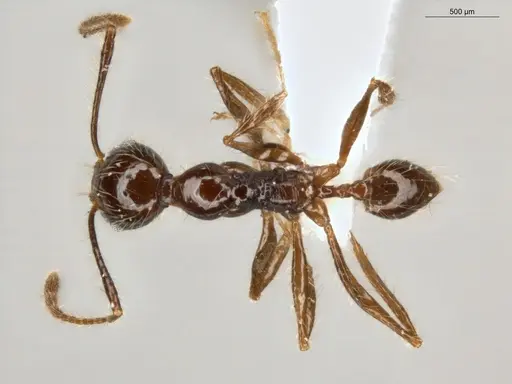
ECOFOG-MI15-0153-18
View on AntWeb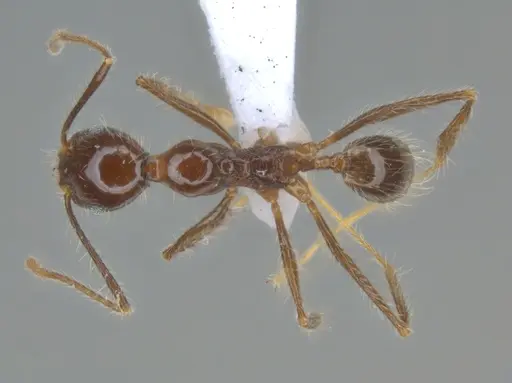
ECOFOG-PA14-0109-01-S
View on AntWeb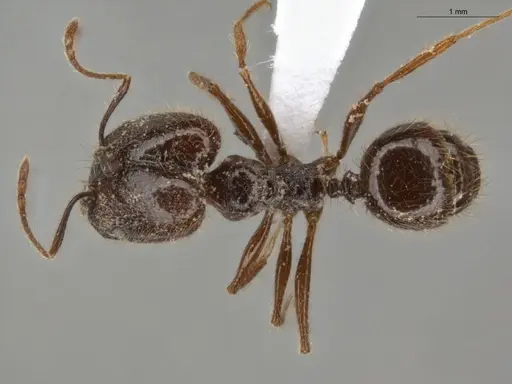
Literature
Loading...Loading products...