

Pheidole bula
- Scientific Name
- Pheidole bula
- Tribe
- Attini
- Subfamily
- Myrmicinae
- Author
- Sarnat, 2008
- Distribution
- Found in 1 countries
Pheidole bula Overview
Pheidole bula is an ant species of the genus Pheidole. It is primarily documented in 1 countries , including Fiji. Detailed taxonomic data and occurrence records can be further explored via authoritative databases such as AntWeb or the Global Biodiversity Information Facility (GBIF).
Pheidole bula
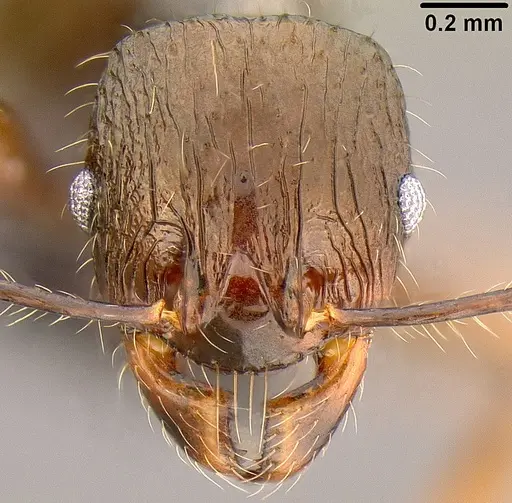
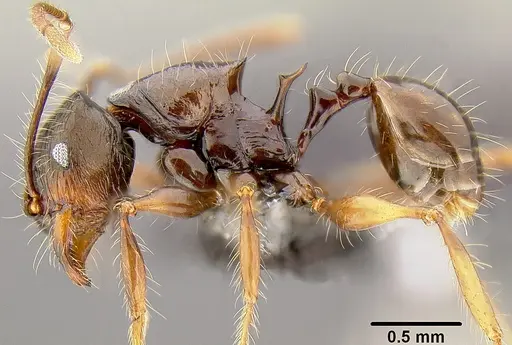
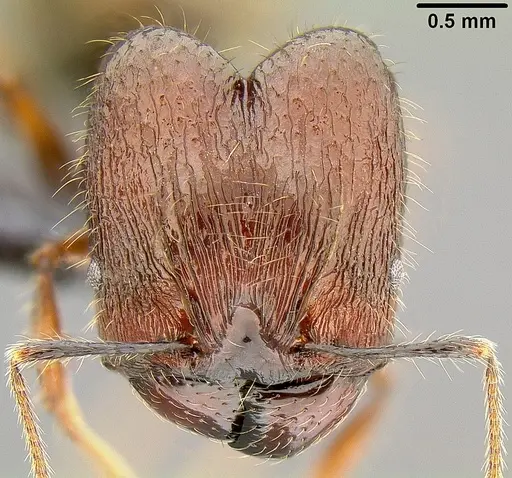
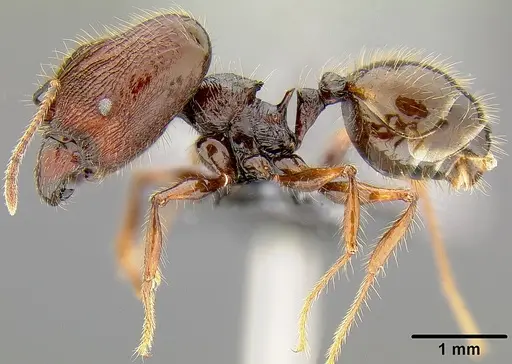
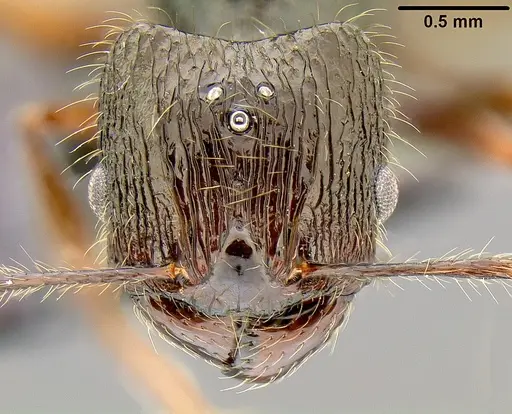
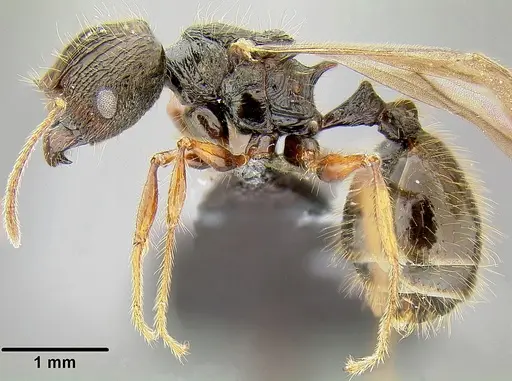
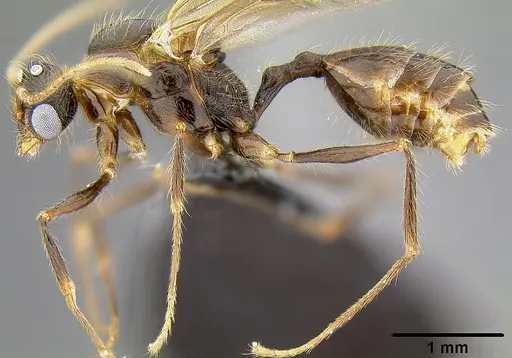
Pheidole bula is a small to medium-sized ant belonging to the roosevelti-group, endemic to Fiji. Majors measure 5.6-6.3mm while minors are 3.6-3.9mm. Queens reach 5.9-6.4mm. The species is distinguished by its spinescent morphology with modestly projecting propodeal spines and strong sculpturing, particularly the smooth, shiny spaces between facial rugae that set it apart from close relatives. The minor workers have a uniquely strong sculpturing on the ventral surface of the head. This ant gets its name from the Fijian word 'bula' meaning 'life', the ubiquitous greeting in Fiji. The species is only known from the summit of Mt. Tomanivi, Fiji's tallest mountain, making it one of the most geographically restricted ants in the world. Its precarious conservation status due to climate change pressures adds significance to any captive breeding efforts.
Quick Summary
- Difficulty: Expert
- Origin & Habitat: Endemic to Fiji, specifically Mt. Tomanivi on Viti Levu island at 1320m elevation, the highest point in Fiji. Nests are found under rocks and moss in both forested areas and exposed open sites at the mountain summit [1][2]. The species is restricted to high-elevation primary forests [3].
- Colony Type: Likely monogyne (single queen) based on typical Pheidole genus patterns. Colony size data is limited but related species in the roosevelti-group typically form moderate colonies.
- Colony: Monogyne
- Founding: Claustral
- Size & Growth:
- Queen: 5.85-6.36 mm [3]
- Worker: Major: 5.60-6.27 mm, Minor: 3.60-3.92 mm [1][2]
- Colony: Unknown for this specific species, estimated moderate based on related roosevelti-group members
- Growth: Moderate, inferred from typical Pheidole development patterns
- Development: 8-12 weeks estimated based on typical Pheidole genus development at optimal temperature (Development timeline not specifically studied, estimate based on genus-level data for similar spinescent Pheidole species)
- Antkeeping:
- Temperature: High elevation mountain habitat suggests preference for cooler temperatures than typical tropical ants. Aim for 20-24°C with a gentle gradient if possible. Avoid overheating, they naturally occur at higher elevations where temperatures are cooler [1][2].
- Humidity: Moderate to high, mountain summit environment with mossy nesting sites suggests humidity 60-80%. Keep substrate consistently moist but not waterlogged.
- Diapause: Unknown, high elevation species may have reduced activity during cooler months but specific diapause requirements unstudied
- Nesting: In the wild, they nest under stones and moss at exposed summit locations. In captivity, a naturalistic setup with moist substrate and flat stones or a Y-tong/plaster nest with chambers scaled to their small size works well. Provide some drier areas for workers to regulate their own humidity.
- Behavior: Typical Pheidole behavior, majors (soldiers) are present and help process food. Workers are active foragers, both minor and major castes participate in colony tasks. Minor workers are highly active and will readily explore. Escape prevention is important due to their small minor worker size, use fine mesh barriers. Not aggressive toward keepers but will defend the nest if threatened. Pheidole species can be skittish and may drop workers when disturbed.
- Common Issues: Very limited availability, this is an extremely rare species only known from a single mountain summit in Fiji, Climate change vulnerability, wild populations face extinction risk, making captive breeding ethically significant, Slow growth typical of high-elevation species requires patience, Wild-caught colonies may have parasites or health issues from limited gene pool, Escape prevention critical due to tiny minor workers
Conservation Significance
Pheidole bula represents one of the most geographically restricted ant species in the world, known only from the summit of Mt. Tomanivi in Fiji. With its closest relatives occupying lower elevations and no higher ground to retreat to as temperatures rise, researchers have expressed concern that climate change may push this species to extinction in the near future [1]. This makes any successful captive breeding effort particularly significant for conservation. If you obtain this species, you are potentially participating in a conservation-dependent breeding program. Consider connecting with researchers studying Fijian ants to document your colony's development and contribute to scientific knowledge about this rare species.
Origin and Natural Habitat
This species is endemic to Fiji, specifically found only on Mt. Tomanivi (also known as Mount Victoria), the tallest mountain in Fiji at 1,323 meters elevation. The type series was collected at approximately 1320m from an exposed mountain summit [1][2]. Nests were found under rocks and moss in both forested areas and open sites at this high-elevation location. The species belongs to the roosevelti-group and shows spinescent morphology with distinctive propodeal spines and mesosomal projections adapted to its mountain habitat [1][3]. The high-elevation environment means these ants are adapted to cooler, potentially more variable conditions than typical lowland tropical ants.
Temperature and Care
Based on their high-elevation mountain origin, Pheidole bula likely prefers cooler temperatures than many tropical ant species. Aim for a temperature range of 20-24°C in the nest area, avoiding overheating. A gentle temperature gradient allowing workers to choose their preferred zone works best. Room temperature in most homes (20-22°C) may be suitable without additional heating. Monitor colony activity, if workers cluster near any heat sources, reduce temperature slightly. The mountain summit origin also suggests they may tolerate cooler conditions better than typical tropical ants. Avoid temperatures above 28°C which could stress the colony.
Nesting Preferences
In the wild, Pheidole bula nests under stones and moss at exposed summit locations [2]. For captive care, provide a naturalistic setup with moist substrate and hiding spots like flat stones or pieces of moss. A Y-tong (acrylic) or plaster nest with appropriately scaled chambers also works well. The nest should have chambers sized for their small minor workers (3.6-3.9mm), avoid overly large, open spaces. Keep the substrate consistently moist but not waterlogged, as mountain environments typically have good moisture but also adequate drainage. Include some slightly drier areas within the setup so workers can self-regulate humidity.
Feeding and Diet
Like other Pheidole species, these ants are opportunistic omnivores. Offer a varied diet including protein sources (small insects like fruit flies, pinhead crickets, or mealworms) and carbohydrates (sugar water, honey, or diluted honey). Pheidole ants also often consume seeds, so you might offer small seeds as enrichment. Feed protein 2-3 times per week and keep sugar water available continuously. Remove uneaten prey after 24-48 hours to prevent mold. Minor workers will forage actively, so ensure food is accessible. The presence of major workers (soldiers) means they can process larger food items than many small ants.
Colony Structure and Castes
Pheidole bula exhibits the typical Pheidole dimorphic caste system with distinct major (soldier) and minor worker castes. Major workers measure 5.6-6.3mm and have the characteristic large heads with powerful mandibles used for processing food and colony defense [1]. Minor workers are smaller at 3.6-3.9mm and handle most foraging and brood care [2]. Queens are 5.9-6.4mm and are slightly larger than majors but with a distinct queen morphology including wings (alate) or dealate (after mating) [3]. The species shows remarkable morphological modifications to the propodeal spines, mesonotum, and head characteristic of the roosevelti-group .
Frequently Asked Questions
How rare is Pheidole bula in the antkeeping hobby?
Extremely rare. This species is only known from a single location, the summit of Mt. Tomanivi in Fiji. It is one of the most geographically restricted ant species in the world. You are unlikely to find this species in commercial ant shops, acquisition would likely require connecting with researchers or specialized collectors working with Fijian ant fauna.
What makes Pheidole bula different from other Pheidole species?
P. bula is distinguished by its spinescent morphology, it has notably projecting propodeal spines and acute mesosomal projections. The most diagnostic feature is the smooth, shiny spaces between its facial rugae, while close relatives like P. roosevelti and P. furcata have densely packed foveolae giving them a duller appearance. Minor workers have uniquely strong sculpturing on the ventral surface of the head.
Are Pheidole bula ants endangered?
Yes, they face significant extinction risk. With a highly restricted range limited to a single mountain summit and no higher elevations to retreat to as climate changes, researchers have expressed concern that P. bula may face extinction in the near future. Captive breeding efforts may be important for the species' survival.
What temperature should I keep Pheidole bula at?
Keep them cooler than typical tropical ants, aim for 20-24°C. Their high-elevation mountain origin means they prefer cooler conditions. Room temperature of 20-22°C is likely ideal. Avoid temperatures above 28°C which could stress the colony.
How long does it take for Pheidole bula to develop from egg to worker?
Estimated 8-12 weeks from egg to first worker based on typical Pheidole genus development patterns. The specific development timeline has not been studied for this species, but related spinescent Pheidole species in the roosevelti-group follow this general pattern at optimal temperatures.
Do Pheidole bula ants have majors (soldiers)?
Yes, they have distinct major and minor worker castes. Major workers are 5.6-6.3mm with large heads and powerful mandibles for processing food and defense. Minor workers are smaller at 3.6-3.9mm and handle most foraging and brood care.
What do Pheidole bula ants eat?
Like other Pheidole species, they are opportunistic omnivores. Offer small insects (fruit flies, pinhead crickets, mealworms) for protein 2-3 times weekly, and keep sugar water or honey available continuously. They may also accept small seeds. Remove uneaten food after 24-48 hours.
Can I keep multiple queens together?
Not recommended. Pheidole species are typically monogyne (single queen colonies). While not specifically studied for P. bula, combining unrelated queens of this species has not been documented and could result in aggression. Start with a single queen colony.
How big do Pheidole bula colonies get?
The maximum colony size is not documented for this specific species. Based on related roosevelti-group members, expect moderate-sized colonies, likely several hundred workers at maturity. Growth is moderate, requiring patience over months to years.
References

This caresheet is licensed under CC BY-SA 4.0 .
CASENT0171017
View on AntWeb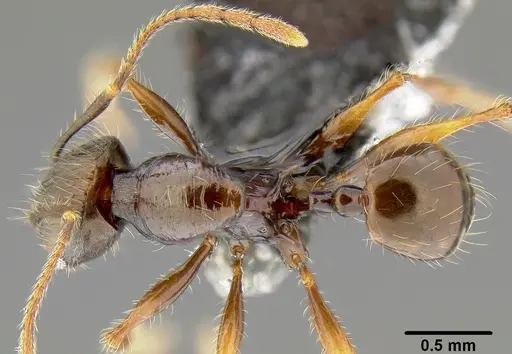
CASENT0171113
View on AntWeb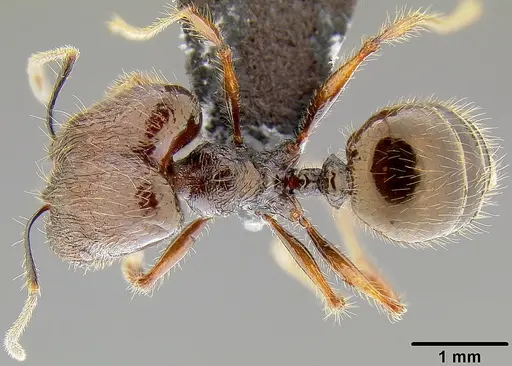
CASENT0171114
View on AntWeb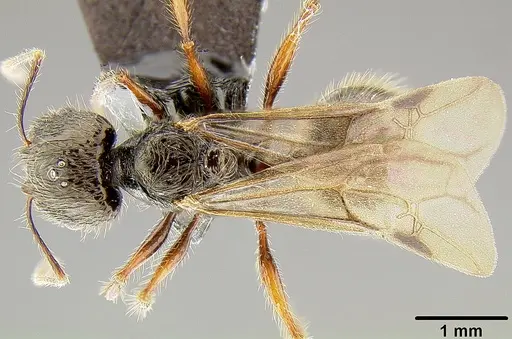
CASENT0171115
View on AntWeb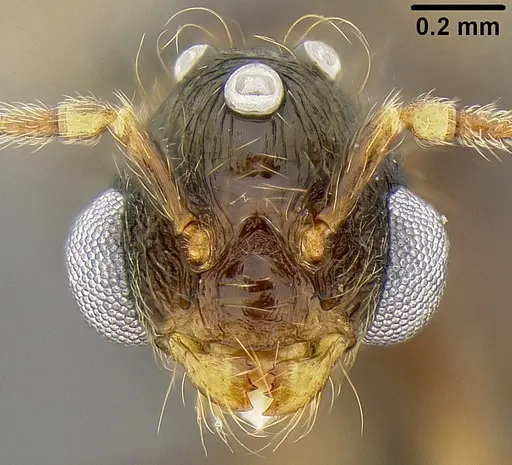
Literature
Loading...Loading products...