

Pheidole browni
- Scientific Name
- Pheidole browni
- Tribe
- Attini
- Subfamily
- Myrmicinae
- Author
- Wilson, 2003
- Distribution
- Found in 5 countries
Pheidole browni Overview
Pheidole browni is an ant species of the genus Pheidole. It is primarily documented in 5 countries , including Costa Rica, Guatemala, Honduras. Detailed taxonomic data and occurrence records can be further explored via authoritative databases such as AntWeb or the Global Biodiversity Information Facility (GBIF).
Pheidole browni
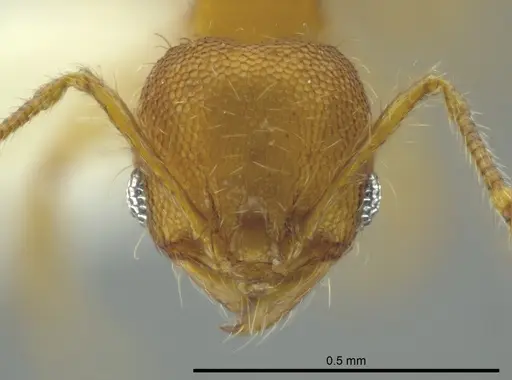
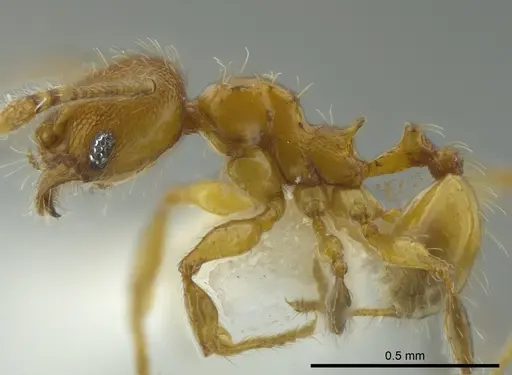
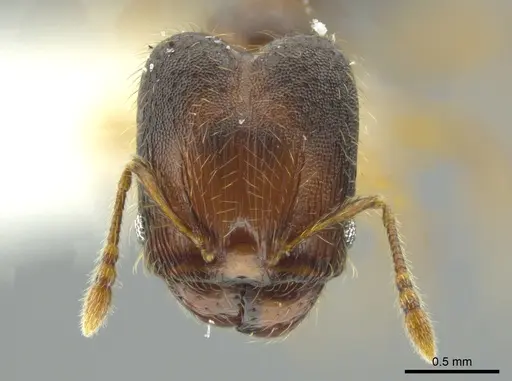
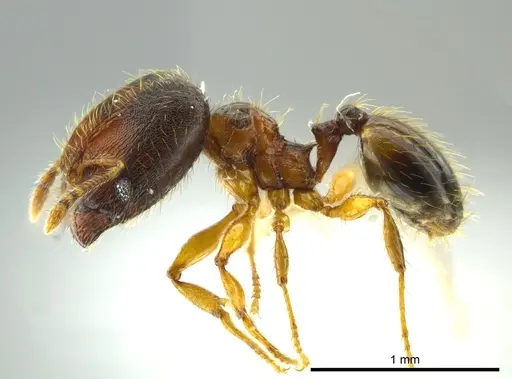
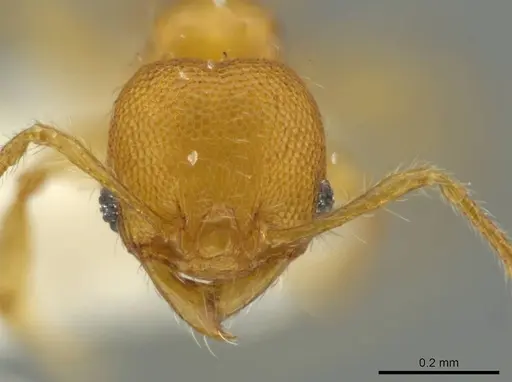
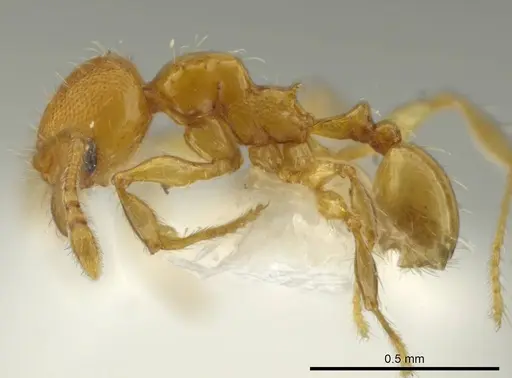
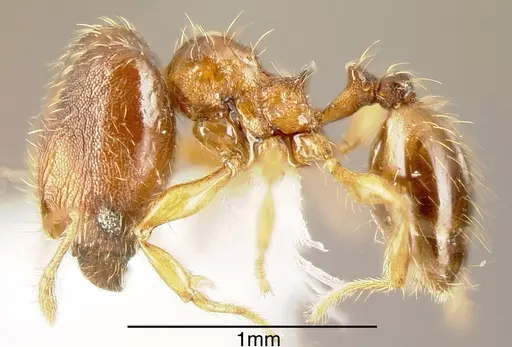
Pheidole browni is a small dimorphic ant native to the Neotropical rainforests of Central America. The species features two distinct worker castes: majors (soldiers) with an elongated head and light reddish-yellow coloration, and minors that are smaller and dark yellow. This ant belongs to the flavens group and is named in honor of William L. Brown, a pioneering ant systematist. Workers measure 0.36-0.64mm at the head, with majors reaching about 0.76mm in body length [1].
This species is notable for its seed-caching behavior, researchers found seed caches in four out of five wild colonies they examined. Colonies often spread across multiple nest sites on the forest floor, nesting in rotten sticks, dead wood, and occasionally nut husks. They inhabit wet lowland rainforest and cloud forest areas from sea level to 1100m elevation across Costa Rica, Guatemala, Honduras, Belize, Nicaragua, and Colombia [2][3].
Quick Summary
- Difficulty: Medium
- Origin & Habitat: Wet lowland rainforest and cloud forest of Central America (Costa Rica to Colombia), from sea level to 1100m elevation. Nests in rotten wood, dead sticks, and soil on the forest floor [4][2].
- Colony Type: Colonies appear to be monogyne (single queen) based on typical Pheidole patterns, though colony structure was not directly studied. Colonies can spread across multiple connected nest sites [4].
- Colony: Monogyne
- Founding: Claustral
- Size & Growth:
- Queen: Approximately 5-6mm (estimated from genus patterns)
- Worker: Minor: 0.36mm HW, Major: 0.64mm HW [1]
- Colony: Likely several hundred to a few thousand workers (typical for Pheidole in rainforest habitats)
- Growth: Moderate, tropical species with relatively fast development
- Development: 6-8 weeks (estimated based on typical Pheidole development in tropical conditions) (Development is likely faster than temperate species due to warm native climate)
- Antkeeping:
- Temperature: Keep at 24-28°C. This is a lowland tropical species native to warm, humid rainforest, they need consistent warmth without temperature swings [4].
- Humidity: High humidity is essential, aim for 70-85%. These ants come from wet forest environments where moisture is constant. Keep the nest substrate consistently moist but not waterlogged. Provide a water tube for drinking water.
- Diapause: No, as a tropical species, they do not require hibernation. Keep temperatures stable year-round.
- Nesting: Use a nest that retains moisture well, plaster nests, Y-tong (AAC), or naturalistic setups with damp soil work well. Provide a foraging area with access to moisture. These ants naturally nest in rotting wood and soil, so substrate-based nests mimic their natural conditions.
- Behavior: This is a relatively calm, non-aggressive species. Majors use their enlarged heads to crack seeds and defend the colony, while minors handle foraging and brood care. They are ground-nesting and may spread across multiple chambers. They are not known to be particularly escape-prone, but standard barrier precautions still apply. The seed-caching behavior observed in the wild means they may show interest in storing protein-rich foods.
- Common Issues: tropical humidity requirements can be difficult to maintain, monitor substrate moisture regularly, colonies may be slow to establish initially, patience is needed during founding, multi-site nesting behavior means they may need more space than expected as colonies grow, predatory ants like Simopelta are natural predators in the wild, keep colony secure from other insects
Nest Preferences and Housing
Pheidole browni naturally nests in rotting wood, dead sticks, and soil on the rainforest floor. In captivity, they do well in moisture-retaining nests like Y-tong (AAC), plaster nests, or naturalistic setups with damp soil substrate. The key is maintaining consistently high humidity without the nest becoming waterlogged. Provide a water tube connected to the nest so workers can drink. A foraging area should connect to the nest, allowing workers to venture out for food. Given their natural tendency to spread across multiple nest sites, consider providing extra chambers or space as the colony grows. Avoid dry environments, this species comes from wet forest habitats and will struggle in dry conditions. [2][4]
Feeding and Diet
In the wild, these ants are omnivorous and have been observed caching seeds, a behavior unusual for Pheidole and indicating they may process harder foods than typical. Feed a varied diet including: protein sources like small insects (fruit flies, small crickets, mealworms), and carbohydrate sources like sugar water, honey, or honeydew. The seed-caching behavior suggests they may appreciate small seeds or grain, though this should be offered experimentally. Feed protein 2-3 times per week and keep a constant sugar source available. Remove uneaten food after 48 hours to prevent mold. [4]
Temperature and Humidity
As a lowland tropical species, Pheidole browni needs warm, humid conditions. Maintain temperatures between 24-28°C consistently, avoid drafts, air conditioning, or temperatures below 22°C. Humidity should stay high at 70-85%. Use a hygrometer to monitor conditions. The nest substrate should feel damp to the touch but not have standing water. Mist the foraging area occasionally, but avoid directly misting the nest as this can flood chambers. A water tube provides drinking water and helps maintain humidity through evaporation. Keep the setup away from direct sunlight and heating vents. [4]
Colony Development and Growth
Colonies start with a claustral queen who seals herself in a chamber and raises the first brood alone on stored fat reserves. The first workers (nanitics) will be smaller than normal workers. After the first workers emerge, the colony enters a growth phase. Pheidole colonies typically grow at a moderate pace, expect the first 10-20 workers within 2-3 months under good conditions, with the colony reaching 100+ workers within a year. The presence of major workers (soldiers) typically appears once the colony reaches around 50 workers. Colonies may spread across multiple chambers as they grow, reflecting their natural multi-site nesting behavior.
Behavior and Defense
This is a relatively peaceful species compared to some Pheidole. Majors use their enlarged heads to crack seeds and defend the colony, while minors handle most foraging and brood care. They are not particularly aggressive toward keepers but will defend if threatened. The major workers' large heads make them appear more formidable than they are. They are not known to sting. Standard escape prevention (fluon on rim, tight-fitting lids) is sufficient, they are not exceptional escape artists like some tiny ant species. [1][4]
Frequently Asked Questions
How long does it take for Pheidole browni to produce first workers?
Expect first workers (nanitics) in about 6-8 weeks after the queen lays eggs, assuming temperatures around 26°C. Development is faster than temperate species due to their tropical origin.
What do Pheidole browni ants eat?
They are omnivorous. Feed small insects (fruit flies, pinhead crickets, mealworms) for protein 2-3 times weekly, and provide constant access to sugar water or honey. Their seed-caching behavior in the wild suggests they may accept small seeds experimentally.
Do Pheidole browni ants need hibernation?
No. As a tropical species from lowland rainforest, they do not require hibernation. Keep temperatures stable year-round between 24-28°C.
What humidity level do Pheidole browni need?
High humidity is essential, aim for 70-85%. Keep the nest substrate consistently moist but not waterlogged. This species naturally inhabits wet forest environments.
How big do Pheidole browni colonies get?
Based on typical Pheidole patterns, colonies likely reach several hundred to a few thousand workers. They naturally spread across multiple nest sites in the wild.
What type of nest is best for Pheidole browni?
Use a moisture-retaining nest like Y-tong (AAC), plaster, or naturalistic setup with damp soil. They naturally nest in rotting wood and soil on the forest floor.
Are Pheidole browni good for beginners?
This is a medium-difficulty species. The main challenges are maintaining high humidity and providing proper nutrition. If you can keep conditions warm and humid consistently, they are manageable for intermediate antkeepers.
When do Pheidole browni alates (reproductives) appear?
Winged queens have been observed in nests in March in Costa Rica. Nuptial flights likely occur during the wet season in tropical regions.
Can I keep multiple queens together?
Not recommended. Pheidole browni appears to be monogyne (single queen) in the wild. Combining unrelated queens has not been documented and may result in fighting.
Why are my Pheidole browni dying?
Common causes include: low humidity (tropical species need 70-85%), temperatures below 22°C, mold from overwatering or uneaten food, and stress during founding. Check your setup conditions first.
What makes Pheidole browni unique?
Their seed-caching behavior is unusual for Pheidole, researchers found seeds stored in 4 out of 5 wild colonies. They also spread colonies across multiple nest sites, which is less common in ants.
References

This caresheet is licensed under CC BY-SA 4.0 .
CASENT0624050
View on AntWeb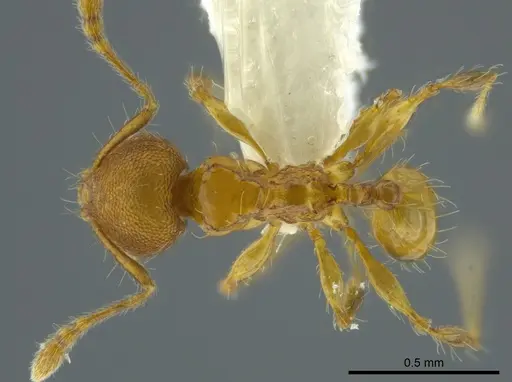
CASENT0624353
View on AntWeb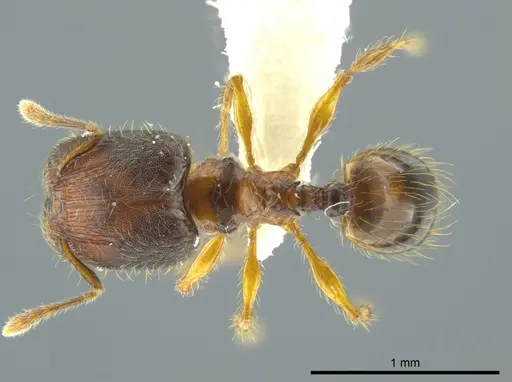
CASENT0635445
View on AntWeb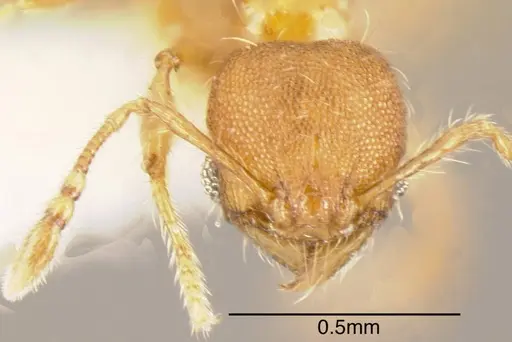
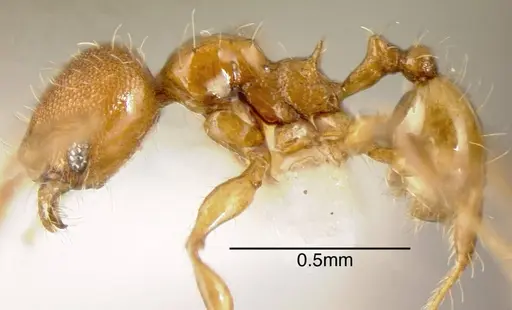
CASENT0644960
View on AntWeb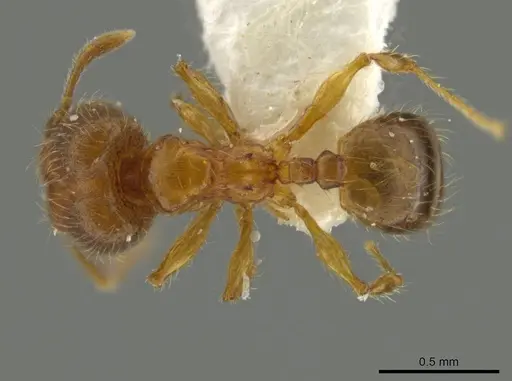
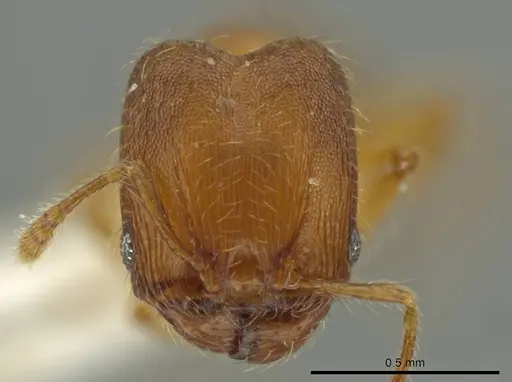
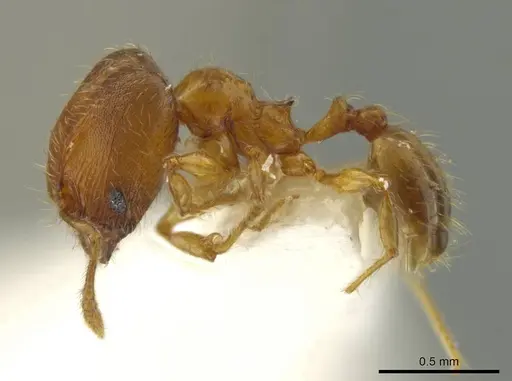
CASENT0644961
View on AntWeb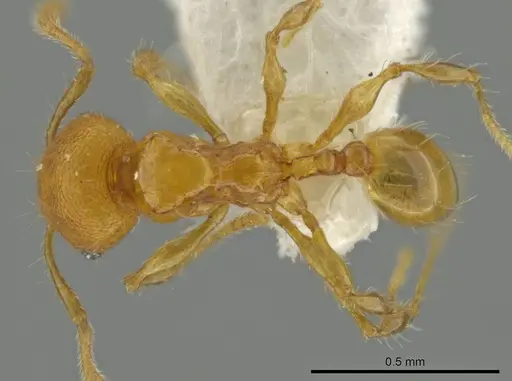
INBIOCRI001282121
View on AntWeb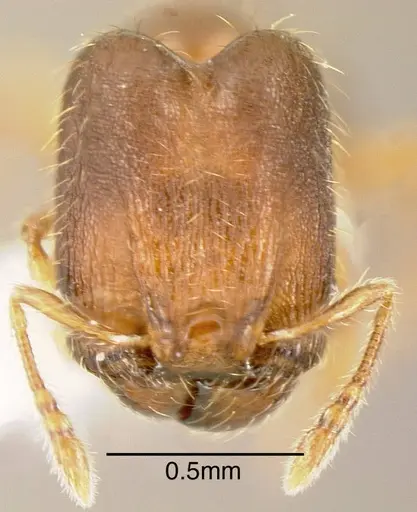
Literature
Loading...Loading products...