

Pheidole brevicona
- Scientific Name
- Pheidole brevicona
- Tribe
- Attini
- Subfamily
- Myrmicinae
- Author
- Mayr, 1887
- Distribution
- Found in 1 countries
Pheidole brevicona Overview
Pheidole brevicona is an ant species of the genus Pheidole. It is primarily documented in 1 countries , including Brazil. Detailed taxonomic data and occurrence records can be further explored via authoritative databases such as AntWeb or the Global Biodiversity Information Facility (GBIF).
Pheidole brevicona
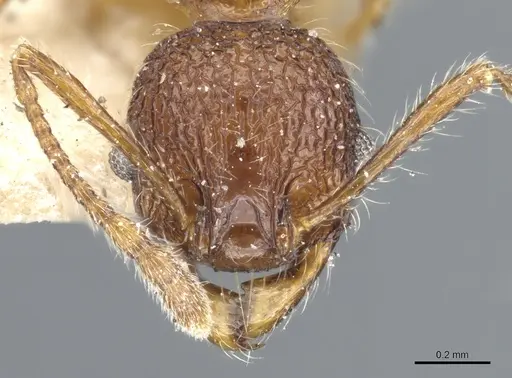
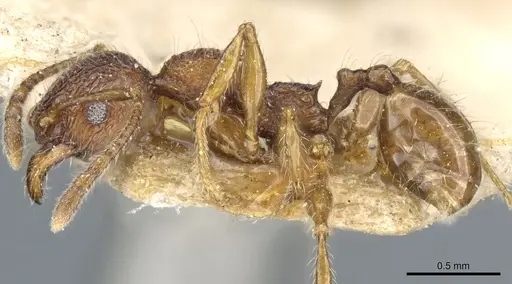
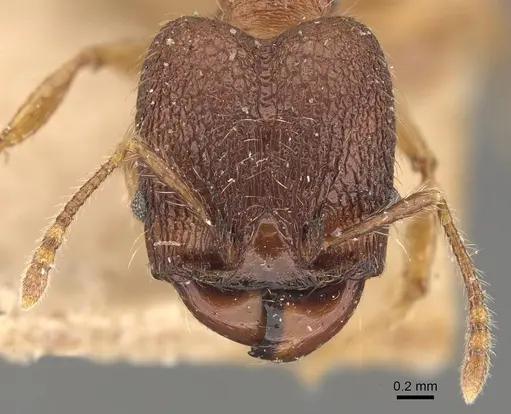
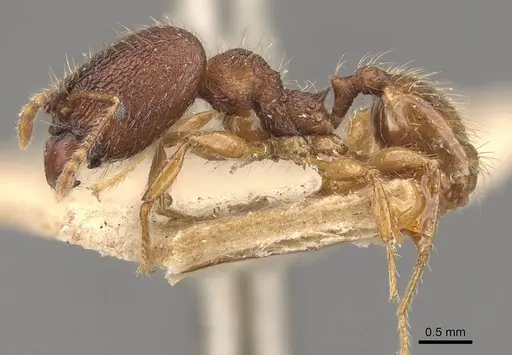
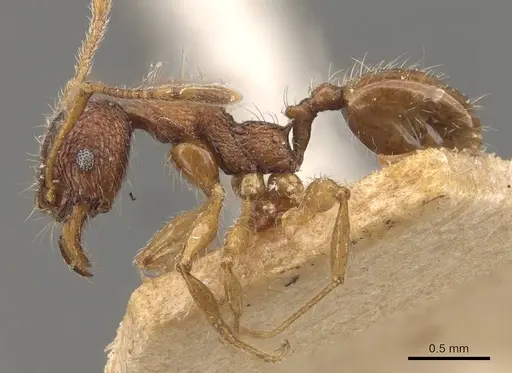
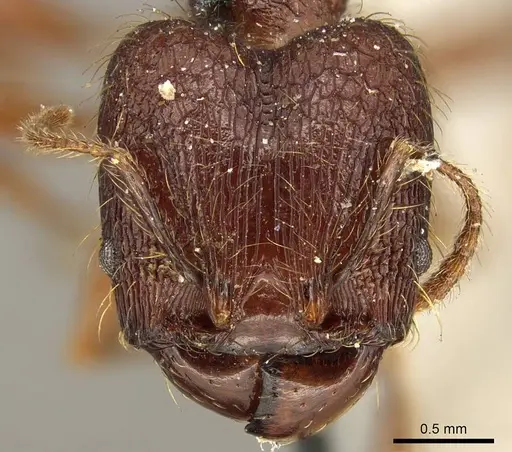
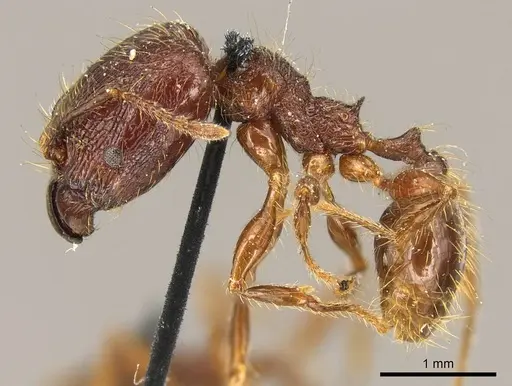
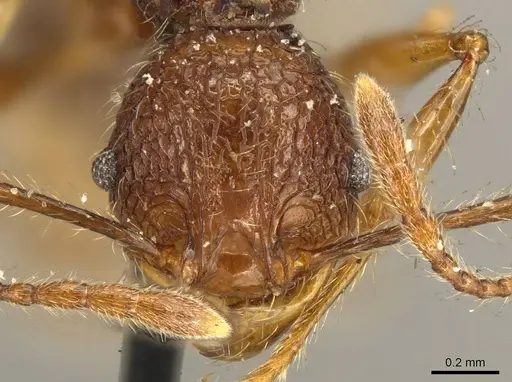
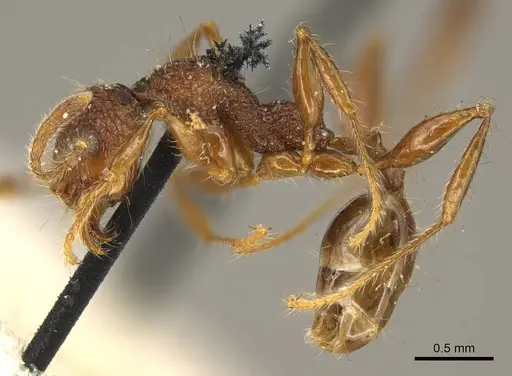
Pheidole brevicona is a small Neotropical ant belonging to the tribe Attini, known for its distinct major and minor worker castes. Majors measure approximately 1.72mm in head width with a chunky, heavily sculptured body in medium reddish brown, while minors are much smaller at around 0.74mm with brownish yellow appendages. This species belongs to the tristis group and shows extensive rugoreticulation (wrinkle-like sculpturing) across much of its body. The species was originally described by Mayr in 1887 and is found only in southeastern Brazil, specifically in São Paulo and Santa Catarina states. The name 'brevicona' means 'short cone, ' likely referring to the cone-shaped postpetiolar node that helps distinguish it from similar species [1].
Quick Summary
- Difficulty: Medium
- Origin & Habitat: Native to the Atlantic Forest region of southeastern Brazil, specifically São Paulo and Santa Catarina states. This species has been collected in submontane semidecidual seasonal forest fragments in advanced stages of recovery [2][1].
- Colony Type: Colony structure is unconfirmed. Most Pheidole species are monogyne (single queen), though some can be polygyne. No data exists on whether P. brevicona has ergatoid replacement reproductives.
- Founding: Claustral
- Size & Growth:
- Queen: Undescribed in literature, estimated 6-9mm based on genus patterns
- Worker: Major workers: HW 1.72mm, Minor workers: HW 0.74mm [1]
- Colony: Unknown, typical Pheidole colonies reach hundreds to low thousands of workers
- Growth: Moderate, estimated based on genus patterns
- Development: Estimated 6-8 weeks at tropical temperatures based on related species (Development timeline is unconfirmed for this species, estimates based on typical Pheidole patterns at 24-28°C)
- Antkeeping:
- Temperature: Keep at 24-28°C. This is a Brazilian tropical species, so warmth is important for brood development. A gentle gradient allowing workers to self-regulate is ideal.
- Humidity: Moderate to high, aim for 60-80% humidity. The Atlantic Forest is a humid environment, so keep the nest substrate consistently moist but not waterlogged. Provide a water source.
- Diapause: Unlikely, as a tropical Brazilian species, they probably do not require a true hibernation period. They may show reduced activity during cooler months.
- Nesting: In nature, they likely nest in soil or rotting wood in forest floor environments. In captivity, a Y-tong (AAC) nest, plaster nest, or naturalistic setup with moist substrate works well. They prefer tight, humid chambers.
- Behavior: Pheidole species are generally docile and not aggressive. Majors serve as soldiers and for crushing seeds, while minors handle most foraging and brood care. They are active foragers that harvest seeds and tend aphids. Their small size makes them good escape artists, use fine mesh barriers and tight-fitting lids. They are not known to sting significantly.
- Common Issues: escape prevention is critical due to their small size, minors can squeeze through tiny gaps, tropical species may struggle in cool rooms below 22°C, colonies may grow slowly initially, patience is required, wild-caught colonies may harbor parasites that can decimate the colony, overfeeding can lead to mold problems in enclosed nests
Housing and Nest Setup
Pheidole brevicona is a small ant that needs appropriately scaled housing. A Y-tong (AAC) nest or plaster nest works well, both hold humidity effectively and provide the dark, tight chambers these ants prefer. The nest should have chambers sized for their minor workers (around 0.74mm) with passages that majors can navigate. A naturalistic setup with moist soil and some rotting wood pieces also works, mimicking their forest floor habitat. Always use excellent escape prevention, these tiny ants can squeeze through gaps you wouldn't expect. Apply Fluon or similar barrier to the rim of the outworld, and use fine mesh on any ventilation.
Feeding and Diet
As members of the tribe Attini, Pheidole ants are primarily granivorous, they collect and process seeds. They also supplement their diet with honeydew from aphids and small insects. In captivity, offer a mix of seeds (millet, chia, flax seeds work well), protein sources like small mealworms or cricket pieces, and sugar water or honey. Provide protein 2-3 times per week and keep a constant sugar source available. Remove uneaten prey after 24-48 hours to prevent mold. Seeds should always be available, majors will crack them open for the colony.
Temperature and Humidity
This Brazilian species needs warm, humid conditions. Keep the nest at 24-28°C, a heating cable on one side of the nest creates a gentle gradient that workers will use to self-regulate. Place the heating on top of the nest, not underneath, to avoid drying out the substrate too quickly. Humidity should be 60-80%, the nest substrate should feel damp but not have standing water. A water reservoir in test tube setups helps maintain humidity. Monitor condensation levels as a guide, some condensation is good, but excessive pooling can drown colonies.
Colony Development
Pheidole brevicona has major and minor worker castes. The larger majors (soldiers) develop from larvae that receive more food, this is called dependent or directed development. First workers (nanitics) are typically smaller than normal workers. The colony will grow from a founding queen with just a few workers to eventually hundreds or thousands. Growth rate is moderate, expect several months before you see significant colony size. Once established, colonies can live for many years with the queen laying eggs continuously.
Behavior and Temperament
Pheidole brevicona is a docile species that focuses on seed harvesting and brood care rather than aggression. Majors are specialized soldiers and food processors, not aggressive defenders. When threatened, the colony will more likely flee than attack. They are active foragers that will send workers out to collect seeds and protein. The small size of minors (about 0.74mm) means they can access food sources many other ants cannot. They are not known to sting, making them safe to handle.
Frequently Asked Questions
How long does it take for Pheidole brevicona to produce first workers?
Estimated 6-8 weeks from egg to first worker at optimal temperatures (24-28°C). This is based on typical Pheidole development patterns since specific data for P. brevicona does not exist. Founding queens may take longer as they raise brood alone.
What do Pheidole brevicona ants eat?
They are primarily seed-harvesters (granivorous) like other Attini tribe ants. Offer seeds like millet, chia, or flax. They also need protein from small insects (mealworms, crickets) and sugar sources (honey water, sugar water). Provide seeds constantly, protein 2-3 times weekly, and sugar water always available.
Can I keep multiple Pheidole brevicona queens together?
Not recommended without specific data. Most Pheidole species are monogyne (single queen). Combining unrelated foundresses has not been documented for this species and typically leads to fighting. Start with one queen per colony.
What temperature do Pheidole brevicona ants need?
Keep them at 24-28°C. This is a tropical Brazilian species that needs warmth for proper brood development. A heating cable on part of the nest creates a gradient that workers will use to regulate their temperature.
How big do Pheidole brevicona colonies get?
Colony size is unconfirmed for this species, but typical Pheidole colonies reach several hundred to a few thousand workers. The presence of major workers (soldiers) means the colony has reached moderate size.
Do Pheidole brevicona ants need hibernation?
Unlikely. As a tropical species from southeastern Brazil, they probably do not require a true hibernation period. They may show reduced activity in cooler months but no special overwintering preparations are needed.
When should I move Pheidole brevicona to a formicarium?
Wait until the colony has at least 50-100 workers before moving to a formicarium. Test tube setups work well for founding colonies. Moving too early can stress the colony. Once established in a formicarium, they are easier to observe.
Why are my Pheidole brevicona ants escaping?
Their small size makes them excellent escape artists. Use fine mesh (at least 0.5mm or smaller), apply Fluon or similar barrier to all rims, and ensure all connections are tight. Check for tiny gaps around tubing connections.
Is Pheidole brevicona good for beginners?
Medium difficulty. They are docile and interesting to watch with their major/minor castes, but their small size and specific temperature/humidity needs make them slightly more challenging than common species like Lasius or Camponotus. Experienced beginners should do well with this species.
References

This caresheet is licensed under CC BY-SA 4.0 .
CASENT0904336
View on AntWeb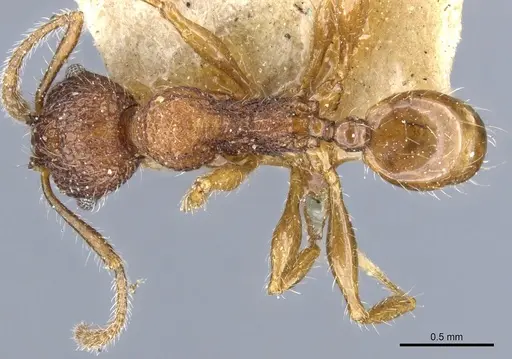
CASENT0908100
View on AntWeb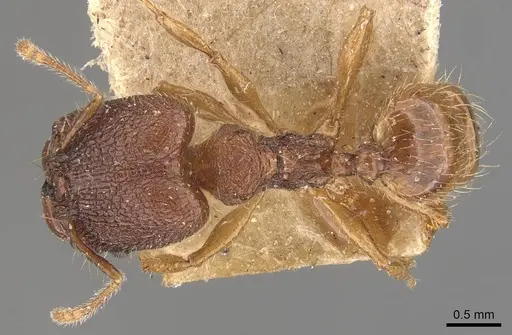
CASENT0908101
View on AntWeb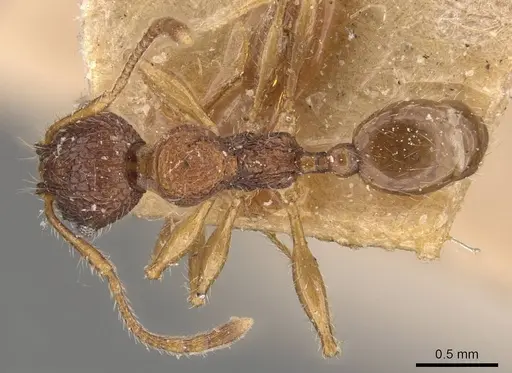
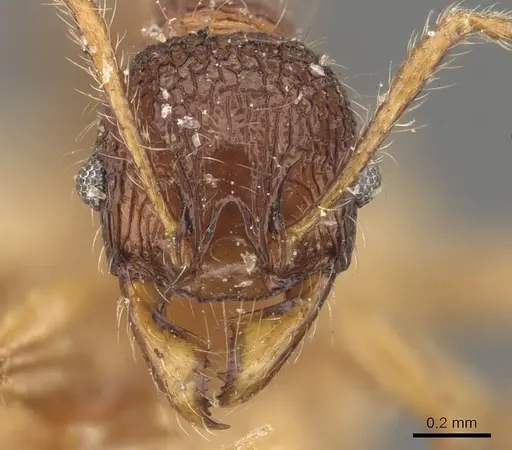
CASENT0916052
View on AntWeb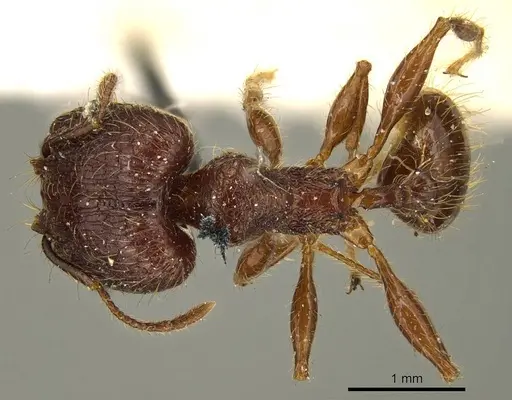
CASENT0916053
View on AntWeb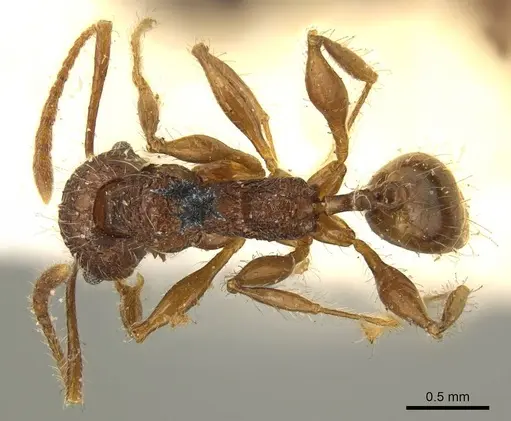
Literature
Loading...Loading products...