

Pheidole braueri
- Scientific Name
- Pheidole braueri
- Tribe
- Attini
- Subfamily
- Myrmicinae
- Author
- Forel, 1897
- Distribution
- Found in 1 countries
Pheidole braueri Overview
Pheidole braueri is an ant species of the genus Pheidole. It is primarily documented in 1 countries , including Seychelles. Detailed taxonomic data and occurrence records can be further explored via authoritative databases such as AntWeb or the Global Biodiversity Information Facility (GBIF).
Pheidole braueri
Pheidole braueri is a tiny big-headed ant species endemic to Silhouette Island in the Seychelles archipelago. Major workers have the characteristic Pheidole enlarged head with a rectangular shape, while minor workers are small and slender. Both castes have relatively short antennae and legs compared to other Pheidole species. The species is reddish-brown with lighter legs and a darker gaster. This is a poorly documented species with no published biological studies, what we know comes from specimen measurements and morphology. The genus Pheidole is known for having two worker castes (majors and minors), with majors specialized for seed-crushing and defense.
Quick Summary
- Difficulty: Unknown, likely Medium based on genus patterns
- Origin & Habitat: Silhouette Island, Seychelles, collected from forest habitats [1][2]
- Colony Type: Likely monogyne (single queen) based on typical Pheidole patterns, colony structure is unconfirmed for this species
- Colony: Monogyne
- Founding: Claustral
- Size & Growth:
- Queen: Undescribed, estimated 5-7mm based on related Seychelles Pheidole species
- Worker: Major: 1.05-1.13mm head width, Minor: 0.42-0.45mm head width [1][2]
- Colony: Unknown, likely reaches several hundred workers based on typical Pheidole colony sizes
- Growth: Unknown, likely moderate based on genus patterns
- Development: Estimated 6-8 weeks at tropical temperatures (25-28°C) based on typical Pheidole development (Development timeline is estimated from genus-level data since no species-specific studies exist)
- Antkeeping:
- Temperature: Keep at 24-28°C, these are tropical island ants from the Seychelles. A gentle gradient allowing them to choose their preferred temperature is ideal.
- Humidity: Maintain moderate to high humidity (60-80%). Being an island forest species, they likely prefer conditions that don't fully dry out. Keep the nest substrate consistently moist but not waterlogged.
- Diapause: Unlikely, being from a tropical island near the equator, they probably don't require a true hibernation. However, a slight cool period during the dry season (around 20°C) may be natural.
- Nesting: In nature they likely nest in soil under stones or in rotting wood, common for forest-dwelling Pheidole. In captivity, a test tube setup works well for founding, transitioning to a Y-tong or plaster nest as the colony grows. Keep nest chambers appropriately scaled to their tiny size.
- Behavior: Pheidole ants are generally non-aggressive toward keepers but will defend their nest. Major workers use their enlarged heads to crush seeds and may assist in defense. They are active foragers that search for seeds and small insects. Escape risk is moderate, minors are very small (under 0.5mm) so fine mesh barriers are recommended. They do not have a functional stinger and pose no danger to humans.
- Common Issues: very small minor workers can easily escape through standard test tube cotton or gaps in lids, use fine mesh and check connections regularly, lack of species-specific care information means keepers must rely on genus-level guidance and adjust based on colony behavior, wild-caught colonies may have parasites or diseases that can cause colony failure in captivity, overfeeding can lead to mold problems in small nest setups, remove uneaten prey promptly, slow colony growth may cause keepers to lose patience or over-manipulate the nest
Appearance and Identification
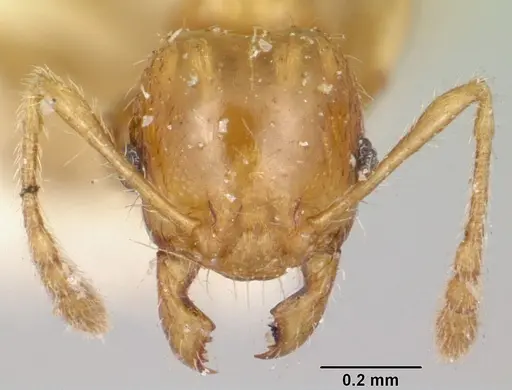
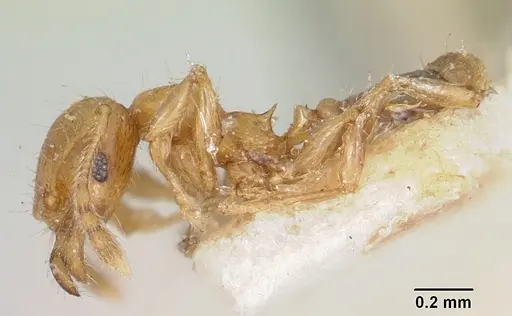
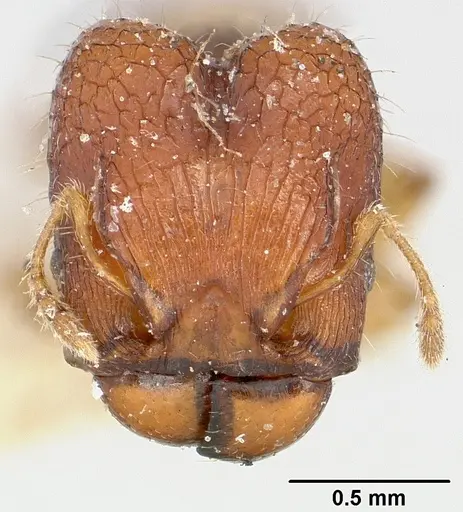
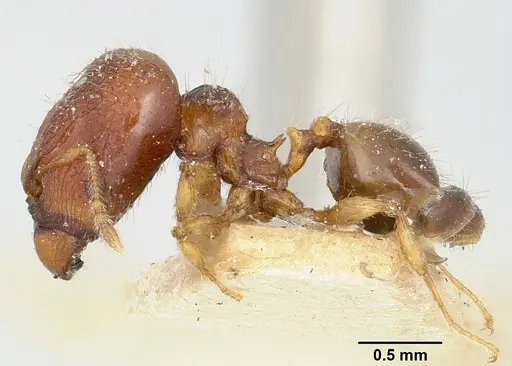
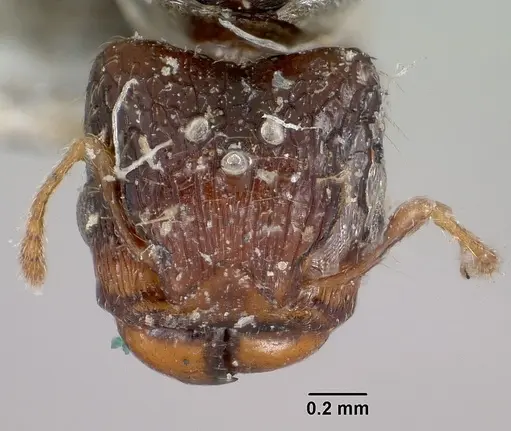
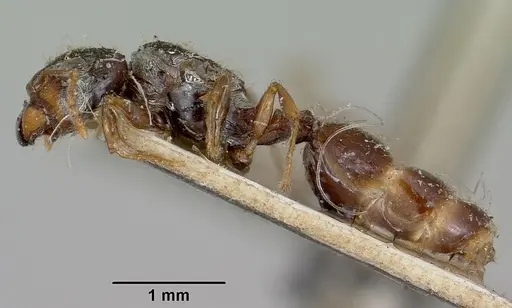
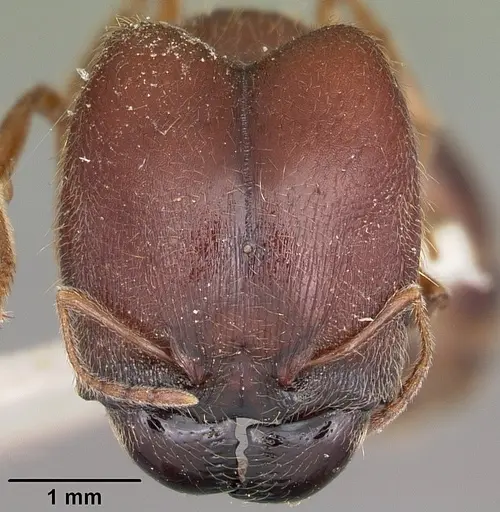
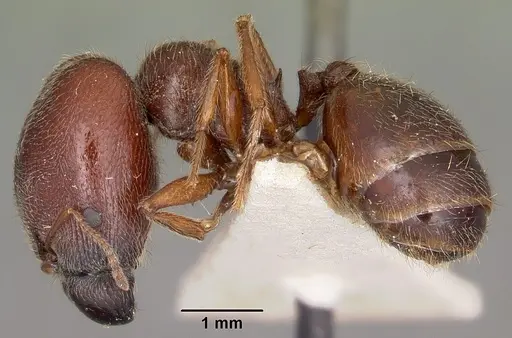
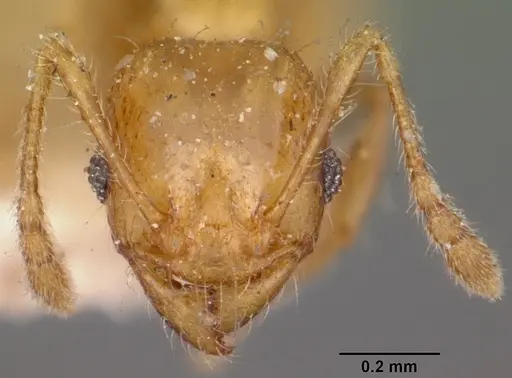
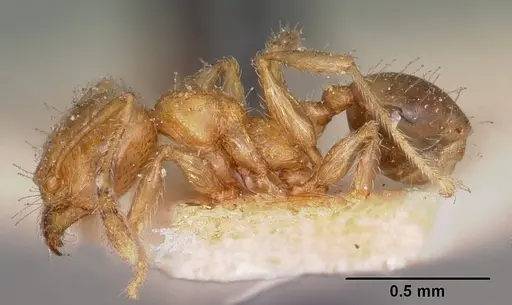
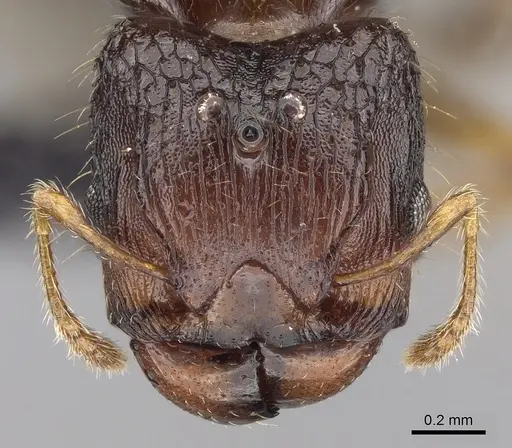
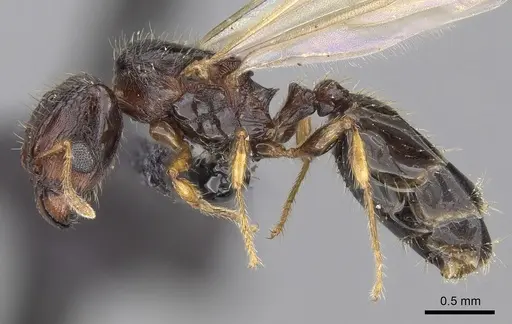
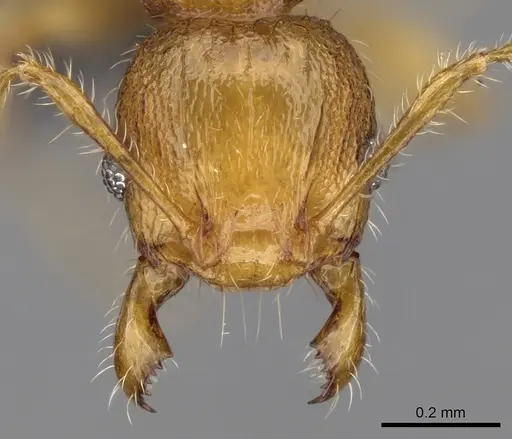
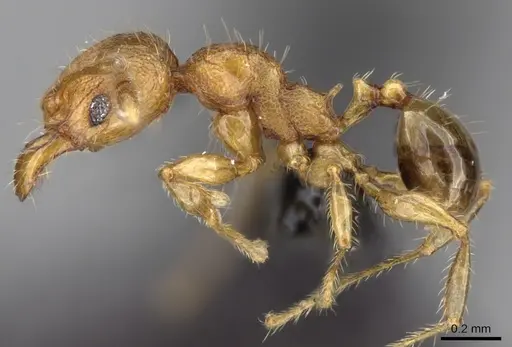
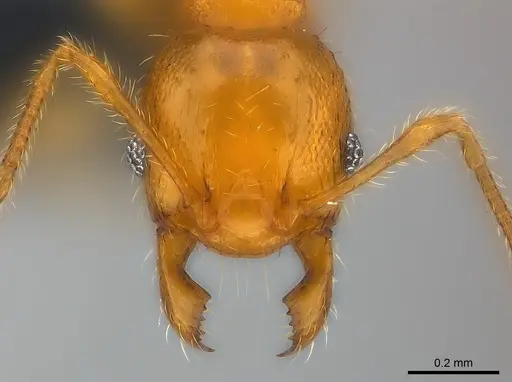
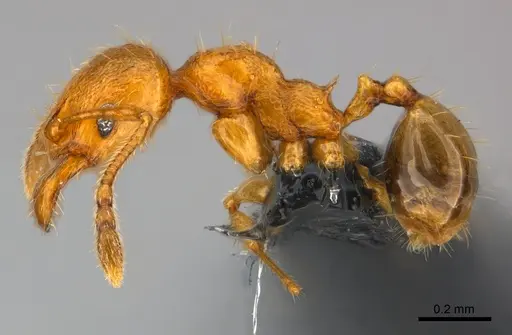
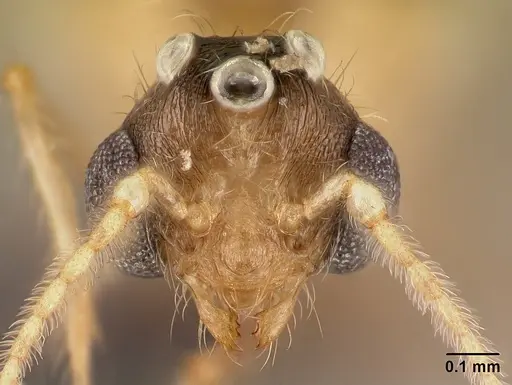
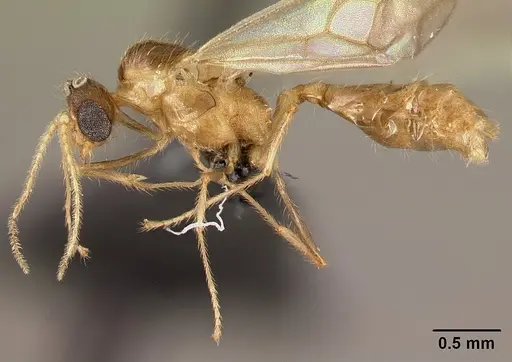
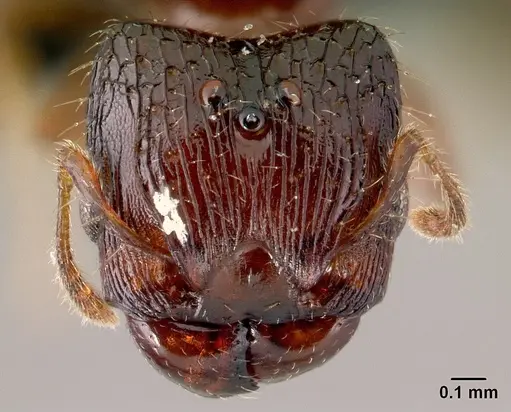
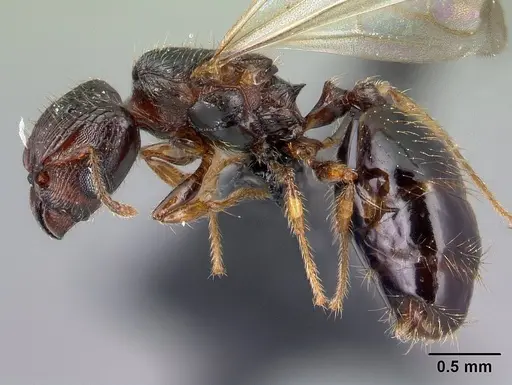
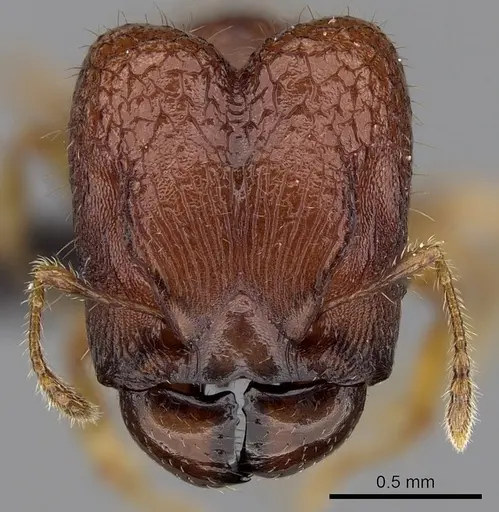
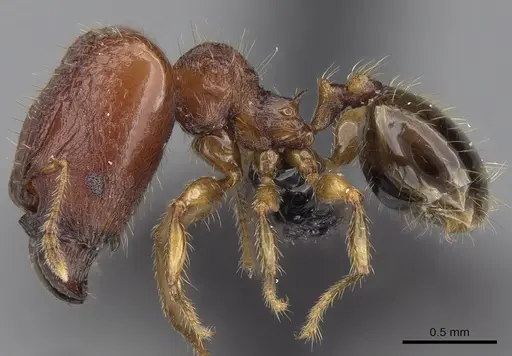
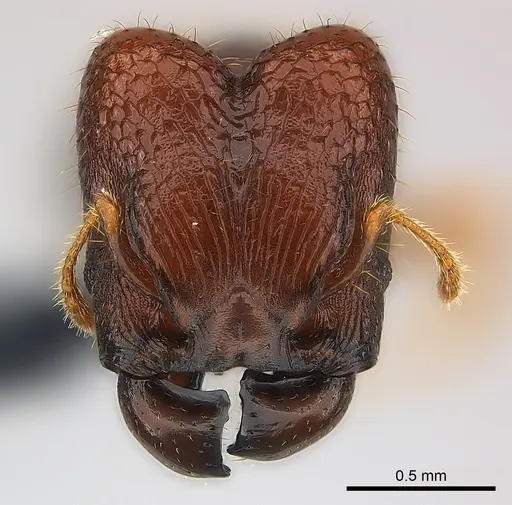
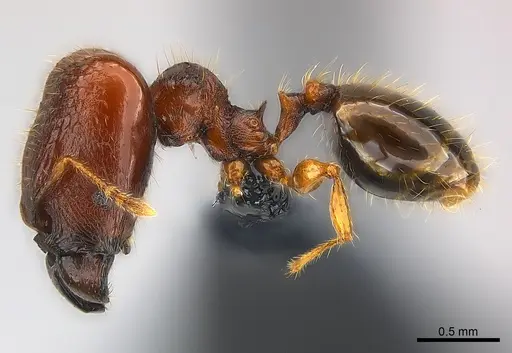
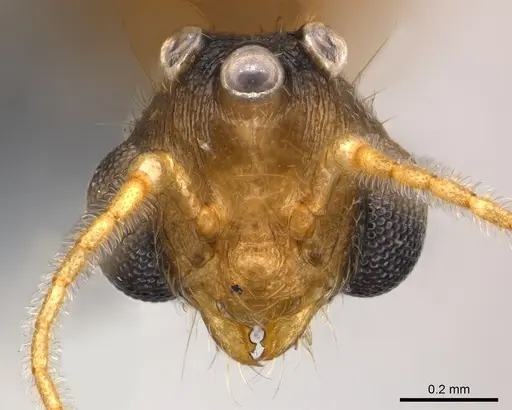
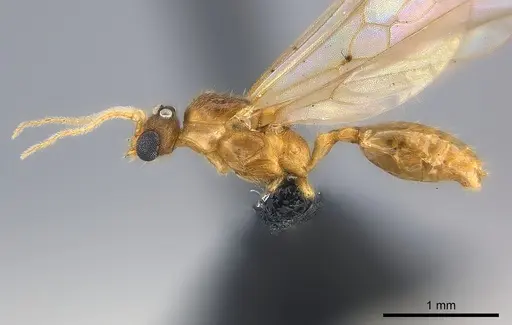
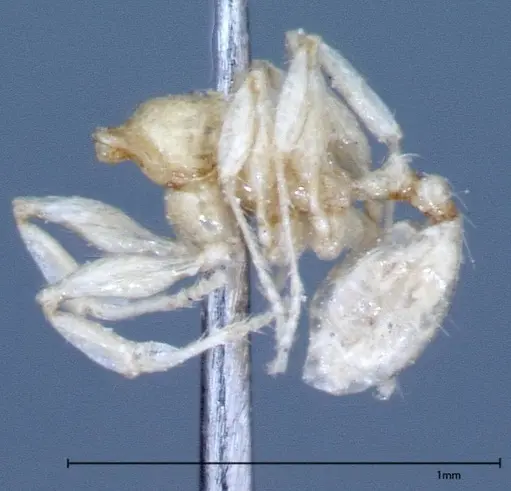
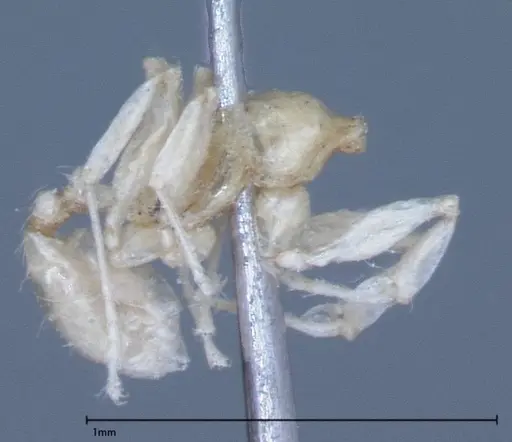
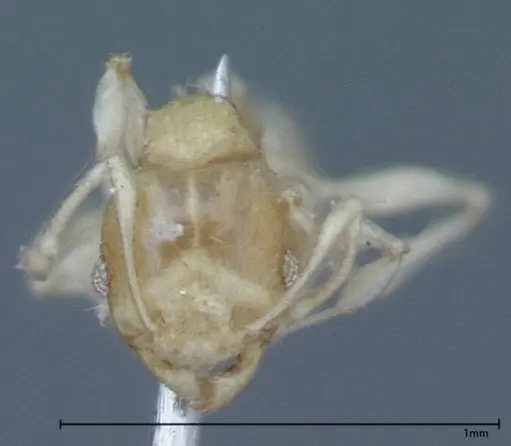
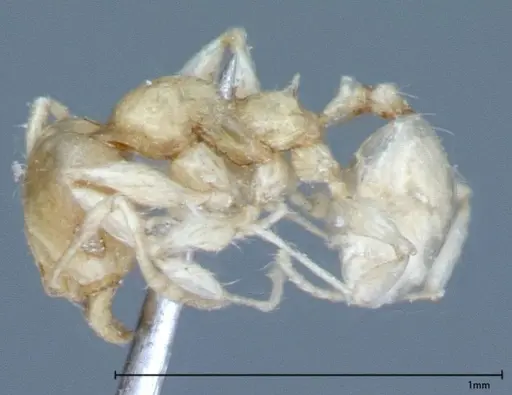
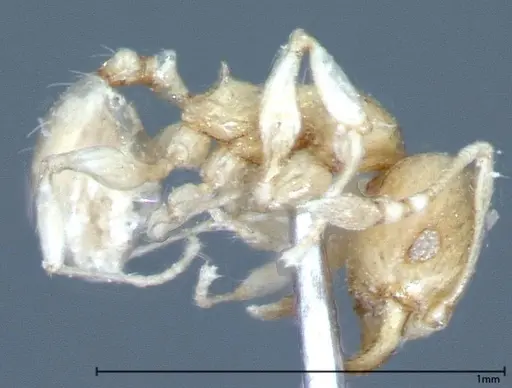
Pheidole braueri is a small species with two distinct worker castes. Major workers have the signature Pheidole 'big head', rectangular and longer than wide, with strongly divergent frontal carinae that extend about three-fifths toward the back of the head. Their mandibles are compact and relatively short. Minor workers are much smaller with a subrectangular head that is nearly as wide as long, and they have smooth to weakly punctate facial sculpture. Both castes have short scapes (antenna segments) and legs compared to many other Pheidole species. The color is reddish-brown with noticeably lighter legs and a darker gaster (abdomen). The propodeal spines are relatively long in majors and short in minors. This species is currently only known from Silhouette Island in the Seychelles, making it a potential island endemic. [1][2]
Natural History and Distribution
This species is known only from Silhouette Island in the Seychelles archipelago, where it has been collected in forest habitats. The original type specimens were collected by August Brauer in the late 1800s from either Mahé or Silhouette Island, but subsequent collections confirm it on Silhouette Island. This suggests the species may be restricted to that single island, a pattern seen in several Seychelles endemics. Beyond the specimen collection data, no published biological studies exist for this species. We don't have information on their diet, nesting behavior, colony size, or reproductive biology in the wild. This makes them both interesting (as a potentially rare endemic) and challenging (as there's no established care literature) for antkeepers. [1][2]
Housing and Nest Setup
For founding colonies, a standard test tube setup works well. Fill one-third of a clean test tube with water, plug with cotton, and place the queen in the open end. Secure the tube in a dark, vibration-free location and wait for her to seal the chamber with debris or move to the humid end. Once the first workers (nanitics) emerge and the colony has grown to 20-30 workers, you can consider moving to a more permanent setup. For established colonies, a Y-tong (acrylic) nest or plaster nest works well, both allow you to control humidity easily. The chambers should be appropriately sized for their tiny minor workers (under 0.5mm body length). Avoid large, open spaces in the outworld that could overwhelm such small foragers. A small foraging area with a well-secured lid is essential, these ants are tiny and can squeeze through surprisingly small gaps.
Feeding and Diet
Like most Pheidole species, P. braueri likely has an omnivorous diet. In the wild, they probably harvest seeds and hunt small insects. For captive feeding, offer a varied diet: protein sources like small fruit flies, pinhead crickets, or mealworm pieces twice weekly, and a sugar source like sugar water, honey, or diluted honey water constantly. Given their tiny size, prey items should be appropriately small, flightless fruit flies or small springtails are ideal. Remove any uneaten prey within 24-48 hours to prevent mold. The major workers' enlarged heads are adapted for seed crushing, so you might experiment with offering tiny seeds like chia or flax, though this is optional. Observe your colony's preferences and adjust accordingly.
Temperature and Humidity
As inhabitants of a tropical island near the equator, these ants prefer warm, humid conditions. Keep the nest area at 24-28°C, this is warmer than many temperate species require. You can use a heating cable on one side of the nest to create a gentle gradient, allowing workers to regulate their own temperature by moving between warmer and cooler areas. For humidity, aim for 60-80% relative humidity. The nest substrate should feel consistently moist but never waterlogged. Mist the outworld occasionally and monitor condensation levels in the nest. Being from a forest island environment, they likely don't tolerate drying out well. A small water test tube connected to the nest can help maintain humidity over time.
Colony Development and Growth
The founding queen will seal herself in a chamber and lay her first batch of eggs. She lives entirely on her stored fat reserves (claustral founding) until the first workers emerge, this is typical for Pheidole. The first workers, called nanitics, are often smaller than normal workers but quickly begin foraging to support the growing colony. Development from egg to worker likely takes 6-8 weeks at optimal temperatures (around 25-28°C), based on typical Pheidole development patterns. Colony growth is initially slow but accelerates once the first workers are established. Expect several months to reach 50 workers, and potentially a year or more to reach several hundred. Patience is key with this species, Pheidole colonies can live for many years with proper care.
Frequently Asked Questions
How long does it take for Pheidole braueri to produce first workers?
Based on typical Pheidole development, expect 6-8 weeks from egg to worker at optimal temperatures (25-28°C). The queen will seal herself in and raise the first brood alone. Once nanitics emerge, the colony enters a slow growth phase before accelerating.
What do Pheidole braueri ants eat?
They are omnivorous. Offer small protein sources like fruit flies, pinhead crickets, or mealworm pieces twice weekly, plus a constant sugar source like sugar water or honey. Their tiny size means prey should be appropriately small.
What temperature do Pheidole braueri ants need?
Keep them at 24-28°C, they are tropical island ants from the Seychelles. A gentle temperature gradient allowing them to choose their preferred zone is ideal.
How big do Pheidole braueri colonies get?
The maximum colony size is unknown for this species, but based on typical Pheidole patterns, they likely reach several hundred workers. They have two worker castes: majors (larger, big-headed) and minors (tiny foragers).
Can I keep multiple Pheidole braueri queens together?
This has not been documented for this species. Most Pheidole are monogyne (single queen), and combining unrelated queens is not recommended without evidence they can coexist peacefully.
Do Pheidole braueri ants need hibernation?
Unlikely, being from a tropical island near the equator, they probably don't require true hibernation. A slight cool period (around 20°C) during the dry season may be natural, but is not required in captivity.
What is the best nest type for Pheidole braueri?
Start with a test tube for founding. Once the colony reaches 20-30 workers, a Y-tong or plaster nest works well. The key is keeping chambers appropriately scaled to their tiny size and maintaining humidity.
Why are my Pheidole braueri ants dying?
Common causes include: incorrect humidity (too dry or too wet), temperature stress, mold from overfeeding, or escape through tiny gaps. Their very small size makes them vulnerable. Ensure fine mesh barriers, proper humidity, and remove uneaten prey promptly.
Are Pheidole braueri good for beginners?
Difficulty is uncertain since this species has no established care history. Based on genus patterns, they are likely manageable but require attention to humidity and escape prevention due to their tiny size. They are not ideal as a first ant but could work for dedicated beginners.
References

This caresheet is licensed under CC BY-SA 4.0 .
CASENT0101571
View on AntWeb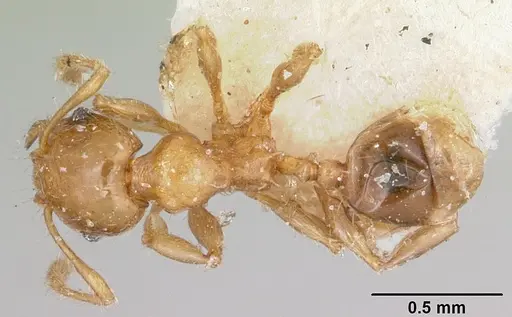
CASENT0101604
View on AntWeb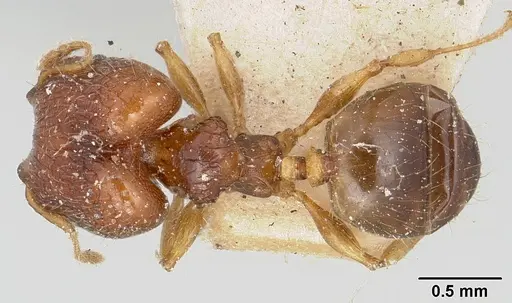
CASENT0101736
View on AntWeb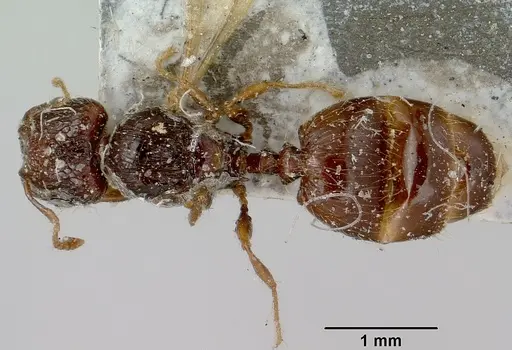
CASENT0104598
View on AntWeb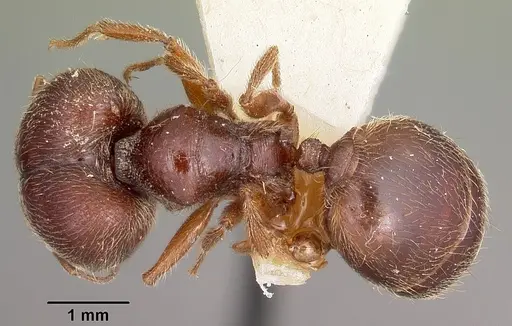
CASENT0104599
View on AntWeb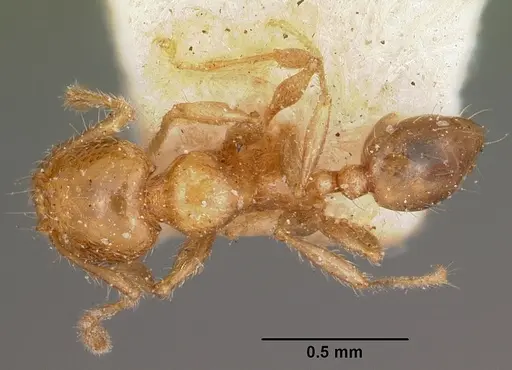
CASENT0159911
View on AntWeb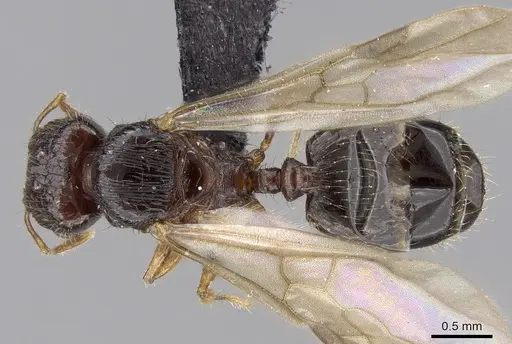
CASENT0159919
View on AntWeb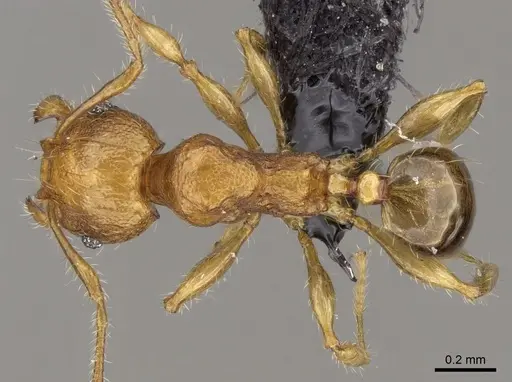
CASENT0159931
View on AntWeb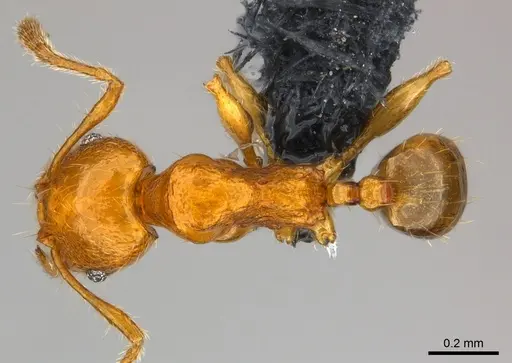
CASENT0159950
View on AntWeb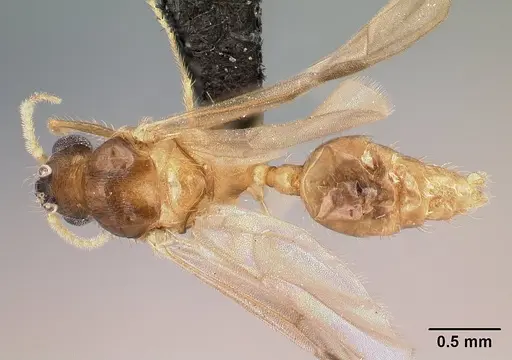
CASENT0217234
View on AntWeb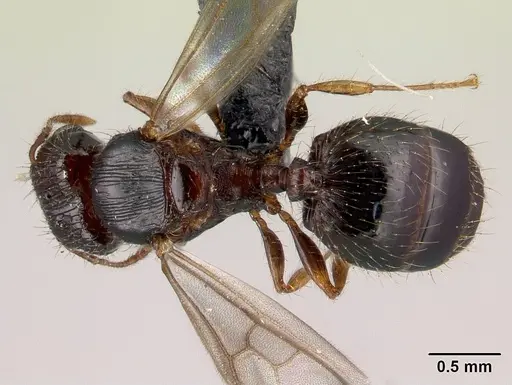
CASENT0217235
View on AntWeb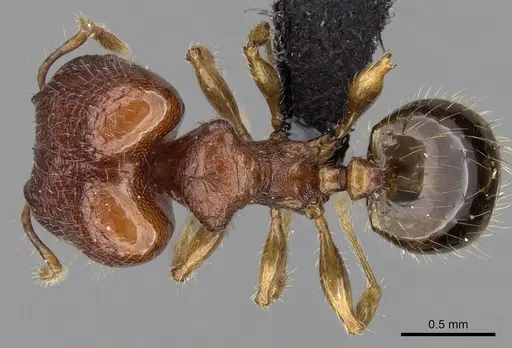
CASENT0218539
View on AntWeb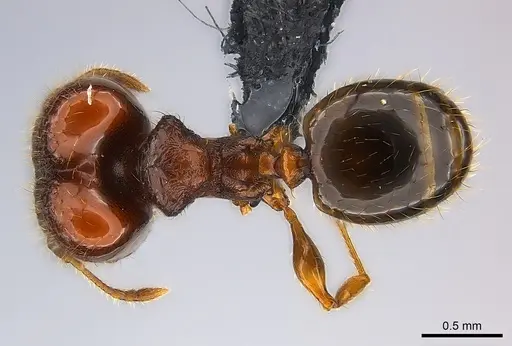
CASENT0218540
View on AntWeb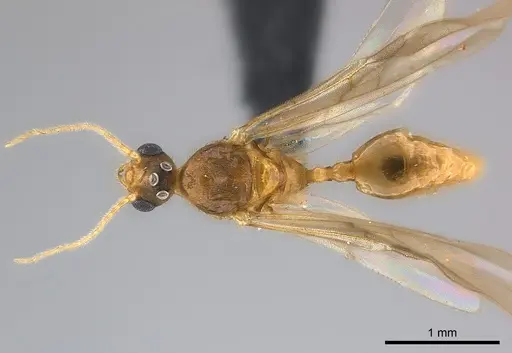
FOCOL0026
View on AntWeb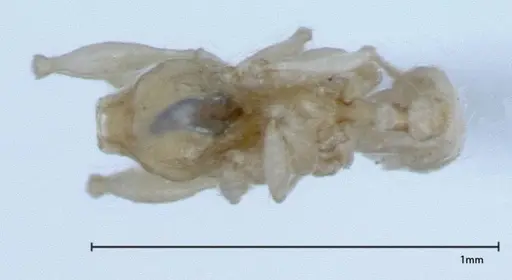
FOCOL0027
View on AntWeb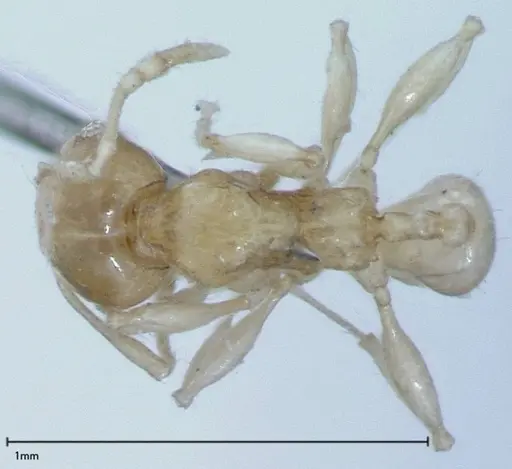
Literature
Loading...Loading products...