

Pheidole brandaoi
- Scientific Name
- Pheidole brandaoi
- Tribe
- Attini
- Subfamily
- Myrmicinae
- Author
- Wilson, 2003
- Distribution
- Found in 4 countries
Pheidole brandaoi Overview
Pheidole brandaoi is an ant species of the genus Pheidole. It is primarily documented in 4 countries , including Colombia, Guatemala, Honduras. Detailed taxonomic data and occurrence records can be further explored via authoritative databases such as AntWeb or the Global Biodiversity Information Facility (GBIF).
Pheidole brandaoi
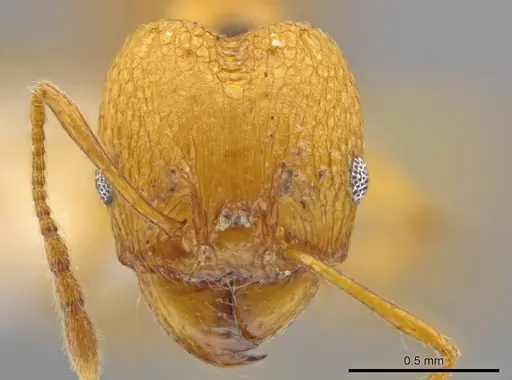
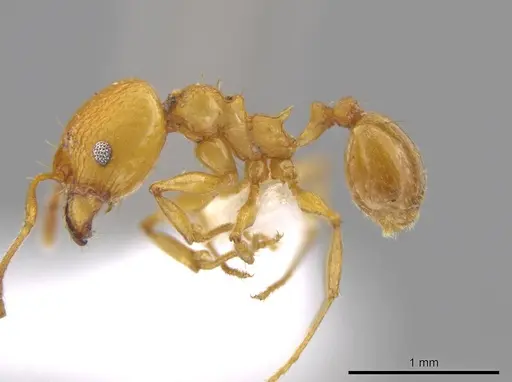
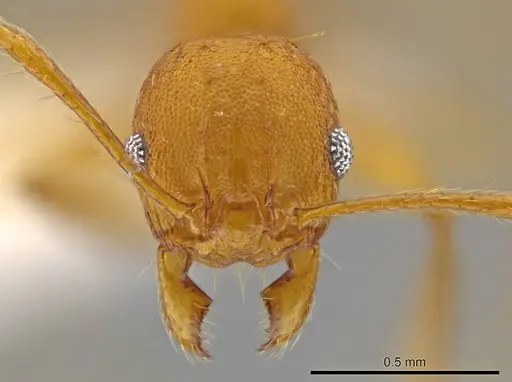
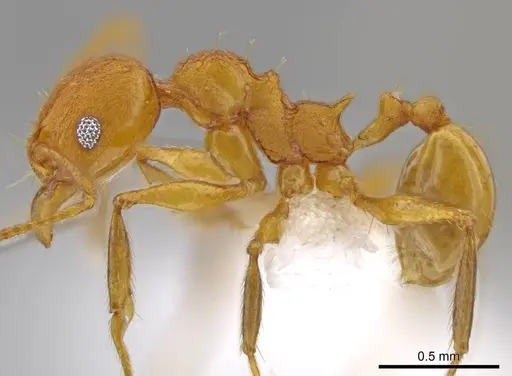
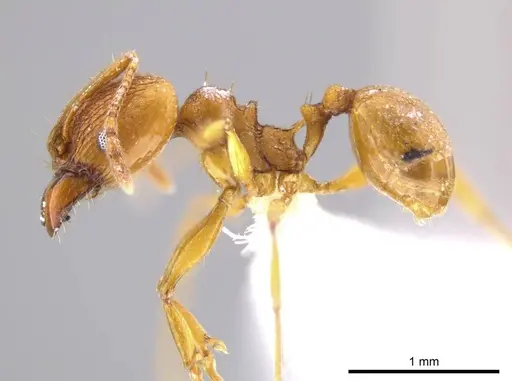
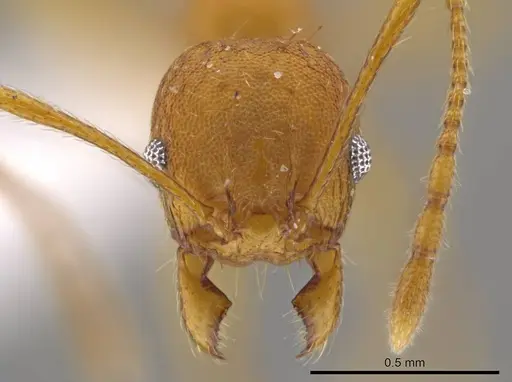
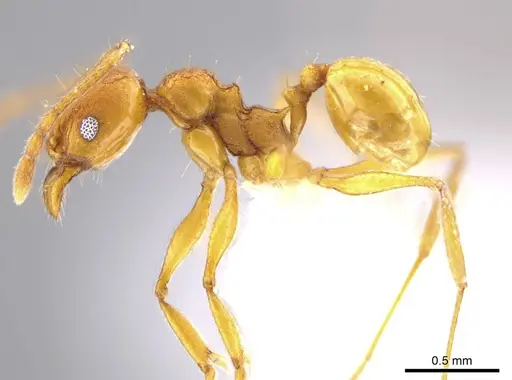
Pheidole brandaoi is a small yellow ant belonging to the diligens group, native to the Neotropical region. The species was described in 2003 by Wilson and is known from lowland rainforest habitats in Colombia's Valle del Cauca region, with records also from Guatemala, Honduras, and Nicaragua [1]. Major workers have distinctive large heads with dark yellow bodies and light yellow appendages, while minor workers are a uniform medium yellow. This species is part of the Attini tribe, meaning they are seed-harvesting ants, though they also consume other protein sources. The major workers feature unique characteristics including rugoreticulae between the eyes and antennal fossae, and a very pronounced mesonotal convexity [1].
Quick Summary
- Difficulty: Medium
- Origin & Habitat: Native to lowland rainforest in the Neotropical region, specifically Valle del Cauca in Colombia [2]. Also recorded from Guatemala, Honduras, and Nicaragua [1].
- Colony Type: Colony structure is unconfirmed. Pheidole species typically form single-queen colonies (monogyne), though some species in the genus can be polygynous. No specific data exists for P. brandaoi.
- Founding: Claustral
- Size & Growth:
- Queen: Undocumented for this species. Based on related Pheidole species, likely 5-8mm.
- Worker: Major workers: 0.96mm head width, Minor workers: 0.60mm head width [1].
- Colony: Unknown for this specific species. Pheidole colonies commonly reach several hundred to a few thousand workers.
- Growth: Moderate, based on typical Pheidole development patterns.
- Development: 6-10 weeks, estimated based on typical Pheidole genus development at warm temperatures [3]. (Development time is estimated from related species, specific data for P. brandaoi is unavailable.)
- Antkeeping:
- Temperature: Keep at 24-28°C. As a lowland tropical species, they prefer warm conditions. A heating cable on one side of the nest creates a suitable gradient [3].
- Humidity: High humidity preferred, matching their rainforest origin. Keep nest substrate consistently moist but not waterlogged. Mist occasionally and provide a water tube.
- Diapause: No, this is a tropical species that does not require hibernation. Maintain warm temperatures year-round.
- Nesting: Y-tong (AAC) nests work well for Pheidole species due to their preference for tight chambers. Plaster nests also maintain humidity effectively. Avoid dry, airy setups.
- Behavior: Pheidole brandaoi is a seed-harvesting ant (Attini) that also consumes protein sources like small insects. Major workers have large heads for seed-crushing. Workers are active foragers. Escape risk is moderate, these are small ants but not among the tiniest, so standard barriers typically suffice. They are not known to be particularly aggressive toward keepers.
- Common Issues: tropical species may struggle in cool rooms without heating, high humidity needs mean drying out is a common problem, small colony size initially makes them vulnerable to stress, limited data means unexpected issues may arise
Nest Preferences
Pheidole brandaoi originates from lowland rainforest habitats in Colombia, where they likely nest in soil or rotting wood [3]. In captivity, Y-tong (acrylic) nests work well because they provide the tight chambers that Pheidole species prefer. Plaster nests are also suitable as they help maintain the high humidity these ants need. Test tube setups can work for founding colonies, but monitor humidity carefully as they dry out faster than dedicated nests. Avoid setups with large, open spaces, these ants do better in compact, chambered environments.
Feeding and Diet
As members of the Attini tribe, Pheidole brandaoi are seed-harvesting ants. In captivity, offer a mix of seeds (millet, sesame, cracked sunflower seeds) as a staple food source. They also need protein, small insects like fruit flies, pinhead crickets, or mealworms are ideal. Sugar water or honey can be offered occasionally, though seeds should form the bulk of their diet. Feed seeds continuously and protein 2-3 times per week. Remove uneaten seeds periodically to prevent mold. [3]
Temperature and Care
This is a tropical lowland species that requires warm temperatures. Keep the nest area at 24-28°C for optimal brood development. A heating cable placed on top of the nest (never underneath where it can dry out the substrate) helps maintain warmth. Room temperature may be too cool depending on your climate, use a digital thermometer to monitor. Unlike temperate species, they do not need a diapause period. Maintain warm conditions year-round. Sudden temperature drops can stress or kill colonies. [3]
Behavior and Temperament
Pheidole brandaoi has the characteristic big-headed major workers of the genus, used for seed-crushing and colony defense. Workers are active foragers that will readily search for food. They are not particularly aggressive toward keepers and rarely sting. The minor workers handle most day-to-day tasks while majors focus on food processing and defense. Colonies become more active and visible as they grow, with majors typically appearing once the colony reaches several dozen workers.
Growth and Development
Specific development data for P. brandaoi is not available. Based on typical Pheidole genus patterns, expect 6-10 weeks from egg to first worker (nanitic) at optimal temperature. Initial colonies grow slowly as the queen raises her first workers alone. Once the first nanitics emerge, growth typically accelerates as more workers help with brood care and foraging. Major workers usually appear once the colony reaches a moderate size. Patience is essential during the founding phase, disturbing the colony during this time can be fatal. [3]
Frequently Asked Questions
How long does it take for Pheidole brandaoi to produce first workers?
Expect 6-10 weeks from egg to first worker at optimal temperature (24-28°C). This is based on typical Pheidole genus development patterns, as specific data for this species is unavailable.
What do Pheidole brandaoi ants eat?
They are seed-harvesting ants (Attini). Offer seeds like millet, sesame, or cracked sunflower seeds as a staple. They also need protein from small insects like fruit flies or mealworms. Sugar water or honey can be offered occasionally.
Do Pheidole brandaoi ants need hibernation?
No. This is a tropical species from lowland rainforest in Colombia. They do not require diapause and need warm temperatures year-round (24-28°C).
What temperature is ideal for Pheidole brandaoi?
Keep them at 24-28°C. As a tropical lowland species, they prefer warm conditions. A heating cable on the nest helps maintain stable temperatures.
Are Pheidole brandaoi good for beginners?
They are rated as Medium difficulty. The main challenges are maintaining high humidity and warm temperatures year-round. If you can provide consistent tropical conditions, they are a rewarding species to keep.
How big do Pheidole brandaoi colonies get?
Specific data is unavailable, but Pheidole colonies commonly reach several hundred to a few thousand workers. Major workers appear once the colony reaches moderate size.
Can I keep multiple Pheidole brandaoi queens together?
Not recommended. There is no data on colony founding behavior for this specific species. Most Pheidole species are monogyne (single-queen), and combining unrelated queens typically leads to fighting.
What type of nest is best for Pheidole brandaoi?
Y-tong (AAC) or plaster nests work well. These provide the tight chambers Pheidole species prefer and maintain humidity effectively. Test tubes can work for founding colonies but dry out faster.
Why is my Pheidole brandaoi colony dying?
Common causes include: temperatures too cool (below 24°C), low humidity causing desiccation, stress during founding phase, or poor nutrition. Ensure warm, humid conditions and offer a balanced diet of seeds and protein.
References

This caresheet is licensed under CC BY-SA 4.0 .
CASENT0611585
View on AntWeb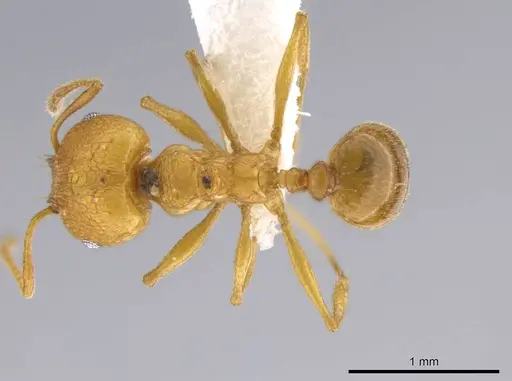
CASENT0611587
View on AntWeb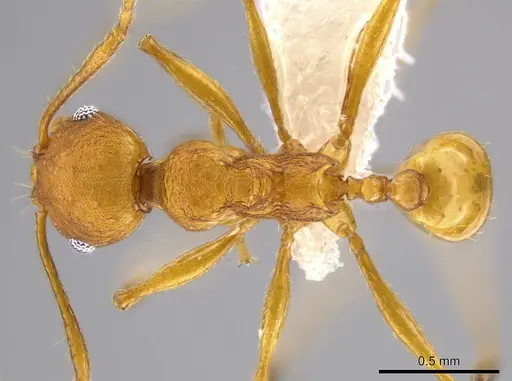
CASENT0618082
View on AntWeb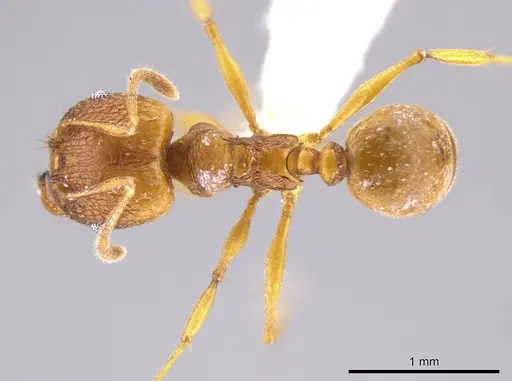
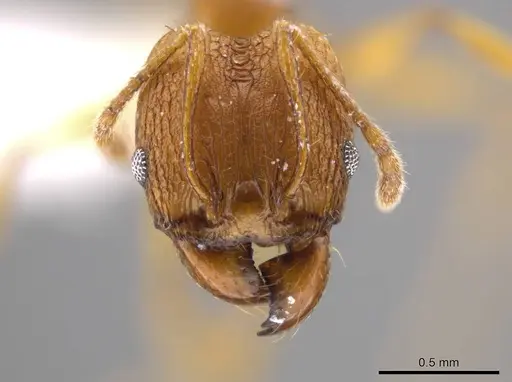
CASENT0618083
View on AntWeb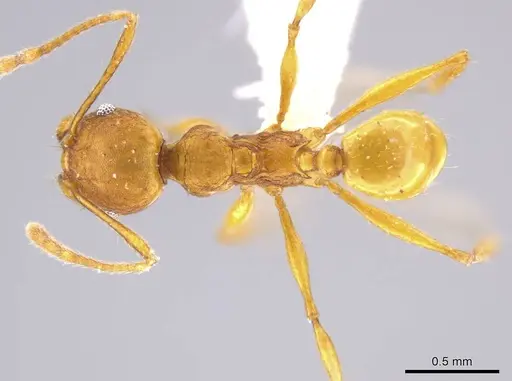
Literature
Loading...Loading products...