

Pheidole boruca
- Scientific Name
- Pheidole boruca
- Tribe
- Attini
- Subfamily
- Myrmicinae
- Author
- Wilson, 2003
- Distribution
- Found in 3 countries
Pheidole boruca Overview
Pheidole boruca is an ant species of the genus Pheidole. It is primarily documented in 3 countries , including Costa Rica, Honduras, Nicaragua. Detailed taxonomic data and occurrence records can be further explored via authoritative databases such as AntWeb or the Global Biodiversity Information Facility (GBIF).
Pheidole boruca
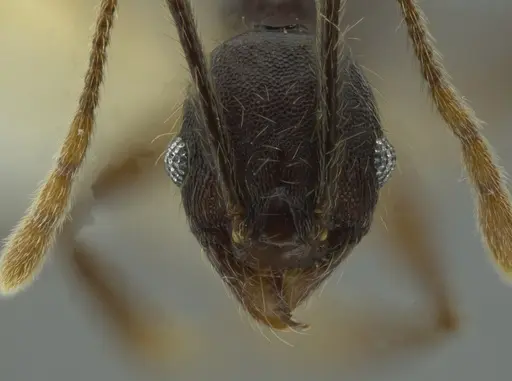
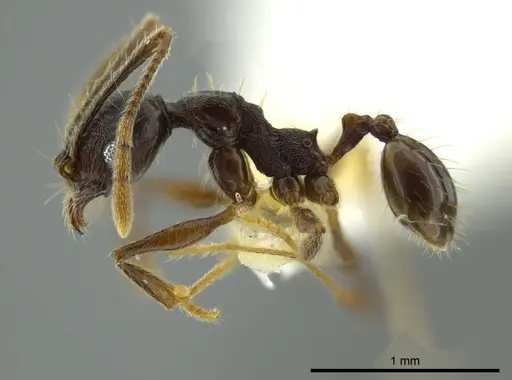
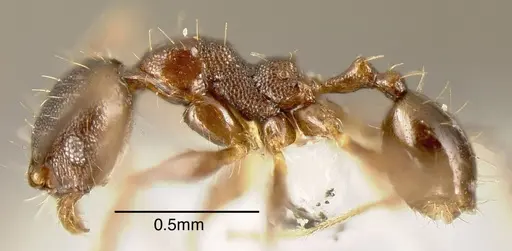
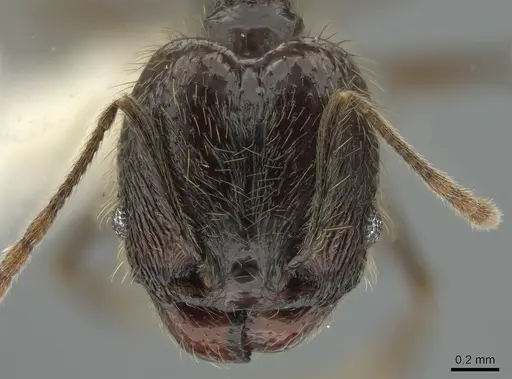
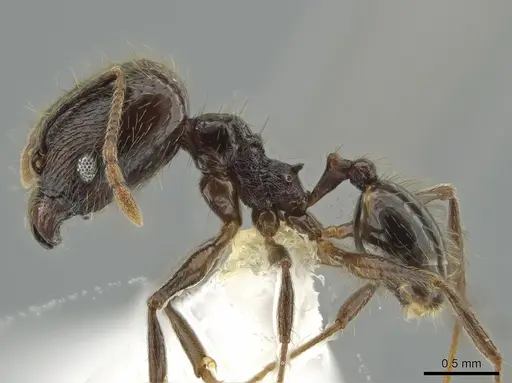
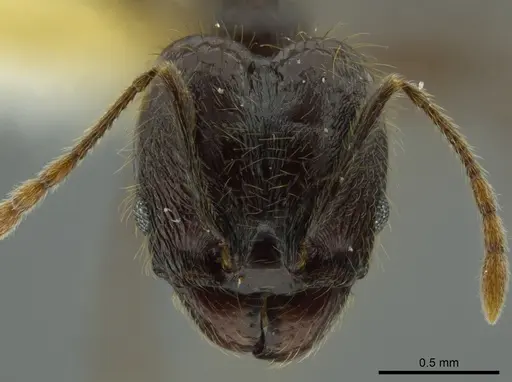
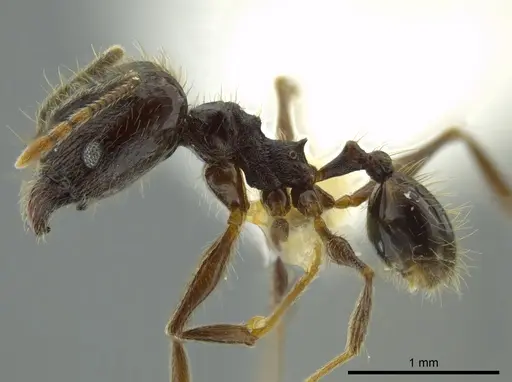
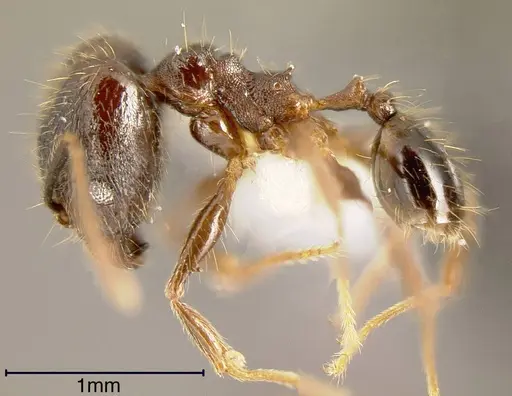
Pheidole boruca is a small Neotropical ant species native to Central America, named after the Boruca indigenous people of Costa Rica. These ants belong to the genus Pheidole, known for their distinctive two-worker caste system, large major workers with oversized heads and smaller minor workers that handle most tasks. The majors are dark, almost blackish brown, while minors are blackish brown with medium brown legs. Major workers measure about 1.1mm in head width, making them relatively small big-headed ants compared to some other Pheidole species.
This species inhabits the wet forests and cloud forests of Costa Rica's Atlantic slope, from lowland areas around 50m elevation up to montane regions like Monteverde at 1500m. They nest under dead wood on the ground and forage actively both day and night, making them a visible and engaging species to observe. The presence of a media caste (intermediate worker size) has been noted in some colonies, which is relatively uncommon in Pheidole.
Quick Summary
- Difficulty: Easy
- Origin & Habitat: Wet forests and cloud forests of Costa Rica's Atlantic slope, also found in Honduras and Colombia. Nests under pieces of dead wood on the ground at elevations from 50m to 1500m[1].
- Colony Type: Likely single-queen colonies (monogyne) based on typical Pheidole patterns, though colony structure has not been specifically documented for this species.
- Colony: Monogyne
- Founding: Claustral
- Size & Growth:
- Queen: Not directly measured for this species, Pheidole queens are typically 4-7mm
- Worker: Major workers: 1.10mm HW, Minor workers: 0.54mm HW
- Colony: Not documented, but typical Pheidole colonies reach several hundred to a few thousand workers
- Growth: Moderate, based on typical Pheidole development patterns
- Development: Estimated 6-8 weeks at tropical temperatures based on genus-level data (Development time is typical for Neotropical Pheidole species in warm conditions)
- Antkeeping:
- Temperature: Keep at 22-26°C, they come from warm Costa Rican forests where temperatures are consistently tropical
- Humidity: High humidity preferred (60-80%), these are wet forest ants. Keep the nest substrate consistently moist but not waterlogged
- Diapause: No, as a tropical species from Costa Rica, they do not require hibernation. Maintain warm temperatures year-round
- Nesting: Ground-nesting species that naturally nests under dead wood. In captivity, a Y-tong (AAC) nest, plaster nest, or naturalistic setup with soil and hiding spots works well. They do well in test tube setups during founding, then can be moved to more spacious formicaria
- Behavior: Workers are active foragers that search for food both day and night. They are not particularly aggressive but will defend their colony vigorously. Major workers have large heads designed for seed-crushing and defense, though they primarily use them for processing food. Minor workers handle most foraging and brood care. Escape risk is moderate, these ants are small but not as tiny as some species, so standard escape prevention measures work well. They readily accept protein foods and sugar sources.
- Common Issues: colonies may grow slowly initially, Pheidole majors take time to develop and many colonies fail in the first few months, overheating is a risk, being from cloud forests, they prefer stable temperatures rather than heat spikes, dry conditions will cause colony decline, these wet forest ants need consistent moisture, wild-caught colonies may contain parasites that can devastate captive colonies, major workers develop slowly, beginners sometimes abandon colonies before the first majors appear
Housing and Nest Setup
Pheidole boruca is a ground-nesting species that naturally lives under dead wood on the forest floor. For captive care, you have several good options. During the founding stage, a simple test tube setup works well, fill a test tube one-third with water, plug it with a cotton ball, then place the queen in a dark area. The queen will seal herself in and raise her first brood claustrally. Once you have 20-30 workers, you can move the colony to a more spacious formicarium. A Y-tong (AAC) nest with narrow chambers works excellently for Pheidole, as does a plaster nest or a naturalistic setup with soil and small hiding spots. Whatever nest type you choose, ensure it retains moisture well, these wet forest ants need humid conditions to thrive. Add some small decorative items like tiny stones or leaf litter to give the colony enrichment.
Feeding and Diet
Pheidole boruca workers are generalist foragers that will collect various protein sources and sugar. In captivity, offer protein foods like small insects (fruit flies, small crickets, mealworms cut into pieces) 2-3 times per week. They also readily accept sugar sources, a small drop of honey water or sugar water should be available constantly. Unlike some specialized ants, these are opportunistic feeders that will take most offered foods. Minor workers do most of the foraging and food processing, while major workers use their large heads to crush harder items like seeds. Remove any uneaten prey after 24-48 hours to prevent mold. A varied diet helps keep colonies healthy, try rotating between different protein sources.
Temperature and Humidity
Being from Costa Rica's wet forests and cloud forests, Pheidole boruca needs warm and humid conditions. Keep the nest area at 22-26°C year-round, they do not experience cold winters in their native habitat. A heating cable on one side of the nest can create a gentle temperature gradient, allowing workers to choose their preferred spot. Avoid temperatures above 30°C as this can stress the colony. Humidity is crucial, aim for 60-80% relative humidity in the nest area. The substrate should feel consistently moist but never waterlogged. Mist the nest occasionally and monitor for condensation, which indicates good humidity. These ants are sensitive to drying out, so check moisture levels regularly, especially in test tube setups where evaporation can happen quickly.
Colony Development
Pheidole colonies are famous for their two-worker caste system, and P. boruca is no exception. The queen lays eggs that hatch into larvae, which then pupate and emerge as first-generation workers called nanitics, these are typically smaller than normal workers. Once the colony has nanitics, the queen focuses solely on egg-laying while workers handle all other tasks. Minor workers handle foraging, brood care, and nest maintenance, while major workers (with their distinctive large heads) specialize in seed processing, defense, and food storage. The development time from egg to worker is approximately 6-8 weeks at optimal tropical temperatures. Colonies grow gradually at first, then accelerate once they reach 50-100 workers. A mature colony may contain several thousand workers, with the proportion of majors increasing as the colony grows.
Behavior and Observation
One of the interesting aspects of keeping Pheidole boruca is observing their caste system in action. Minor workers are constantly on the move, patrolling the foraging area and returning with food. Major workers spend more time near the brood chamber but will emerge when larger prey items need processing or when the colony is threatened. Workers forage both day and night, which is unusual among ants, you may see activity peaks at different times. When you first introduce food, minor workers will often recruit others through chemical trails, leading to a feeding frenzy. Major workers may approach food cautiously, using their antennae to investigate before getting involved. They are not aggressive toward keepers but will bite if directly threatened. Watching the division of labor between castes is genuinely fascinating and makes this species rewarding to observe.
Frequently Asked Questions
How long does it take for Pheidole boruca to produce first workers?
Expect first workers (nanitics) to emerge 6-8 weeks after the queen lays eggs, assuming temperatures around 24-26°C. The exact timing depends on temperature and feeding, warmer conditions speed development while cooler temperatures slow it down.
Can I keep multiple Pheidole boruca queens together?
Not recommended. While Pheidole can sometimes found colonies pleometrotically (multiple queens together), this often leads to fighting once workers emerge. It's best to start with a single queen in a test tube setup.
What do I feed Pheidole boruca?
Offer a varied diet: protein sources like small insects (fruit flies, crickets, mealworms) 2-3 times weekly, and constant access to sugar (honey water or sugar water). Remove uneaten food after 24 hours.
Are Pheidole boruca good for beginners?
Yes, this is a good beginner species. They are relatively hardy, don't require hibernation, and are active and interesting to watch. The main challenges are maintaining humidity and being patient through the slow early growth phase.
When should I move Pheidole boruca to a formicarium?
Move them once you have 20-30 workers and the test tube is becoming crowded. Make sure the formicarium is already set up with moist substrate so you can transition them smoothly without stress.
Do Pheidole boruca need hibernation?
No. As a tropical species from Costa Rica, they do not require hibernation or winter cooling. Keep them warm year-round at 22-26°C.
Why are my Pheidole boruca dying?
Common causes include: too dry conditions (mist more frequently), temperature stress (too hot or too cold), mold from uneaten food, or parasites from wild-caught colonies. Check humidity first, these wet forest ants are very sensitive to drying.
How big do Pheidole boruca colonies get?
Mature colonies can reach several thousand workers. The proportion of major workers increases as the colony grows, with majors eventually making up 10-20% of the workforce.
References

This caresheet is licensed under CC BY-SA 4.0 .
CASENT0624232
View on AntWeb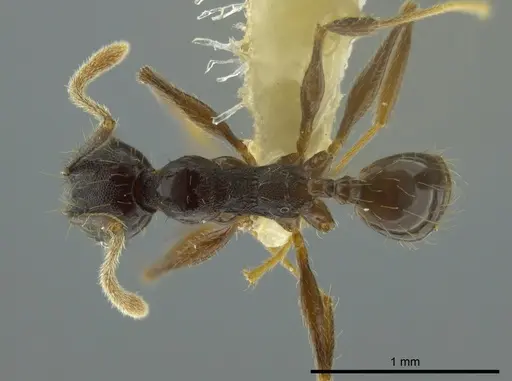
CASENT0635443
View on AntWeb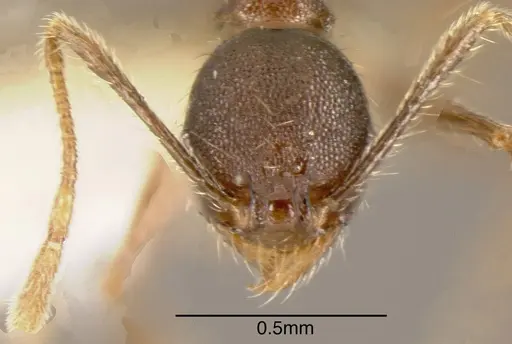
CASENT0637167
View on AntWeb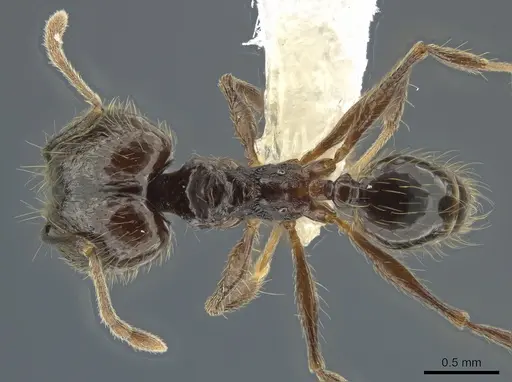
INBIOCRI002279551
View on AntWeb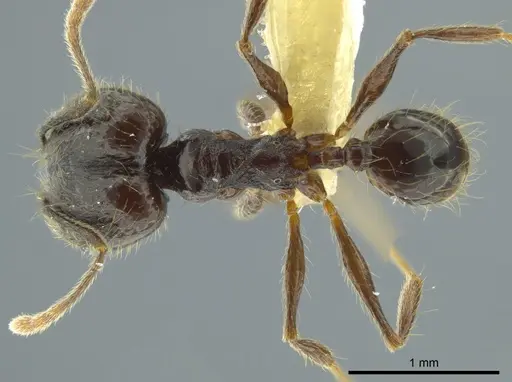
INBIOCRI002279967
View on AntWeb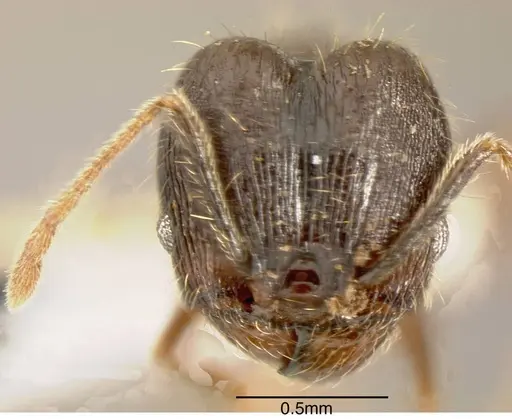
Literature
Loading...Loading products...