

Pheidole boltoni
- Scientific Name
- Pheidole boltoni
- Tribe
- Attini
- Subfamily
- Myrmicinae
- Author
- Wilson, 2003
- Distribution
- Found in 1 countries
Pheidole boltoni Overview
Pheidole boltoni is an ant species of the genus Pheidole. It is primarily documented in 1 countries , including Costa Rica. Detailed taxonomic data and occurrence records can be further explored via authoritative databases such as AntWeb or the Global Biodiversity Information Facility (GBIF).
Pheidole boltoni
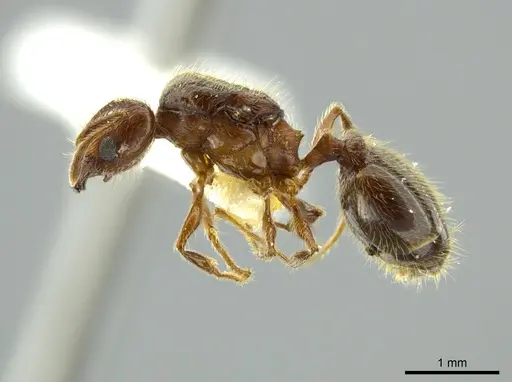
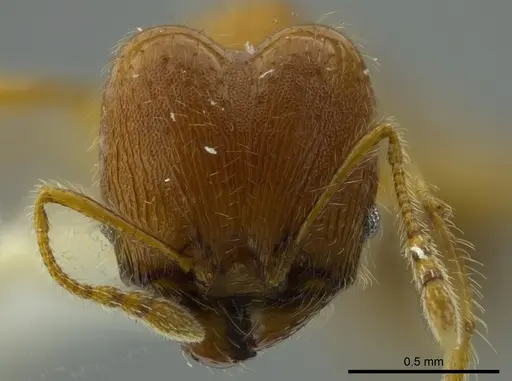
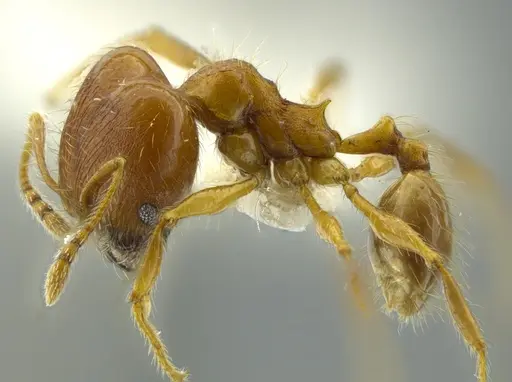
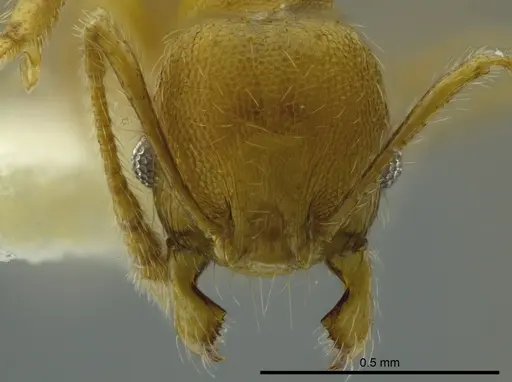
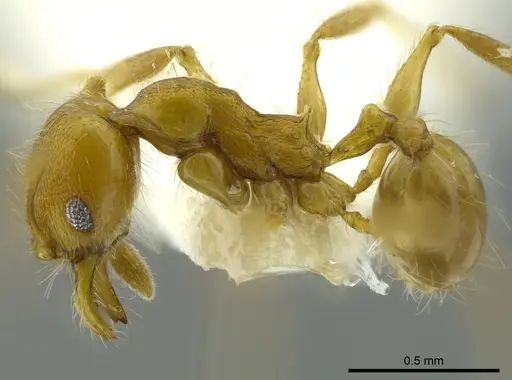
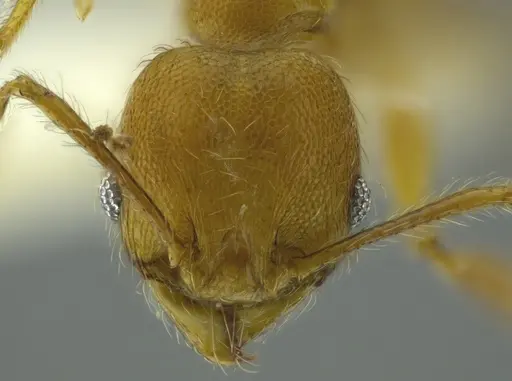
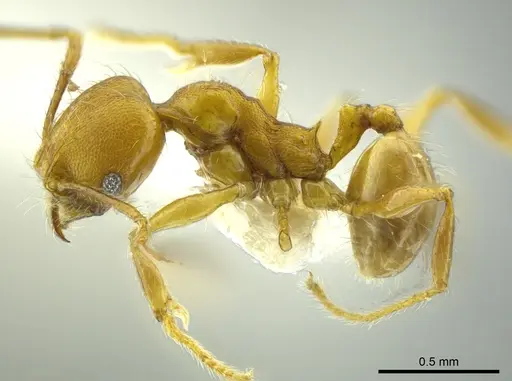
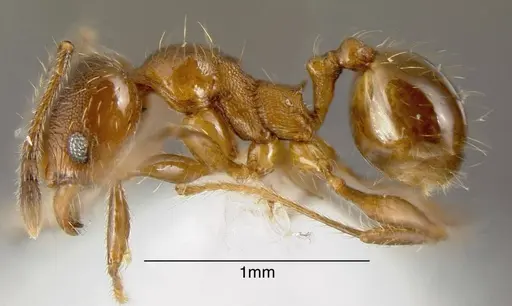
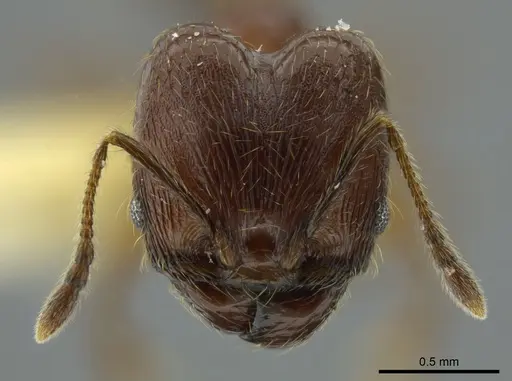
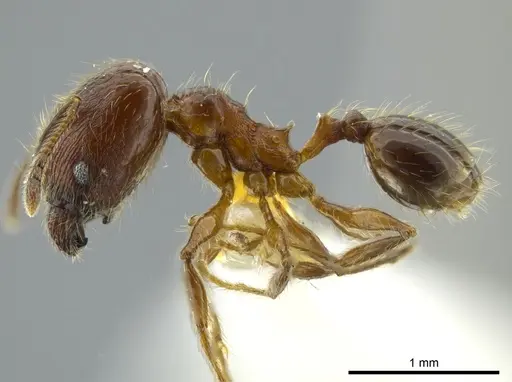
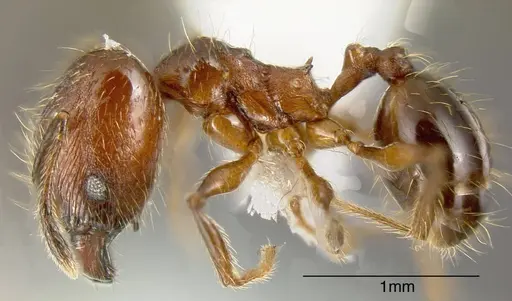
Pheidole boltoni is a small, bicolorous ant species native to the montane cloud forests of Costa Rica. Major workers have a dark reddish-yellow head with a lighter reddish-brown body, while minor workers are uniformly dark yellow. This species belongs to the "carapuna complex" near the flavens group and is notable for its major workers having a reduced mesonotal convexity and distinctive cephalic sculpturing. The species was originally described as Pheidole boltoni in 2003 but was later recognized as the same species and synonymized with P. boltoni in 2009 [1][2].
This ant is a true montane specialist, found only in the cloud forests of Costa Rica at elevations between 1500m and 2000m, the very upper edge of where ants can survive in the tropics. In the tropics, ant abundance drops dramatically above 1500m, making this species a rare find. Nests have been collected under epiphyte mats in fallen branches and trees, as well as in rotting logs [3][2]. This preference for cool, humid, montane conditions makes it a unique challenge for antkeepers.
Quick Summary
- Difficulty: Expert
- Origin & Habitat: Montane cloud forests of Costa Rica, specifically in the Heredia and Puntarenas provinces at elevations of 1500m-2000m [3][2]. This is the upper edge of ant natural occurrence in the tropics.
- Colony Type: Colony structure is unconfirmed. Pheidole species are typically monogyne (single queen) but some can be polygyne. No specific data exists for P. boltoni.
- Colony: Monogyne
- Founding: Claustral
- Size & Growth:
- Queen: Estimated 5-6mm based on typical Pheidole genus measurements
- Worker: Minor workers: 2.5mm (HW 0.60mm). Major workers: 3.5-4mm (HW 1.06mm) [4]
- Colony: Estimated several hundred workers based on typical Pheidole colony sizes
- Growth: Moderate, typical for Pheidole genus
- Development: Estimated 6-8 weeks at optimal temperature based on typical Pheidole development (Development time inferred from genus patterns, no specific data for this species. Expect similar timeline to other Costa Rican Pheidole species.)
- Antkeeping:
- Temperature: Keep cool, this is a montane species. Aim for 18-22°C, avoiding temperatures above 25°C. Room temperature (around 20°C) is ideal. Do not use active heating unless your room drops below 18°C.
- Humidity: High humidity is essential, these are cloud forest ants. Keep nest substrate consistently moist but not waterlogged. Target 70-80% humidity. Provide a water tube for drinking water.
- Diapause: Likely no true diapause, this is a tropical montane species that experiences cool temperatures year-round rather than cold winters. However, they may slow down slightly during the cooler, drier season.
- Nesting: In nature, they nest under epiphyte mats in fallen branches and in rotting logs. In captivity, a naturalistic setup with moist substrate (like a Y-tong or plaster nest) works well. The key is maintaining consistently high humidity without flooding. Avoid dry test tube setups.
- Behavior: Pheidole species are generally non-aggressive and form standard colonies with major and minor workers. Majors have reduced defensive spines compared to some other Pheidole. They are not known to be particularly aggressive or to sting. Escape risk is moderate, use standard barriers but they are not escape artists like some tiny species. They likely forage for seeds and small insects like other Pheidole.
- Common Issues: overheating is the biggest risk, temperatures above 25°C can be fatal, low humidity will cause colony decline, these cloud forest ants need consistent moisture, this species is extremely rare in the hobby due to its limited range and elevation requirements, wild-caught colonies may be stressed from collection at unusual altitudes, slow growth compared to lowland tropical ants may frustrate beginners
Temperature and Cooling Requirements
This is the most critical aspect of keeping Pheidole boltoni. As a montane cloud forest specialist from 1500m-2000m elevation in Costa Rica, this species has evolved in consistently cool, humid conditions. Unlike most tropical ants that thrive in warm temperatures, P. boltoni will struggle and may die if kept above 25°C. The ideal temperature range is 18-22°C. This means most keepers will need to keep them in a cool room or use passive cooling methods. Avoid placing the nest in direct sunlight or near heat sources. If your room temperature runs warm (above 24°C), consider using a small fan or placing the colony in a cooler location like a basement. Some keepers use cooling packs or thermoelectric coolers designed for small enclosures. The key is stability, avoid temperature fluctuations. [3][2]
Humidity and Moisture
Pheidole boltoni requires high humidity to thrive. In their natural cloud forest habitat, they experience constant moisture from mist and clouds. In captivity, aim for 70-80% humidity in the nest area. This is higher than most lowland tropical ants need. Use a moist substrate setup, plaster nests, Y-tongs with water reservoirs, or naturalistic setups with damp soil work well. The substrate should feel consistently damp but never waterlogged. Standing water in the nest can drown brood. Provide a separate water tube or cotton ball for drinking water, ants will drink from condensation or water droplets. Monitor humidity with a hygrometer placed near the nest. If you see the ants clustering near water sources or the nest appears dry, increase moisture. [3][2]
Nest Setup and Housing
In the wild, P. boltoni nests under epiphyte mats in fallen branches and treefalls, and in rotting logs [3][2]. This tells us they prefer enclosed, humid spaces with organic material. For captivity, naturalistic setups with moist substrate work best. A Y-tong (acrylic) nest with a water reservoir can work if you maintain high humidity in the surrounding area. Plaster nests are also suitable as they hold moisture well. Avoid dry test tube setups, these ants need more humidity than a simple water tube provides. If using a naturalistic setup, include some rotting wood or bark pieces to mimic their natural nesting sites. The nest should be kept in a dark area, these are not surface-active ants and prefer darkness.
Feeding and Diet
Like other Pheidole species, P. boltoni is likely an omnivore that feeds on seeds, small insects, and honeydew. Pheidole ants have specialized major workers that can process seeds, so offer a mix of protein and carbohydrates. Good food options include small live insects (fruit flies, pinhead crickets, mealworms), protein gels or flakes, and sugar water or honey. Feed protein sources 2-3 times per week, and keep a sugar source available constantly. Seed acceptance is likely but not confirmed, you can experiment with offering small seeds. Remove uneaten food after 24-48 hours to prevent mold. Fresh water should always be available.
Colony Development and Growth
Pheidole colonies grow through the production of both minor and major workers. Major workers (with the larger heads) typically appear after the colony reaches a certain size, usually after several months. The development timeline for P. boltoni specifically is unknown, but based on typical Pheidole genus patterns, expect 6-8 weeks from egg to first worker (nanitics) at optimal temperature. Colonies may grow slowly compared to lowland tropical species, this is expected given their montane origin. Patience is key. A healthy founding queen should lay eggs within the first few weeks. The first workers (nanitics) will be smaller than normal workers. Subsequent broods will produce larger workers as the colony matures. Major workers typically appear when the colony reaches several dozen workers.
Finding and Acquiring This Species
Pheidole boltoni is extremely rare in the antkeeping hobby due to its limited natural range and specialized habitat requirements. It is found only in the montane cloud forests of Costa Rica at elevations between 1500m-2000m [3][2]. This is not a species you will find at typical ant suppliers. If available at all, it would likely come from specialized breeders who focus on rare or exotic species. Expect to pay a premium if available. Alternatively, some keepers attempt to collect them in Costa Rica, but this requires permits and expertise. Do not release any ant species in areas where they are not native, P. boltoni should never be released in North America or Europe.
Frequently Asked Questions
Is Pheidole boltoni a good species for beginners?
No. This is an expert-level species due to its specific temperature and humidity requirements. It needs cool temperatures (18-22°C) and high humidity (70-80%) year-round. Most beginner-friendly ants tolerate a wider range of conditions. Only experienced antkeepers should attempt this species.
What temperature should I keep Pheidole boltoni at?
Keep them cool, between 18°C and 22°C. This is much cooler than most tropical ants. Avoid any temperatures above 25°C, as this can be fatal. If your room is naturally warm, you may need active cooling.
How do I set up a nest for Pheidole boltoni?
Use a moist setup that maintains high humidity. Naturalistic setups with damp soil, plaster nests, or Y-tongs with water reservoirs work well. Include some rotting wood or bark to mimic their natural nesting in rotten logs and epiphyte mats. Avoid dry test tube setups.
What do Pheidole boltoni eat?
Like other Pheidole, they are omnivores. Offer small insects (fruit flies, mealworms), protein flakes or gels, and sugar water or honey. They likely accept seeds like other Pheidole. Feed protein 2-3 times per week with sugar always available.
How long does it take for the first workers to emerge?
Based on typical Pheidole development, expect 6-8 weeks from egg to first worker at optimal temperature. This may be slower than lowland tropical species due to their montane adaptation. Patience is important.
Where is Pheidole boltoni naturally found?
Only in the montane cloud forests of Costa Rica, at elevations between 1500m and 2000m. This is the very upper edge of where ants can survive in the tropics. Known locations include near Volcan Barba in Heredia and Monteverde in Puntarenas.
Can I keep multiple queens together?
This has not been documented for this specific species. Most Pheidole are monogyne (single queen), but some can be polygyne. Until documented otherwise, it is safest to house a single queen per colony.
Why is Pheidole boltoni so difficult to find?
This species lives at the very upper edge of ant elevation range in the tropics (1500m-2000m). Ant abundance drops dramatically above 1500m in the tropics, making these ants extremely rare to find. Combined with their limited range in Costa Rica, they are one of the rarest Pheidole species.
Does Pheidole boltoni need hibernation?
Likely no true hibernation. As a tropical montane species, they experience cool temperatures year-round rather than cold winters. However, they may slow slightly during the cooler, drier season. No special overwintering treatment is needed beyond keeping them cool (18-22°C).
References

This caresheet is licensed under CC BY-SA 4.0 .
CASENT0624221
View on AntWeb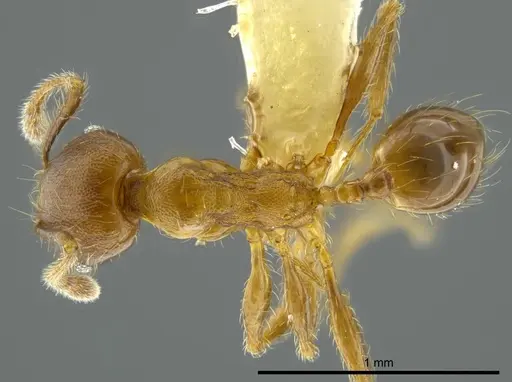
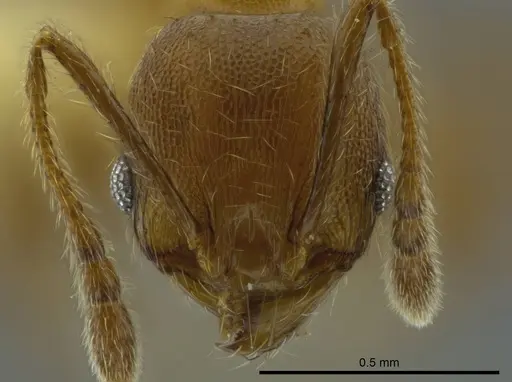

CASENT0624222
View on AntWeb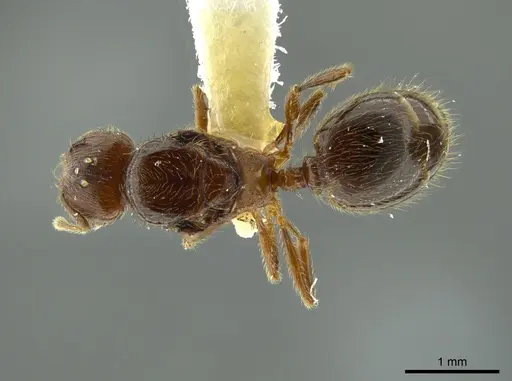
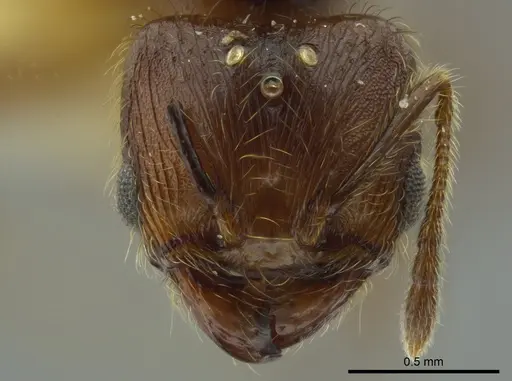
CASENT0624223
View on AntWeb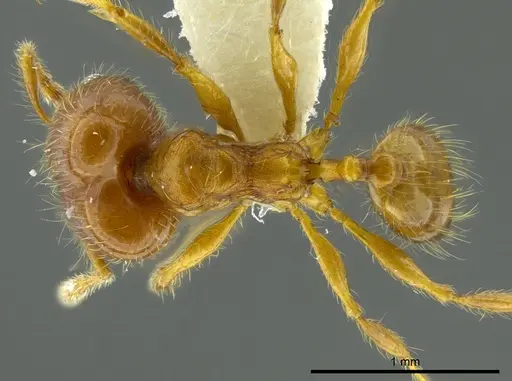
CASENT0624224
View on AntWeb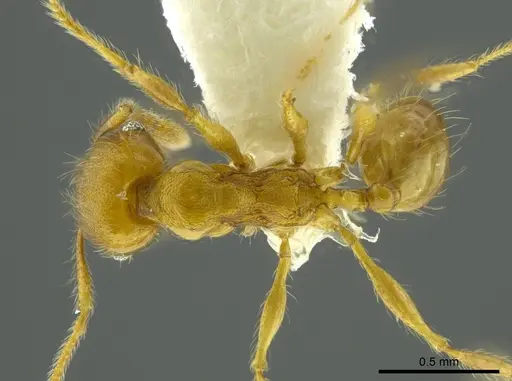
CASENT0624225
View on AntWeb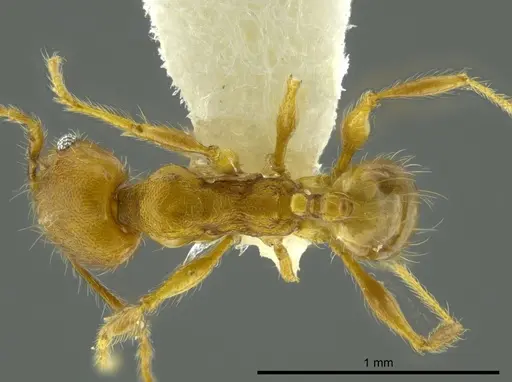
CASENT0635442
View on AntWeb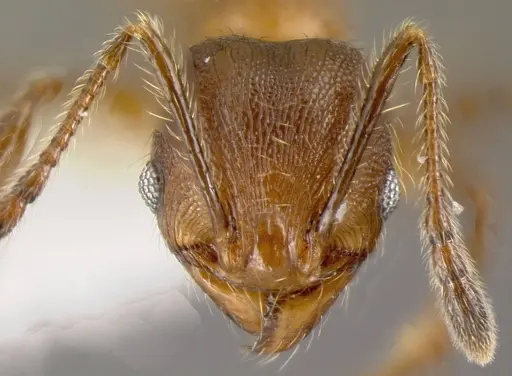
INBIOCRI002279980
View on AntWeb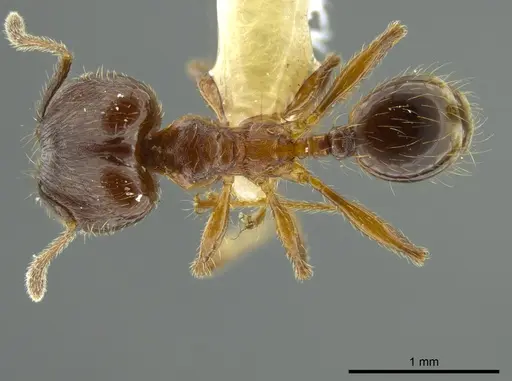
JTLC000001497
View on AntWeb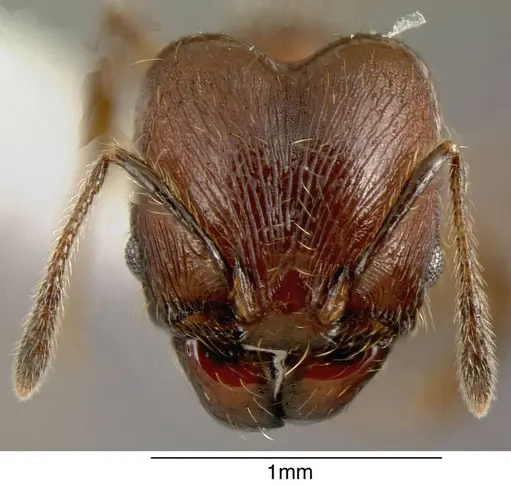
Literature
Loading...Loading products...