

Pheidole bluntschlii
- Scientific Name
- Pheidole bluntschlii
- Tribe
- Attini
- Subfamily
- Myrmicinae
- Author
- Forel, 1911
- Distribution
- Found in 1 countries
Pheidole bluntschlii Overview
Pheidole bluntschlii is an ant species of the genus Pheidole. It is primarily documented in 1 countries , including Thailand. Detailed taxonomic data and occurrence records can be further explored via authoritative databases such as AntWeb or the Global Biodiversity Information Facility (GBIF).
Pheidole bluntschlii
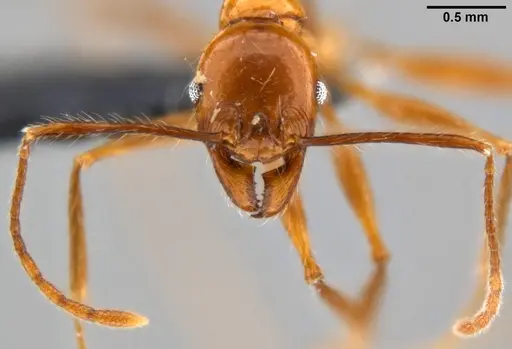
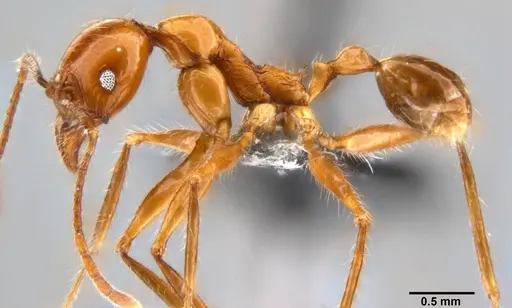
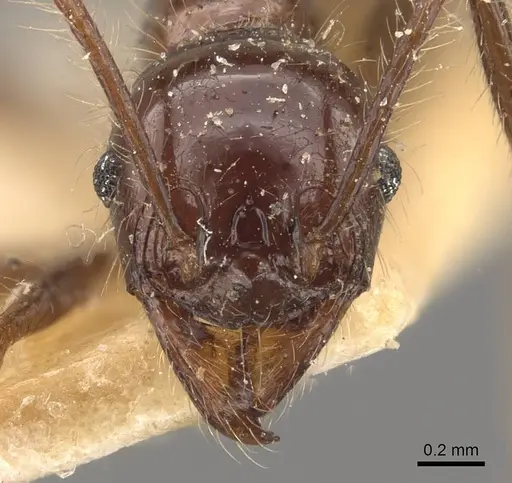
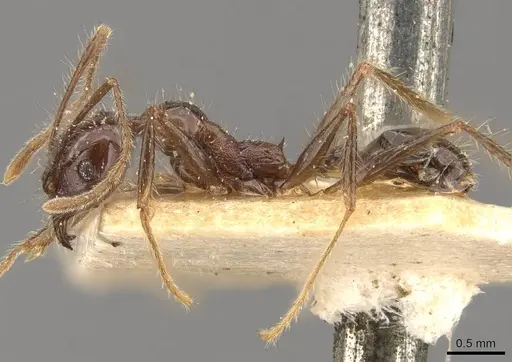
Pheidole bluntschlii is a small myrmicine ant native to Southeast Asia, specifically known from Sumatra (type locality) and southern Thailand [1]. Workers occur in two size castes: smaller minor workers and larger major workers (soldiers) with proportionally larger heads, a characteristic feature of the genus Pheidole. The species belongs to the P. quinata clade and is closely related to P. sabahna [2]. As a tropical ant from Indonesian and Thai rainforests, it thrives in warm, humid conditions with access to both protein sources and seeds. Pheidole bluntschlii forms colonies with a single queen and exhibits typical Pheidole foraging behavior, with major workers often accompanying minors to process and carry larger food items back to the nest.
Quick Summary
- Difficulty: Easy
- Origin & Habitat: Native to Southeast Asia, specifically Sumatra, Indonesia (type locality) and Narathiwat Province in southern Thailand [1]. Inhabits tropical rainforest environments in the Indomalaya region.
- Colony Type: Likely monogyne (single-queen colonies) based on typical Pheidole colony structure. This is inferred from genus patterns as species-specific colony structure data is unavailable.
- Colony: Monogyne
- Founding: Claustral
- Size & Growth:
- Queen: Estimated 7-9mm based on genus Pheidole patterns
- Worker: Minors: 2-3mm, Majors: 3-5mm, typical for Pheidole species
- Colony: Likely reaches several thousand workers at maturity based on genus patterns
- Growth: Moderate
- Development: Estimated 6-8 weeks at tropical temperatures (25-28°C) based on related Pheidole species (Development time is inferred from genus-level data for tropical Pheidole species. Actual timing may vary.)
- Antkeeping:
- Temperature: Keep at 24-28°C. Tropical species requiring warm conditions. Use a heating cable on one side of the nest to create a gentle gradient if room temperature falls below 24°C.
- Humidity: High humidity preferred (70-80%). Keep the nest substrate consistently moist but not waterlogged. Provide a water tube as a drinking source.
- Diapause: No true diapause required. These are tropical ants that remain active year-round if kept warm. Reduce feeding slightly during cooler winter months if colony is kept in air-conditioned spaces.
- Nesting: Y-tong (acrylic) nests or plaster nests work well. Provide narrow chambers scaled to their small size. They do well in test tube setups for founding colonies. Avoid dry conditions.
- Behavior: Generally peaceful and not aggressive toward keepers. Major workers (soldiers) have larger heads for processing seeds and larger prey items. They are active foragers that readily exploit protein and sugar sources. Escape prevention should be moderate, while not the smallest ants, they can squeeze through small gaps. Use standard barrier methods.
- Common Issues: colonies may decline if kept too cool or too dry, monitor temperature and humidity closely, major workers may be slow to appear during founding, be patient through the claustral period, wild-caught colonies may harbor parasites, quarantine and observe new colonies, overfeeding can lead to mold issues in the nest, remove uneaten food promptly, test tube setups can flood if water reservoirs are overfilled, use appropriate tube sizes
Nest Preferences
Pheidole bluntschlii does well in standard ant-keeping setups including Y-tong (acrylic) nests, plaster nests, and test tube setups for founding colonies. In the wild, they likely nest in soil or rotting wood in tropical forest floors. For captivity, provide chambers scaled to their small size, narrow passages work better than wide open spaces. A test tube setup with a cotton ball providing water access works well for queen founding. Once the colony reaches 20-30 workers, you can transition to a small formicarium. Keep the nest area humid and ensure the substrate or setup retains moisture. [2]
Feeding and Diet
Pheidole bluntschlii is an omnivorous species that readily accepts both protein and carbohydrate sources. Offer protein-rich foods such as small insects (fruit flies, pinhead crickets, mealworms), and protein jellies. They also consume seeds, particularly smaller seeds that majors can process with their larger heads. Sugar sources like honey water or sugar water should be available at all times. Feed every 2-3 days, adjusting based on colony size and consumption. Remove uneaten food promptly to prevent mold. The major workers specialize in processing larger food items and seeds, carrying them back to the nest for the colony to consume.
Temperature and Care
As a tropical species from Sumatra and Thailand, Pheidole bluntschlii requires warm conditions to thrive. Maintain temperatures between 24-28°C. Temperatures below 22°C can slow colony development and reduce activity. Use a heating cable placed on top of the nest (not underneath to avoid drying) if your room temperature is too cool. High humidity of 70-80% mimics their natural tropical rainforest habitat. Keep the nest substrate consistently moist. A water tube should always be available for drinking. Since they are tropical, no hibernation or diapause is required, they remain active year-round if kept warm. [1]
Behavior and Temperament
This species is generally calm and not aggressive toward keepers. Workers are active foragers that readily explore and exploit food sources. The colony will quickly mobilize when food is introduced, with major workers often leading the effort to process and transport larger items. They are not known to be escape artists at the level of tiny蚂蚁, but standard barrier methods should still be used. Major workers serve a defensive role and can help process larger food items. The colony will establish clear foraging trails once established. Watch for alates (reproductives) in mature colonies, these indicate the colony is ready to produce nuptial flights.
Frequently Asked Questions
How long does it take for Pheidole bluntschlii queens to raise their first workers?
Expect first workers (nanitics) to emerge in approximately 6-8 weeks after the queen lays eggs, when kept at optimal tropical temperatures of 25-28°C. This timeline is based on related Pheidole species since specific development data for P. bluntschlii is not available. The queen will remain sealed in her founding chamber until the first workers emerge.
Can I keep multiple Pheidole bluntschlii queens together?
Not recommended. While specific behavior is unconfirmed for this species, Pheidole colonies are typically monogyne (single queen). Combining unrelated queens typically leads to fighting. If you capture multiple queens, house them separately in individual test tube setups.
What do Pheidole bluntschlii ants eat?
They are omnivores that readily accept protein sources (small insects, protein jelly) and sugar sources (honey water, sugar water). They will also collect and process small seeds. Offer protein every 2-3 days and ensure sugar water is always available. Remove uneaten food to prevent mold.
Are Pheidole bluntschlii good for beginners?
Yes, this species is suitable for beginners. They are relatively hardy, tolerate minor care mistakes, and are not aggressive. Their moderate growth rate and straightforward feeding requirements make them a good choice for those new to ant keeping. Just ensure you maintain warm, humid conditions.
What temperature do Pheidole bluntschlii need?
Keep them at 24-28°C. This tropical species requires warm conditions year-round. Use a heating cable on one side of the nest if your room temperature is below 24°C. Avoid temperatures below 22°C as this can harm the colony.
Do Pheidole bluntschlii need hibernation?
No, they do not require hibernation. As tropical ants from Sumatra and Thailand, they remain active year-round when kept at appropriate temperatures. Simply maintain warm conditions (24-28°C) throughout the year.
How big do Pheidole bluntschlii colonies get?
Based on typical Pheidole colony growth patterns, colonies can reach several thousand workers at maturity. Major workers (soldiers) will appear as the colony grows, typically once the colony reaches 50-100 workers.
When should I move my Pheidole bluntschlii colony to a formicarium?
Move from a test tube setup to a formicarium once the colony reaches 20-30 workers and the test tube is becoming crowded. Ensure the new setup can maintain appropriate humidity levels. Y-tong or plaster nests work well for this species.
Why are my Pheidole bluntschlii workers dying?
Common causes include: too low temperature (below 22°C), too dry conditions, mold from overfeeding or poor ventilation, or stress from frequent disturbances. Review your temperature, humidity, and feeding practices. Ensure the queen is healthy and laying eggs.
References

This caresheet is licensed under CC BY-SA 4.0 .
CASENT0282603
View on AntWeb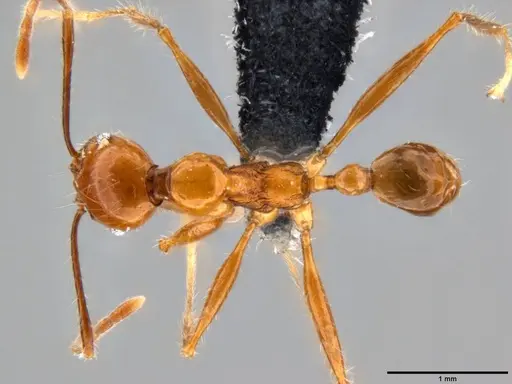
CASENT0908314
View on AntWeb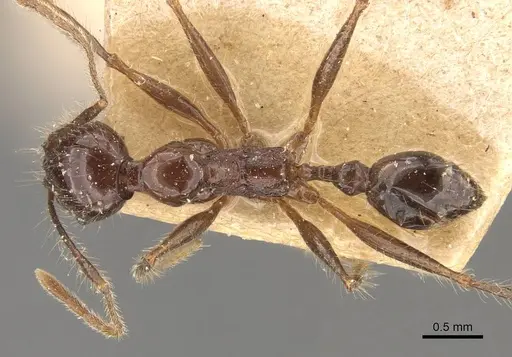
Literature
Loading...Loading products...