

Pheidole blumenauensis
- Scientific Name
- Pheidole blumenauensis
- Tribe
- Attini
- Subfamily
- Myrmicinae
- Author
- Kempf, 1964
- Distribution
- Found in 1 countries
Pheidole blumenauensis Overview
Pheidole blumenauensis is an ant species of the genus Pheidole. It is primarily documented in 1 countries , including Brazil. Detailed taxonomic data and occurrence records can be further explored via authoritative databases such as AntWeb or the Global Biodiversity Information Facility (GBIF).
Pheidole blumenauensis
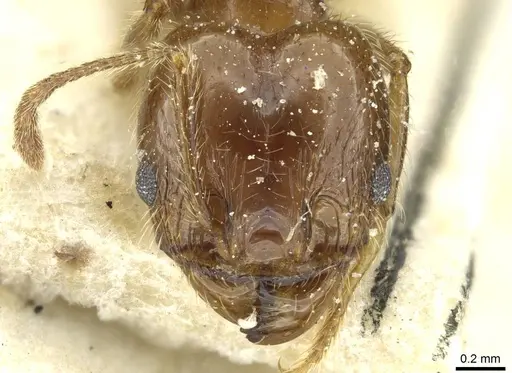
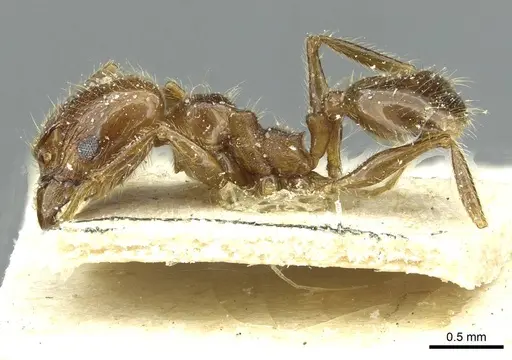
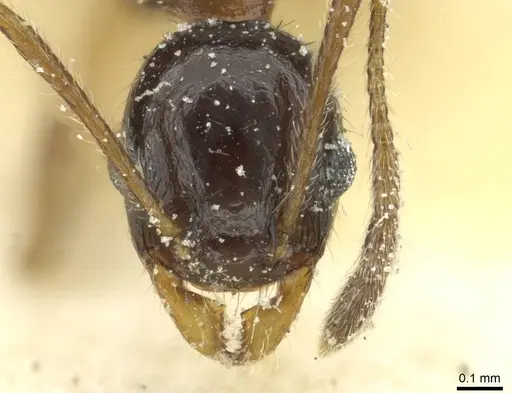
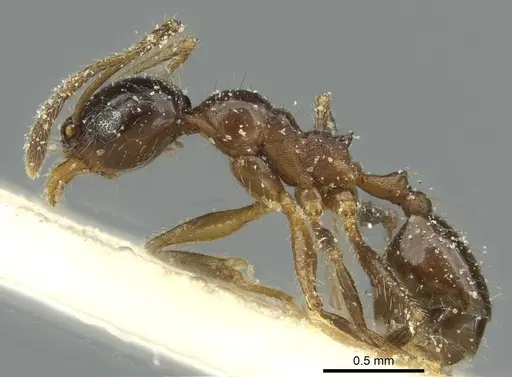
Pheidole blumenauensis is a small, reddish-brown ant belonging to the diligens group within the genus Pheidole. The species is known only from its type locality in Blumenau, Santa Catarina, Brazil, making it one of the less documented Neotropical ants [1]. Like all Pheidole species, they have two worker castes: majors (soldiers) with notably large heads, and smaller minor workers. Major workers measure approximately 1mm in head width, while minors are around 0.5mm [1]. The coloration is a uniform reddish-brown for majors, with minors being lighter brown and yellowish-brown appendages [1].
Unfortunately, almost nothing is known about the biology of this species, no research exists on their colony structure, founding behavior, or specific care requirements. What we know comes from morphological descriptions and distribution data from southern Brazil. Based on related Pheidole species in the region, they likely form moderate-sized colonies with typical Pheidole habits, but keepers should expect some experimentation to determine optimal care.
Quick Summary
- Difficulty: Medium
- Origin & Habitat: Endemic to Blumenau, Santa Catarina, Brazil in the Neotropical region. Found in southern Brazil according to regional surveys [1][2]. The type locality suggests they inhabit the Atlantic Forest region of Santa Catarina, which has a subtropical climate with moderate humidity.
- Colony Type: Colony structure is unconfirmed. Most Pheidole species are monogyne (single queen), but some can be polygyne. No data exists for this specific species.
- Colony: Monogyne
- Founding: Claustral
- Size & Growth:
- Queen: Unknown, not described in type material. Based on related Pheidole species, likely 5-8mm. Estimated.
- Worker: Major: HW 0.96mm, Minor: HW 0.52mm [1]
- Colony: Unknown. Typical Pheidole colonies reach hundreds to low thousands of workers. Estimated.
- Growth: Unknown. Moderate, typical for tropical/subtropical Myrmicinae. Estimated.
- Development: 6-10 weeks at optimal temperature. Estimated based on typical Pheidole development [2]. (Development time is estimated from related species. Actual timing may vary.)
- Antkeeping:
- Temperature: Keep at 22-26°C. Southern Brazil has a subtropical climate, so aim for warm room temperature with a slight heat gradient. Estimated based on origin climate.
- Humidity: Moderate to high, think damp forest floor conditions. Keep substrate moist but not waterlogged. Provide a water tube for drinking. Estimated.
- Diapause: Unlikely, southern Brazil is subtropical without true winters. They may show reduced activity in cooler months but probably don't need hibernation. Estimated.
- Nesting: In nature they likely nest in soil or under stones. A test tube setup works well for founding, then transition to a Y-tong or plaster nest with chambers scaled to their small size. Estimated.
- Behavior: Pheidole species are generally non-aggressive and not particularly territorial. Majors use their large heads to crack seeds and defend the nest, while minors handle most foraging and brood care. They are active foragers that likely harvest seeds and small insects. Escape risk is moderate, their small size means gaps in housing should be sealed, but they're not extreme escape artists like some tiny species. Estimated.
- Common Issues: lack of biological data means care is largely estimated from genus patterns, be prepared to adjust conditions, small colony size at founding makes them vulnerable to stress, keep founding queens in quiet, dark locations, no specific diet information exists, start with standard ant foods and observe what they accept, humidity balance is tricky, too wet causes mold, too dry causes desiccation
Nest Preferences and Housing
For founding colonies, a standard test tube setup works well. Fill the tube with water and plug the end with cotton, providing a humidity chamber. Cover the tube with something dark to reduce stress, founding queens prefer dark, quiet locations. Once the colony reaches 20-30 workers, you can transition to a small formicarium. Y-tong nests or plaster nests work well for Pheidole because they allow you to maintain humidity while providing proper ventilation. The chambers should be appropriately sized, these are small ants, so avoid large, open spaces. A small outworld connected to the nest allows for foraging. Keep nesting area humid but ensure some dry areas exist so ants can self-regulate. Estimated based on typical Pheidole housing.
Feeding and Diet
Pheidole blumenauensis is likely a seed-harvester like most Pheidole in the diligens group, but this is unconfirmed. Offer a varied diet to determine preferences: protein sources like small insects (fruit flies, pinhead crickets, mealworms), seeds (grass seeds, millet), and sugar sources (honey water, sugar water). Start with small amounts and remove uneaten food after 24-48 hours to prevent mold. Since we have no specific dietary data for this species, keepers should experiment and observe what their colony accepts most readily. Fresh water should always be available. Estimated based on genus patterns.
Temperature and Seasonal Care
Maintain temperatures around 22-26°C. Southern Brazil has a subtropical climate with warm summers and mild winters, avoid temperatures below 15°C or above 30°C. A small heat cable on one side of the nest can create a gradient, allowing ants to choose their preferred temperature. Room temperature in most homes is likely suitable. They probably don't need a true diapause or hibernation period, but you may notice reduced activity during cooler months. Monitor colony behavior, if they become less active, slightly reduce temperatures but don't allow them to get cold. Estimated based on origin climate.
Behavior and Colony Dynamics
Pheidole species are known for their major workers, which have disproportionately large heads used for seed-crushing and nest defense. In this species, majors are about 1mm in head width while minors are around 0.5mm [1]. The colony will typically have a ratio of roughly 1 major to every 4-10 minors, depending on colony age and needs. Majors primarily stay in the nest to process food and defend, while minors handle foraging and brood care. They're generally peaceful ants that focus on resource collection rather than aggression. Observe your colony to learn their specific activity patterns, each colony can have slightly different behaviors. Estimated based on genus knowledge.
Frequently Asked Questions
How long does it take for Pheidole blumenauensis to have first workers?
Estimated 6-10 weeks from egg to worker at optimal temperature (22-26°C). This is based on typical Pheidole development patterns since no specific data exists for this species. The first workers (nanitics) are usually smaller than normal workers and emerge before the queen resumes normal egg production.
What do Pheidole blumenauensis ants eat?
Unconfirmed, but likely similar to other Pheidole in the diligens group, seeds and small insects. Offer a varied diet including small insects, seeds, and sugar water. Remove uneaten food after 24-48 hours to prevent mold. Experiment to see what your colony prefers.
Can I keep multiple Pheidole blumenauensis queens together?
Not recommended to combine unrelated queens. Most Pheidole are monogyne (single queen), and while some species can be polygyne, we have no data on whether blumenauensis can have multiple queens. It's safest to start with one queen per colony.
How big do Pheidole blumenauensis colonies get?
Unknown for this specific species, but typical Pheidole colonies reach hundreds to low thousands of workers. Expect moderate colony growth over several years.
What temperature is best for Pheidole blumenauensis?
Keep them at 22-26°C. This range reflects their subtropical origin in southern Brazil. Room temperature is usually suitable, but avoid temperatures below 15°C or above 30°C.
Do Pheidole blumenauensis need hibernation?
Probably not. Southern Brazil has mild winters without extended cold periods. They may show reduced activity in cooler months but likely don't require a true diapause period.
Are Pheidole blumenauensis good for beginners?
Difficulty is moderate. The main challenge is that almost no biological data exists for this species, so care is largely estimated from genus patterns. If you're comfortable with some experimentation, they can be kept successfully. Start with a well-established colony if possible.
When should I move Pheidole blumenauensis to a formicarium?
Wait until the colony has at least 20-30 workers and the test tube is becoming crowded. Pheidole can be sensitive to relocation, so make the transition gradual, connect the formicarium to the test tube and let them move on their own.
Why is my Pheidole blumenauensis colony declining?
Common causes include: poor humidity (too wet causes mold, too dry causes desiccation), temperature stress, insufficient protein, or mold from uneaten food. Since we have no specific data, also consider that wild-caught colonies may have parasites. Review all basic parameters and adjust gradually.
References

This caresheet is licensed under CC BY-SA 4.0 .
CASENT0913278
View on AntWeb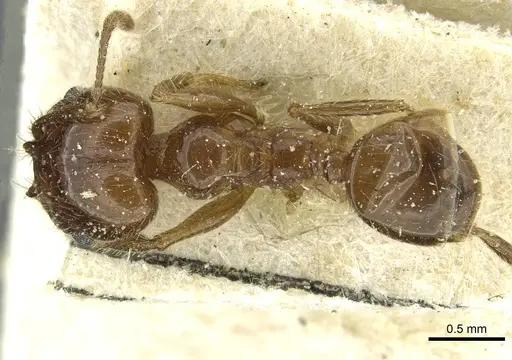
CASENT0913279
View on AntWeb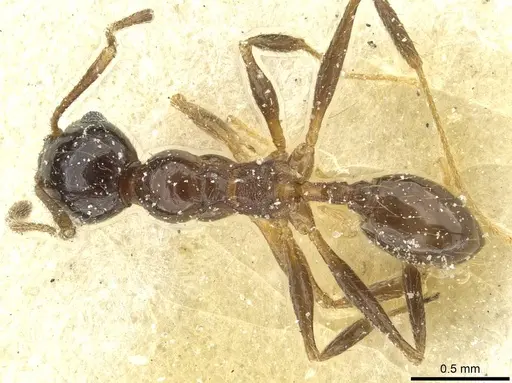
Literature
Loading...Loading products...