

Pheidole biolleyi
- Scientific Name
- Pheidole biolleyi
- Tribe
- Attini
- Subfamily
- Myrmicinae
- Author
- Forel, 1908
- Distribution
- Found in 2 countries
Pheidole biolleyi Overview
Pheidole biolleyi is an ant species of the genus Pheidole. It is primarily documented in 2 countries , including Costa Rica, Mexico. Detailed taxonomic data and occurrence records can be further explored via authoritative databases such as AntWeb or the Global Biodiversity Information Facility (GBIF).
Pheidole biolleyi
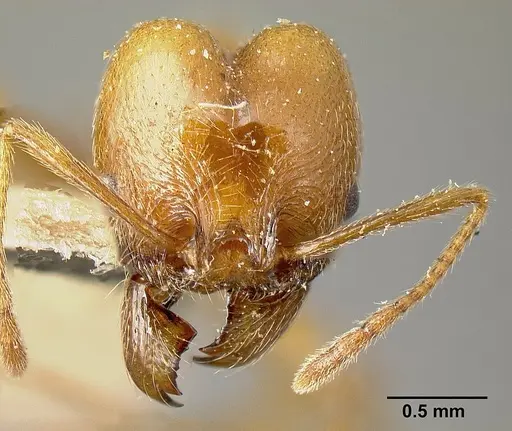
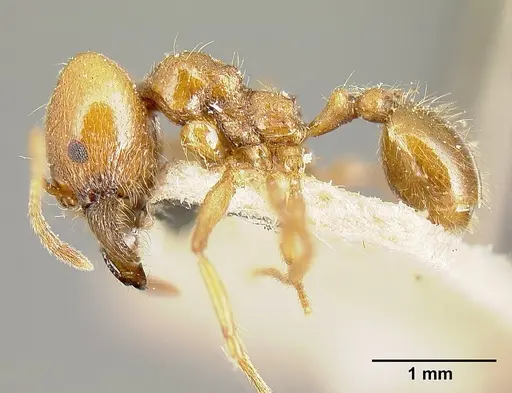
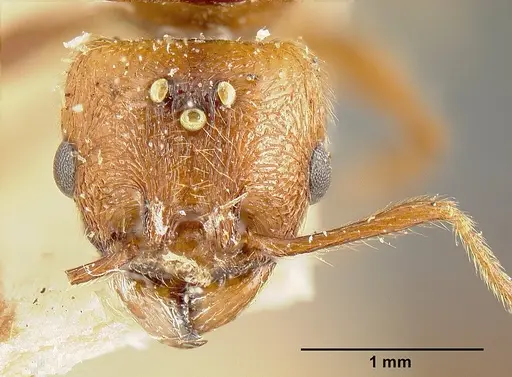
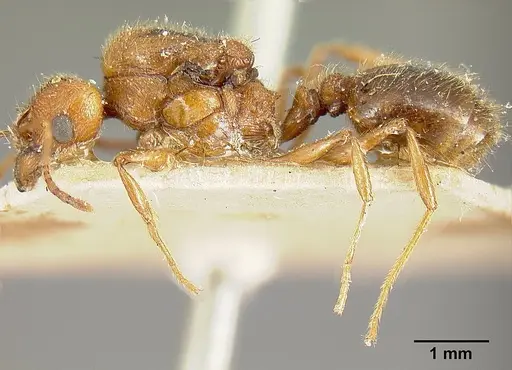
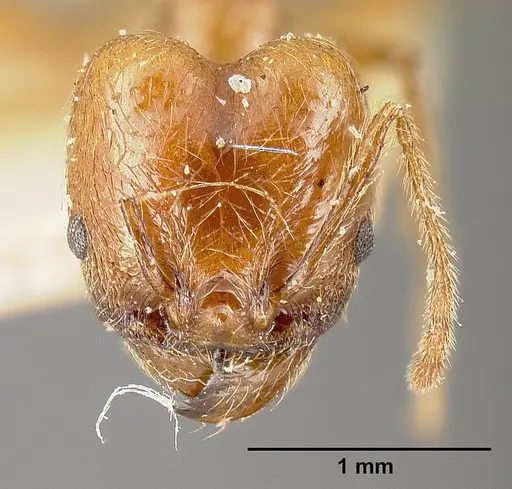
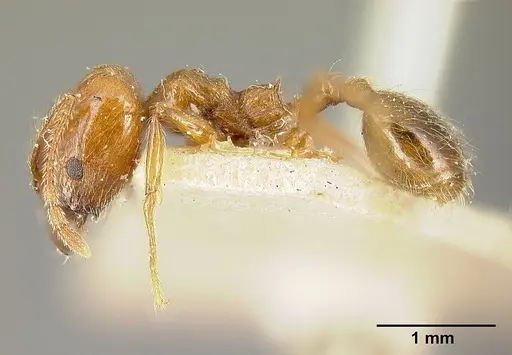
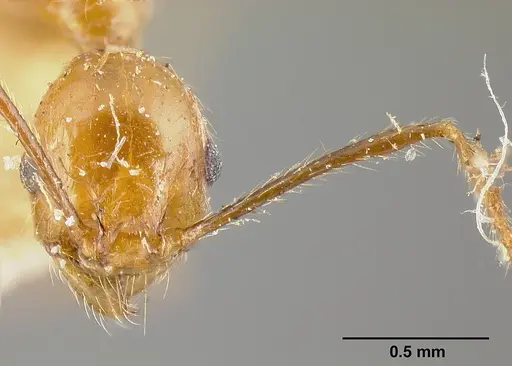
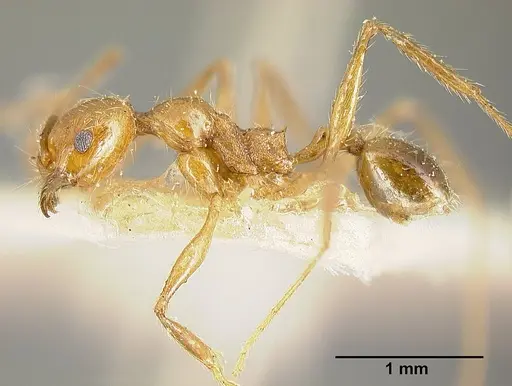
Pheidole biolleyi is a small Myrmicine ant native to the cloud forests of Costa Rica and Mexico. The species is named after its collector, Paul Biolley. These ants have the classic Pheidole morphology with two distinct worker castes: majors (soldiers) with enlarged heads measuring 1.14mm in head width, and smaller minors at 0.64mm head width. Majors are a uniform light orange color while minors are brownish yellow. Colonies nest in soil in humid cloud forest environments at elevations around 1500-1600m, and workers forage both on the ground and in low vegetation.
Quick Summary
- Difficulty: Medium
- Origin & Habitat: Cloud forests of Costa Rica (Central Valley around Cartago and Monteverde) and Mexico at 1500-1600m elevation [1]
- Colony Type: Single-queen (monogyne) colonies typical of most Pheidole species
- Colony: Monogyne
- Founding: Claustral
- Size & Growth:
- Queen: Unconfirmed in research, estimated 6-8mm based on genus patterns
- Worker: Majors 1.14mm HW, Minors 0.64mm HW
- Colony: Unknown, likely reaches several thousand workers like other Pheidole species
- Growth: Moderate, typical for Pheidole genus
- Development: 6-10 weeks estimated based on related Pheidole species (Development time inferred from genus patterns, no specific study found for this species)
- Antkeeping:
- Temperature: Keep around 18-22°C, cloud forest species prefer cool, stable conditions. Avoid temperatures above 25°C
- Humidity: High humidity required, aim for 70-85%. Keep nest substrate consistently moist but not waterlogged, mimicking damp forest floor conditions
- Diapause: Unknown, no specific research on overwintering. Given high-elevation origin, a cool period around 15-18°C for 2-3 months may benefit colonies
- Nesting: Soil-nesting species, thrives in naturalistic setups with moist substrate, or Y-tong/plaster nests with chambers scaled to their small size. Provide deep soil layer for colony expansion [1]
- Behavior: Generally peaceful and non-aggressive. Workers forage actively on the ground and can climb vegetation in search of seeds and small insects. Escape risk is moderate due to small size, use standard barrier methods. Majors use their enlarged heads to crack seeds and defend the colony.
- Common Issues: high humidity needs make them prone to mold if ventilation is poor, cloud forest origin means they struggle in warm, dry conditions above 25°C, small size requires escape prevention though not as critical as with tiny species, slow growth compared to tropical species may frustrate beginners, wild-caught colonies may carry parasites that cause colony collapse in captivity
Nest Preferences and Housing
Pheidole biolleyi naturally nests in soil within cloud forest environments. In captivity, they do well in naturalistic setups with a deep layer of moist soil or a mixture of soil and sand. Y-tong (acrylic) nests with narrow chambers also work well, provided you maintain high humidity. Plaster nests can work but require careful moisture management to prevent drying out. The key is providing a nest area that stays consistently damp while having some drier areas available for the ants to regulate their own humidity. Given their small size, use chambers scaled appropriately, passages should be narrow enough that majors can move comfortably but not so large that the colony feels exposed. [1]
Feeding and Diet
Like other Pheidole species, these ants are omnivorous with a preference for seeds and protein. In the wild, they forage for seeds, small insects, and likely tend aphids for honeydew. In captivity, offer a varied diet including: seeds (millet, chia, grass seeds), small insects (fruit flies, pinhead crickets, mealworms), and sugar sources (honey water, sugar water). Pheidole majors have specialized heads for cracking seeds, so offering seeds with thin shells encourages this natural behavior. Feed protein sources 2-3 times per week and keep a sugar water source available at all times. Remove uneaten prey after 24-48 hours to prevent mold.
Temperature and Seasonal Care
As a cloud forest species from high elevation, Pheidole biolleyi prefers cooler temperatures than many tropical ants. Keep the nest area between 18-22°C. Temperatures above 25°C can stress colonies and may lead to decline. A gentle temperature gradient allows workers to choose their preferred zone. Room temperature in most homes (20-22°C) is often ideal. During winter, you might reduce temperatures slightly to 15-18°C for 2-3 months to simulate their natural seasonal cycle, though this is not strictly required if room temperatures remain stable. Avoid placing nests near heating sources or in direct sunlight that could cause overheating.
Behavior and Colony Dynamics
This species shows classic Pheidole behavior with distinct worker castes. Minor workers handle most tasks including foraging, caring for brood, and maintaining the nest. Major workers specialize in seed processing, defending the colony, and helping with larger prey items. Workers are active foragers that search both on the ground and up into low vegetation, so provide foraging space in the outworld. The colony will establish a clear division of labor, with minors readily traveling to food sources while majors remain more nest-focused. Colonies are not aggressive toward keepers and rarely bite, making them manageable even during nest inspections. [1]
Growth and Development
Pheidole biolleyi colonies start slowly, as is typical for the genus. A newly mated queen will lay her first batch of eggs after sealing herself in a claustral chamber. The first workers (nanitics) will emerge smaller than normal workers but will begin foraging and expanding the colony. Over the following months, colony growth is moderate, expect the first major workers to appear once the colony reaches several hundred workers. Maximum colony size is not documented but likely reaches several thousand workers given typical Pheidole patterns. Patience is key with this species, rapid growth should not be expected.
Frequently Asked Questions
How long does it take for Pheidole biolleyi to produce first workers?
Expect first workers (nanitics) to emerge around 6-10 weeks after the queen lays eggs, based on typical Pheidole development. This timeline assumes optimal conditions around 20°C with adequate humidity.
What temperature do Pheidole biolleyi ants need?
Keep them at 18-22°C. This cloud forest species prefers cooler conditions than many tropical ants. Avoid temperatures above 25°C as this can stress or kill colonies.
Can I keep multiple Pheidole biolleyi queens together?
Not recommended. This species is monogyne (single-queen) in the wild. Combining unrelated queens typically results in fighting and colony failure.
What do Pheidole biolleyi ants eat?
They are omnivorous. Offer seeds (millet, chia), small insects (fruit flies, mealworms), and sugar water or honey. Protein should be offered 2-3 times weekly with sugar available constantly.
Are Pheidole biolleyi ants good for beginners?
They are rated medium difficulty. Beginners can succeed with them if they can maintain cool temperatures (18-22°C) and high humidity (70-85%). They are more challenging than common temperate species but easier than many tropical ants.
How big do Pheidole biolleyi colonies get?
Colony size is not precisely documented but likely reaches several thousand workers over 1-2 years under good conditions. The presence of major workers typically appears once the colony reaches several hundred workers.
Do Pheidole biolleyi need hibernation?
Not strictly required in captivity, but a cool period around 15-18°C for 2-3 months during winter may benefit colony health. This mimics their natural high-elevation environment where temperatures drop significantly.
What humidity level do Pheidole biolleyi require?
High humidity around 70-85% is essential. Keep the nest substrate consistently moist but not waterlogged. Cloud forest origin means they are adapted to damp conditions.
When should I move Pheidole biolleyi to a formicarium?
Keep them in a founding setup (test tube or small container) until the colony reaches 50-100 workers. Moving too early stresses the queen and can halt development. A naturalistic setup with soil works well for this soil-nesting species.
Why are my Pheidole biolleyi dying?
The most common causes are: temperatures too warm (above 25°C), low humidity causing desiccation, mold from poor ventilation, or overfeeding leading to mold in the nest. Check these parameters first and adjust accordingly.
References

This caresheet is licensed under CC BY-SA 4.0 .
CASENT0635438
View on AntWeb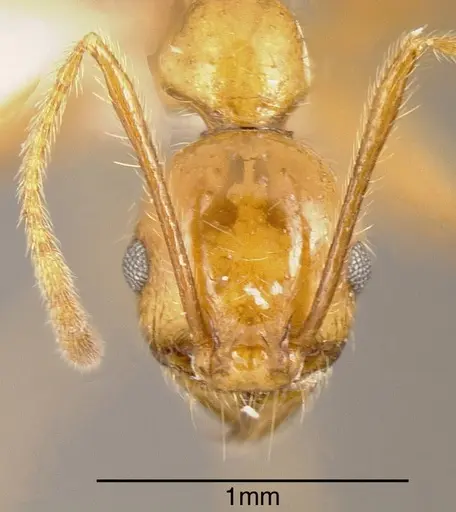
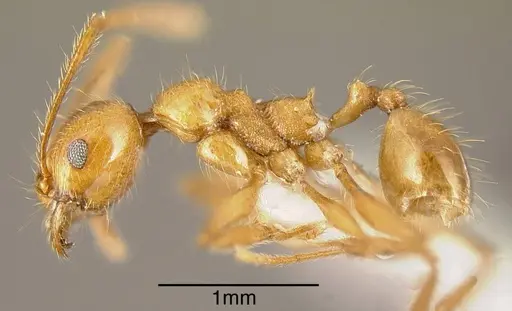
CASENT0646557
View on AntWeb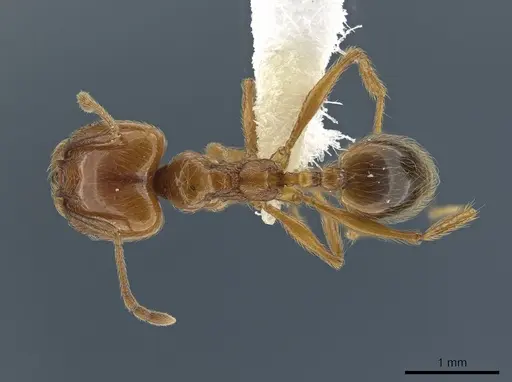
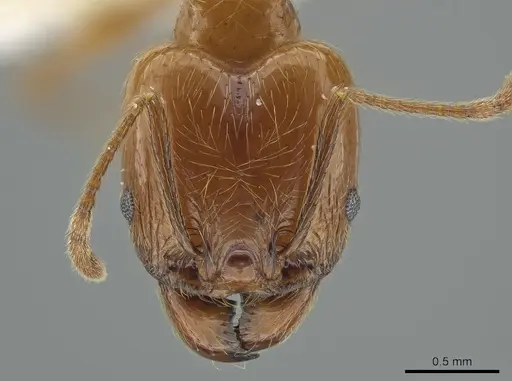
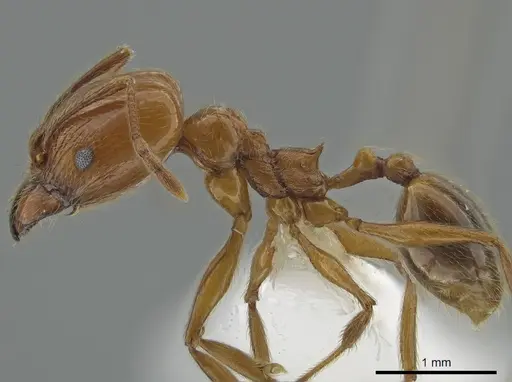
INBIOCRI002272045
View on AntWeb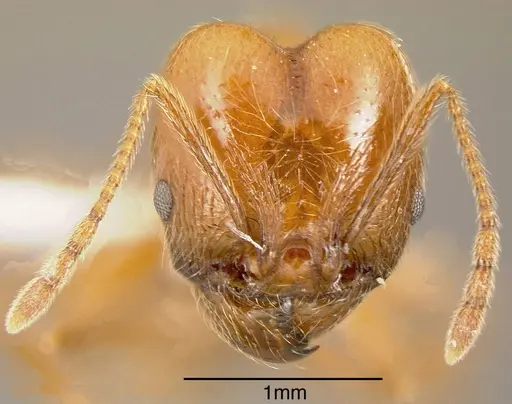
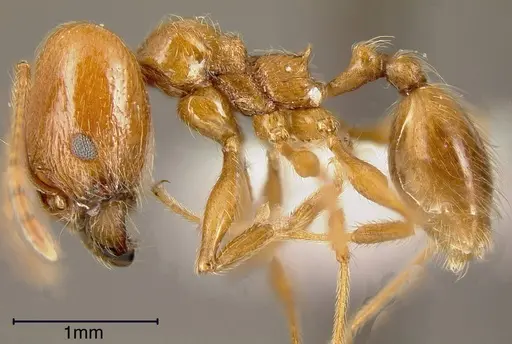
JTLC000014072
View on AntWeb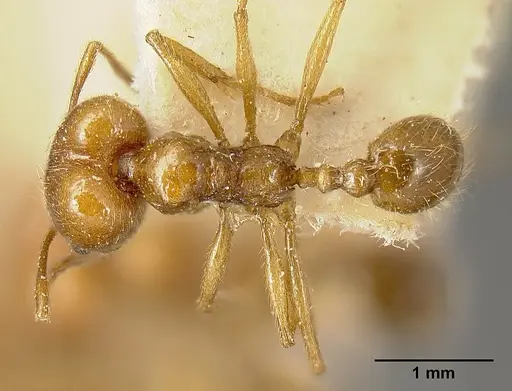
JTLC000014076
View on AntWeb
JTLC000014077
View on AntWeb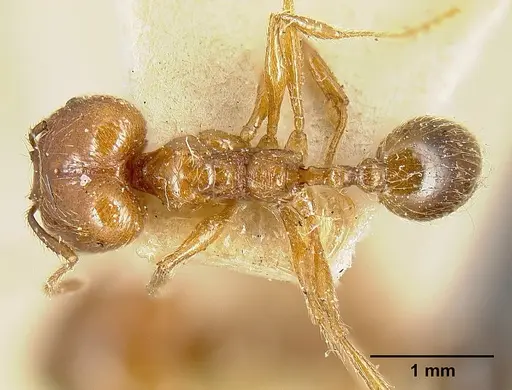
JTLC000014078
View on AntWeb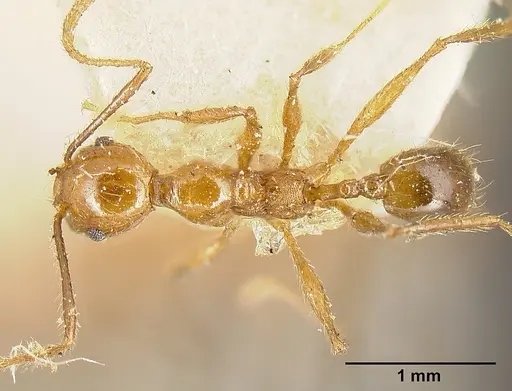
Literature
Loading...Loading products...