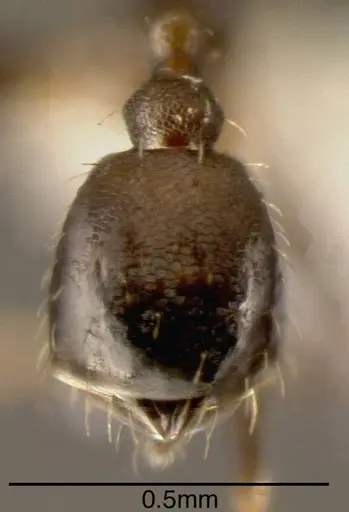
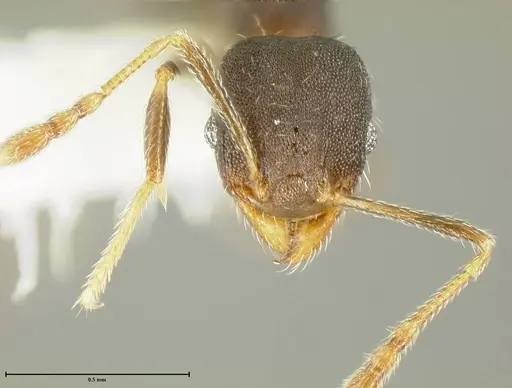
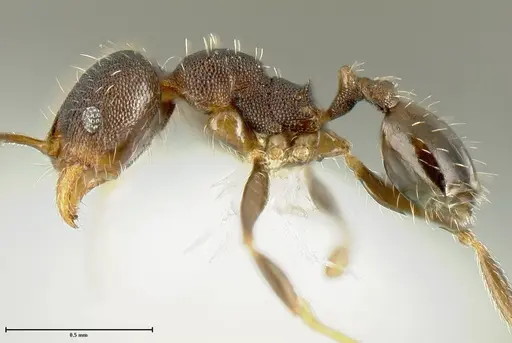
Pheidole bilimeki shows a May to August flight window. Peak activity occurs in June, with nuptial flights distributed across 4 months.
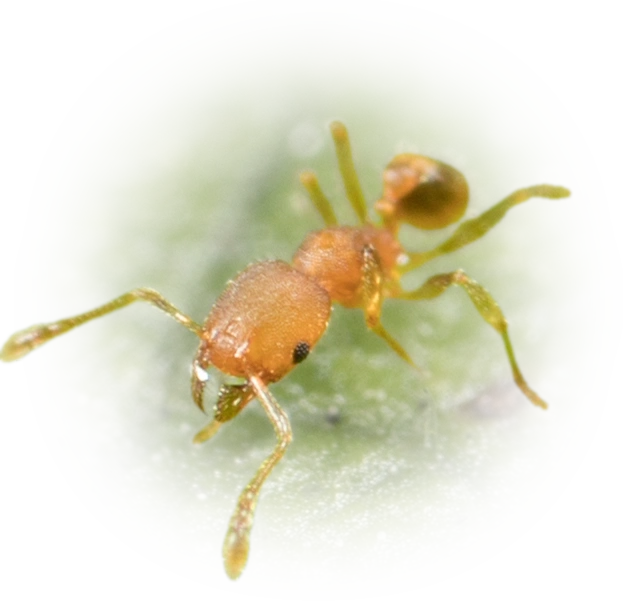
Pheidole bilimeki
- Scientific Name
- Pheidole bilimeki
- Tribe
- Attini
- Subfamily
- Myrmicinae
- Author
- Mayr, 1870
- Common Name
- Bilimek's Big-headed Ant
- Distribution
- Found in 9 countries
- Nuptial Flight
- from May to August, peaking in June
AI Identifiable
try →
Pheidole bilimeki Overview
Pheidole bilimeki (commonly known as the Bilimek's Big-headed Ant) is an ant species of the genus Pheidole. It is primarily documented in 9 countries , including Colombia, Costa Rica, Dominican Republic. Detailed taxonomic data and occurrence records can be further explored via authoritative databases such as AntWeb or the Global Biodiversity Information Facility (GBIF).
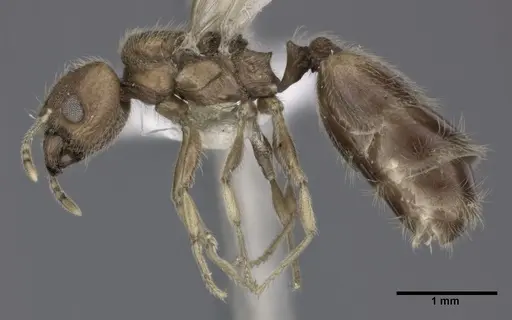
The nuptial flight of Pheidole bilimeki is a significant biological event, typically occurring from May to August, peaking in June. During this time, winged queens and males leave the nest to mate and establish new colonies.
Pheidole bilimeki - "Bilimek's Big-headed Ant"
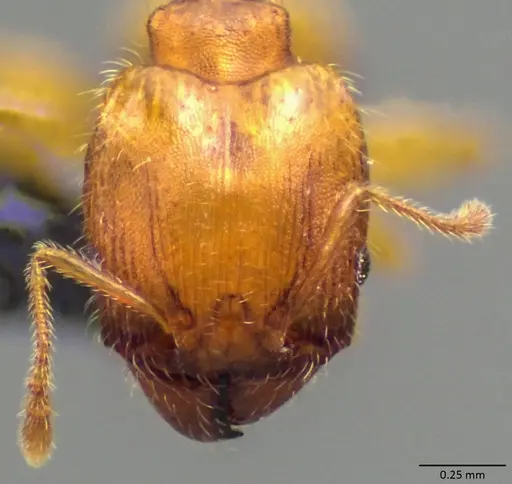
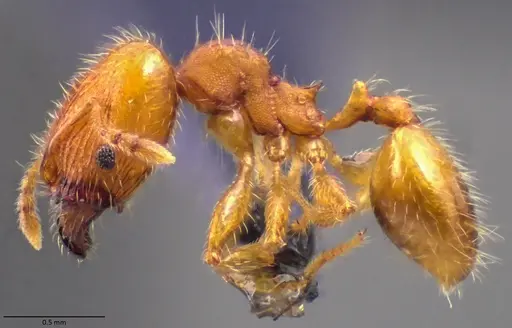
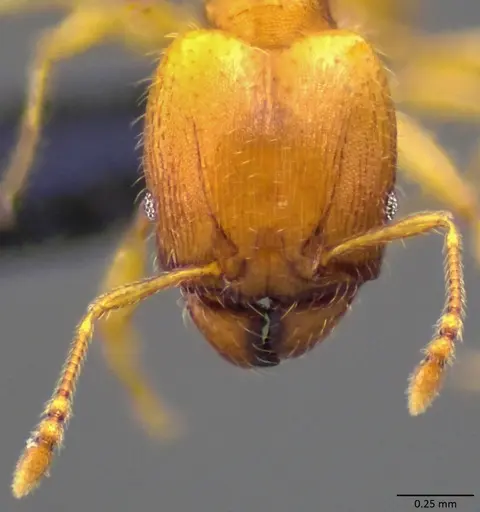
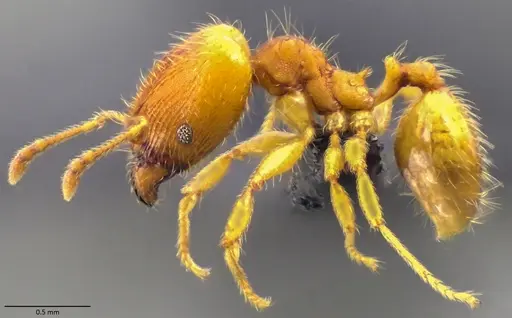
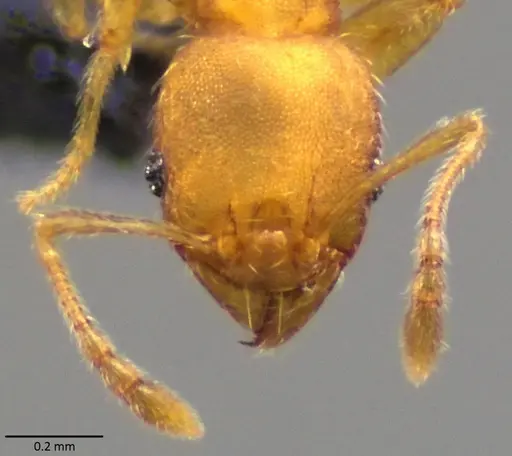
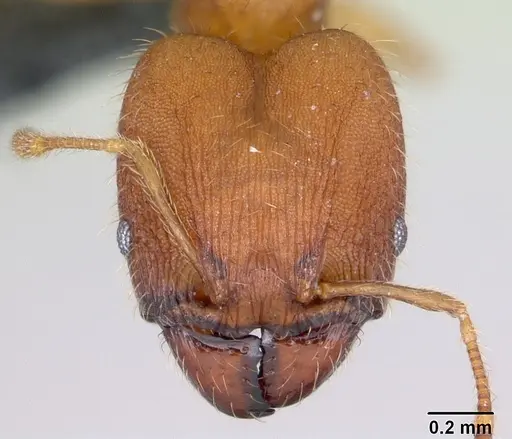
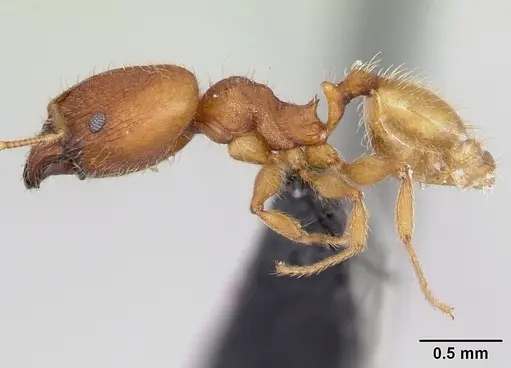
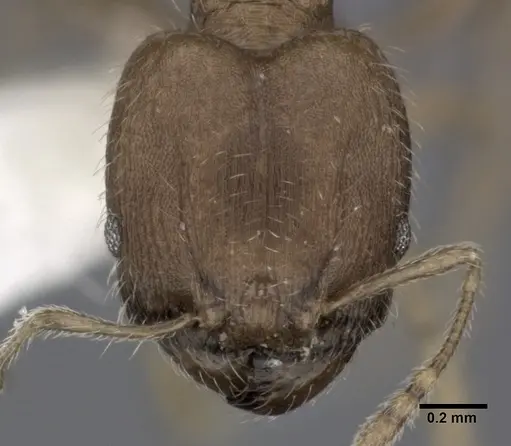
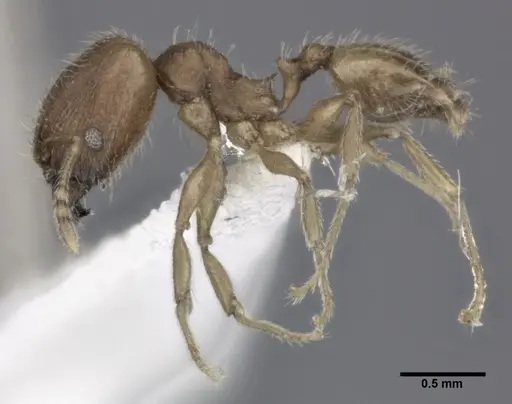
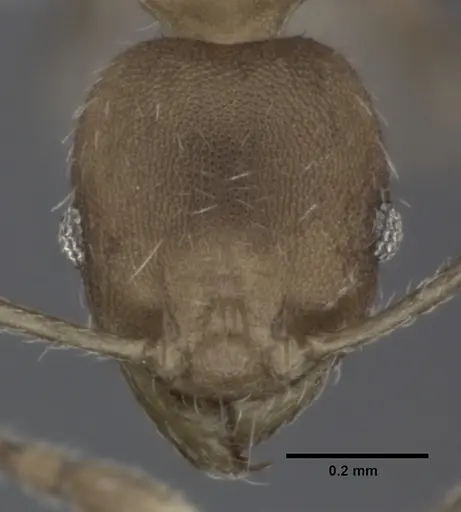
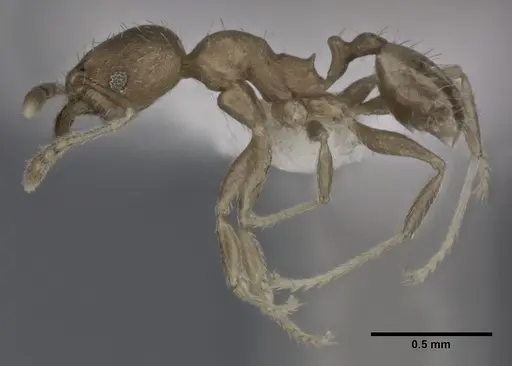
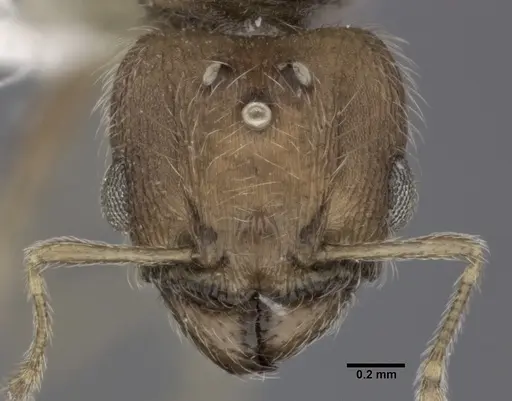
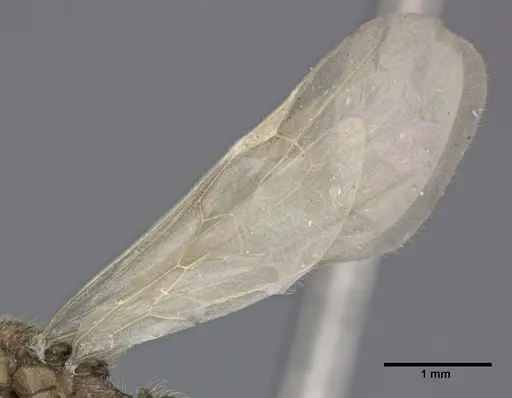
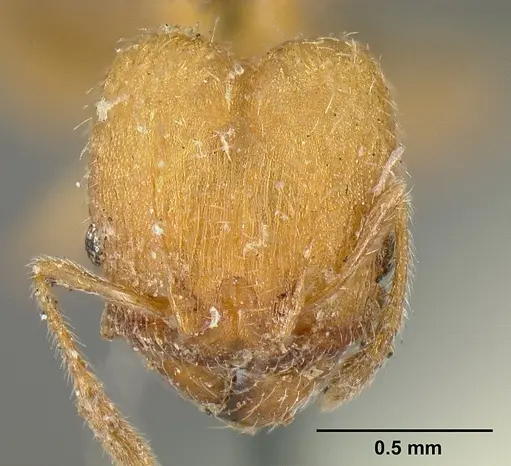
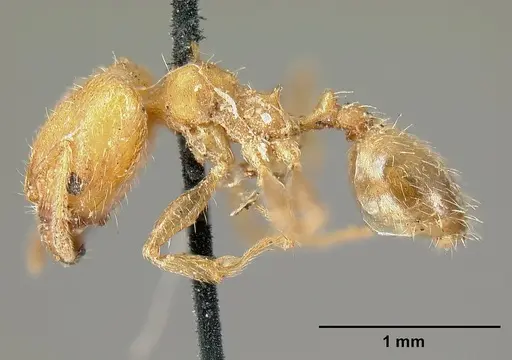
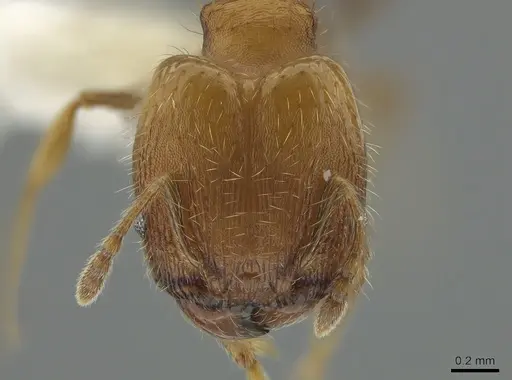
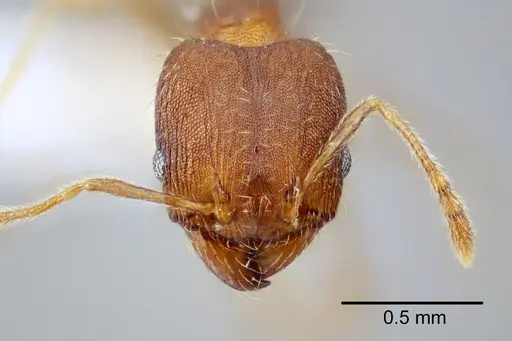
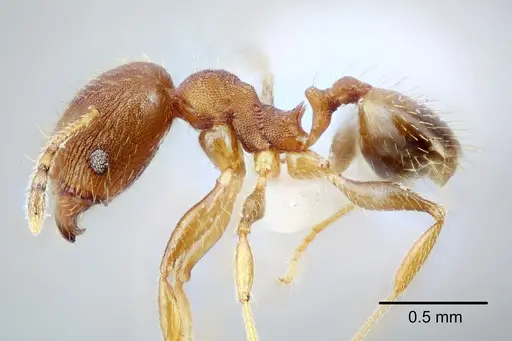
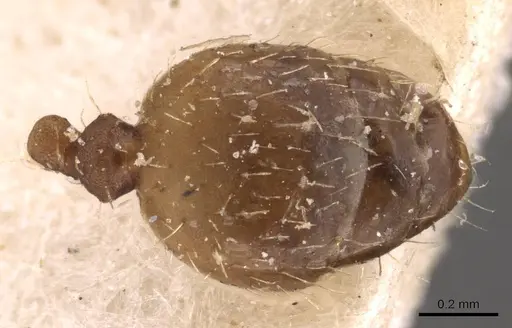
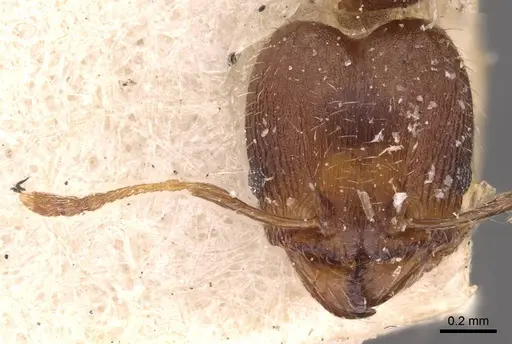
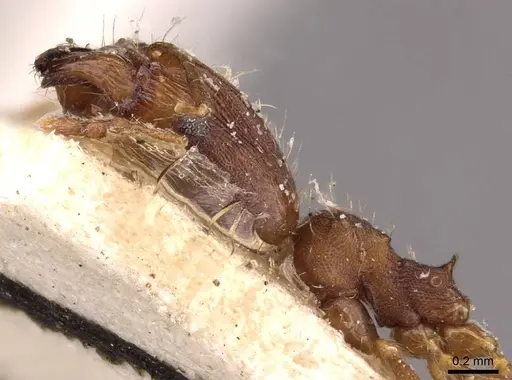
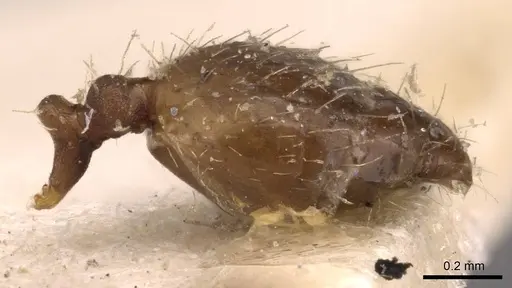
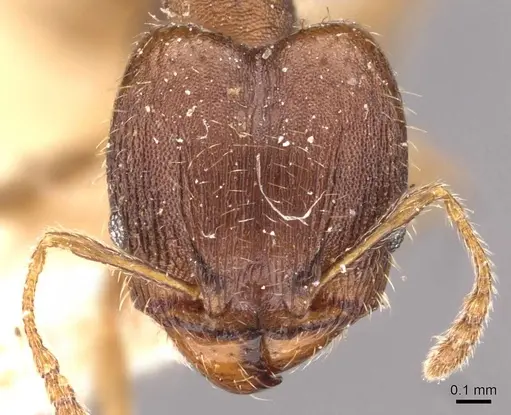
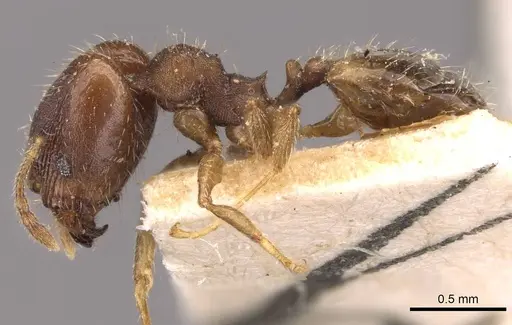
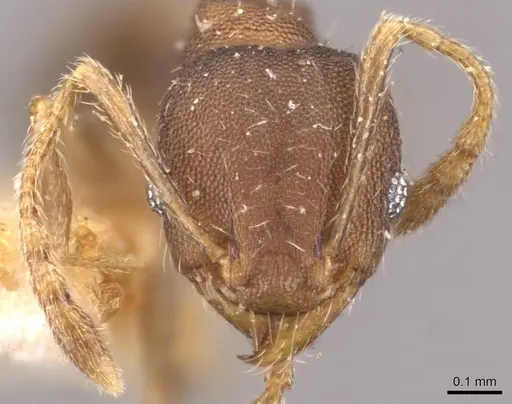
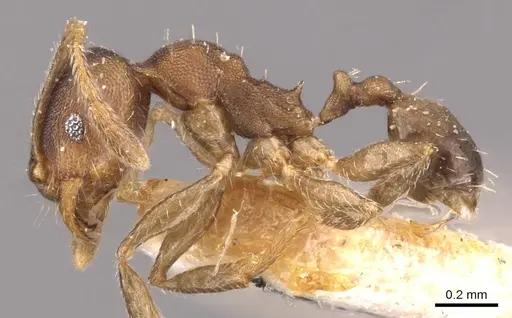
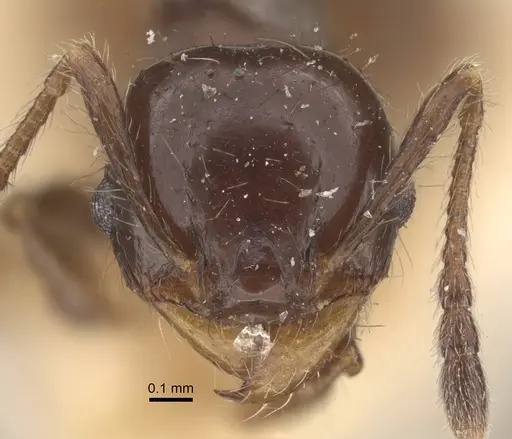
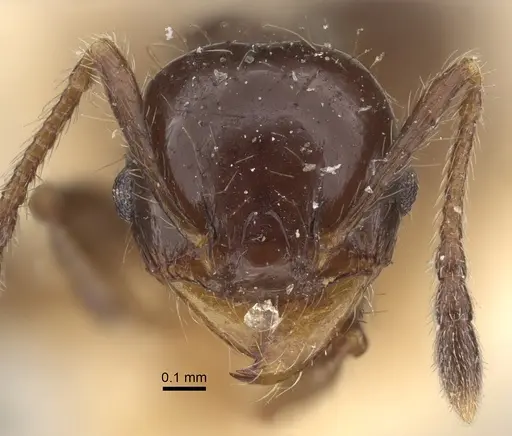
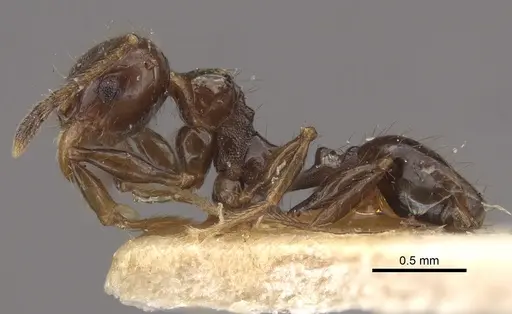
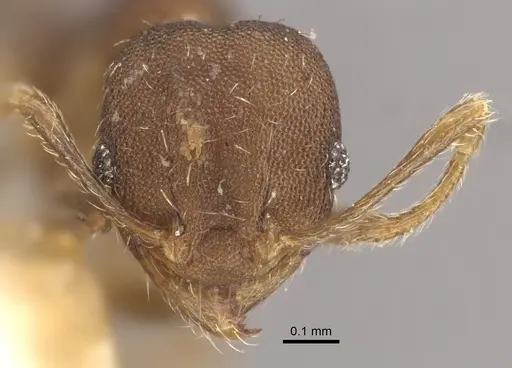
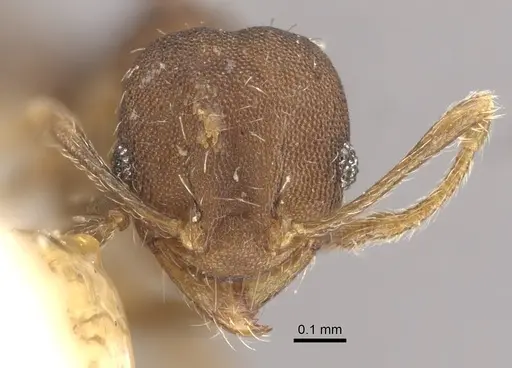
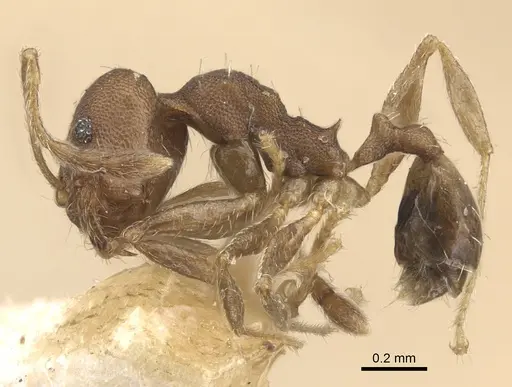
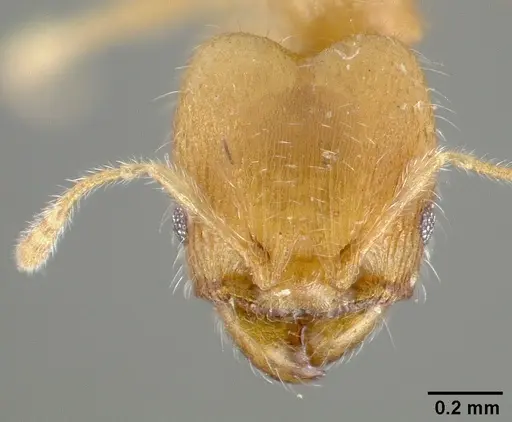
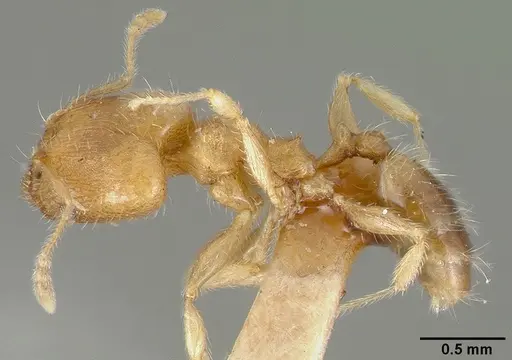
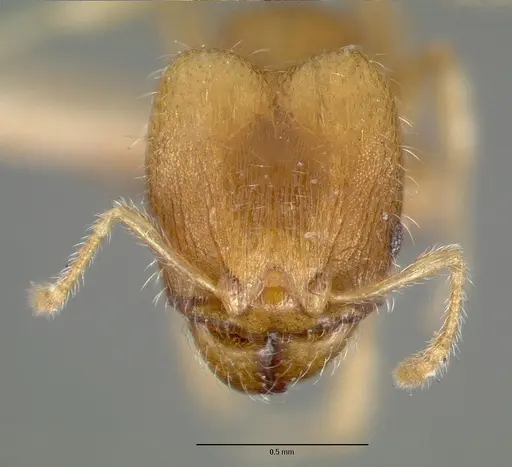
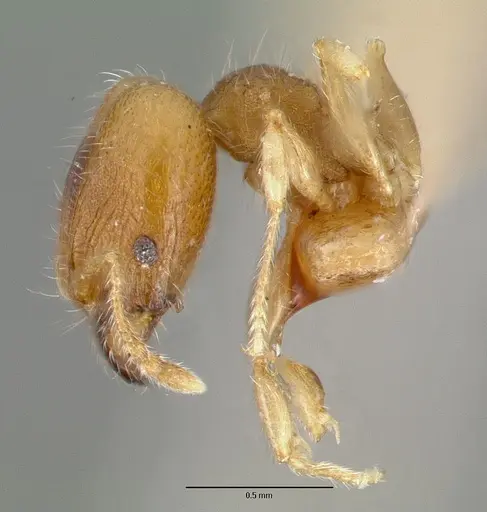
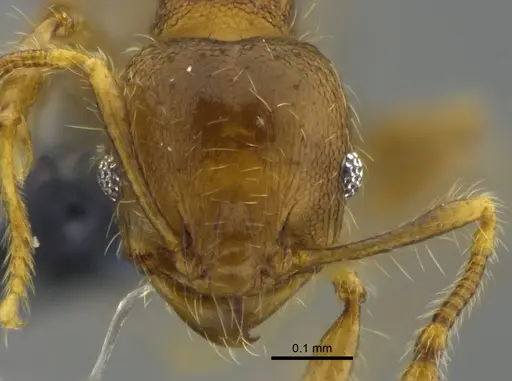
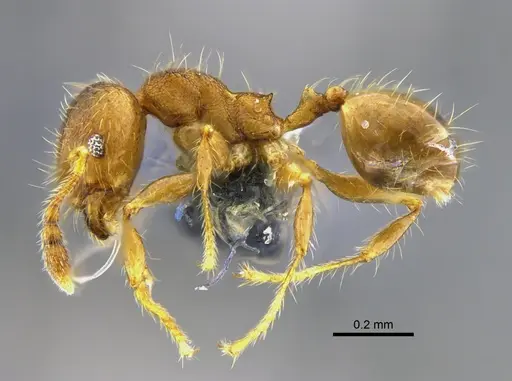
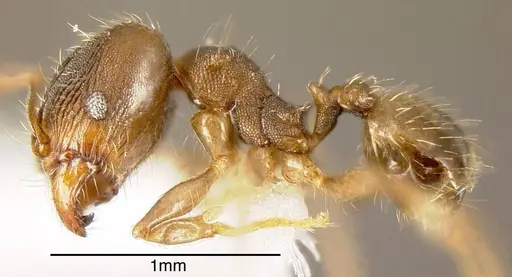
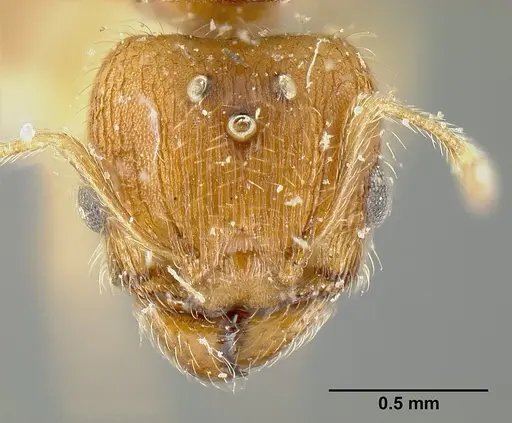
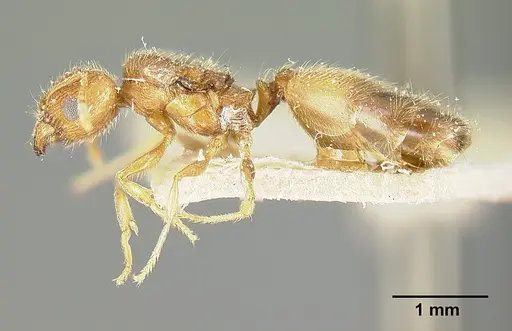
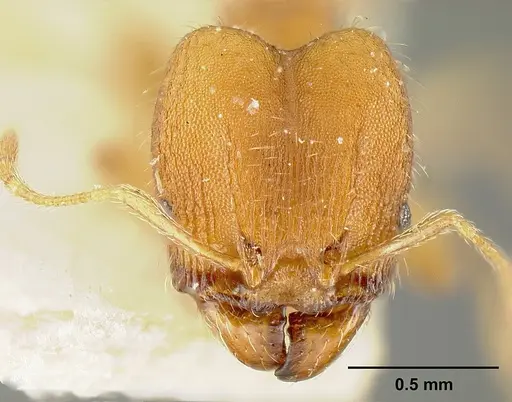
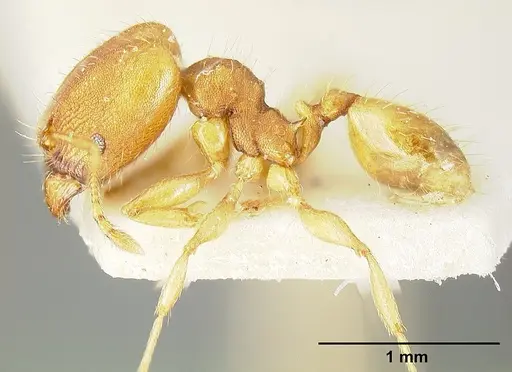
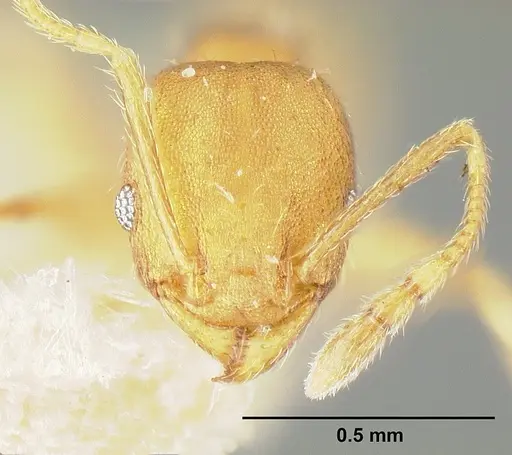
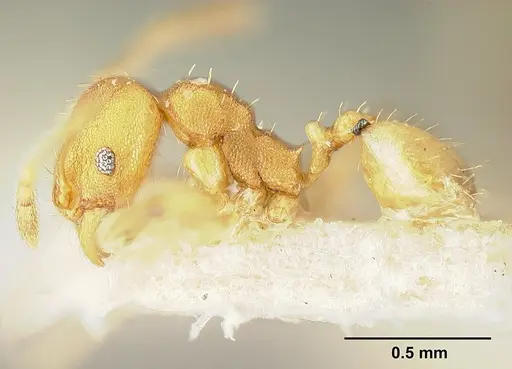
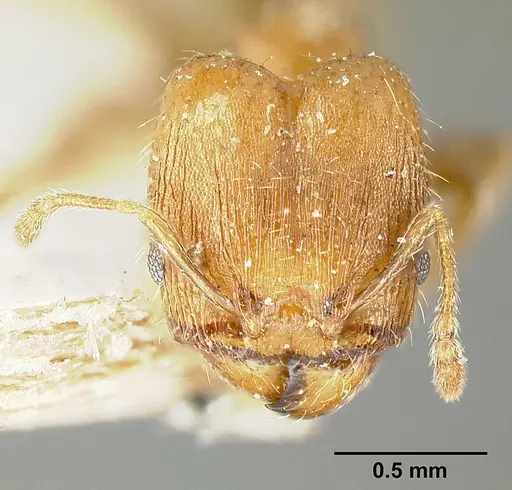
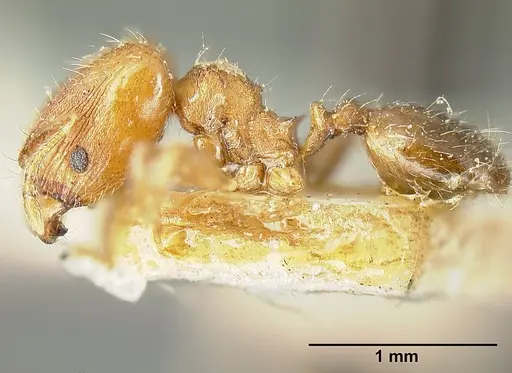
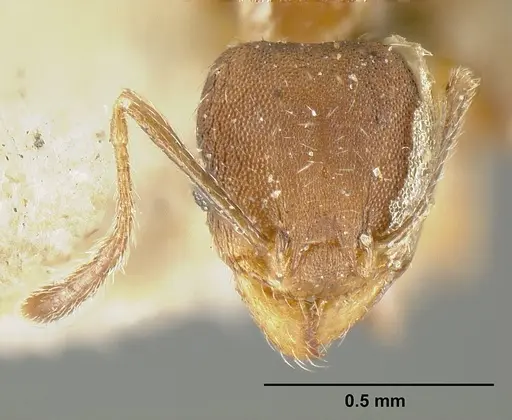
Pheidole bilimeki is a dimorphic ant species with minor workers measuring 1.6-1.7 mm and major workers 3.0-3.2 mm in total length [1]. They are typically brown, with some northern populations showing yellow coloration [2]. This species is native to the Neotropical region, from Mexico to Venezuela and throughout the Caribbean, and has been introduced to greenhouses in Europe and the Canary Islands [3]. It thrives in open, disturbed habitats like roadsides and urban areas, nesting in rotten wood, under stones, or in dead fenceposts [2].
Pheidole bilimeki is highly adaptable and often dominates disturbed areas where other ants struggle. Major workers have powerful mandibles for grinding seeds, making them efficient seed removers in ecosystems [4][1].
Quick Summary
- Difficulty: Medium
- Origin & Habitat: Native to the Neotropical region from Mexico to Venezuela and the Caribbean, introduced to greenhouses in Europe and the Canary Islands. Nests in open, disturbed areas like roadsides, under stones, or in rotten wood [2][3][5].
- Colony Type: Monogyne, with single queen colonies supported by minor and major workers [1].
- Size & Growth:
- Antkeeping:
- Temperature: Keep warm, roughly 24-30°C. This tropical species has low cold tolerance and should not be kept below 20°C [3][7].
- Humidity: Keep nest substrate consistently moist but not waterlogged, with some drier areas available [2].
- Diapause: No diapause required, remain active year-round if kept warm [3].
- Nesting: Use test tubes, Y-tong, or plaster nests. Provide dark, secure chambers mimicking natural nesting in rotten wood or under stones [2][5].
- Behavior: Active foragers that travel up to 4 meters from the nest [1]. They prefer sucrose over other sugars and recruit majors for large food items [8][7]. Not aggressive toward keepers but will defend nests. Escape risk is moderate, use standard barriers as they climb well [1].
- Common Issues: cold intolerance, this species cannot tolerate cool temperatures and will decline if kept below 20°C [3], escape risk, active foragers, ensure proper barriers on outworld [1], overheating, avoid direct heat sources that dry out the nest quickly, non-native release, never release in areas where it is not native, as it is introduced in some regions [3]
Nuptial Flight Activity Analysis 76 observations
Flight Activity by Hour 76 observations
Pheidole bilimeki nuptial flight activity peaks around 07:00 during the morning. Activity is spread across a 20-hour window (04:00–23:00). A secondary activity peak occurs around 05:00. Times may be influenced by human observation patterns.
Nest Preferences
Pheidole bilimeki nests in rotten wood, under stones, or in dead fenceposts in open, disturbed areas [2]. For captivity, use test tubes for founding colonies, then move to Y-tong or plaster formicariums. Provide dark, secure chambers with moderate humidity, the nest material should feel damp but not soggy [2][5].
Feeding and Diet
This species is a generalist feeder with a strong preference for sucrose. Research shows sucrose recruits more ants than fructose, glucose, trehalose, or melezitose [8][7]. Offer sugar water or honey water constantly. Provide protein like small insects 2-3 times per week. Major workers can grind seeds, so small seeds can be offered as enrichment [1][4].
Temperature and Care
Keep temperatures between 24-30°C. This tropical species cannot tolerate cold below 20°C [3]. Use a heating cable on one side of the nest if room temperature is cool. Avoid direct heat sources that dry out the nest [7].
Behavior and Colony Structure
Colonies are monogyne with a single queen. Workers forage up to 4 meters and use recruitment pheromones for large food items [1]. Major workers handle seed grinding and defense. This species is not aggressive but will bite if threatened. Ensure escape prevention with barriers [1][2].
Seasonal Care and Overwintering
No diapause required, keep warm year-round. Activity may slow in cooler months but this is not true hibernation [3]. Maintain temperatures above 20°C even in winter [3].
Growth and Development
Colony growth is moderate. Development from egg to worker is estimated at 6-10 weeks based on Pheidole genus patterns. Major workers appear as the colony matures [1]. Growth depends on temperature and feeding quality.
Frequently Asked Questions
How long does it take for Pheidole bilimeki to produce first workers?
Expect 6-10 weeks from egg to first worker, inferred from Pheidole genus patterns. Keep them warm (24-30°C) to speed development.
Can I keep multiple Pheidole bilimeki queens together?
No, this species is monogyne with single queen colonies. Combining queens will likely result in fighting.
What temperature do Pheidole bilimeki ants need?
Keep them warm between 24-30°C. They have low cold tolerance and should not be kept below 20°C [3].
What do Pheidole bilimeki eat?
They are generalists. Offer sugar water constantly, they prefer sucrose [8][7]. Feed protein like small insects 2-3 times per week [1].
Are Pheidole bilimeki good for beginners?
Medium difficulty. They are rewarding but require warm temperatures year-round. If you can maintain heat, they are suitable for beginners.
How big do Pheidole bilimeki colonies get?
Mature colonies can reach over 600 workers [1].
Do Pheidole bilimeki need hibernation?
No, as a tropical species, they do not require hibernation. Keep them warm year-round [3].
Why are my Pheidole bilimeki dying?
Common causes include cold temperatures below 20°C, drowning from too much moisture, or mold from uneaten food. Check temperature first [3].
When should I move Pheidole bilimeki to a formicarium?
Wait until the colony has 30-50 workers and outgrows the test tube setup. Transfer gently to a larger nest like Y-tong or plaster.
What makes Pheidole bilimeki different from other Pheidole?
They have short antennal scapes and prefer open, disturbed habitats, unlike shaded forest species like P. anastasii [2].
Report an Issue
The current care sheet is based fully on literature. See inconsistencies, or something that's incorrect? Please , it will be resolved after review from an admin. Contributing to the blogs tab also helps providing information, to make us be able to further improve the caresheets. Thank you for your support!
References

This caresheet is licensed under CC BY-SA 4.0 .
ANTWEB1060065
View on AntWeb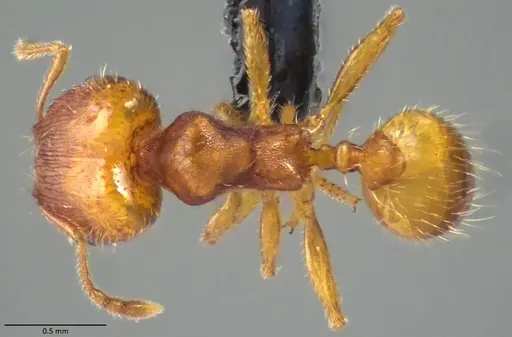
ANTWEB1060066
View on AntWeb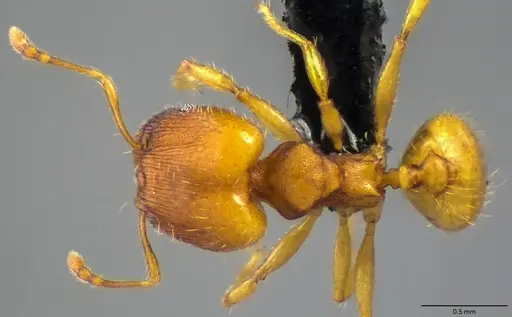
ANTWEB1060067
View on AntWeb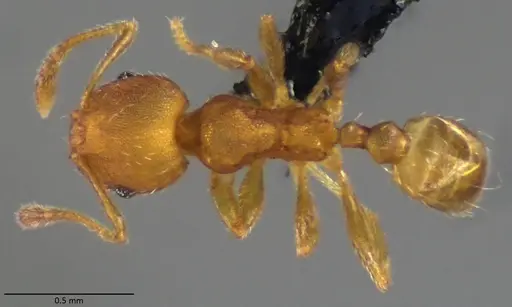
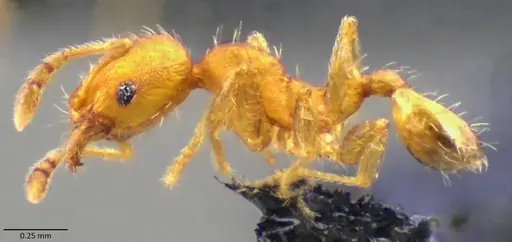
CASENT0173658
View on AntWeb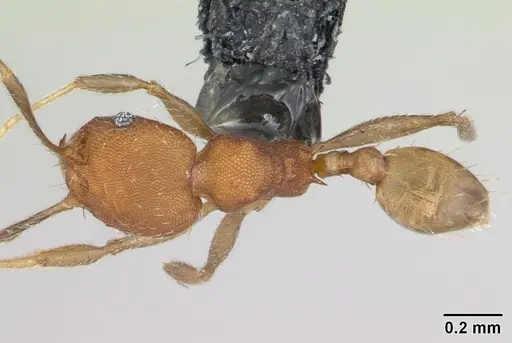
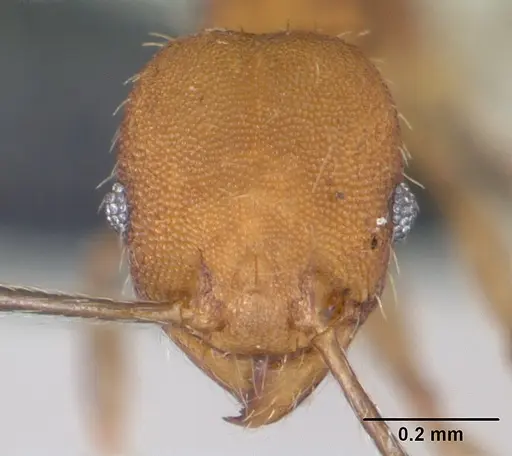
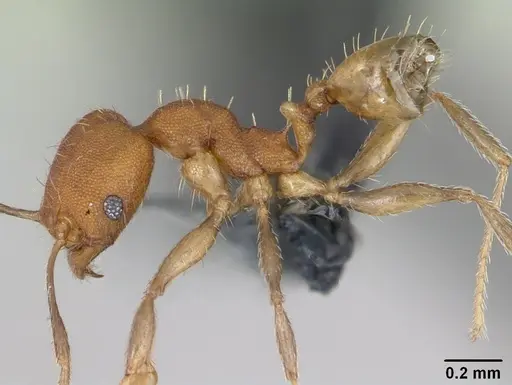
CASENT0173659
View on AntWeb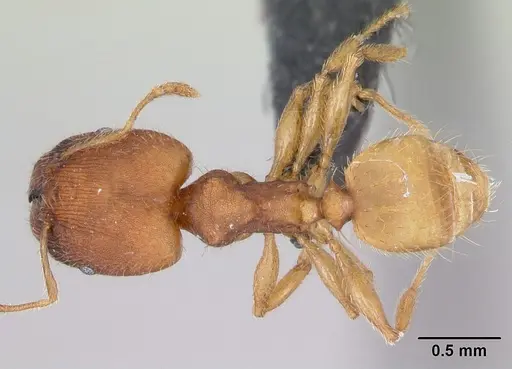
CASENT0246095
View on AntWeb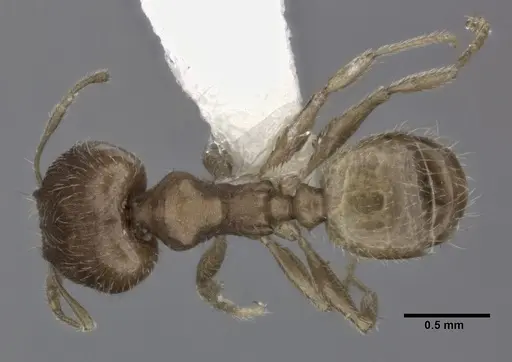
CASENT0246096
View on AntWeb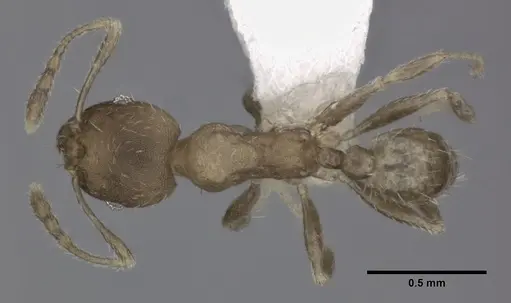
CASENT0246097
View on AntWeb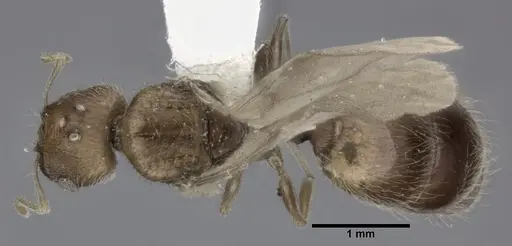
CASENT0601281
View on AntWeb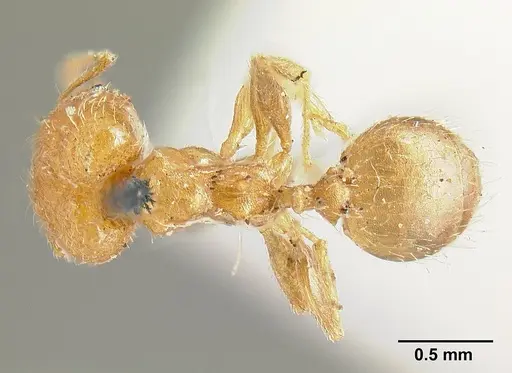
CASENT0637209
View on AntWeb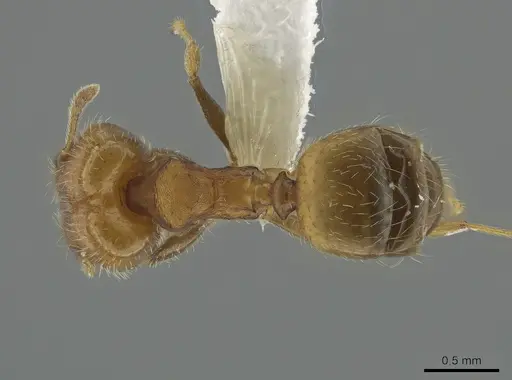
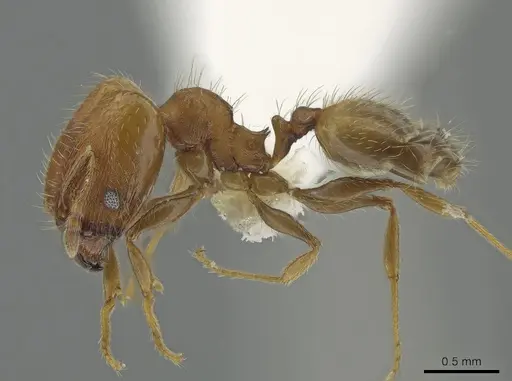
CASENT0649570
View on AntWeb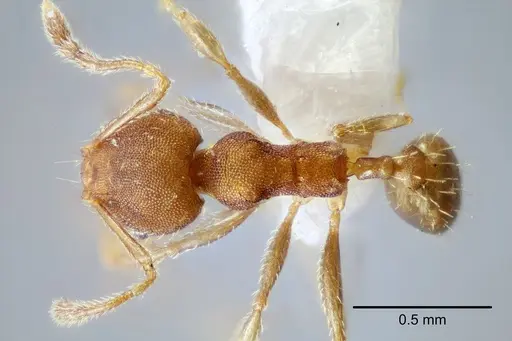
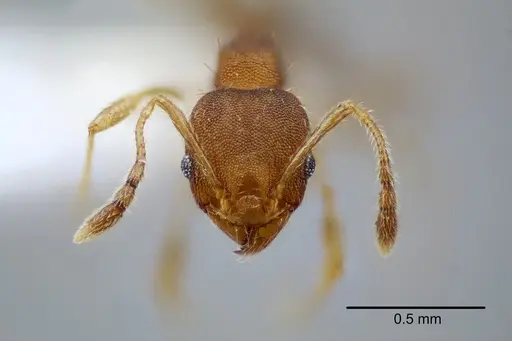
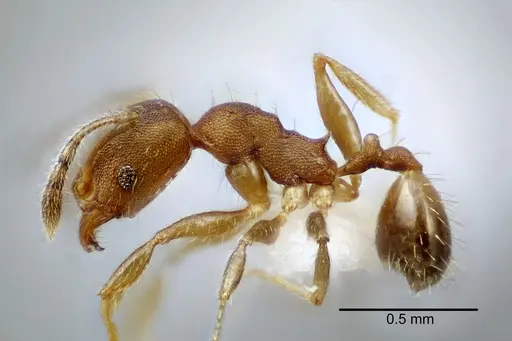
CASENT0649571
View on AntWeb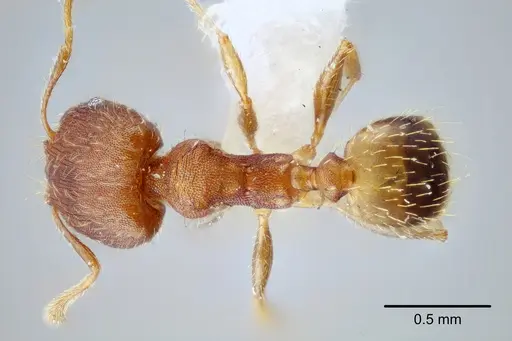
CASENT0908251
View on AntWeb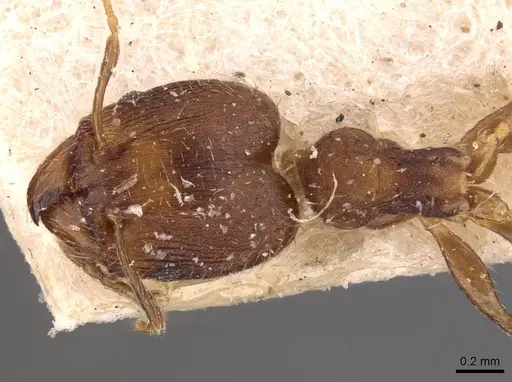
CASENT0908278
View on AntWeb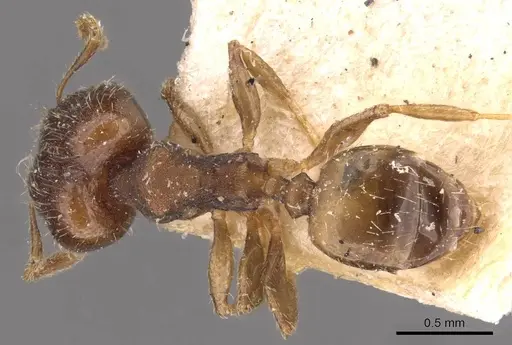
CASENT0908279
View on AntWeb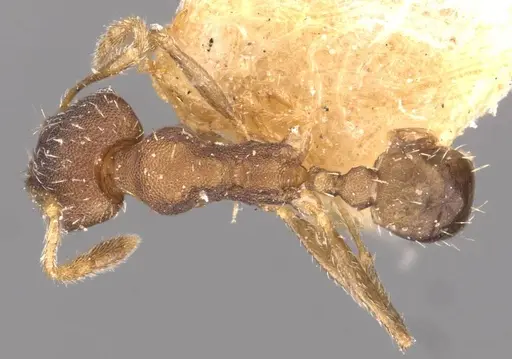
CASENT0917770
View on AntWeb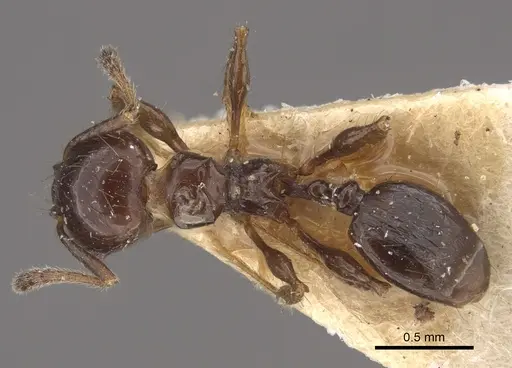
CASENT0917771
View on AntWeb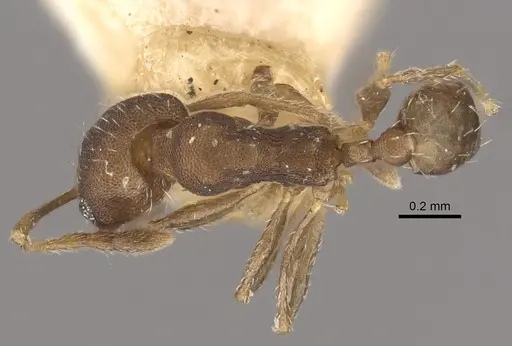
CASTYPE00636
View on AntWeb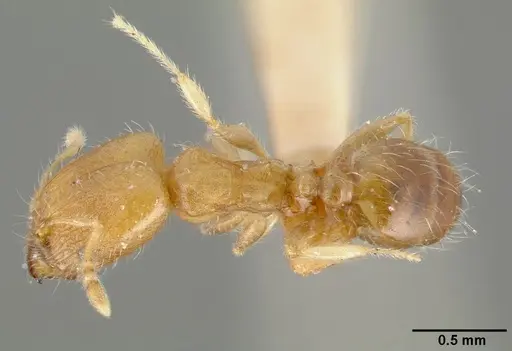
CASTYPE00637
View on AntWeb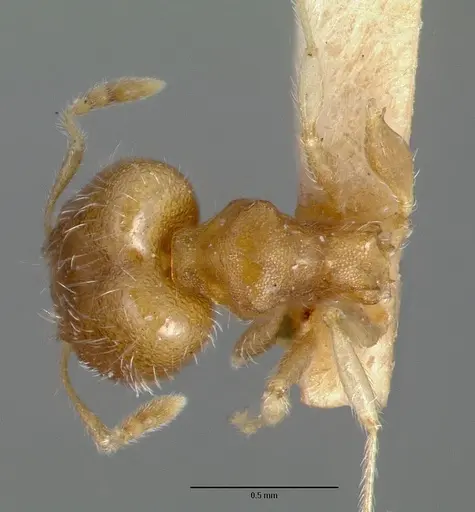
CBUMAGENT42070
View on AntWeb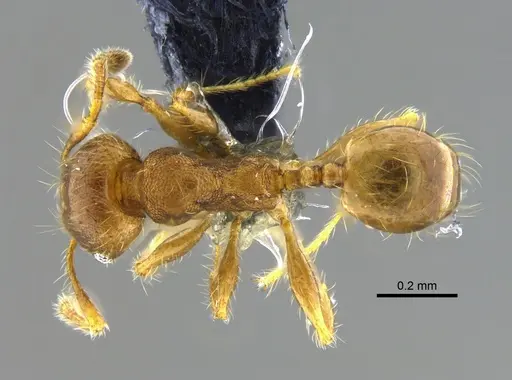
JTLC000003345
View on AntWeb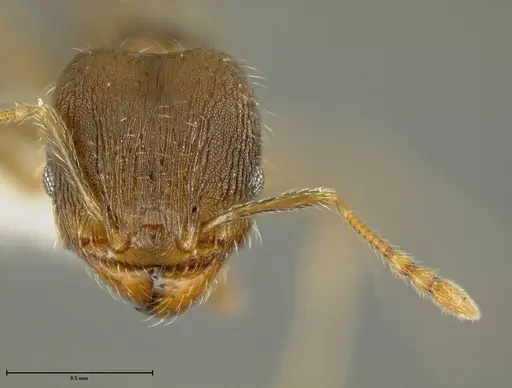
JTLC000014087
View on AntWeb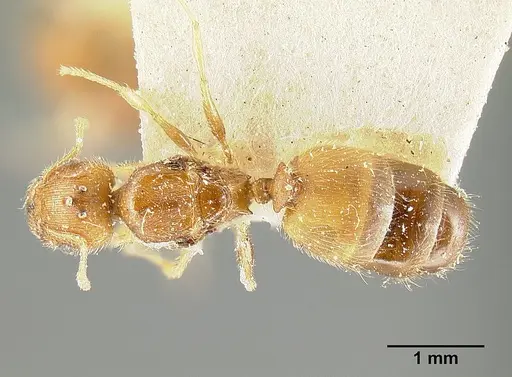
JTLC000014088
View on AntWeb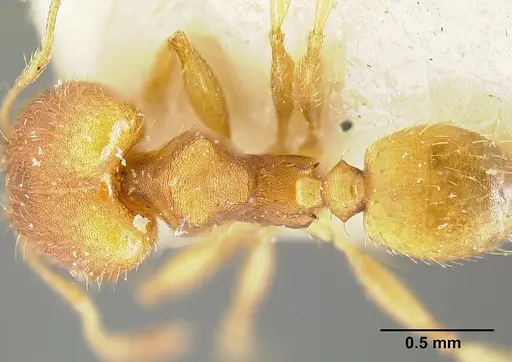
JTLC000014089
View on AntWeb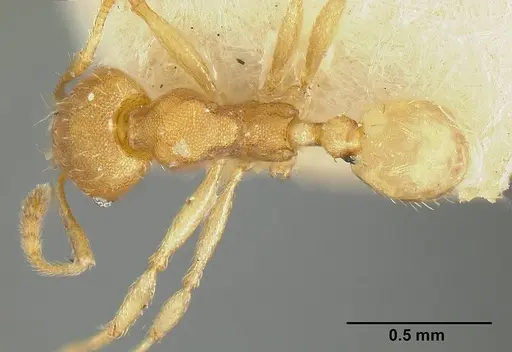
JTLC000014091
View on AntWeb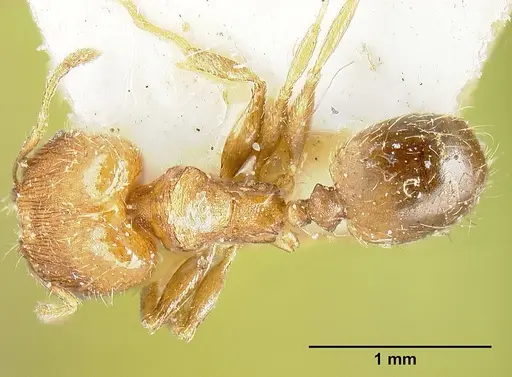
JTLC000014092
View on AntWeb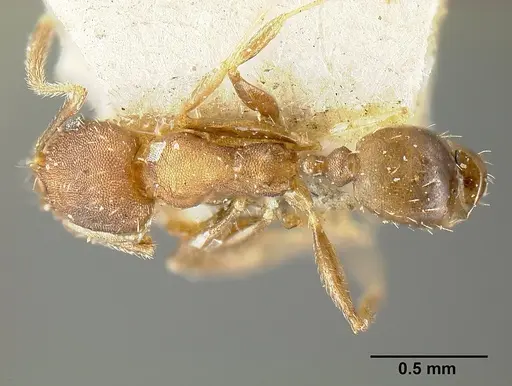
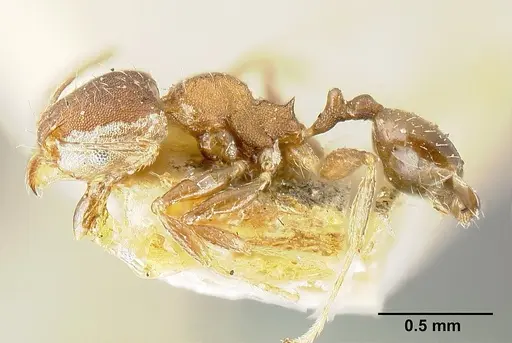
JTLC000015322
View on AntWeb