

Pheidole beloceps
- Scientific Name
- Pheidole beloceps
- Tribe
- Attini
- Subfamily
- Myrmicinae
- Author
- Wilson, 2003
- Distribution
- Found in 3 countries
Pheidole beloceps Overview
Pheidole beloceps is an ant species of the genus Pheidole. It is primarily documented in 3 countries , including Costa Rica, Mexico, Nicaragua. Detailed taxonomic data and occurrence records can be further explored via authoritative databases such as AntWeb or the Global Biodiversity Information Facility (GBIF).
Pheidole beloceps - "Arrow-Headed Big-Headed Ant"
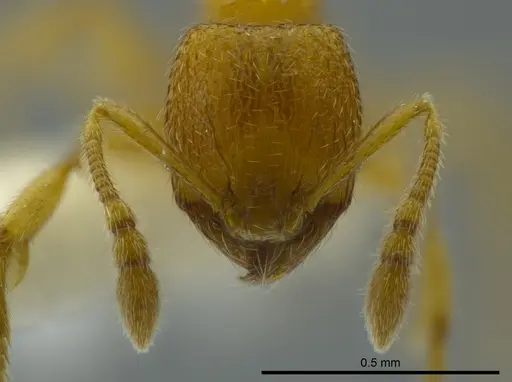
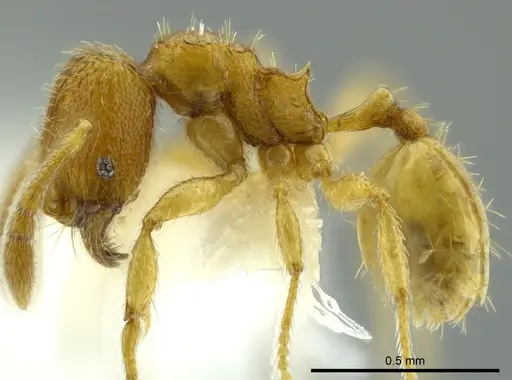
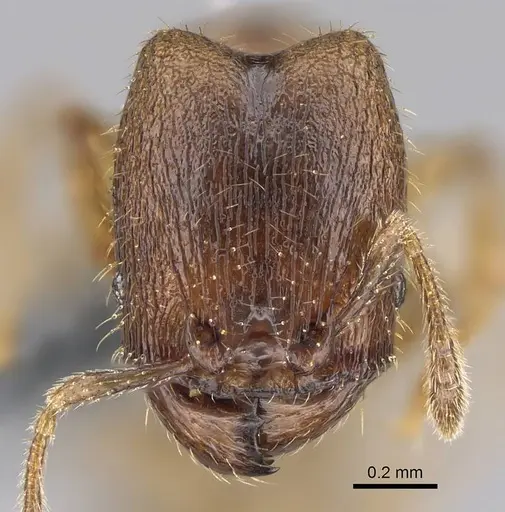
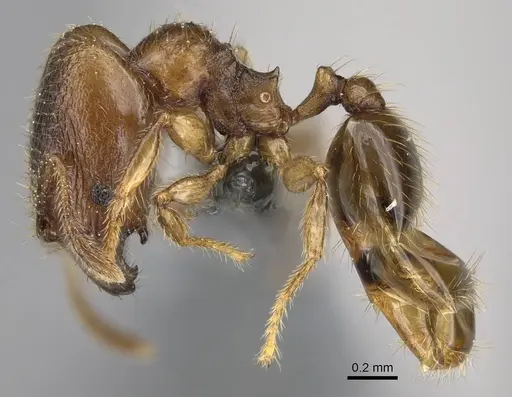
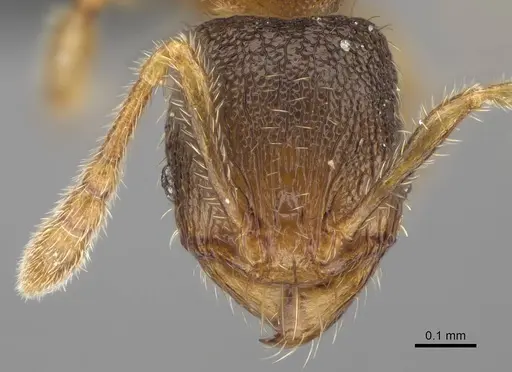
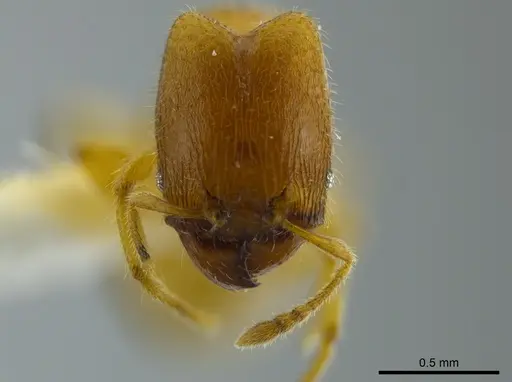
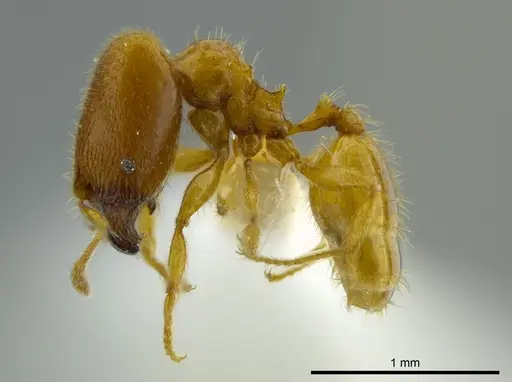
Pheidole beloceps is a small, yellow ant species known for its distinctive major workers. These 'soldiers' have notably elongated heads that are foveolate and opaque, resembling an arrowhead, which gives the species its name (from Greek 'beloceps' meaning 'arrow-headed'). The minor workers are concolorous medium yellow. Like other Pheidole species, this ant exhibits dimorphism, meaning the colony has two distinct worker castes: smaller minor workers and larger major workers. Major workers typically have disproportionately large heads compared to their body size, earning the genus its common name, 'big-headed ants.' They are found in the leaf litter of lowland rainforests.
- Difficulty: Medium
- Origin & Habitat: Neotropical Region (Costa Rica, Honduras, Mexico, Nicaragua) in Lowland rainforest leaf litter.
- Colony Type: Monogyne (single queen), though some Pheidole can be polygyne, claustral (queen seals herself in) founding.
- Size & Growth:
- Queen: Not specified
- Worker: 0.26-0.74mm
- Colony: Medium (thousands), though specific numbers for P. beloceps are not detailed, other Pheidole can reach tens of thousands.. Medium, with initial broods often being small (5-10 minor workers) for fully claustral species. growth.
- Antkeeping:
- Temperature: Optimal temperature is generally between 24-28°C for Pheidole species, which can accelerate brood development. Room temperature may be sufficient, but a heat mat can be beneficial in cooler environments..
- Humidity: Pheidole species generally prefer high humidity levels, ideally maintained between 60-70%, though they can tolerate up to 80%..
- Diapause: Not required. Not specified at Not specified.
- Nesting: Prefers nests that mimic natural soil or decaying wood environments. Acrylic, ytong, or naturalistic setups with soil/sand are suitable..
- Behavior: Low (towards handler), Medium (towards food or other ants) - Pheidole are generally more likely to flee than sting, but can be aggressive towards rival ant species. aggressiveness.
- Common Issues: Mold in nest, Humidity fluctuations, Colony stalling if conditions are not met, Overfeeding leading to waste.
One of the most captivating aspects of Pheidole beloceps, and indeed the entire Pheidole genus, is their worker dimorphism. You'll observe two distinct types of workers: the smaller minor workers, which are the generalists handling most colony tasks like foraging and brood care, and the much larger major workers, often called 'soldiers.' These majors have incredibly large heads, perfectly adapted for defense and, in many Pheidole species, for processing tough food items like seeds. Witnessing the sheer size difference and specialized roles within your colony is truly fascinating for any ant keeper.
While Pheidole beloceps is found in tropical rainforests, maintaining appropriate temperature and humidity is key to their success in captivity. Aim for consistent warmth, ideally in the 24-28°C range, which helps their brood develop quickly. Humidity is equally vital; keep it high, between 60-70%, to mimic their natural humid environment. Dry conditions can stress the colony, so ensure your formicarium setup allows for good moisture retention. A well-hydrated nest will lead to a thriving colony.
Feeding your Pheidole beloceps colony is straightforward as they are omnivorous scavengers in the wild, consuming insects, seeds, and honeydew. In your setup, offer a varied diet of protein sources like small feeder insects (mealworms, crickets), along with sugary liquids such as honey water or sugar water for carbohydrates. These ants have a strong preference for high-protein foods. Always provide fresh water and remove any uneaten food promptly to prevent mold, which can be a common issue in humid setups. Regular feeding and cleanliness are essential for a healthy colony.
Pheidole species are known for their relatively fast colony growth once established, especially with proper temperature and humidity. The first brood of workers, or 'nanitics,' will be smaller, relying on the queen's reserves during the claustral founding stage. As the colony grows, be prepared for expansion, as they can reach thousands of individuals. Having a plan to upgrade their formicarium to a larger setup will ensure your colony has ample space to continue its impressive development.
Frequently Asked Questions
What makes Pheidole beloceps special for antkeeping?
Pheidole beloceps is particularly captivating due to its unique worker dimorphism, featuring distinct minor and arrow-headed major workers. This specialized caste system provides a fascinating insight into ant colony organization and division of labor, making them a truly engaging species to observe in your formicarium.
Are Pheidole beloceps difficult to keep for a beginner?
While Pheidole beloceps isn't considered an 'easy' beginner species due to specific temperature and humidity needs, they are manageable for hobbyists with some experience. Maintaining stable environmental conditions and a consistent feeding schedule is key to their success.
What's the best type of nest for Pheidole beloceps?
Pheidole beloceps thrive in setups that mimic their natural rainforest leaf litter habitat. Acrylic or ytong nests with good humidity control, or even naturalistic soil/sand setups within an outworld, are highly recommended to provide them with the right environment.
How often should I feed my Pheidole beloceps colony?
These ants are active foragers and omnivores. You should aim to feed your colony small amounts daily, adjusting the quantity based on their consumption. Always remove any uneaten food promptly to prevent mold growth, especially in a humid nest setup.
Do Pheidole beloceps major workers really have a specific role?
Absolutely! The major workers, often referred to as 'soldiers,' are essential to the colony. Their disproportionately large heads are used for defense, breaking down harder food items like seeds, and sometimes even blocking nest entrances. Observing their specialized tasks is a highlight of keeping Pheidole.
What kind of food do Pheidole beloceps eat?
In captivity, Pheidole beloceps do well on a varied diet. Offer protein sources like small feeder insects (crickets, mealworms) and carbohydrate sources such as honey water or sugar water. They are scavengers and appreciate a diverse nutritional intake.
Do Pheidole beloceps need hibernation (diapause)?
Pheidole beloceps, being a tropical species from Central America, typically do not require a diapause period. Consistent warmth and humidity throughout the year will support their continuous growth and activity.
How large can a Pheidole beloceps colony get?
While specific numbers for P. beloceps aren't widely documented, Pheidole colonies in general can grow quite large, often reaching thousands of individuals. Prepare for expansion and consider upgrading their formicarium as your colony thrives and multiplies.
Are Pheidole beloceps aggressive towards keepers?
Pheidole species are generally not aggressive towards keepers and are more likely to flee when disturbed. While they can be defensive towards rival ant species, their aggression is typically low concerning human interaction.
What are common issues to watch out for when keeping Pheidole beloceps?
The main concerns for Pheidole beloceps colonies are maintaining stable humidity to prevent mold, ensuring adequate ventilation, and avoiding overfeeding which can lead to waste and potential pest issues. Consistent conditions are crucial for a healthy colony.

This caresheet is licensed under CC BY-SA 4.0 .
CASENT0625437
View on AntWeb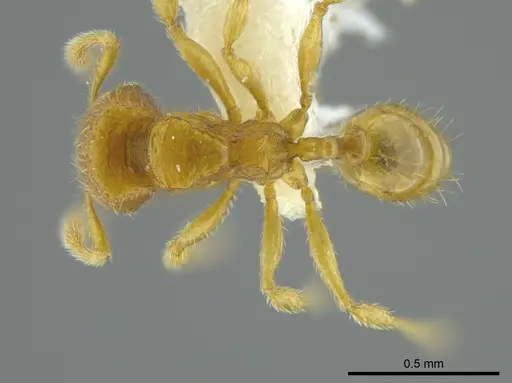
CASENT0807788
View on AntWeb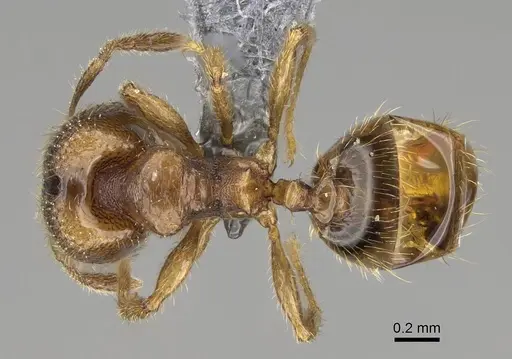
CASENT0807790
View on AntWeb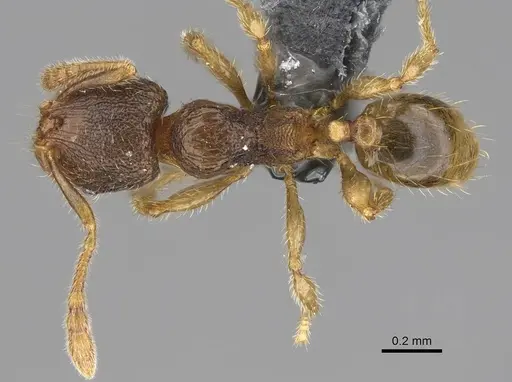
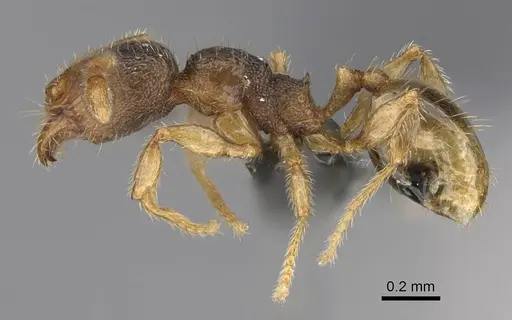
INB0003618275
View on AntWeb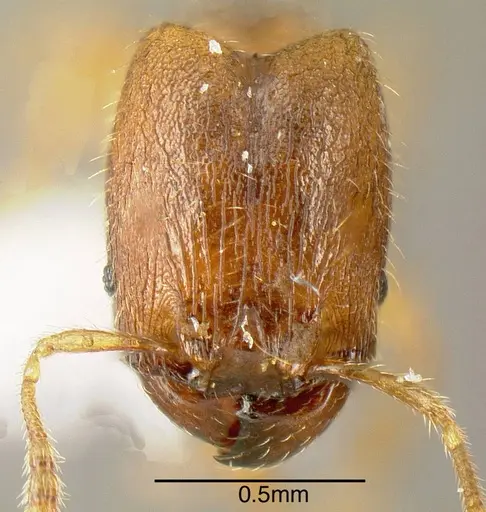
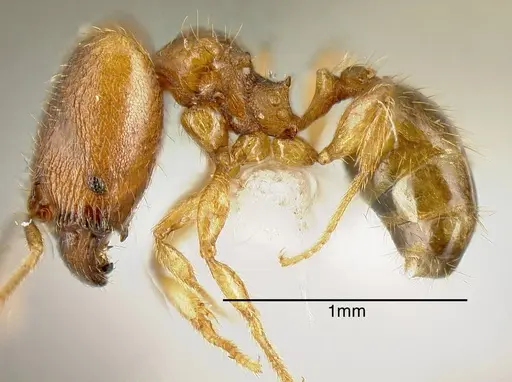
INBIOCRI001282094
View on AntWeb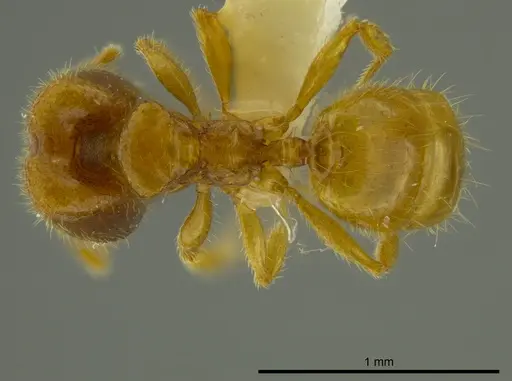
Literature
Loading...Loading products...