

Pheidole bellatrix
- Scientific Name
- Pheidole bellatrix
- Tribe
- Attini
- Subfamily
- Myrmicinae
- Author
- Wilson, 2003
- Distribution
- Found in 1 countries
Pheidole bellatrix Overview
Pheidole bellatrix is an ant species of the genus Pheidole. It is primarily documented in 1 countries , including Colombia. Detailed taxonomic data and occurrence records can be further explored via authoritative databases such as AntWeb or the Global Biodiversity Information Facility (GBIF).
Pheidole bellatrix
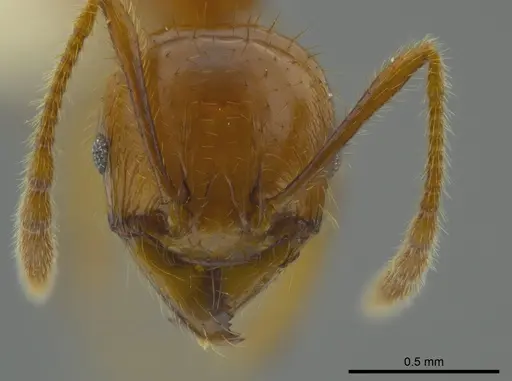
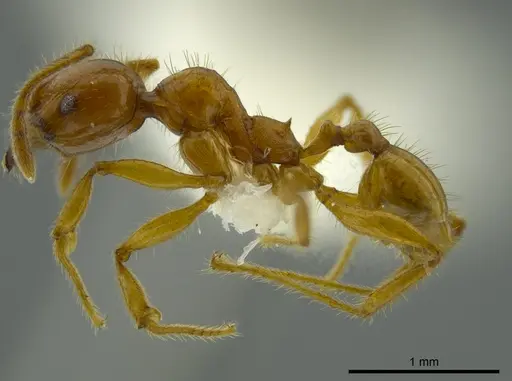
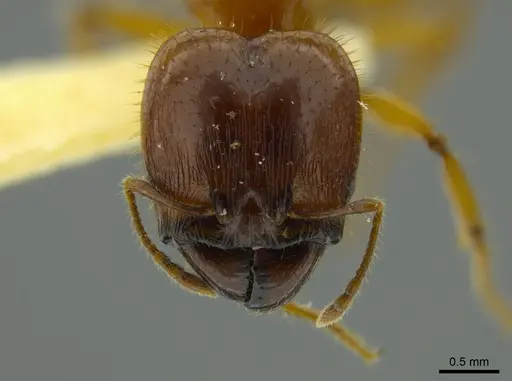
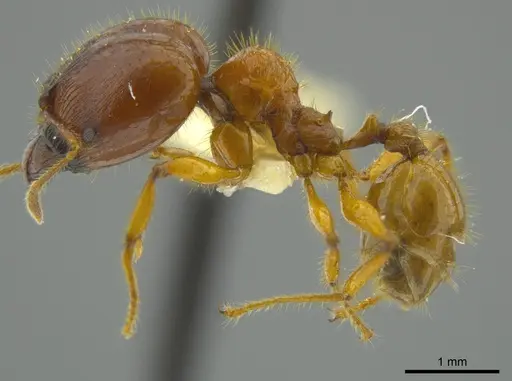
Pheidole bellatrix is an unusually large Neotropical ant species native to Colombia, where it inhabits highland regions in the departments of Huila, Cundinamarca, Magdalena, and Meta at elevations between 1000-2200 meters [1]. The species was described by E.O. Wilson in 2003 and belongs to the tristis group, characterized by a distinctive hump-shaped promesonotum in major workers that rises prominently above the propodeum [1]. Major workers reach about 2mm in head width, making them substantially larger than most Pheidole species, with a light reddish-brown body and brownish-yellow appendages. Minor workers are smaller at around 0.78mm head width and appear uniform light brownish yellow [1]. The species name 'bellatrix' means 'female warrior' in Latin, referencing the impressive appearance of the major workers [2].
Quick Summary
- Difficulty: Medium
- Origin & Habitat: Highland regions of central Colombia, found at elevations of 1000-2200 meters in departments of Huila, Cundinamarca, Magdalena, and Meta [1][3]. The type locality is Finca Merenberg,12km west of Belén, Huila at 2200m elevation [2].
- Colony Type: Colony structure is unconfirmed. Pheidole species are typically monogyne (single queen), but some can be polygyne. No specific data exists for P. bellatrix.
- Size & Growth:
- Queen: Undocumented in primary literature, estimated 8-10mm based on genus patterns for large Pheidole species
- Worker: Major workers: 2.00mm HW (head width),2.06mm HL (head length), Minor workers: 0.78mm HW,0.82mm HL [1]
- Colony: Unknown, likely several hundred workers based on typical Pheidole colony sizes
- Growth: Moderate, estimated based on genus patterns
- Development: 8-12 weeks, estimated from typical Pheidole development at optimal temperature (Development time estimated from related Neotropical Pheidole species. Higher elevation origin suggests slightly longer development at cooler temperatures.)
- Antkeeping:
- Temperature: Keep around 20-24°C. The highland Colombian origin (1000-2200m elevation) suggests they prefer cooler, more temperate conditions than lowland tropical ants. A slight temperature gradient allows workers to regulate their preferred microclimate.
- Humidity: Moderate humidity around 50-70%. Provide a moist nest chamber but allow some drier areas for workers to self-regulate. Mist periodically and monitor substrate moisture.
- Diapause: No, the tropical highland origin means temperatures remain relatively stable year-round. No true hibernation is required, though colony activity may slow slightly during cooler periods.
- Nesting: Y-tong (AAC) nests or plaster nests work well. The species likely nests in soil or rotting wood in nature. Provide chambers appropriately scaled to their size, major workers are substantial at 2mm.
- Behavior: Pheidole bellatrix has the typical Pheidole social structure with distinct major and minor workers. Major workers serve as soldiers and food processors, using their large heads to crack seeds and defend the colony. They are not particularly aggressive toward keepers but will defend if threatened. Minor workers handle most foraging, brood care, and daily tasks. Escape risk is moderate, use standard barrier methods. The dense pilosity (body hairs) mentioned in descriptions is typical of the genus.
- Common Issues: highland origin means they may struggle in warm, dry apartments without climate control, large major workers require appropriately sized nest chambers, too small and they cannot move properly, colonies may be slow to establish from founding, patience is required, wild-caught colonies may carry parasites or diseases that can cause captive failures, limited availability in the antkeeping hobby since the species is rarely collected
Housing and Nest Setup
Pheidole bellatrix can be housed in test tubes for founding colonies, then moved to a formicarium once the colony reaches 30-50 workers. Y-tong (acrylic) nests or plaster nests work well for this species. The nest chambers should be appropriately sized, major workers are substantial at 2mm head width, so avoid chambers that cramp their movement. Provide a water tube for humidity and a foraging area that allows easy access to food. Because they come from highland Colombia, avoid placing the nest in direct sunlight or near heating elements that would create overheating. A room-temperature setup around 20-24°C is ideal.
Feeding and Diet
Like most Pheidole species, P. bellatrix is omnivorous and will accept both protein and sugar sources. Feed protein-rich foods like small insects (fruit flies, small crickets, mealworms), and provide sugar water, honey, or diluted maple syrup regularly. Major workers can process larger prey items and may crack small seeds, though seeds are not a required part of their diet. Feed every 2-3 days for established colonies, removing uneaten food to prevent mold. A constant sugar source is recommended, replace every few days.
Temperature and Seasonal Care
The highland origin of this species (1000-2200m elevation in Colombia) means they prefer cooler temperatures than typical tropical ants. Keep the nest area at 20-24°C. They can tolerate brief periods slightly outside this range but may become sluggish below 18°C or stressed above 28°C. No hibernation or diapause is required since their native habitat lacks extreme seasonal temperature shifts. However, colony activity may naturally slow during cooler months. Avoid placing the formicarium near air conditioning vents, drafty windows, or heating sources that create temperature fluctuations.
Colony Development and Growth
Pheidole bellatrix colonies develop moderately fast once established. Expect first workers (nanitics) approximately 8-12 weeks after the queen lays eggs, depending on temperature. The colony will grow gradually through the founding phase, typically reaching 50-100 workers in the first year under good conditions. Mature colonies likely reach several hundred workers. The presence of distinct major workers (soldiers) typically appears once the colony reaches around 50 workers. Major workers develop from the same larval stage as minors, the determination occurs during development and is influenced by colony needs and nutrition.
Behavior and Colony Structure
This species has the classic Pheidole caste system with major and minor workers. Minor workers handle most daily tasks including foraging, brood care, and nest maintenance. Major workers serve as soldiers and food processors, their large heads contain powerful muscles for cracking seeds and defending against threats. When the colony is disturbed, majors may rush to defend while minors evacuate the brood. They are not particularly aggressive toward keepers but will bite if handled roughly. The species is not known to sting humans. Observe the division of labor, it's fascinating to watch majors and minors working together.
Frequently Asked Questions
How long does it take for Pheidole bellatrix to produce first workers?
Expect first workers (nanitics) approximately 8-12 weeks after founding, depending on temperature. Keep the queen warm (around 22°C) and provide her with protein food once workers emerge.
What do Pheidole bellatrix ants eat?
They are omnivorous. Feed small insects (fruit flies, pinhead crickets, mealworms) as protein, and provide sugar water, honey, or maple syrup as a constant carbohydrate source.
What temperature is best for Pheidole bellatrix?
Keep them at 20-24°C. Their highland Colombian origin means they prefer cooler conditions than typical tropical ants. Avoid temperatures above 28°C.
Do Pheidole bellatrix ants need hibernation?
No. The tropical highland origin means they do not require a true diapause or hibernation period. Colony activity may slow slightly during cooler periods but no special winter care is needed.
How big do Pheidole bellatrix colonies get?
Colony size is not documented, but based on typical Pheidole patterns, mature colonies likely reach several hundred workers. The major workers are unusually large at 2mm head width.
Can I keep multiple Pheidole bellatrix queens together?
Not recommended. Pheidole species are typically single-queen (monogyne) colonies. Combining unrelated queens has not been studied for this species and typically results in fighting.
What type of nest is best for Pheidole bellatrix?
Y-tong (AAC) nests or plaster nests work well. Provide appropriately sized chambers since major workers are substantial at 2mm. A test tube setup works for founding colonies.
Is Pheidole bellatrix good for beginners?
Medium difficulty. They are not as challenging as some exotic species but require attention to temperature (they prefer cooler conditions) and may be difficult to acquire since they are rarely collected.
Why is my Pheidole bellatrix colony declining?
Common causes include: temperature stress (too hot or too cold), poor nutrition, mold from overwatering, or parasites from wild-caught colonies. Check that temperatures are in the 20-24°C range and provide varied protein foods.
References

This caresheet is licensed under CC BY-SA 4.0 .
CASENT0625436
View on AntWeb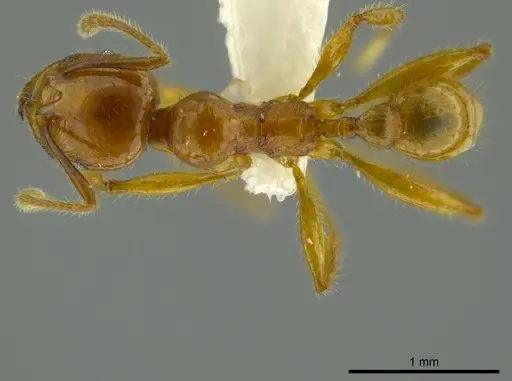
JTLC000016326
View on AntWeb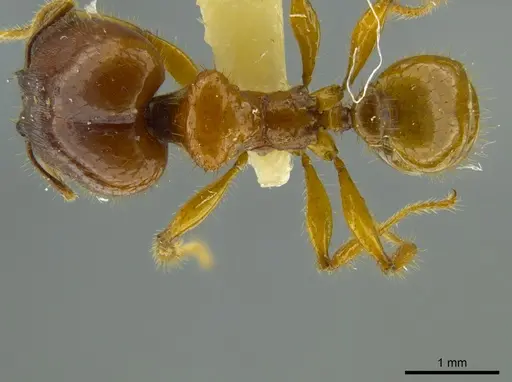
Literature
Loading...Loading products...