

Pheidole beanka
- Scientific Name
- Pheidole beanka
- Tribe
- Attini
- Subfamily
- Myrmicinae
- Author
- Salata & Fisher, 2020
- Distribution
- Found in 1 countries
Pheidole beanka Overview
Pheidole beanka is an ant species of the genus Pheidole. It is primarily documented in 1 countries , including Madagascar. Detailed taxonomic data and occurrence records can be further explored via authoritative databases such as AntWeb or the Global Biodiversity Information Facility (GBIF).
Pheidole beanka
Pheidole beanka is a minute ant species from the sikorae species group, native to Madagascar. Major workers reach just 0.86mm in head length, while minors are even smaller at 0.44mm, making them one of the smaller Pheidole species you'll encounter. They were discovered and described in 2020 from the Beanka Reserve in western Madagascar, where they nest in rotting logs in tropical dry forest at 272 meters elevation [1]. Like all Pheidole, they have distinct major and minor workers, majors have larger heads for seed-processing and colony defense, while minors handle most foraging and brood care. Their body is ochreous to yellowish in color, with distinctive shagreened sculpture at the base of the first gastral segment [1].
Quick Summary
- Difficulty: Medium
- Origin & Habitat: Western Madagascar, Beanka Reserve near Maintirano. Tropical dry forest on tsingy (limestone karst) at 272m elevation. Nests in rotting logs [1][2].
- Colony Type: Likely single-queen (monogyne) colonies based on typical Pheidole patterns. Colony size unknown but likely modest, related sikorae group species typically reach a few hundred workers.
- Colony: Monogyne
- Founding: Claustral
- Size & Growth:
- Queen: Undescribed, no queen measurements available. Estimated 4-5mm based on genus patterns for minute Pheidole.
- Worker: Major: 0.86mm head length, Minor: 0.44mm head length [1]. Very small ants.
- Colony: Unknown, estimated 200-500 workers based on related species in the sikorae group.
- Growth: Moderate, typical for small Pheidole. Expect 6-10 weeks from egg to first worker at optimal temperature.
- Development: Estimated 6-10 weeks at 24-26°C based on typical Pheidole development patterns. (Development time is estimated from genus-level data since this newly described species has no direct development studies.)
- Antkeeping:
- Temperature: Keep at 24-28°C. This matches their tropical dry forest origin in Madagascar. A gentle heat gradient allows workers to self-regulate.
- Humidity: Moderate to high, aim for 60-80% humidity. Their natural habitat is dry forest but they nest in rotting wood which retains moisture. Keep the nest substrate slightly moist but allow some drying areas.
- Diapause: Unlikely, being a tropical species from Madagascar, they probably do not require hibernation. Keep at stable temperatures year-round.
- Nesting: They naturally nest in rotting wood. In captivity, a Y-tong (AAC) nest or plaster nest works well. The chambers should be appropriately scaled to their tiny size, small passages and chambers. Test tubes can work for founding colonies but may need to be scaled appropriately for such small ants.
- Behavior: Typical Pheidole behavior, majors stay near the nest and process seeds or defend the colony, while minors do most of the foraging. They are not aggressive but will defend if threatened. Escape prevention is critical due to their very small size, even minor workers at 0.44mm can squeeze through tiny gaps. Use fine mesh and ensure all connections are sealed.
- Common Issues: escape prevention is critical, their minute size means they can squeeze through gaps that larger ants cannot, overheating risk, small colonies are more vulnerable to temperature fluctuations, drowning risk in water sources, their tiny size means even shallow water droplets can be dangerous, slow founding phase, like most Pheidole, claustral queens may take months to produce first workers, wild-caught colonies may harbor parasites or diseases from their native habitat
Housing and Nest Setup
Pheidole beanka is a tiny ant that requires appropriately scaled housing. In the wild, they nest in rotting logs in tropical dry forest [1], so a naturalistic setup with wood fragments or a Y-tong (AAC) nest with small chambers works well. Plaster nests also work fine as they hold moisture well. For founding colonies, use a small test tube setup with a cotton ball providing moisture, the tube should be appropriately sized for these minute ants. Because of their tiny size, ensure all connections between the outworld and nest are sealed with cotton, fluon, or other barriers. Even minor workers at 0.44mm can escape through surprisingly small gaps.
Feeding and Diet
Like other Pheidole species, they are generalist omnivores. Offer small protein sources like fruit flies, tiny crickets, or mealworm pieces. They will also accept sugar water or honey as an energy source. In the wild, Pheidole often collect seeds, so offering small seed fragments can provide enrichment. Feed small amounts 2-3 times per week for established colonies, and remove uneaten food to prevent mold. For newly founded colonies, a small drop of honey or sugar water every few days is sufficient alongside any tiny prey items.
Temperature and Seasonal Care
Maintain temperatures between 24-28°C, reflecting their tropical origin in Madagascar's dry forests. Avoid temperatures below 20°C or above 32°C. A heat gradient is beneficial, place a heating cable on one side of the nest so workers can move to their preferred temperature zone. As a tropical species, they likely do not require any diapause or winter cooling period. Keep temperatures stable throughout the year to support continuous brood development. [1]
Handling and Observation
These ants are very small and quick, making detailed observation challenging but rewarding. Majors have the characteristic large heads of Pheidole soldiers, while minors are slender and active. When observing, use good lighting and a magnifying glass if possible. They are not aggressive toward keepers but majors will defend the colony if the nest is disturbed. Always use excellent escape prevention, their minute size means even small gaps in your setup will result in escapes. [1]
Growth and Development
As a newly described species (2020), there are no published studies on their development timeline. Based on typical Pheidole patterns, expect 6-10 weeks from egg to first worker (nanitic) at optimal temperature. The founding queen will seal herself in a small chamber and not leave until her first workers emerge. This claustral founding means she relies entirely on stored fat reserves. Initial colonies grow slowly, be patient during the founding phase as it can take several months for the first major workers to appear. [1]
Frequently Asked Questions
How long does it take for Pheidole beanka to produce first workers?
Based on typical Pheidole development, expect 6-10 weeks at 24-28°C from egg to first nanitic worker. The founding phase can take several months total, so patience is essential.
What do I feed Pheidole beanka?
Offer small protein sources like fruit flies, tiny crickets, or mealworm pieces. They also accept sugar water or honey. Feed 2-3 times per week and remove uneaten food promptly.
What temperature do Pheidole beanka need?
Keep them at 24-28°C. This tropical species does not require hibernation and needs stable warmth year-round.
Are Pheidole beanka good for beginners?
This species is rated Medium difficulty. Their tiny size makes escape prevention challenging, and they have specific humidity needs. Beginners may want to start with larger, more forgiving species first.
How big do Pheidole beanka colonies get?
Colony size is unconfirmed for this species. Based on related species in the sikorae group, expect colonies of 200-500 workers at maturity.
Can I keep multiple Pheidole beanka queens together?
Not recommended. While colony structure is unconfirmed for this species, Pheidole are typically monogyne (single queen). Combining unrelated queens often results in fighting.
What nest type is best for Pheidole beanka?
A Y-tong (AAC) nest with small chambers, plaster nest, or naturalistic setup with rotting wood works well. The key is appropriately scaled chambers for their tiny size.
Why are my Pheidole beanka escaping?
Their minute size (minors are only 0.44mm) means they can squeeze through tiny gaps. Use fine mesh, seal all connections, and use fluon or other barriers on container rims.
Do Pheidole beanka need hibernation?
No. As a tropical species from Madagascar, they do not require diapause. Keep temperatures stable year-round.
References

This caresheet is licensed under CC BY-SA 4.0 .
CASENT0923276
View on AntWeb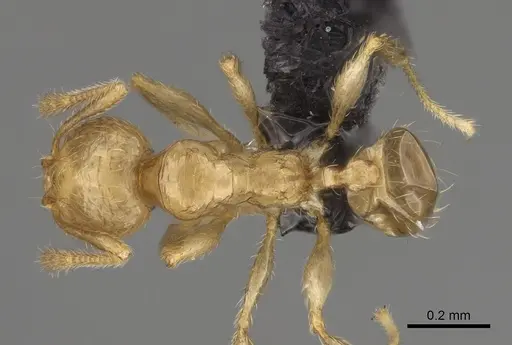
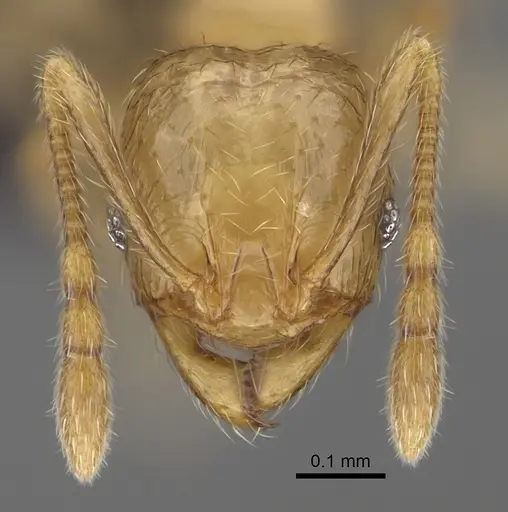
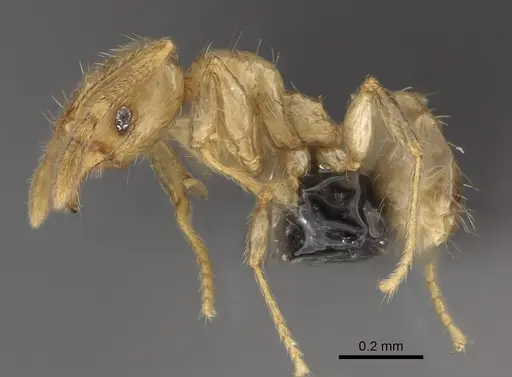
Literature
Loading...Loading products...