

Pheidole barumtaun
- Scientific Name
- Pheidole barumtaun
- Tribe
- Attini
- Subfamily
- Myrmicinae
- Author
- Donisthorpe, 1938
- Distribution
- Found in 1 countries
Pheidole barumtaun Overview
Pheidole barumtaun is an ant species of the genus Pheidole. It is primarily documented in 1 countries , including Indonesia. Detailed taxonomic data and occurrence records can be further explored via authoritative databases such as AntWeb or the Global Biodiversity Information Facility (GBIF).
Pheidole barumtaun
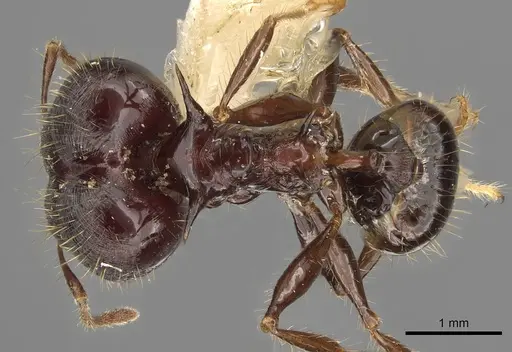
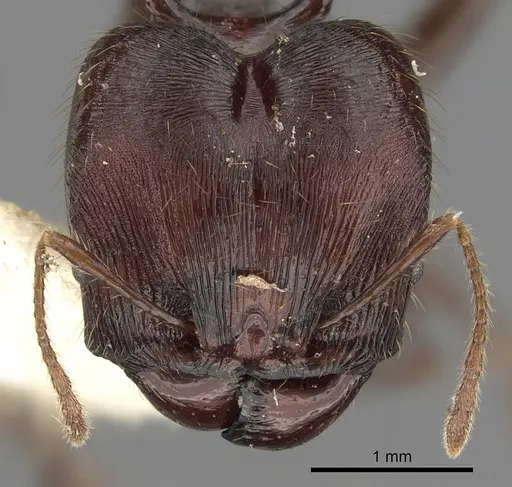
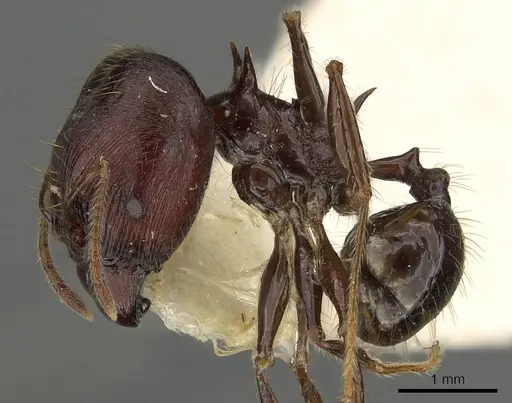
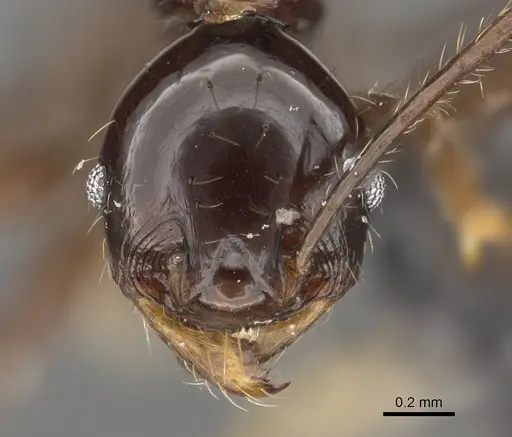
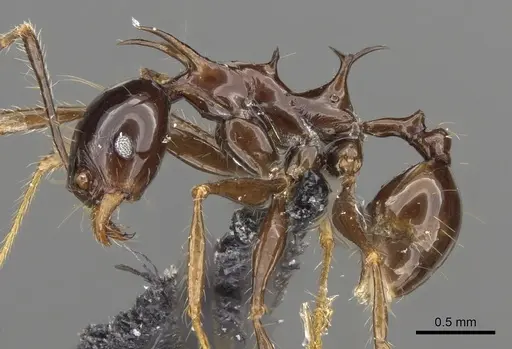
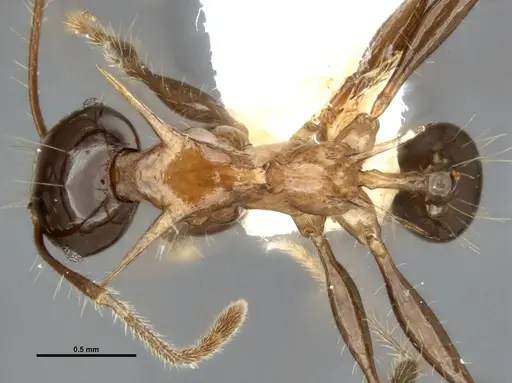
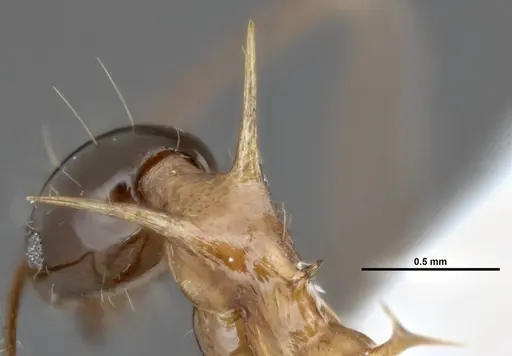
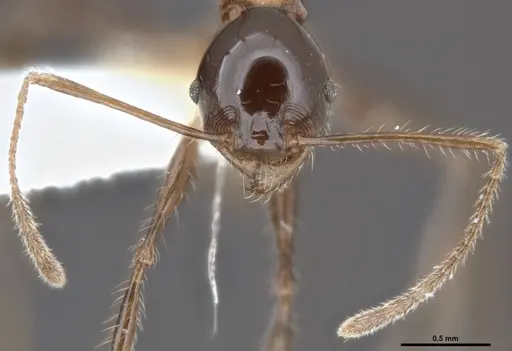
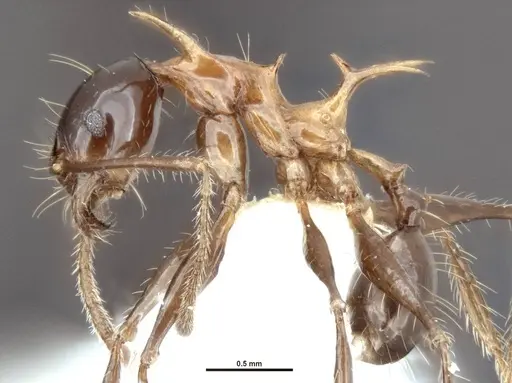
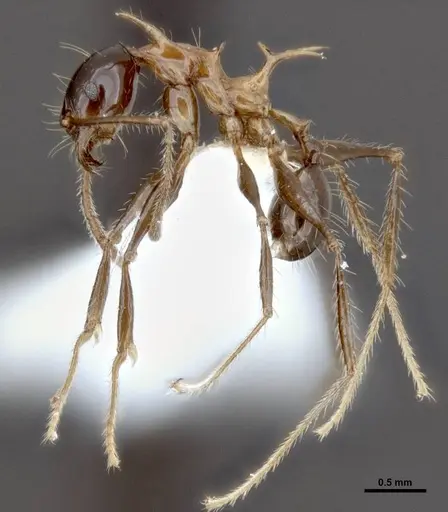
Pheidole barumtaun is a striking big-headed ant species from the mountains of New Guinea. The major workers have enlarged heads covered in fine parallel grooves (carinulae) and sport remarkably long spines on their thorax, pronotal spines nearly as long as their legs, plus additional spines on the mesonotum and propodeum. Minor workers are tiny at just 0.69-0.80mm with equally impressive spines. The ants are reddish brown to tricolored with a dark head and gaster contrasting a yellowish mesosoma. This species nests in rotting wood and appears to forage in vegetation rather than on the ground, making it unique among Pheidole species.
Quick Summary
- Difficulty: Medium
- Origin & Habitat: Native to the Cyclops Mountains of Papua, Indonesia at 1070-1370m elevation in primary montane forest [1]. Found in microhabitats including under loose bark of logs, in living bark of recently felled trees, and in Pandanus plants [2].
- Colony Type: Single-queen colonies (monogyne) based on typical Pheidole genus patterns
- Colony: Monogyne
- Founding: Claustral
- Size & Growth:
- Queen: Not directly measured, estimated 8-10mm based on genus patterns
- Worker: Major workers: 2.10-2.25mm, Minor workers: 0.69-0.80mm [1]
- Colony: Unknown for this species, typical Pheidole colonies reach several hundred to a few thousand workers
- Growth: Moderate, inferred from typical Pheidole development
- Development: 6-8 weeks at tropical temperatures, estimated based on genus patterns (Development time is typical for tropical Pheidole species)
- Antkeeping:
- Temperature: Keep at 24-28°C, this is a tropical montane species from New Guinea, so warmth is important but avoid overheating. Room temperature in this range works well.
- Humidity: Moderate to high, they come from humid montane forest. Keep the nest substrate moist but not waterlogged, with some drier areas for workers to regulate.
- Diapause: No, being a tropical species, they do not require hibernation. Maintain warm temperatures year-round.
- Nesting: This species nests in rotting wood in nature. In captivity, they do well in wood-based nests like Y-tong (AAC) or naturalistic setups with rotten wood pieces. They also forage in vegetation, so include some climbing structures.
- Behavior: Pheidole species are known for their major workers (soldiers) that defend the colony and process food, while minor workers handle most foraging and brood care. These ants are not aggressive toward keepers but majors can deliver a mild sting if threatened. They are active foragers and will send out recruitment trails to food sources. Escape risk is moderate, use standard barriers but no special escape prevention is needed for their size.
- Common Issues: tropical species needs constant warmth, cold temperatures will slow or stop brood development, nesting in wood means you need appropriate nest materials, standard test tubes may not be ideal long-term, spiny morphology can make them appear intimidating but they are not aggressive toward keepers, montane origin suggests they may prefer slightly cooler conditions than typical lowland tropicals, monitor for overheating
Nest Preferences and Housing
In the wild, Pheidole barumtaun nests in rotting wood and decaying plant matter in montane forest environments. They have been found under loose bark of logs, in living bark of recently felled trees, and even in the crown and decayed stalks of Pandanus plants, suggesting they sometimes nest in vegetation above ground. For captive care, a naturalistic setup with rotten wood pieces works best, or a Y-tong (acrylic) nest with wood shavings as substrate. Test tubes can work for founding colonies but may need to transition to more spacious housing as the colony grows. Include some climbing structures in the outworld to mimic their natural vegetation-foraging behavior. [1][2]
Feeding and Diet
Like other Pheidole species, these ants are omnivorous with a preference for protein. They will readily accept protein sources like small insects (fruit flies, pinhead crickets, mealworms), and minor workers will chop these up for the majors to process. They also consume sugar sources, a drop of honey or sugar water will be appreciated. Pheidole ants are efficient at recruiting workers to food sources through chemical trails, so you will see columns of workers forming once food is discovered. Feed protein 2-3 times per week and keep a sugar source available constantly.
Temperature and Seasonal Care
Being from the mountains of New Guinea at 1070-1370m elevation, this species prefers warm but not hot conditions. Aim for 24-28°C, warm enough for active brood development but not so hot that the colony stressed. This is slightly cooler than typical lowland tropical ants, so watch for signs of overheating if using heating cables. Since they come from a tropical montane environment, they do not require any diapause or winter cooling. Maintain consistent temperatures year-round for optimal colony growth. [1]
Colony Structure and Behavior
Pheidole barumtaun follows the typical Pheidole social structure with distinct major and minor worker castes. Major workers have dramatically enlarged heads filled with muscles for crushing seeds and processing large prey items. Minor workers handle most of the foraging, brood care, and daily tasks. When a colony discovers a food source, minor workers will recruit nestmates using chemical trails, and majors will arrive to help process and transport larger items back to the nest. This division of labor makes them fascinating to watch. The species is not particularly aggressive but majors can sting if the nest is directly threatened. [1]
Growth and Development
Major workers develop from special larvae that receive more food and develop the enlarged head structure. This process takes several weeks from egg to adult. First workers (nanitics) are typically smaller than mature majors but still recognizable as major caste. A founding colony will remain small for the first few months as the queen raises her initial brood, then growth accelerates once the first majors emerge. Expect 6-8 weeks from egg to first worker at optimal temperatures, with colony growth being moderate compared to some faster-growing tropical species.
Frequently Asked Questions
How long does it take for Pheidole barumtaun to produce first workers?
Expect 6-8 weeks from egg to first worker at optimal temperatures around 24-28°C. This is typical for tropical Pheidole species.
What do Pheidole barumtaun ants eat?
They are omnivorous. Feed small insects like fruit flies or mealworms as protein 2-3 times per week, and keep a sugar source like honey or sugar water available constantly.
What temperature do Pheidole barumtaun ants need?
Keep them at 24-28°C. This is a tropical montane species from New Guinea that prefers warmth but not extreme heat.
Do Pheidole barumtaun ants need hibernation?
No, they do not require hibernation. Being a tropical species from New Guinea, maintain warm temperatures year-round.
What size colony do Pheidole barumtaun reach?
Colony size is not documented for this specific species, but typical Pheidole colonies reach several hundred to a few thousand workers.
Can I keep multiple Pheidole barumtaun queens together?
This species is monogyne, single queen colonies. Combining multiple unrelated queens is not recommended as they will likely fight.
What type of nest is best for Pheidole barumtaun?
They naturally nest in rotting wood, so a Y-tong nest with wood substrate or a naturalistic setup with rotten wood pieces works best. They also forage in vegetation, so include climbing structures.
Are Pheidole barumtaun ants good for beginners?
They are moderate difficulty. The main challenges are providing appropriate wood-based nesting and maintaining warm temperatures year-round.
How do I differentiate major and minor workers?
Major workers are much larger (2.10-2.25mm) with dramatically enlarged square heads. Minor workers are tiny (0.69-0.80mm) with normal-sized heads. Both have long spines on their thorax.
References

This caresheet is licensed under CC BY-SA 4.0 .
Literature
Loading...Loading products...