

Pheidole azteca
- Scientific Name
- Pheidole azteca
- Tribe
- Attini
- Subfamily
- Myrmicinae
- Author
- Wilson, 2003
- Distribution
- Found in 2 countries
Pheidole azteca Overview
Pheidole azteca is an ant species of the genus Pheidole. It is primarily documented in 2 countries , including Costa Rica, Mexico. Detailed taxonomic data and occurrence records can be further explored via authoritative databases such as AntWeb or the Global Biodiversity Information Facility (GBIF).
Pheidole azteca
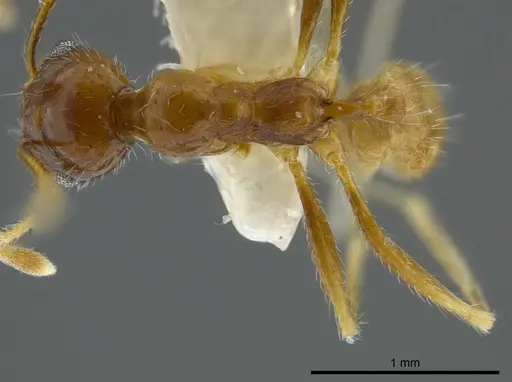
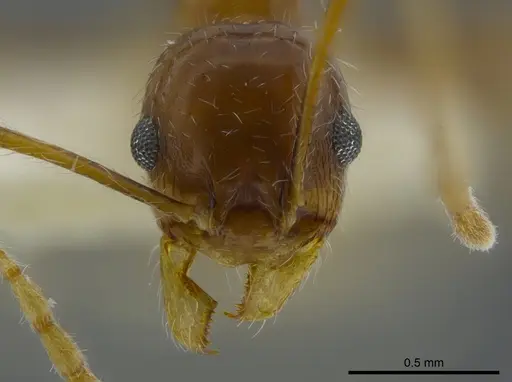
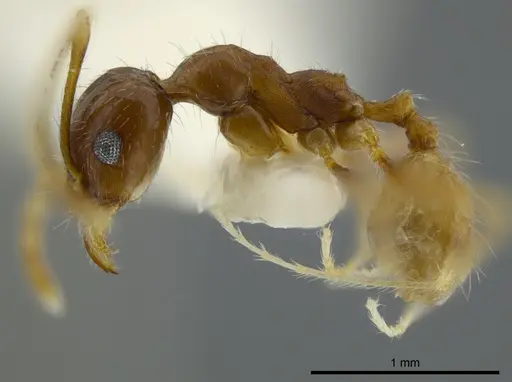
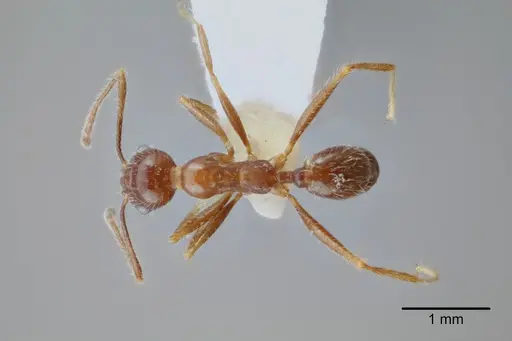
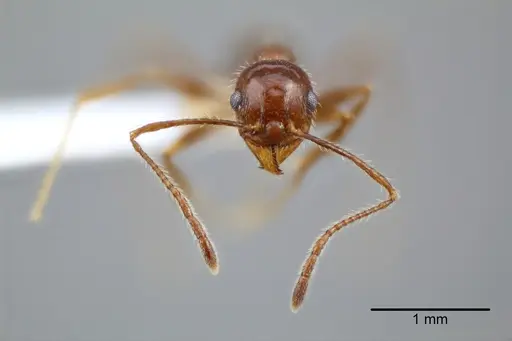
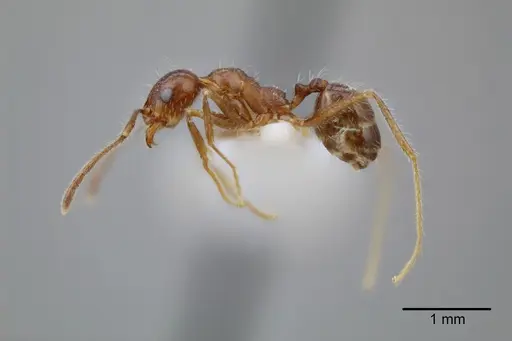
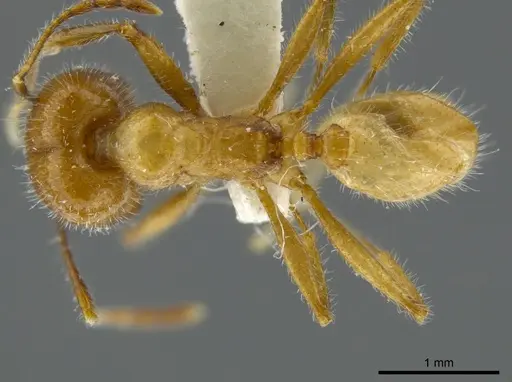
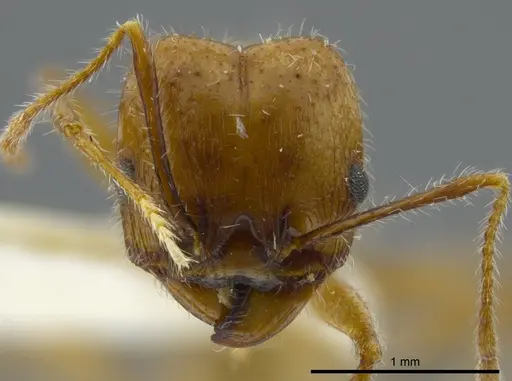
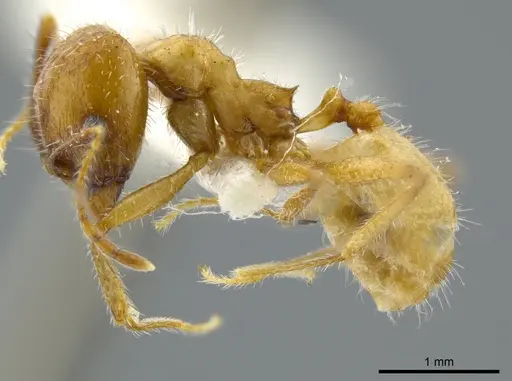
Pheidole azteca is a small Myrmicinae ant native to central Mexico, described by Wilson in 2003. It belongs to the pilifera group, characterized by their distinctive enlarged major workers with quadrate heads. Majors measure around 1.34mm with a medium yellow body and slight reddish tinge, while minors are smaller at 0.72mm with a pale yellow gaster. The species gets its name from the ancient Aztec empire that once occupied the Mexico City area where it was discovered.
This ant is known only from the Mexican Transition Zone, with records from Mexico City, Puebla, and Tlaxcala at elevations between 1,300-1,455m. Specimens have been collected in riparian forests, pine and yucca forests, and abandoned agricultural fields. As with most Pheidole species, majors specialize in seed processing and defense while minors handle foraging and brood care [1].
Quick Summary
- Difficulty: Medium
- Origin & Habitat: Central Mexico (Mexico City, Puebla, Tlaxcala) in the Mexican Transition Zone. Found in riparian forests, pine and yucca forests, and abandoned agricultural fields at 1,300-1,455m elevation [1][2].
- Colony Type: Likely monogyne (single queen) based on typical Pheidole genus patterns. Colony structure is unconfirmed for this specific species.
- Colony: Monogyne
- Founding: Claustral
- Size & Growth:
- Queen: Undescribed, estimated 6-8mm based on genus patterns
- Worker: Major 1.34mm, Minor 0.72mm
- Colony: Unknown for this species, typical Pheidole colonies reach hundreds to low thousands of workers
- Growth: Unknown, estimated moderate based on genus patterns
- Development: Estimated 6-8 weeks at optimal temperature based on typical Pheidole development (Development timeline is not directly studied for this species. Estimates based on genus-level data.)
- Antkeeping:
- Temperature: Keep at 22-26°C. This species comes from central Mexican highlands where temperatures are moderate. A heating cable on one side of the nest creates a suitable gradient.
- Humidity: Moderate humidity around 50-60%. Provide a water tube and keep the nest substrate slightly moist but not waterlogged. Allow some drying between waterings.
- Diapause: Likely yes, central Mexican ants experience cool winters. Provide a winter rest period at 15-18°C for 2-3 months.
- Nesting: Y-tong (AAC) nests or plaster nests work well. Provide narrow chambers suitable for their small size. They do well in both naturalistic setups with soil and in artificial nests.
- Behavior: Typical Pheidole temperament, defensive when threatened but not aggressive toward humans. Major workers have large heads packed with muscles for seed crushing, but they rarely sting. Minors are active foragers that collect seeds and small insects. Their small size (under 2mm) means escape prevention is important, use fine mesh barriers and tight-fitting lids.
- Common Issues: very small size makes escape prevention critical, they can squeeze through standard gaps, limited distribution data means exact care requirements are estimated from genus patterns, no documented colony founding behavior, queens may be claustral like related species, winter dormancy requirements are unconfirmed but likely necessary for central Mexican origin
Nest Preferences
Pheidole azteca has been collected from diverse habitats including riparian forests, pine and yucca forests, and abandoned agricultural fields at elevations of 1,300-1,455m [1]. In captivity, they adapt well to Y-tong (AAC) nests, plaster nests, or naturalistic setups with soil. The key is providing appropriately scaled chambers, their small size means narrower passages work better than wide tunnels. A water tube should be attached for humidity, but avoid oversaturating the nest. They do well with some dry areas where they can cache seeds away from moisture.
Feeding and Diet
Like other Pheidole species, P. azteca is likely omnivorous with a preference for seeds and protein. In captivity, offer a mix of grass seeds (millet, chia, flax), small protein sources (crushed insects, mealworms, bloodworms), and occasional sugar water or honey. Major workers specialize in seed processing, they use their powerful mandibles to crack seeds that minors cannot handle. Feed protein 2-3 times per week and keep seeds available constantly. Remove uneaten prey after 48 hours to prevent mold.
Temperature and Seasonal Care
This species comes from central Mexican highlands with moderate temperatures. Keep nest areas at 22-26°C, with a slight gradient allowing workers to choose their preferred temperature. A heating cable placed on top of the nest (never underneath where it can dry out moisture) helps maintain warmth. For winter, provide a 2-3 month dormancy period at 15-18°C, mimicking the cool winters in their native range around Mexico City and Puebla. Reduce feeding during this period and keep the nest slightly cooler. [1]
Behavior and Colony Structure
Pheidole azteca exhibits the typical division of labor seen in the genus. Minor workers handle most tasks: foraging, caring for brood, and tending the queen. Major workers specialize in seed crushing and colony defense, their enlarged heads contain powerful muscles for breaking hard seed coats. When threatened, majors may block nest entrances with their large heads. Colonies are likely monogyne with a single founding queen that seals herself in during claustral founding. Workers are not aggressive toward humans and rarely sting, making them manageable for keepers.
Frequently Asked Questions
How long does it take for Pheidole azteca to produce first workers?
The exact timeline is unconfirmed, but based on typical Pheidole development, expect first workers (nanitics) in 6-8 weeks at optimal temperature (around 24°C). The queen will remain sealed in her founding chamber until workers emerge.
What do Pheidole azteca ants eat?
Like other Pheidole species, they are omnivorous. Offer grass seeds (millet, chia), small insects (bloodworms, mealworms), and occasional sugar water. Majors specialize in cracking seeds that minors cannot process.
Can I keep multiple Pheidole azteca queens together?
Not recommended. Pheidole azteca is likely monogyne (single queen). Combining unrelated queens has not been documented for this species and typically results in fighting.
What temperature do Pheidole azteca ants need?
Keep them at 22-26°C. A heating cable on one side of the nest creates a gradient. They come from central Mexican highlands with moderate temperatures.
Do Pheidole azteca need hibernation?
Likely yes. Central Mexican ants experience seasonal temperature drops. Provide a winter rest at 15-18°C for 2-3 months during the colder months.
How big do Pheidole azteca colonies get?
Colony size is unconfirmed for this species. Based on typical Pheidole patterns, expect colonies reaching hundreds to possibly a few thousand workers over several years.
Are Pheidole azteca good for beginners?
They are moderately difficult. The main challenges are their small size (escape prevention is critical), limited known biology requiring estimated care, and likely need for winter dormancy. Experienced antkeepers should have success.
When should I move Pheidole azteca to a formicarium?
Wait until the colony has 20-30 workers. Before that, keep them in the founding test tube setup. When moving, ensure the new nest has appropriately sized chambers and a connected outworld.
Why are my Pheidole azteca dying?
Common causes include: escape through tiny gaps (use fine mesh), improper humidity (too wet causes mold, too dry kills brood), temperature stress (too cold slows development, too hot dries the nest), and overfeeding leading to mold. Check these parameters first.
References

This caresheet is licensed under CC BY-SA 4.0 .
Literature
Loading...Loading products...