

Pheidole arnoldi
- Scientific Name
- Pheidole arnoldi
- Tribe
- Attini
- Subfamily
- Myrmicinae
- Author
- Forel, 1913
- Distribution
- Found in 1 countries
Pheidole arnoldi Overview
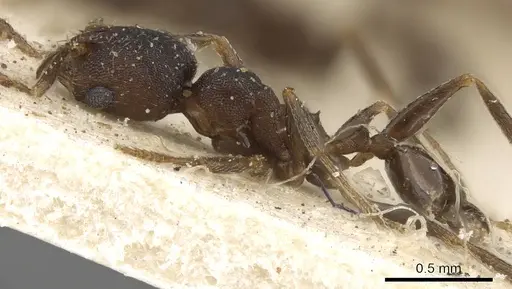
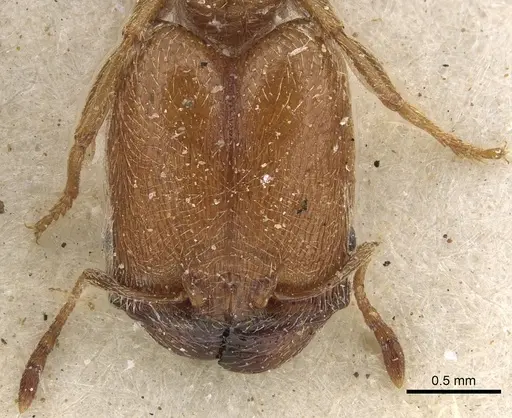
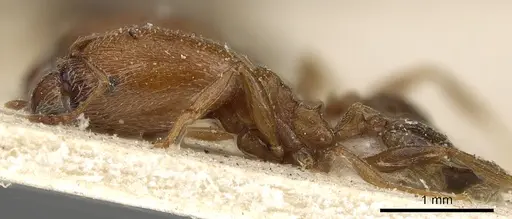
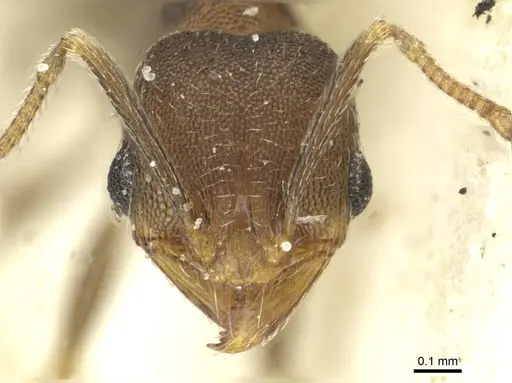
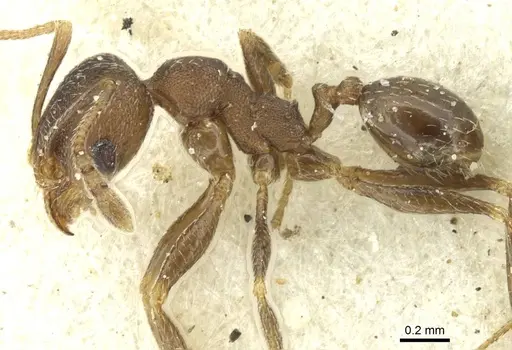
Pheidole arnoldi is an ant species of the genus Pheidole. It is primarily documented in 1 countries , including Zimbabwe. Detailed taxonomic data and occurrence records can be further explored via authoritative databases such as AntWeb or the Global Biodiversity Information Facility (GBIF).
Pheidole arnoldi
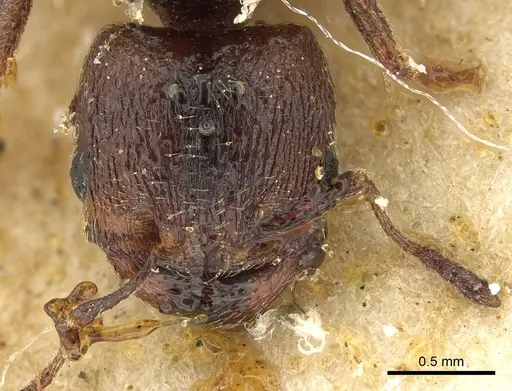
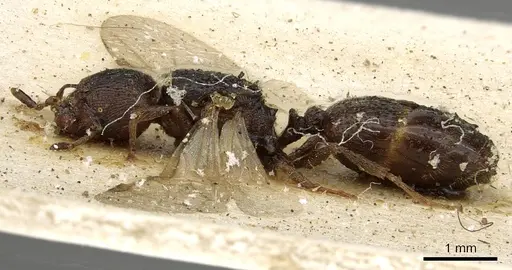
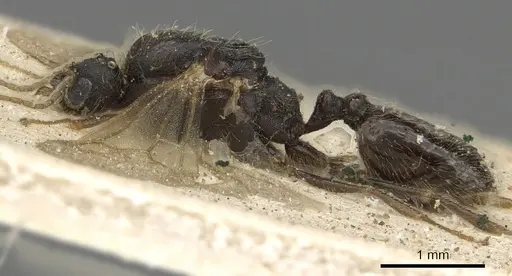
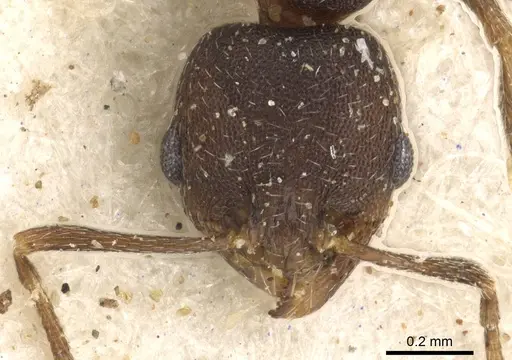
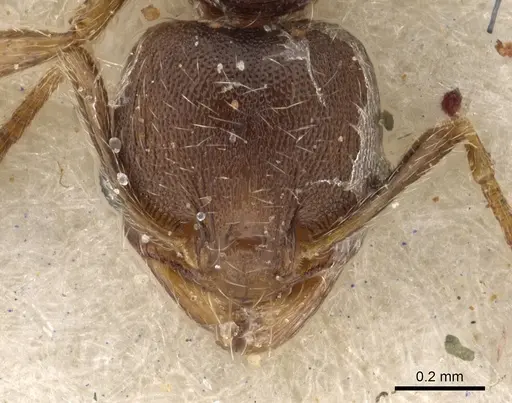
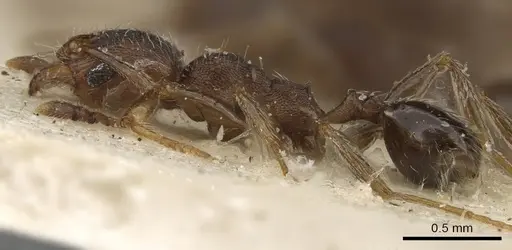
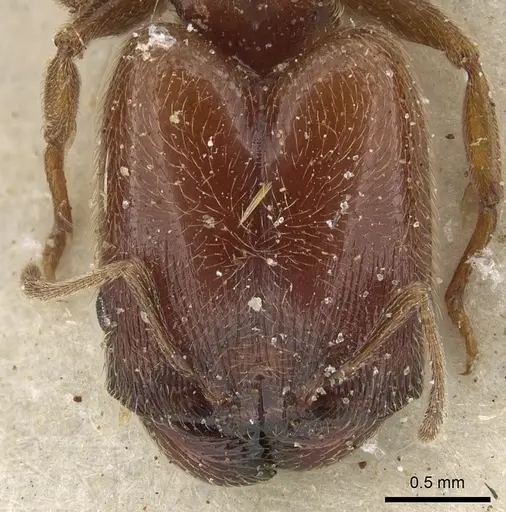
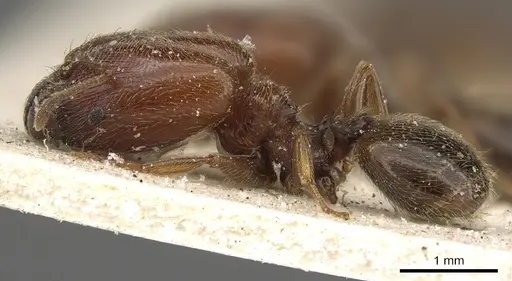
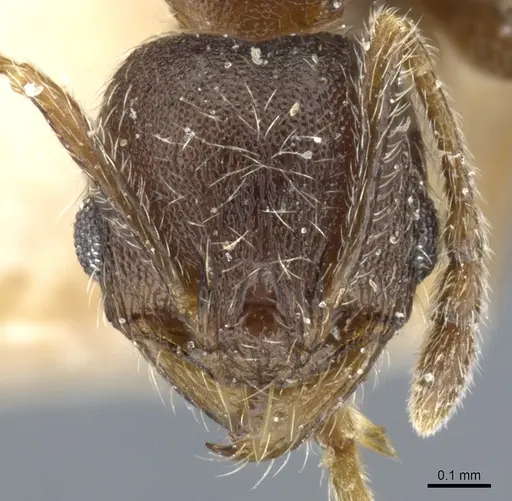
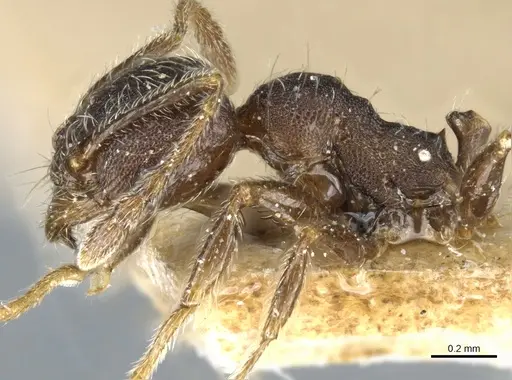
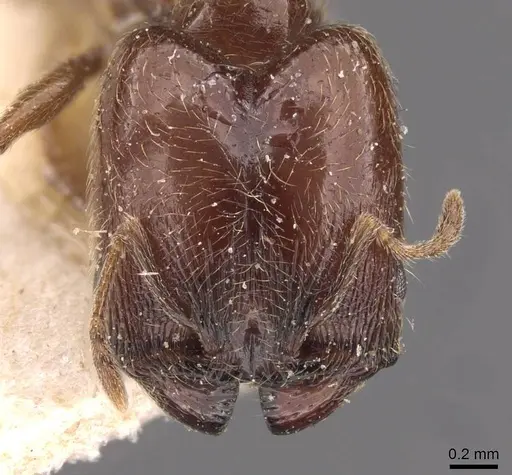
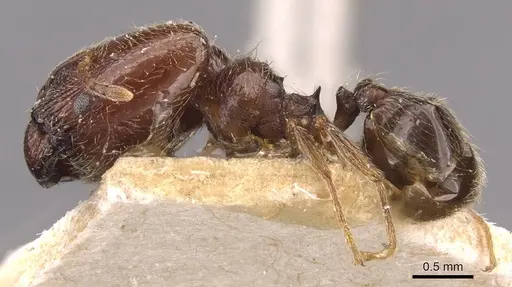
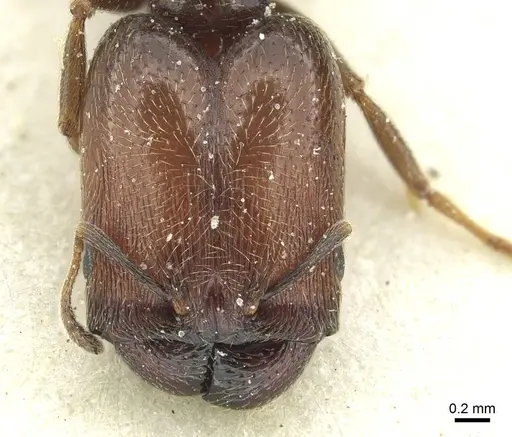
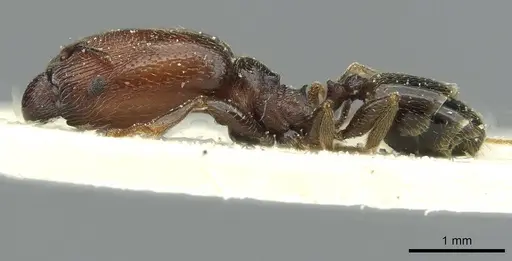
Pheidole arnoldi is a small ant species native to Zimbabwe, Africa. Like all Pheidole species, they exhibit striking polymorphism with two worker castes: large major workers (soldiers) with oversized heads, and smaller minor workers that handle most foraging tasks. The genus name 'Pheidole' means 'she who fattened' in Greek, referring to the queen's stored fat reserves. This species was originally described as Pheidole rufescens before being renamed due to a naming conflict [1]. Major workers typically measure 4-5mm while minor workers are around 2-3mm. Queens are chunky and can reach 7-8mm in length.
Pheidole ants are known for their granivorous diet, they collect and process seeds, but they also readily accept protein sources like insects. This makes them excellent beginner species as they accept a wide variety of foods. They form moderate-sized colonies with distinct major workers that serve as defenders and seed processors. The species has been included in phylogenetic studies examining worker caste evolution [2].
Quick Summary
- Difficulty: Easy
- Origin & Habitat: Zimbabwe, Africa, specifically recorded from Sipapoma in southern Zimbabwe [1]. Inhabits subtropical savanna and woodland habitats with warm temperatures and seasonal rainfall patterns.
- Colony Type: Monogyne (single queen colonies), this is the typical colony structure for most Pheidole species. The queen establishes a nest alone and rears the first brood without assistance.
- Colony: Monogyne
- Founding: Claustral
- Size & Growth:
- Queen: 7-8mm (estimated based on genus patterns)
- Worker: Minor workers: 2-3mm, Major workers: 4-5mm (estimated based on genus patterns)
- Colony: Up to several hundred workers (typical for Pheidole genus)
- Growth: Moderate
- Development: 6-10 weeks (estimated based on typical Pheidole development at 24-26°C) (Development time is typical for subtropical Pheidole species, faster in warmer conditions, slower if kept cool. Nanitic (first) workers are smaller than normal minor workers.)
- Antkeeping:
- Temperature: Keep nest area at 24-28°C. A heating cable on one side creates a temperature gradient allowing ants to self-regulate. They tolerate room temperature (20-24°C) but grow more slowly. Avoid temperatures below 18°C for extended periods.
- Humidity: Moderate humidity around 50-60%. Keep the nest substrate slightly moist but not waterlogged. Pheidole arnoldi from Zimbabwe handle drier conditions better than rainforest species. Provide a water tube for drinking access.
- Diapause: Yes, a mild winter rest period is recommended. Reduce temperature to 15-18°C for 8-12 weeks during winter months. This mimics natural seasonal cycles and promotes colony health. Do not feed during diapause but keep water available.
- Nesting: Test tubes work well for founding colonies. Once established with 50+ workers, they can be moved to a formicarium. Y-tong (AAC) nests or plaster nests with small chambers suit their size. They do well in naturalistic setups with soil substrate.
- Behavior: Pheidole arnoldi is docile and not aggressive. Major workers defend the colony but cannot sting effectively. They are active foragers that search for seeds and small insects. Minor workers handle most tasks outside the nest while majors stay closer to the nest or process seeds. They are not strong climbers, reducing escape risk compared to some genera, but standard barrier precautions are still recommended. Workers emit a mild alarm pheromone when disturbed but quickly settle.
- Common Issues: colonies may stall if temperatures drop below 18°C for extended periods, major workers can get stuck in overly narrow test tube connections, use appropriately sized connectors, overfeeding can lead to mold in nest setups, remove uneaten food promptly, test tube water reservoirs can flood if filled too full, leave adequate air space, wild-caught colonies may contain parasites that affect captive survival
Housing and Nest Setup
For founding colonies, a simple test tube setup works perfectly. Fill the tube one-third with water, plug with cotton, and place the queen in the tube. The cotton creates a humid chamber that the queen can regulate. Cover the tube with a dark cloth during the founding stage, queens prefer dark, quiet conditions. Once the first workers emerge (nanitics), you can begin offering food near the tube entrance.
When the colony reaches 50-100 workers, consider moving to a proper formicarium. Y-tong (AAC) nests work well because they provide proper humidity control and visibility. Plaster nests are another good option, they hold moisture well and allow you to observe the colony. For a naturalistic setup, use a shallow container with soil substrate and some decorative elements. Whatever nest type you choose, ensure chambers are appropriately sized, Pheidole prefer snug spaces to open areas.
Feeding and Diet
Pheidole arnoldi is omnivorous with a preference for seeds and protein. In the wild, they collect seeds from grasses and forbs, storing them in the nest for later consumption. They also hunt small insects and arthropods. In captivity, offer a varied diet:
Seeds: Millet, sesame, flax, and small bird seed mixes are readily accepted. Major workers will crack seeds open with their powerful jaws. Provide a small dish of seeds constantly.
Protein: Offer small insects like fruit flies, pinhead crickets, or mealworms twice weekly. Freeze-dried insects work well too. Protein is essential for brood development.
Sugars: While not their primary food, they will occasionally drink sugar water or honey. Offer occasionally but protein and seeds are more important.
Remove uneaten food within 24-48 hours to prevent mold. A varied diet promotes healthy colony growth.
Temperature and Seasonal Care
As a subtropical species from Zimbabwe, Pheidole arnoldi prefers warm conditions. Keep the nest area at 24-28°C for optimal growth and brood development. A heating cable placed on one side of the nest creates a gradient, the ants will move to their preferred temperature zone. During summer months, room temperature is usually sufficient.
In winter, simulate natural seasonal changes with a diapause period. Reduce temperature to 15-18°C for 8-12 weeks. This is important for colony health and longevity. During diapause, the colony will be less active and consume less food. Do not feed protein during this period but ensure water is available. In spring, gradually increase temperature back to normal to trigger renewed activity and brood production.
Colony Development and Growth
A newly mated queen will seal herself into a chamber and lay eggs. She feeds the first brood through metapleural gland secretions and her own stored fat reserves, this is claustral founding. The first workers (nanitics) are smaller than normal minors but immediately begin helping the queen.
Growth rate is moderate, expect 6-10 weeks from egg to first worker at optimal temperature. Once the first workers emerge, the colony enters a growth phase. Major workers typically appear when the colony reaches 30-50 workers. Colony growth accelerates as more workers are available to forage and care for brood.
Maximum colony size is likely several hundred workers. Unlike some genera, Pheidole colonies do not become massive, they remain manageable. The presence of distinct major and minor castes makes observation interesting as you can watch task specialization.
Behavior and Observation
One of the joys of keeping Pheidole is observing the division of labor between worker castes. Minor workers handle most outside-nest tasks: foraging, caring for brood, and maintaining the nest. Major workers serve as defenders and seed processors, their large heads contain powerful muscles for cracking seeds.
When you disturb a colony, major workers will rush to the entrance, raising their heads in a defensive display. They cannot sting effectively but can bite. The alarm quickly subsides, Pheidole are not persistently aggressive.
Foraging activity peaks during evening hours in captivity, though they will forage whenever food is available. They create visible trails to food sources. The majors stay closer to the nest while minors range farther, this division of labor is fascinating to watch.
Frequently Asked Questions
How long does it take for Pheidole arnoldi to produce first workers?
Expect 6-10 weeks from egg to first worker at optimal temperature (24-28°C). The first workers (nanitics) are smaller than normal minors but immediately begin helping the colony. Growth is faster in warm conditions and slower if kept cool.
What do Pheidole arnoldi ants eat?
They are omnivorous with a preference for seeds and protein. Offer small seeds like millet or sesame, and protein sources like fruit flies, mealworms, or freeze-dried insects twice weekly. They will occasionally drink sugar water but protein and seeds are more important.
Can I keep multiple Pheidole arnoldi queens together?
No, this species is monogyne (single queen). Only keep one queen per colony. Multiple unrelated queens will fight until one remains. In the wild, only one queen establishes each colony after nuptial flights.
What temperature do Pheidole arnoldi need?
Keep nest area at 24-28°C. A heating cable on one side creates a gradient. They tolerate room temperature (20-24°C) but grow more slowly. Avoid temperatures below 18°C for extended periods.
Do Pheidole arnoldi need hibernation?
Yes, a mild winter rest is recommended. Reduce temperature to 15-18°C for 8-12 weeks during winter. This mimics their natural seasonal cycle in Zimbabwe. Keep water available but reduce feeding during this period.
When should I move my colony to a formicarium?
Move to a formicarium once the colony reaches 50-100 workers. Test tubes become cramped at this point. Y-tong nests or plaster nests work well. Ensure the new nest has appropriately sized chambers, Pheidole prefer snug spaces.
Are Pheidole arnoldi good for beginners?
Yes, they are excellent for beginners. They are docile, accept a wide variety of foods, and have straightforward care requirements. Their moderate growth rate and manageable colony size make them rewarding to keep.
How big do Pheidole arnoldi colonies get?
Colonies typically reach several hundred workers. They do not become massive like some ant species. The presence of major workers makes even medium-sized colonies appear impressive.
Why are my Pheidole arnoldi dying?
Common causes include: temperatures below 18°C, mold from overfeeding or poor ventilation, flooding from overfilled test tube water reservoirs, or parasites from wild-caught colonies. Ensure proper temperature, remove uneaten food promptly, and use adequate ventilation.
References

This caresheet is licensed under CC BY-SA 4.0 .
CASENT0901284
View on AntWeb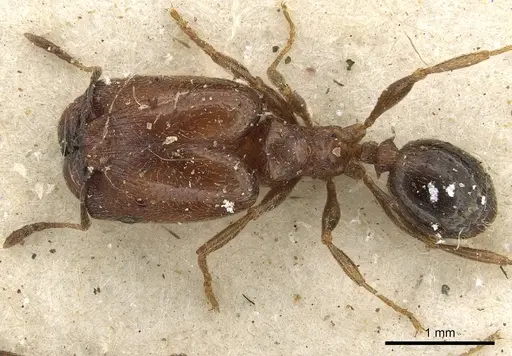
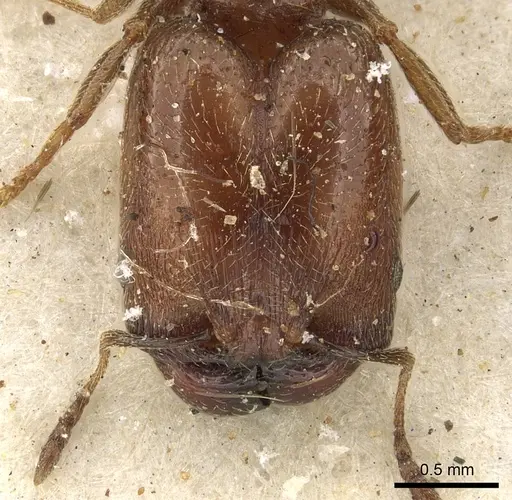
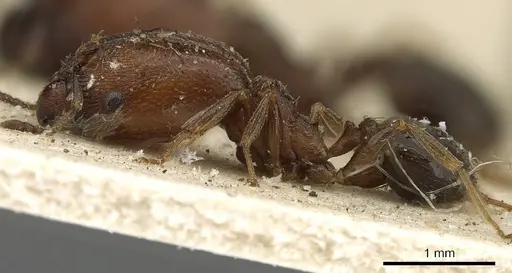
CASENT0901285
View on AntWeb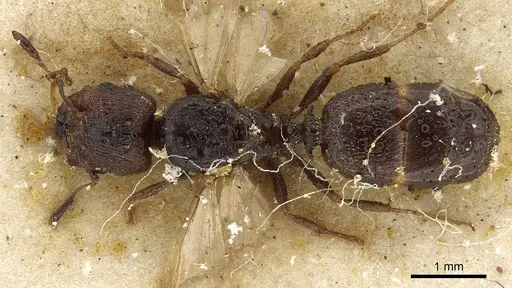
CASENT0901286
View on AntWeb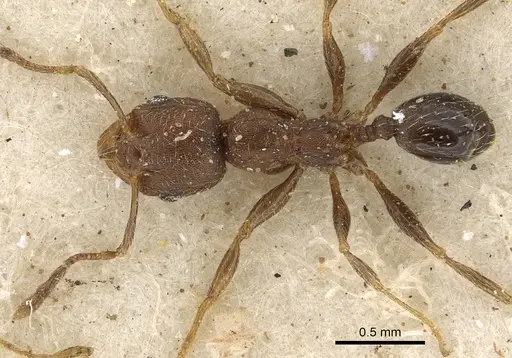
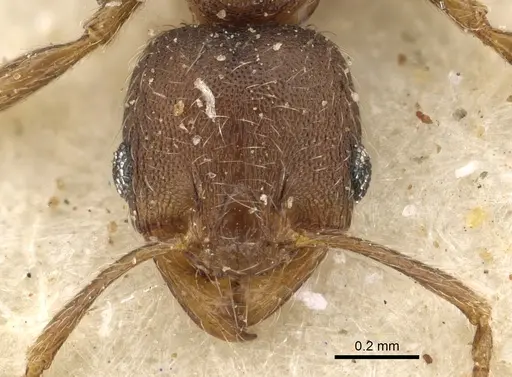
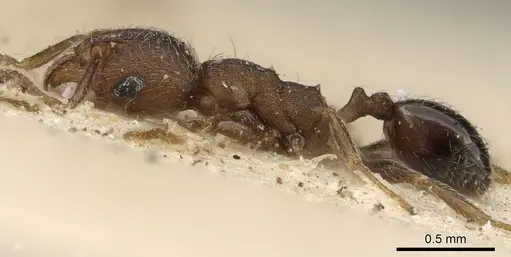
CASENT0901287
View on AntWeb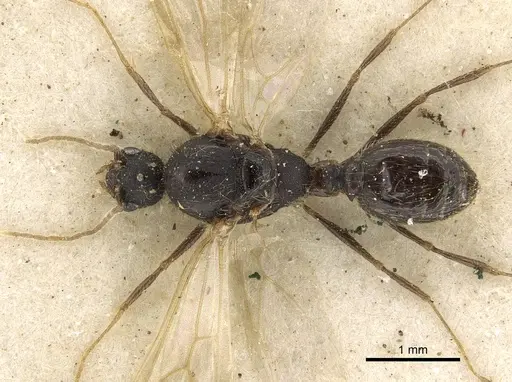
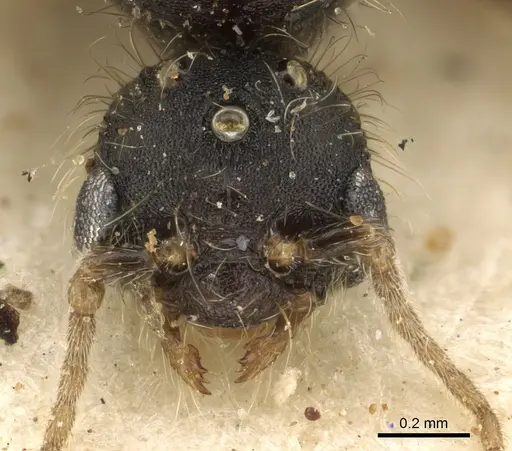
CASENT0901288
View on AntWeb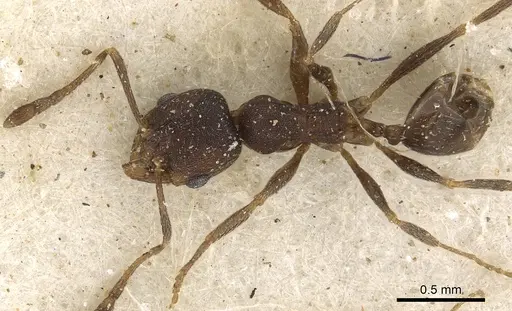
CASENT0901289
View on AntWeb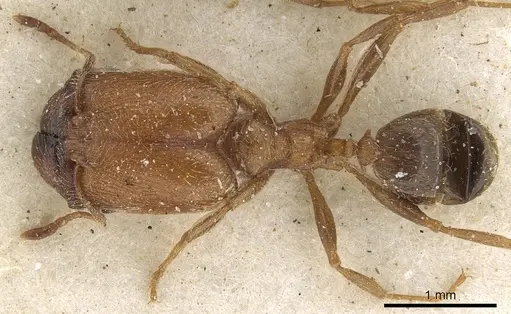
CASENT0901290
View on AntWeb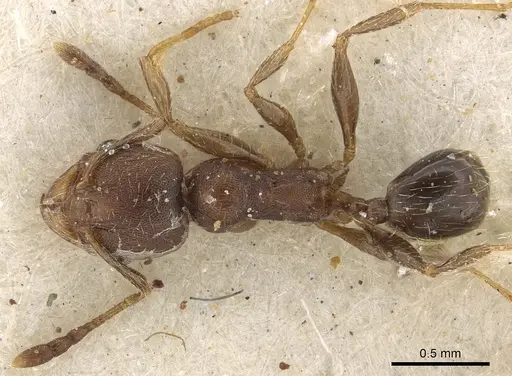
CASENT0901291
View on AntWeb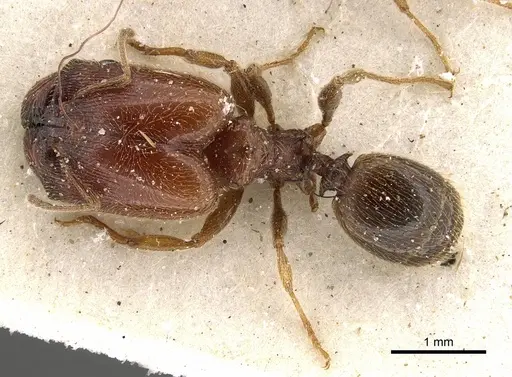
CASENT0904219
View on AntWeb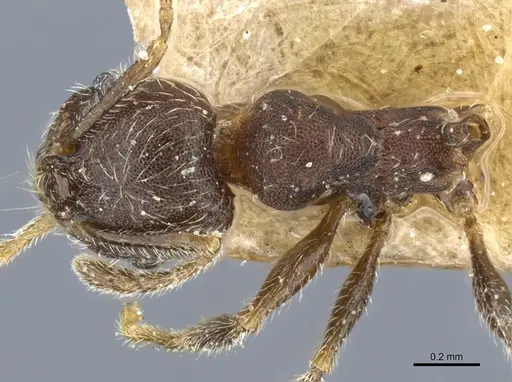
CASENT0907843
View on AntWeb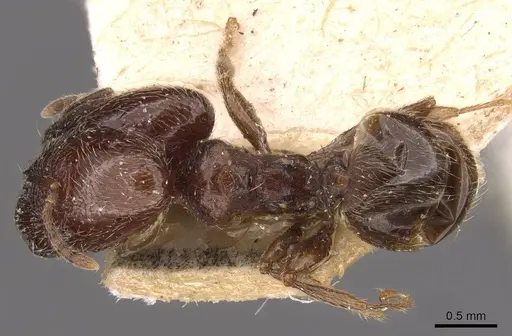
CASENT0907844
View on AntWeb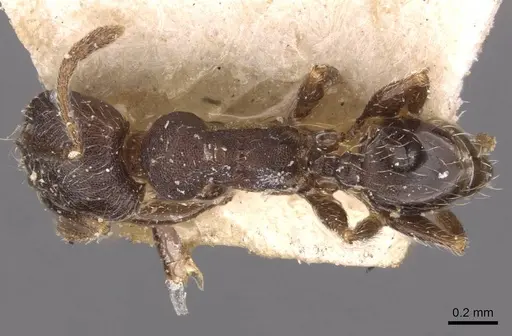
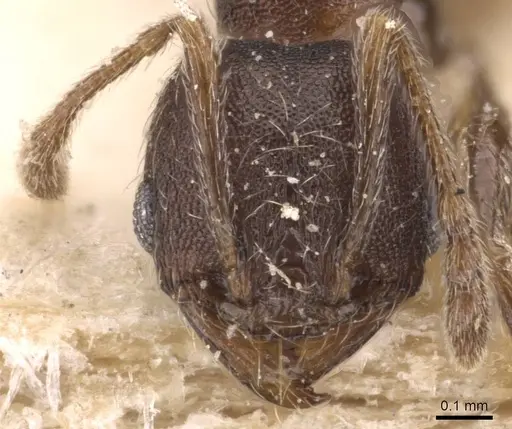
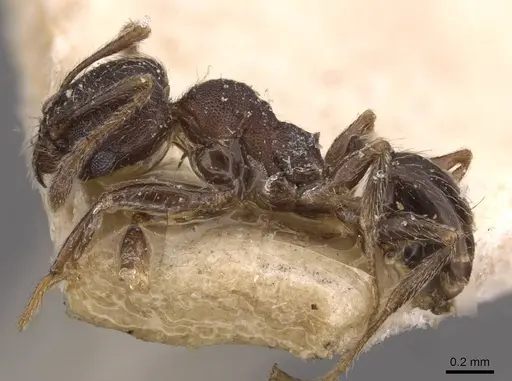
CASENT0913270
View on AntWeb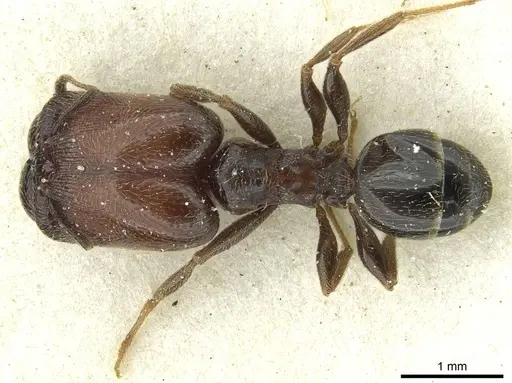
CASENT0913271
View on AntWeb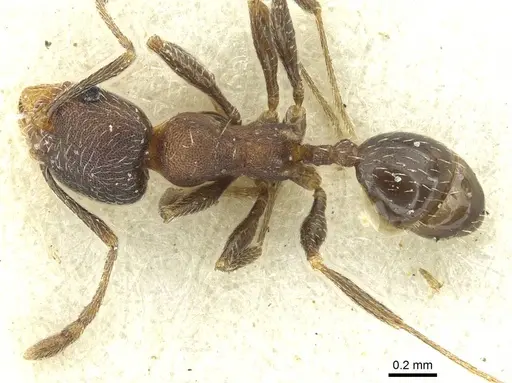
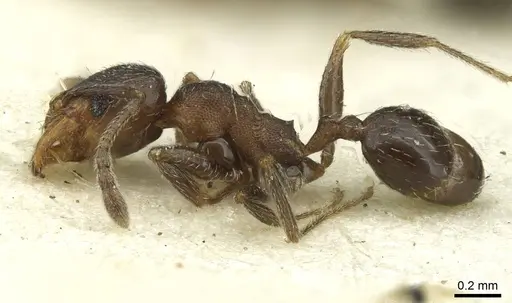
CASENT0913272
View on AntWeb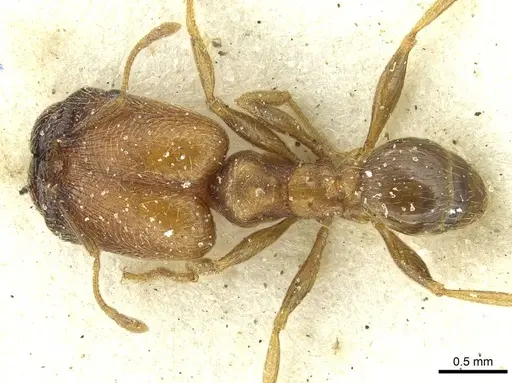
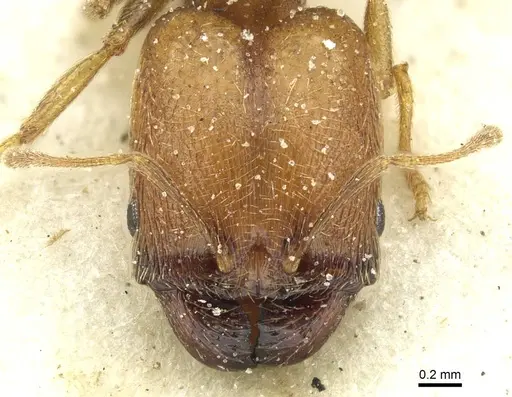
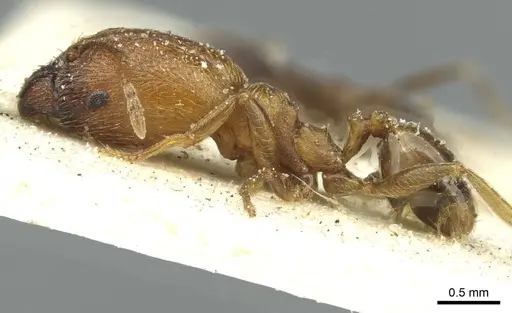
CASENT0913273
View on AntWeb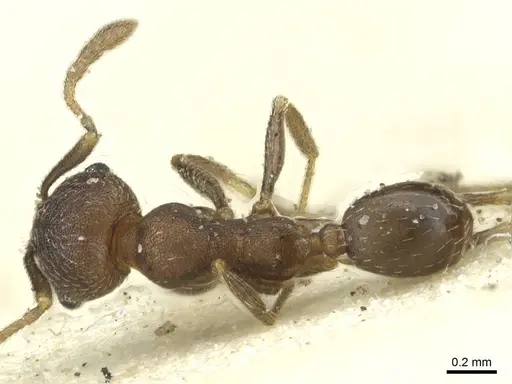
Literature
Loading...Loading products...