

Pheidole aripoensis
- Scientific Name
- Pheidole aripoensis
- Tribe
- Attini
- Subfamily
- Myrmicinae
- Author
- Wilson, 2003
- Distribution
- Found in 3 countries
Pheidole aripoensis Overview
Pheidole aripoensis is an ant species of the genus Pheidole. It is primarily documented in 3 countries , including French Guiana, Guyana, Trinidad and Tobago. Detailed taxonomic data and occurrence records can be further explored via authoritative databases such as AntWeb or the Global Biodiversity Information Facility (GBIF).
Pheidole aripoensis
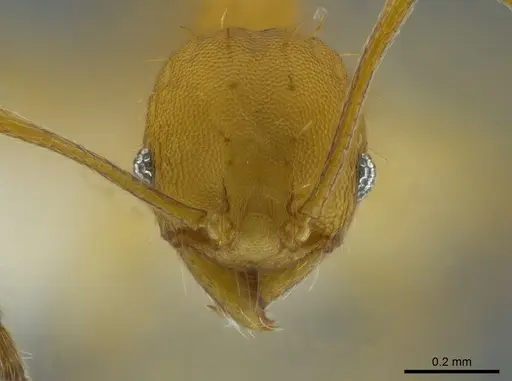
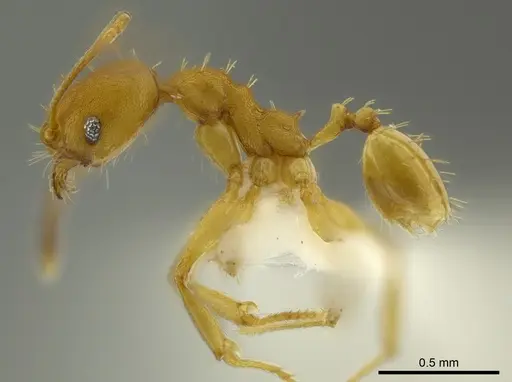
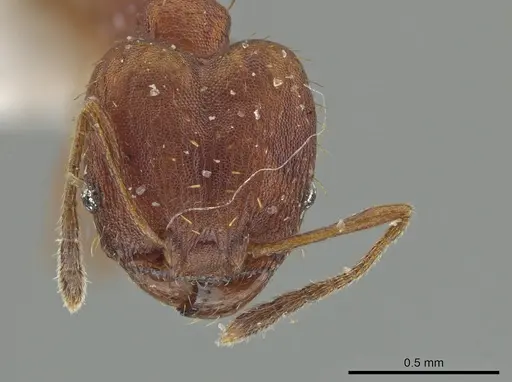
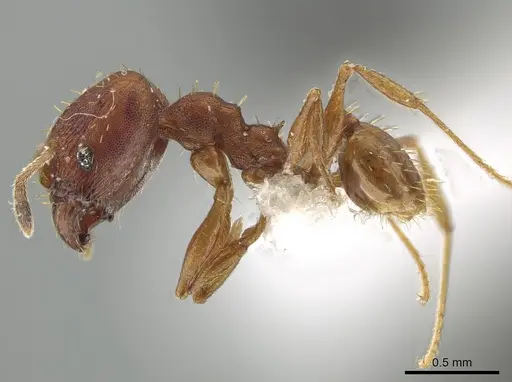
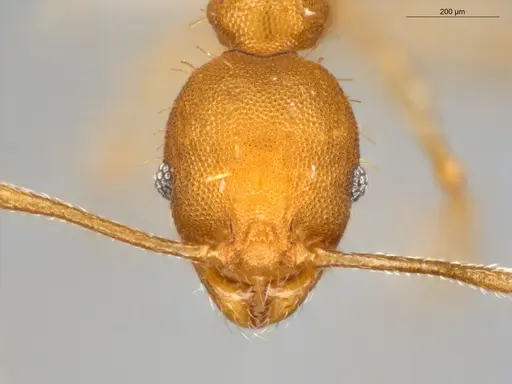
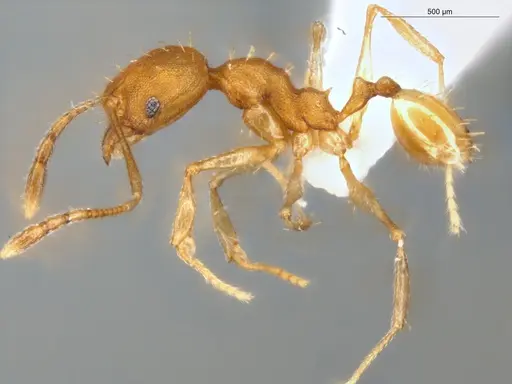
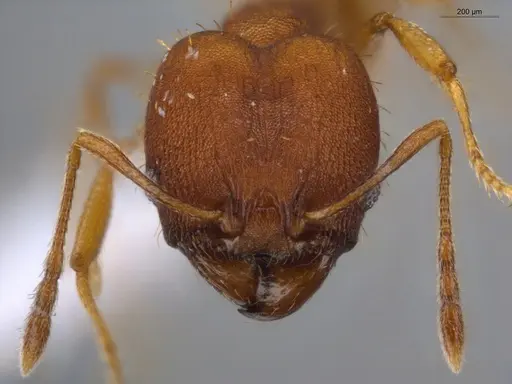
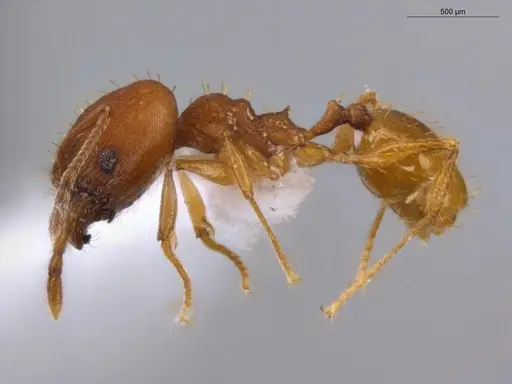
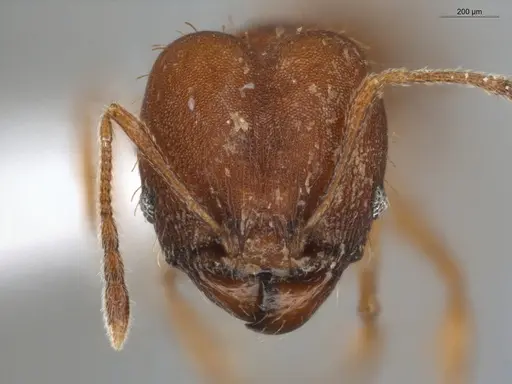
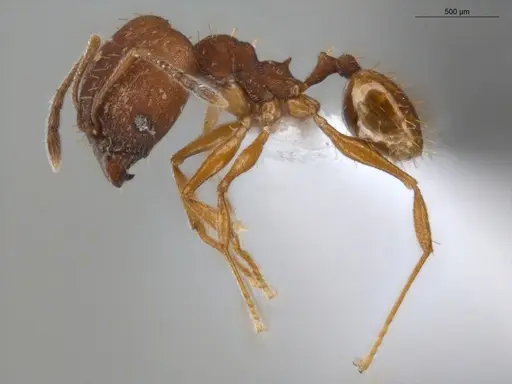
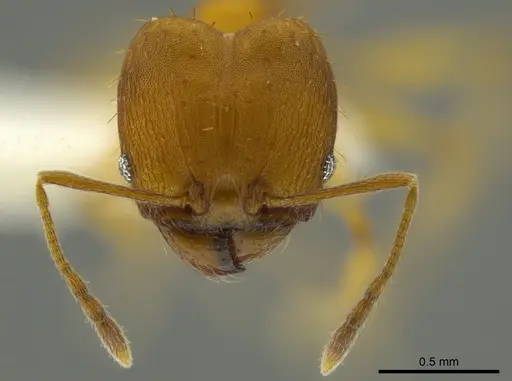
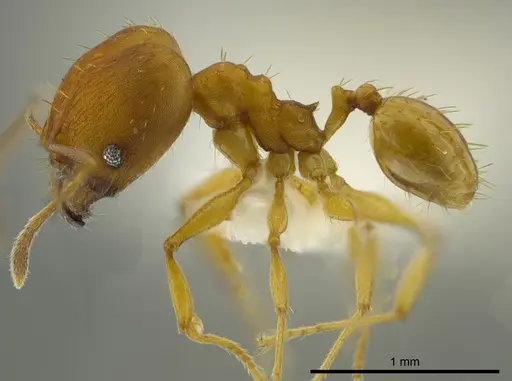
Pheidole aripoensis is a small yellow ant belonging to the punctatissima group, native to Trinidad and French Guiana in the Neotropical region. The species was described by Wilson in 2003 from specimens collected at Aripo Ridge in the Arima Valley at 600-700m elevation. Major workers measure 0.92mm and have a uniquely concave posterior dorsal profile of the head, combined with a double convexity of the pronotum creating a distinctive triple convexity of the promesonotum. Minor workers are smaller at 0.44mm. Both castes are yellow, with majors having a slightly darker orange tinge on the head and mesosoma. The species is distinguished by well-developed propodeal spines and relatively sparse pilosity. This is one of the least-studied Pheidole species, with no documented biological information available.
Quick Summary
- Difficulty: Unknown
- Origin & Habitat: Trinidad and French Guiana in the Neotropical region. Type locality is Aripo Ridge, Arima Valley at 600-700m elevation [1].
- Colony Type: Unknown, colony structure has not been documented. Most Pheidole species are single-queen colonies, but this has not been confirmed for aripoensis.
- Size & Growth:
- Queen: Undescribed, estimated 5-7mm based on genus patterns for small Pheidole species
- Worker: Major: 0.92mm, Minor: 0.44mm [1]
- Colony: Unknown, typical Pheidole colonies reach several hundred to a few thousand workers
- Growth: Unknown
- Development: Estimated 6-8 weeks based on typical Pheidole development at tropical temperatures (Development timeline is unconfirmed for this species, estimate based on genus patterns)
- Antkeeping:
- Temperature: Keep warm, around 24-28°C, typical for tropical Trinidad species. A gentle gradient allows workers to regulate their temperature.
- Humidity: Moderate to high humidity preferred. Keep nest substrate moist but not waterlogged. Trinidad has a humid tropical climate.
- Diapause: Unlikely, as a tropical species from Trinidad, they probably do not require a winter dormancy period.
- Nesting: No specific data on natural nesting. Most Pheidole nest in soil, under stones, or in rotting wood. A test tube setup works well for founding colonies, larger colonies can be moved to a Y-tong or plaster formicarium.
- Behavior: Behavior is undocumented. Pheidole species are typically non-aggressive but will defend their nest. They have major and minor workers, majors defend the nest and process seeds, while minors forage. Escape prevention is important due to their small size. They are primarily granivorous and will store seeds, but also consume protein sources.
- Common Issues: no biological data means care requirements are largely estimated from genus patterns, escape prevention is critical due to tiny minor worker size, slow growth is common in Pheidole, beginners may lose patience, wild-caught colonies may have parasites that are unknown for this species, founding colonies are fragile and prone to abandonment if conditions are suboptimal
Appearance and Identification
Pheidole aripoensis is a dimorphic species with two distinct worker castes. Major workers are 0.92mm in head width and have a distinctive appearance within the punctatissima group, most notably the uniquely concave posterior dorsal profile of the head. The pronotum shows a double convexity, creating a triple convexity effect when combined with the mesonotum. Both major and minor workers are yellow, with majors having a slightly darker orange tinge on the head and mesosoma. The species has well-developed propodeal spines and relatively sparse pilosity (hair coverage). These ants are small, with minor workers at only 0.44mm, making escape prevention particularly important. [1]
Distribution and Habitat
This species is known only from the type locality in Trinidad, with additional records from French Guiana. The type specimens were collected from Aripo Ridge in the Arima Valley at 600-700m elevation. This is a tropical montane area in the Northern Range of Trinidad. The elevation suggests they may prefer slightly cooler conditions than lowland tropical ants, but still well within the warm tropical range. No specific microhabitat data exists for this species. [1]
Feeding and Diet
Feeding habits are unconfirmed for this specific species, but Pheidole ants are typically granivorous, they collect and process seeds as their primary food source. They also readily accept protein from insects and other small arthropods. Based on genus patterns, offer a mix of crushed seeds (grass, millet, or commercial ant mixes), small insects like fruit flies or baby crickets, and occasional sugar water or honey. Remove uneaten food after 24-48 hours to prevent mold. The small size of the minors means any seeds offered should be crushed or very small.
Temperature and Care
Since this species comes from Trinidad, a tropical island, keep the colony warm at around 24-28°C. Room temperature within this range is typically suitable. A heating cable on one side of the nest can create a temperature gradient, allowing ants to self-regulate. Place the heating on top of the nest to avoid drying out the substrate. As a tropical species, they do not require hibernation or diapause. Maintain moderate to high humidity, the nest substrate should feel moist but not waterlogged. Mist occasionally and ensure the water tube in test tube setups stays topped up.
Nesting Requirements
No specific data exists on natural nesting preferences for P. aripoensis. Most Pheidole species nest in soil, under stones, or in rotting wood in nature. For captive care, start with a standard test tube setup for founding colonies, fill the tube one-third with water and plug with cotton, providing a dark enclosure for the queen. Once the colony reaches 50+ workers, you can consider moving to a formicarium. A Y-tong (acrylic) nest or plaster formicarium works well for Pheidole. Ensure any setup has appropriately sized chambers, these are small ants.
Colony Development
The colony development timeline is unconfirmed for this species. Based on typical Pheidole patterns, expect 6-8 weeks from egg to first worker (nanitic) at optimal tropical temperatures. Pheidole colonies grow moderately, major workers typically appear after the colony has grown substantially. The founding queen will seal herself in a claustral chamber and survive on stored fat reserves until her first workers emerge. Do not disturb the founding colony during this period. Once workers arrive, they will take over foraging and brood care.
Frequently Asked Questions
How long does it take for Pheidole aripoensis to have first workers?
The egg-to-worker timeline is unconfirmed for this species. Based on typical Pheidole development patterns at tropical temperatures (24-28°C), expect approximately 6-8 weeks from egg to first nanitic worker. This is an estimate, actual development time may vary.
What do Pheidole aripoensis ants eat?
Feeding is unconfirmed for this specific species, but Pheidole ants are typically granivorous. Offer crushed seeds, small insects for protein, and occasional sugar water or honey. Remove uneaten food after 24-48 hours.
Do Pheidole aripoensis ants need hibernation?
No, as a tropical species from Trinidad, they do not require hibernation or diapause. Keep them warm year-round at 24-28°C.
Are Pheidole aripoensis good for beginners?
Difficulty level is unknown since this species has no documented care history. The genus Pheidole is generally beginner-friendly, but this specific species has no biological data. Start with established species if you are new to antkeeping.
What temperature should I keep Pheidole aripoensis at?
Keep them warm at 24-28°C, typical for tropical ants. Room temperature in this range is usually suitable. A heating cable on part of the nest can provide a gradient.
How big do Pheidole aripoensis colonies get?
Maximum colony size is unconfirmed. Most Pheidole species reach several hundred to a few thousand workers. Growth is likely moderate.
Can I keep multiple Pheidole aripoensis queens together?
Colony structure is unconfirmed. Most Pheidole are single-queen (monogyne) colonies. Do not combine unrelated foundress queens without specific evidence they can coexist.
What type of nest should I use for Pheidole aripoensis?
Start with a test tube setup for founding colonies. Once established with 50+ workers, a Y-tong or plaster formicarium works well. Ensure chambers are appropriately sized for their small size.
Why is nothing known about Pheidole aripoensis biology?
This species was described in 2003 and is only known from a few specimens from Trinidad. It has not been the subject of any published biological studies. All care recommendations are estimates based on genus patterns.
References

This caresheet is licensed under CC BY-SA 4.0 .
CASENT0625432
View on AntWeb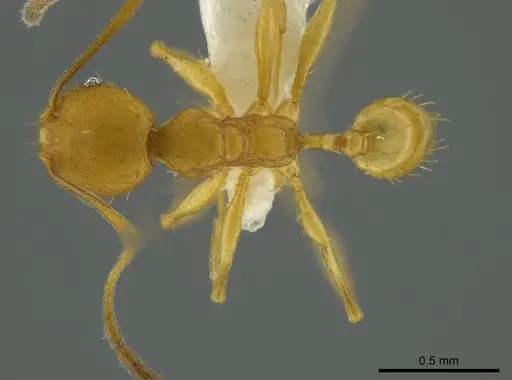
CASENT0639427
View on AntWeb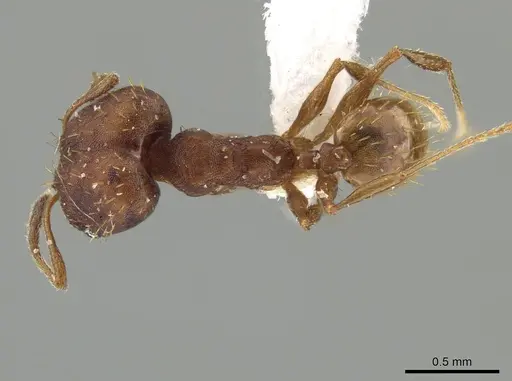
ECOFOG-MI15-0180-24
View on AntWeb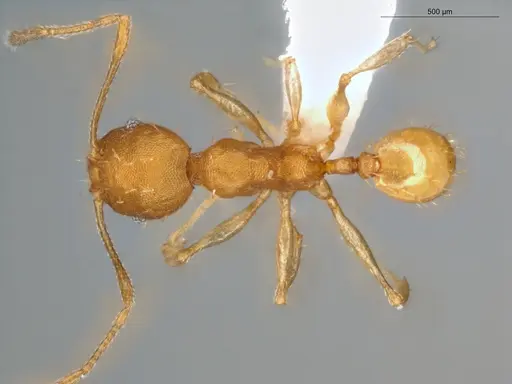
ECOFOG-PA14-0004-02-S
View on AntWeb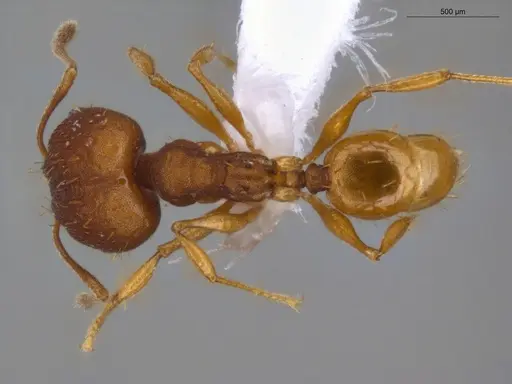
ECOFOG-PA14-0133-02-S
View on AntWeb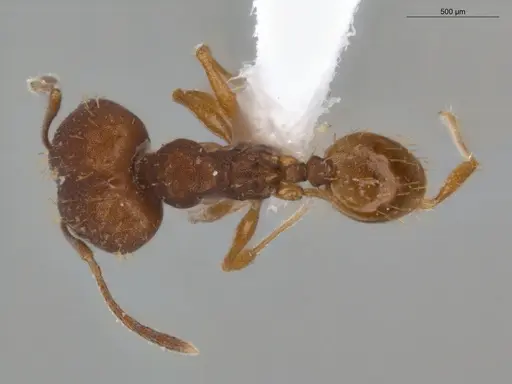
JTLC000016322
View on AntWeb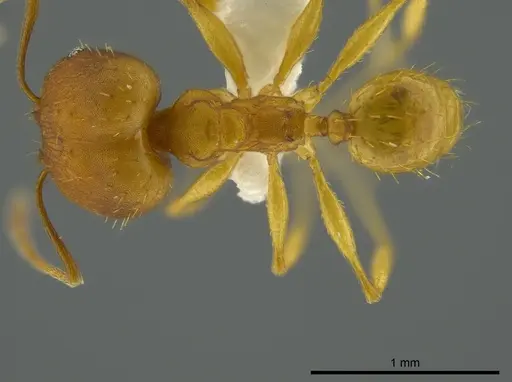
Literature
Loading...Loading products...