

Pheidole antipodum
- Scientific Name
- Pheidole antipodum
- Tribe
- Attini
- Subfamily
- Myrmicinae
- Author
- Smith, 1858
- Distribution
- Found in 1 countries
Pheidole antipodum Overview
Pheidole antipodum is an ant species of the genus Pheidole. It is primarily documented in 1 countries , including Australia. Detailed taxonomic data and occurrence records can be further explored via authoritative databases such as AntWeb or the Global Biodiversity Information Facility (GBIF).
Pheidole antipodum
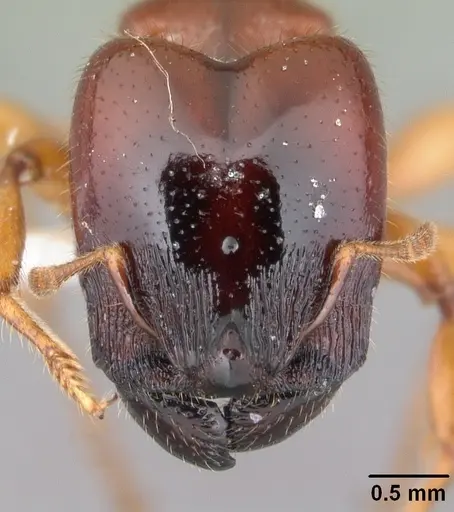
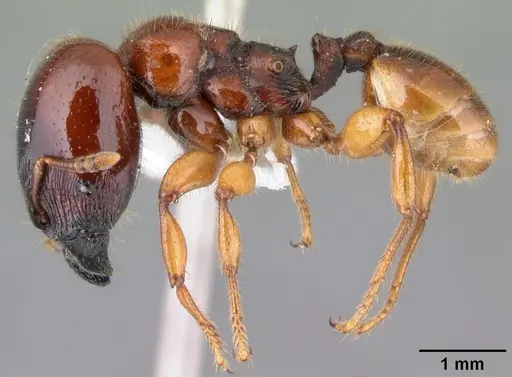
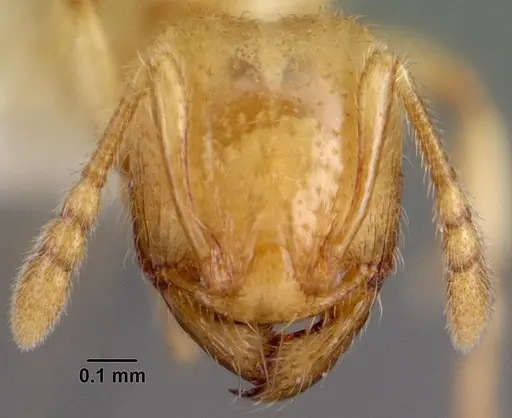
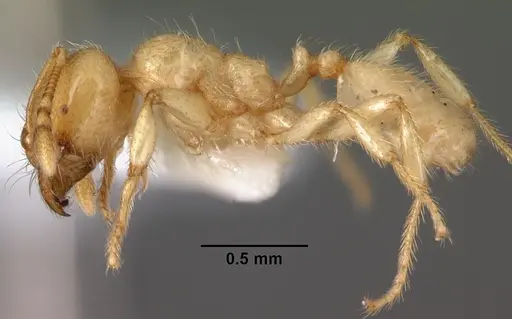
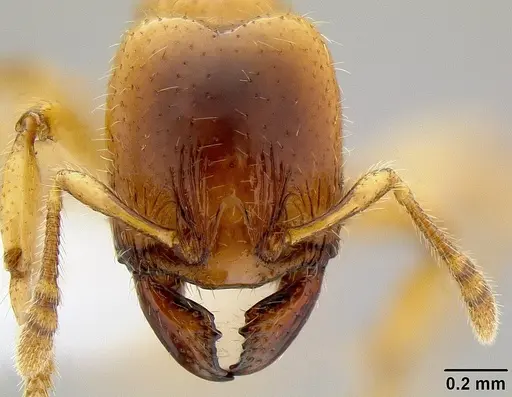
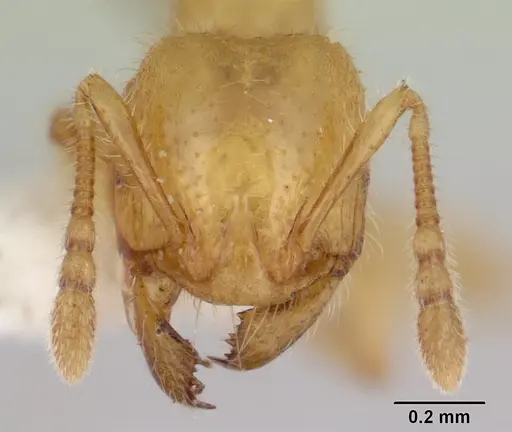
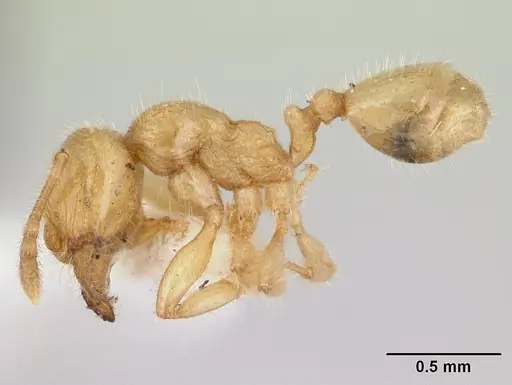
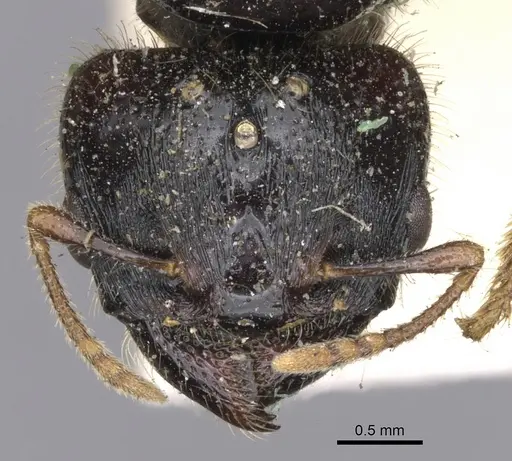
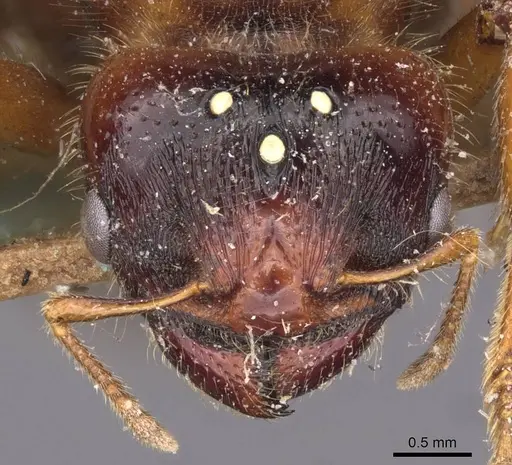
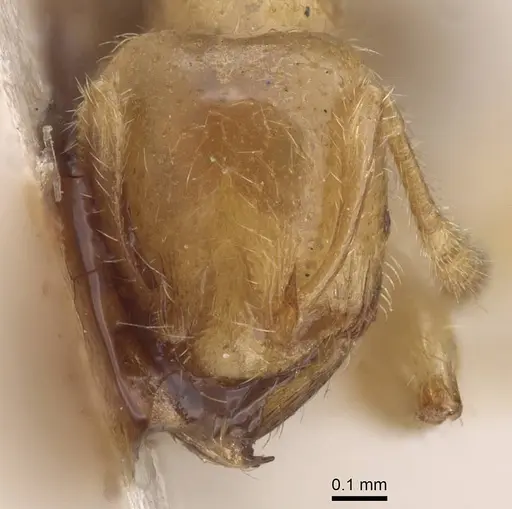
Pheidole antipodum is a highly polymorphic ant species endemic to Australia, famous for its dramatic size difference between minor workers (around 3mm) and major workers (up to 9mm) with their massive heads [1]. The antennae have 12 segments with a distinct 3-segmented club, and the eyes are unusually small, having only 3-5 facets in minor workers [1]. These ants are limited to the drier regions of Australia and are locally common in areas like Western Australia, NSW, NT, SA, and Victoria [2].
What makes P. antipodum stand out is their subterranean lifestyle and specialized diet. Unlike most Pheidole species, they are largely underground dwellers with very poorly developed eyes, and they are specialist predators on termites [1]. Colonies can reach hundreds of individuals with thousands of larvae, and they nest most commonly under rocks deeply embedded in soil [1]. The nuptial flight behavior is particularly striking, workers form defensive rings around the nest entrance before alates emerge, and they actively control the alates by climbing on them to prevent premature departure [1].
Quick Summary
- Difficulty: Medium
- Origin & Habitat: Endemic to Australia, found in drier areas across WA, NSW, NT, SA, and Victoria. Nests in open soil or under rocks in both laterite and sandy soils. Often associated with termite colonies [2][1].
- Colony Type: Single-queen (monogyne) colonies with highly polymorphic worker caste, major and minor workers. Colonies reach hundreds of workers with thousands of larvae [1].
- Colony: Monogyne
- Founding: Claustral
- Size & Growth:
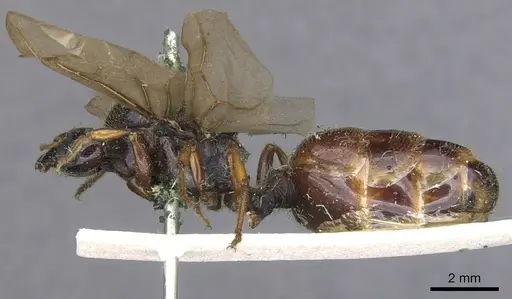
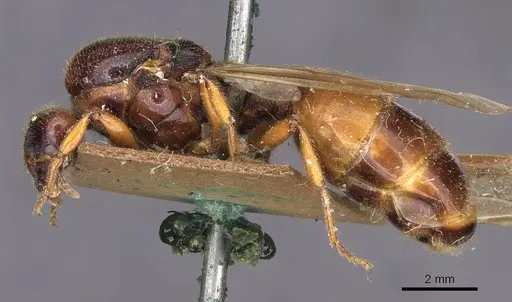
- Queen: 12.8mm [1]
- Worker: 3-9mm (minor workers ~3mm, major workers up to 9mm) [1]
- Colony: Hundreds of workers, thousands of larvae in mature colonies [1]
- Growth: Moderate, inferred from typical Pheidole development
- Development: 6-8 weeks at optimal temperature (estimated based on genus patterns) (Development time is typical for Pheidole genus, exact timeline for this species unconfirmed)
- Antkeeping:
- Temperature: Keep at 24-28°C as a starting point. Australian species from warmer regions suggests they tolerate higher temperatures. Adjust based on colony activity, if workers cluster near heat, increase slightly
- Humidity: Moderate humidity preferred. Keep nest substrate slightly moist but not waterlogged. Provide a gradient with some drier areas for workers to self-regulate. These ants are subterranean so they prefer stable, moderately humid conditions
- Diapause: Unknown for this specific species. Australian ants from temperate/warm regions may have reduced activity periods rather than true hibernation. Monitor colony behavior in winter
- Nesting: Y-tong (AAC) nests or plaster nests work well for these medium-sized ants. Provide narrow chambers suitable for their subterranean nature. A layer of substrate or small rocks on the floor of the outworld mimics their natural under-rock nesting. Test tubes can work for founding colonies
- Behavior: These ants are largely subterranean and somewhat reclusive. They are specialist termite predators, so live prey is essential for their diet [1]. Major workers have large, powerful mandibles and will defend the colony aggressively. Minor workers forage and tend to brood. They are not particularly aggressive toward keepers but will bite if threatened. Escape risk is moderate, minor workers are small enough to exploit gaps, so use standard barrier precautions. Activity levels are moderate, they are most active in the evening and night hours.
- Common Issues: specialized diet requirements make them difficult to feed, they need live termite prey or equivalent small insects, and may reject standard ant foods, subterranean lifestyle means they may be less visible than surface-nesting species, which can make it hard to monitor colony health, colonies grow slowly initially, beginners may lose patience and overfeed before the colony is established enough to handle it, small eyes and reclusive nature means they may not readily forage in open spaces, requiring careful outworld design, founding colonies are fragile, claustral queens need darkness and minimal disturbance until first workers emerge
Nest Preferences and Housing
Pheidole antipodum naturally nests under rocks deeply embedded in soil, making them well-suited to Y-tong (acrylic) nests or plaster formicaria that provide dark, humid chambers [1]. The chambers should be appropriately scaled to their size, major workers are substantial at 9mm, while minors are tiny at around 3mm. A naturalistic setup with a layer of soil or small stones on the outworld floor can encourage natural foraging behavior. Test tubes work fine for founding colonies, use a standard cotton-stoppered water reservoir. Once the colony reaches 20-30 workers, consider moving to a proper nest. These ants prefer to stay hidden during founding, so keep the nest area dark and quiet. The outworld should have some vertical space since majors can climb well, but escape prevention should focus on the rim and any gaps in the lid.
Feeding and Diet
This is the most critical aspect of keeping P. antipodum successfully. They are specialist predators on termites in the wild, meaning live prey is essential [1]. Offer small live insects like fruit flies, pinhead crickets, or termitarians (termite alates when available). You can also culture small prey like springtails or microworms as a permanent food source. Sugar water or honey is typically accepted as a supplementary energy source, but protein from insects should form the bulk of their diet. Feed small prey items every 2-3 days, removing any uneaten prey after 24 hours to prevent mold. A constant supply of sugar water should be available. Unlike some Pheidole that readily accept seeds or bait, this species is likely to ignore non-prey food. Watch how your specific colony responds, some colonies are more opportunistic than others.
Temperature and Seasonal Care
As an Australian species from drier regions, P. antipodum prefers warm conditions. Maintain temperatures between 24-28°C for optimal colony development and brood production. A heating cable or mat on one side of the nest creates a temperature gradient, allowing workers to self-regulate. Place the heating element on top of the nest, not underneath, to prevent excessive drying. Room temperature (around 22-24°C) may be acceptable if your home stays in this range. During winter, slight temperature reductions (to around 18-20°C) may reduce activity, which is normal for many Australian ants. True hibernation is unlikely, but watch for seasonal slowdowns. Avoid temperatures below 15°C or above 35°C. Stable temperatures produce the best results, avoid drafts and rapid fluctuations. [2]
Behavior and Colony Dynamics
P. antipodum colonies are highly organized with distinct worker castes. Minor workers handle most day-to-day tasks: foraging, caring for brood, and maintaining the nest. Major workers (soldiers) specialize in defense and cracking hard prey items with their powerful mandibles. The queen remains in the nest chamber, continuously laying eggs. During nuptial flights, workers aggressively defend the nest entrance and physically control the alates by climbing on them, this prevents premature departure and ensures coordinated release [1]. Colonies grow gradually at first (the claustral phase), then accelerate once the first workers (nanitics) emerge. Major workers typically appear later in colony development as the colony reaches sufficient size. These ants are not aggressive toward keepers but will bite firmly if handled roughly. Their subterranean nature means they may be less active in bright lighting, a dimmer outworld encourages foraging.
Frequently Asked Questions
How long does it take for Pheidole antipodum to produce first workers?
Expect 6-8 weeks from egg to first worker at optimal temperature (24-28°C). This is typical for Pheidole species, though exact timing for this species is unconfirmed. The queen is claustral, she seals herself in and raises the first brood alone without foraging. Be patient during founding, disturbing the nest can cause the queen to eat her brood or abandon the colony.
What do Pheidole antipodum ants eat?
They are specialist termite predators in the wild, so live prey is essential. Offer small live insects like fruit flies, pinhead crickets, or termitarians. Springtails or microworms can be cultured as a permanent food source. They will usually accept sugar water or honey as a supplement, but protein from insects should form the main diet. They typically ignore seeds or other non-prey foods.
Are Pheidole antipodum good for beginners?
They are rated as medium difficulty. The main challenge is their specialized diet, they need regular live prey, which requires more effort than feeding sugar water. Their subterranean nature also means they are less visible than surface-nesting species. If you are committed to providing live insects and can be patient through slow founding growth, they are manageable for dedicated beginners.
How big do Pheidole antipodum colonies get?
Wild colonies reach hundreds of workers with thousands of larvae. In captivity, expect 200-500 workers for a mature colony. The colony grows gradually at first, then accelerates once established. Major workers (the large-headed soldiers) typically appear once the colony reaches 50+ workers.
Can I keep multiple Pheidole antipodum queens together?
No. This species is monogyne, colonies have a single queen. Attempting to keep multiple unrelated queens together will result in fighting. Only attempt pleometrosis (multiple founding queens) if you have specific research indicating it works for this species, it is not recommended for this ant.
What temperature do Pheidole antipodum need?
Keep them at 24-28°C. Australian ants from drier regions prefer warm conditions. A heating cable on one side of the nest creates a gradient. Room temperature (22-24°C) may work if your home is consistently warm. Avoid temperatures below 15°C or above 35°C.
Do Pheidole antipodum need hibernation?
True hibernation is not required. Australian ants from temperate/warm regions may have reduced activity in winter rather than a dormant state. If your colony slows down in winter, simply reduce feeding and allow cooler temperatures (around 18-20°C). Do not refrigerate them, this is not appropriate for this species.
When should I move Pheidole antipodum to a formicarium?
Move them once the colony reaches 20-30 workers and the test tube becomes crowded. A Y-tong or plaster nest works well. Keep the nest area dark initially since they are subterranean. Make sure the outworld has space for foraging and the nest has chambers scaled to their size.
Why are my Pheidole antipodum not foraging?
They are naturally reclusive and subterranean. They may not forage openly in bright light. Try dimming the outworld lighting, offering prey at night, or placing food closer to the nest entrance. Also verify temperature is in their preferred range (24-28°C), cold ants are inactive. If the colony is small, they may simply not have enough foragers yet.
References

This caresheet is licensed under CC BY-SA 4.0 .
CASENT0010804
View on AntWeb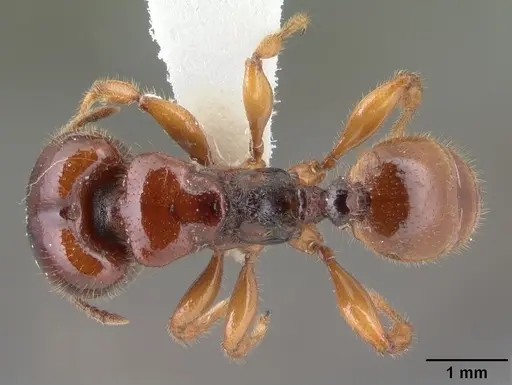
CASENT0010924
View on AntWeb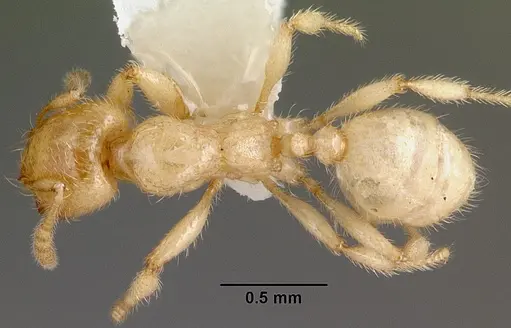
CASENT0106219
View on AntWeb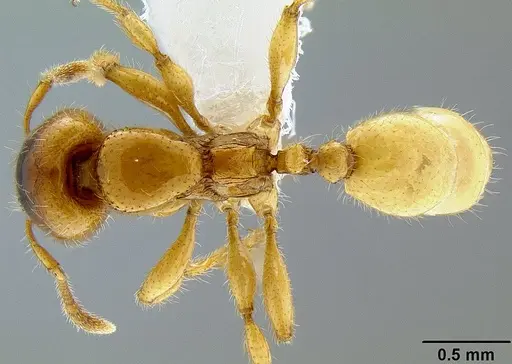
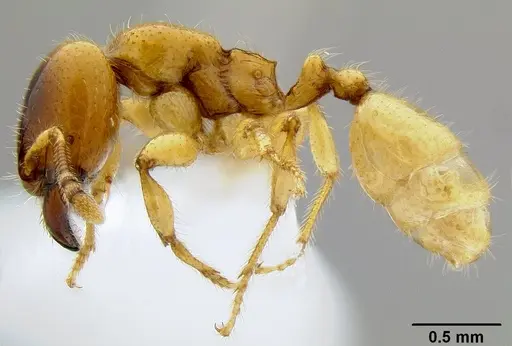
CASENT0178578
View on AntWeb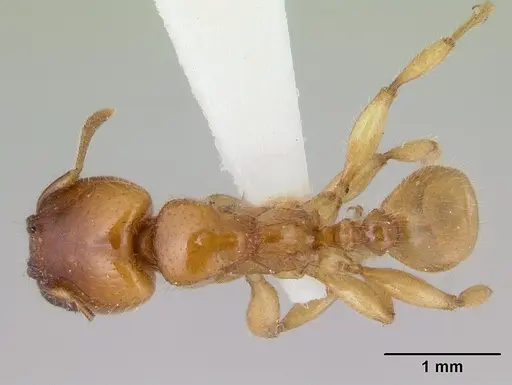
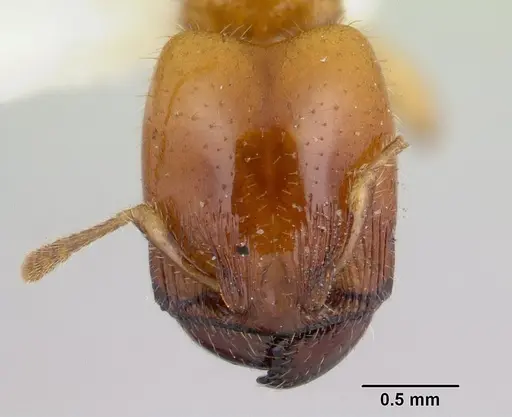
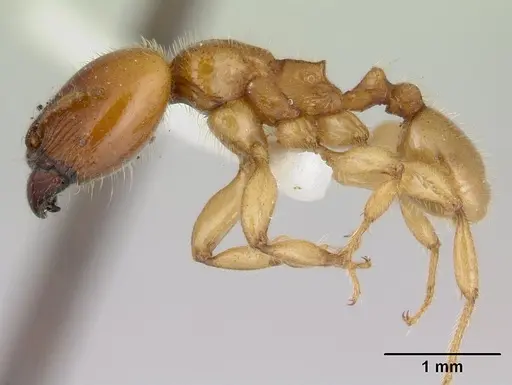
CASENT0178579
View on AntWeb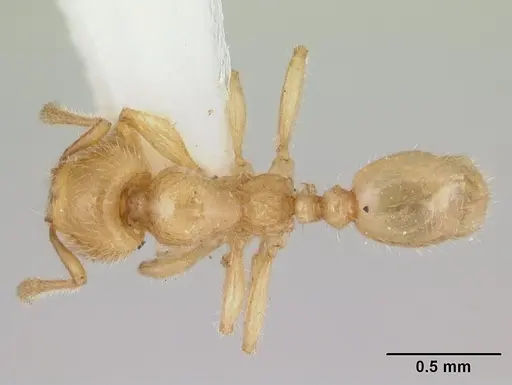
CASENT0901259
View on AntWeb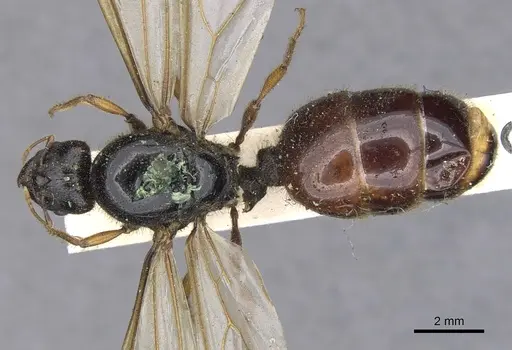
CASENT0907772
View on AntWeb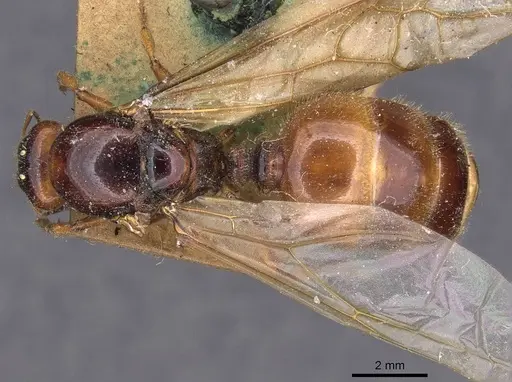
CASENT0915459
View on AntWeb
Literature
Loading...Loading products...