

Pheidole angulicollis
- Scientific Name
- Pheidole angulicollis
- Tribe
- Attini
- Subfamily
- Myrmicinae
- Author
- Eguchi, 2001
- Distribution
- Found in 1 countries
Pheidole angulicollis Overview
Pheidole angulicollis is an ant species of the genus Pheidole. It is primarily documented in 1 countries , including Malaysia. Detailed taxonomic data and occurrence records can be further explored via authoritative databases such as AntWeb or the Global Biodiversity Information Facility (GBIF).
Pheidole angulicollis
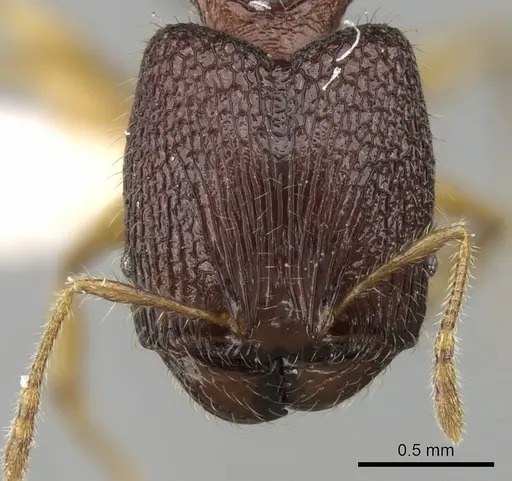
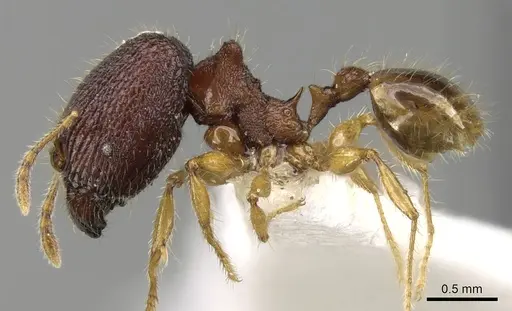
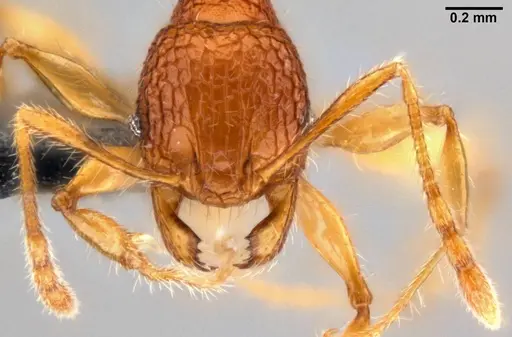
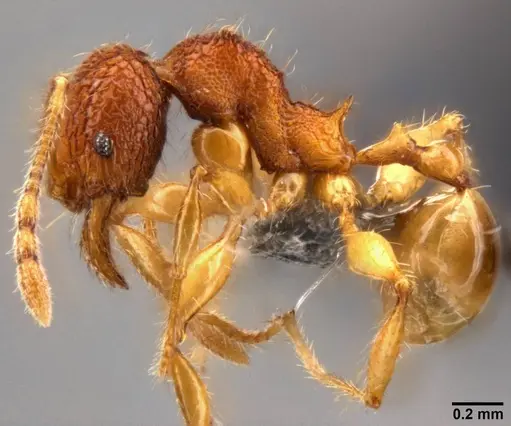
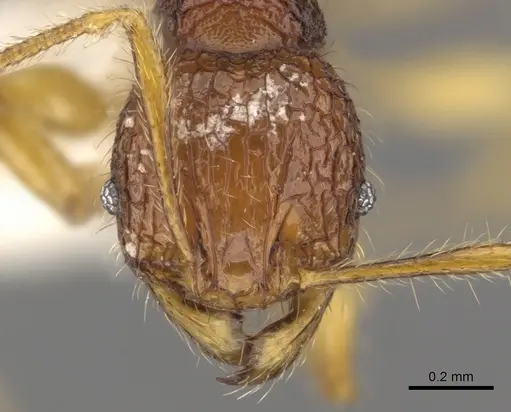
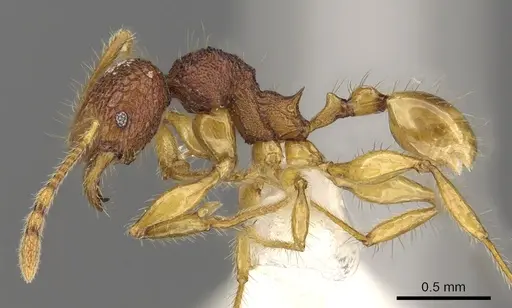
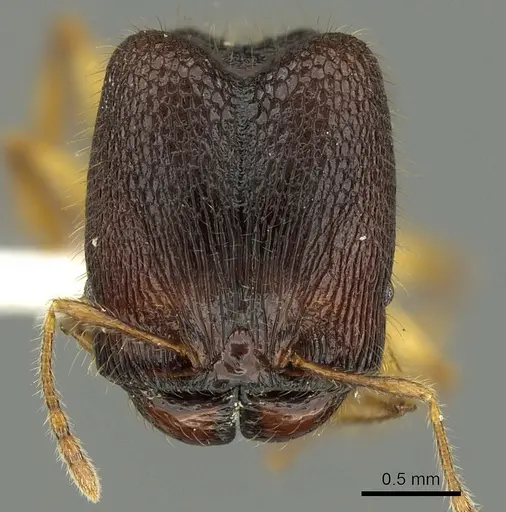
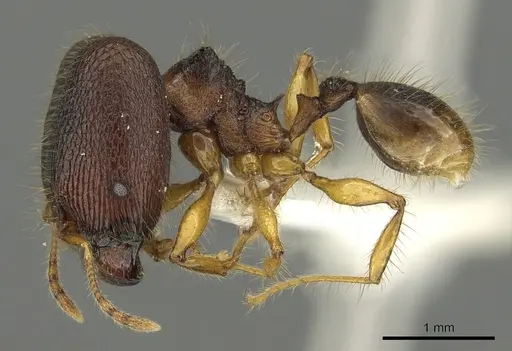
Pheidole angulicollis is a small ant species native to Borneo, Indonesia, and Malaysia. The species is easily recognized by its major workers, which have distinctive horns protruding from each side of the promesonotal dome, a unique feature among Indo-Chinese and Indo-Malayan Pheidole species. Majors measure 2.6-3.6mm while the smaller minor workers reach 1.3-2.4mm. The body is reddish-brown with a darker head on the majors. This species inhabits well-developed lowland and hill forests, nesting in soil under stones at elevations around 1000 meters [1].
The colony structure consists of a single queen along with major and minor workers, typical of Pheidole species which maintain distinct worker castes. The majors serve as specialized workers for seed processing and defense, while minors handle most foraging and brood care. This species was formally described by Eguchi in 2001 based on specimens collected from Borneo [1].
Quick Summary
- Difficulty: Medium
- Origin & Habitat: Borneo, Indonesia, and Malaysia, well-developed forests in lowlands and hill areas, typically nesting in soil under stones at elevations around 1000m [1]
- Colony Type: Single-queen colonies (monogyne) with major and minor worker castes [1]
- Colony: Monogyne
- Founding: Claustral
- Size & Growth:
- Queen: Not directly measured, estimated 5-7mm based on genus patterns
- Worker: Major: 2.6-3.6mm, Minor: 1.3-2.4mm [1]
- Colony: Unknown, likely several hundred workers based on typical Pheidole colony sizes
- Growth: Moderate, estimated based on tropical Pheidole patterns
- Development: 4-8 weeks, estimated from typical tropical Pheidole development (Development time is typical for tropical forest ant species)
- Antkeeping:
- Temperature: Keep around 24-28°C, this matches their tropical forest habitat in Borneo. A gentle gradient allowing them to move between warmer and cooler areas is ideal
- Humidity: High humidity around 70-80%, forest floor conditions with moist substrate. Keep the nest substrate consistently damp but not waterlogged
- Diapause: Unknown, as a tropical species from Borneo, they likely do not require hibernation, but seasonal activity changes may occur
- Nesting: In nature they nest in soil under stones. In captivity, a naturalistic setup with soil or a Y-tong/plaster nest works well. They prefer tight chambers scaled to their small size. Provide some cover and darkness to mimic their natural soil-nesting environment [1]
- Behavior: Pheidole angulicollis is a docile species that is not aggressive toward keepers. As typical Pheidole, they are active foragers that search for seeds, small insects, and honeydew. The major workers have functional stingers but rarely use them on humans due to their small size. They may show minor defensive behavior when the nest is disturbed. Escape risk is moderate, their small size means you should use tight-fitting lids and fine mesh barriers
- Common Issues: high humidity needs mean mold can develop if ventilation is poor, ensure adequate airflow, small size makes escape prevention important, use fine mesh and tight-fitting lids, wild-caught colonies may harbor parasites that can cause colony failure in captivity, slow initial growth during founding phase can lead to overfeeding by impatient keepers, tropical species may struggle if temperatures drop below 22°C for extended periods
Nest Preferences and Housing
Pheidole angulicollis naturally nests in soil under stones in Bornean forest habitats. In captivity, you can replicate this with a naturalistic setup using a soil-filled container with flat stones on top for cover. Alternatively, a Y-tong (acrylic) nest or plaster nest with small chambers works well for this species. The key is providing appropriately sized chambers, these are small ants, so tight passages and small chambers help them feel secure. Avoid tall, open spaces that would be unnatural for a soil-nesting species. Keep the nest area dark as they prefer darkness for their underground chambers. A test tube setup can work for founding colonies, but you should transfer them to a more spacious formicarium once the colony reaches 20-30 workers. [1]
Feeding and Diet
Like other Pheidole species, Pheidole angulicollis is omnivorous and will accept a variety of foods. Their diet in nature consists of seeds, small insects, and honeydew from aphids and scale insects. In captivity, offer protein sources like small crickets, mealworms, or fruit flies twice weekly. They also readily accept sugar water, honey, or diluted syrup as an energy source. Seeds are an important part of their natural diet, you can offer small seeds like millet or dandelion seeds, which the major workers will process using their large heads. Remove any uneaten food after 24-48 hours to prevent mold growth. A constant sugar source is recommended alongside regular protein offerings.
Temperature and Seasonal Care
As a tropical species from Borneo, Pheidole angulicollis requires warm conditions. Keep the nest area at 24-28°C for optimal brood development. You can achieve this with a heating cable on one side of the nest to create a gentle temperature gradient, place the heating element on top of the nest to avoid evaporating moisture too quickly. Room temperature may be sufficient if your home stays in the mid-70s Fahrenheit (around 24°C). Watch for signs of stress: if workers cluster away from heat sources, temperatures may be too high, if they become sluggish and inactive, it may be too cold. Unlike temperate species, they do not require a winter diapause, but they may show reduced activity during cooler periods.
Behavior and Colony Structure
This species forms colonies with distinct worker castes, majors and minors. The majors are easily recognized by their large heads with distinctive horns on the promesonotal dome, while minors are smaller and more typical in appearance. The division of labor is typical of Pheidole: minors handle most foraging, brood care, and daily tasks, while majors specialize in seed processing and nest defense. Colonies start with a single queen (monogyne) who seals herself in a chamber to lay eggs and raise the first brood. The first workers (nanitics) are typically smaller than normal workers but will grow in size as the colony expands. This species is not aggressive toward keepers and rarely stings, making them manageable even for intermediate antkeepers. [1]
Growth and Development
Colony growth follows typical Pheidole patterns. After the queen lays eggs, expect to see larvae in about 1-2 weeks and pupae shortly after. The first workers (nanitics) typically emerge 4-8 weeks after egg-laying, depending on temperature. The founding phase is the most critical period, the queen needs peace and darkness to raise her first brood successfully. Do not disturb the founding chamber during this time. Once the first workers emerge, the colony enters a growth phase where population increases gradually. Major workers usually appear when the colony reaches a certain size, typically around 50-100 workers. Growth rate is moderate, expect several months to reach a established colony of 100+ workers.
Frequently Asked Questions
How long does it take for Pheidole angulicollis to produce first workers?
Expect first workers (nanitics) to emerge 4-8 weeks after the queen lays eggs, assuming temperatures around 24-28°C. The exact timing depends on temperature and feeding. Be patient during the founding phase, do not disturb the queen's chamber until workers appear.
What do Pheidole angulicollis ants eat?
They are omnivorous. Offer protein like small insects (fruit flies, pinhead crickets, mealworms) twice weekly, and keep a constant sugar source available (honey water, sugar water, or diluted syrup). They also readily accept small seeds. Remove uneaten food after 24-48 hours.
Can I keep multiple Pheidole angulicollis queens together?
No, this species is monogyne, meaning colonies have a single queen. Combining unrelated queens is not recommended and will likely result in fighting. Only keep one queen per colony.
What temperature do Pheidole angulicollis need?
Keep them warm at 24-28°C. This matches their tropical forest habitat in Borneo. A heating cable on one side of the nest can create a suitable gradient. Avoid temperatures below 22°C for extended periods.
Are Pheidole angulicollis good for beginners?
They are rated as medium difficulty. While not aggressive, they have specific humidity and temperature needs as a tropical species. Beginners should have some experience with antkeeping basics before attempting this species.
When should I move Pheidole angulicollis to a formicarium?
Keep founding colonies in a test tube setup until they reach 20-30 workers. Once the colony is established and growing, you can transfer them to a more naturalistic setup or Y-tong nest with appropriately sized chambers.
Do Pheidole angulicollis need hibernation?
No, as a tropical species from Borneo, they do not require hibernation. They may show reduced activity during cooler periods, but a diapause is not necessary for their health.
How big do Pheidole angulicollis colonies get?
Colony size is not precisely documented, but based on typical Pheidole patterns, they likely reach several hundred workers over time. The presence of major workers indicates a mature colony.
Why are my Pheidole angulicollis dying?
Common causes include: temperatures below 22°C, improper humidity (too dry or waterlogged), disturbance during the founding phase, or parasites from wild-caught colonies. Ensure stable warm conditions, adequate but not excessive moisture, and avoid disturbing the queen until workers emerge.
References

This caresheet is licensed under CC BY-SA 4.0 .
CASENT0281626
View on AntWeb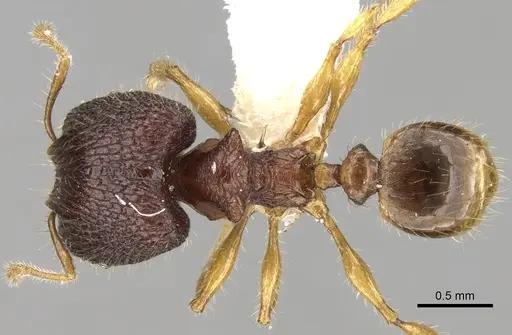
CASENT0282600
View on AntWeb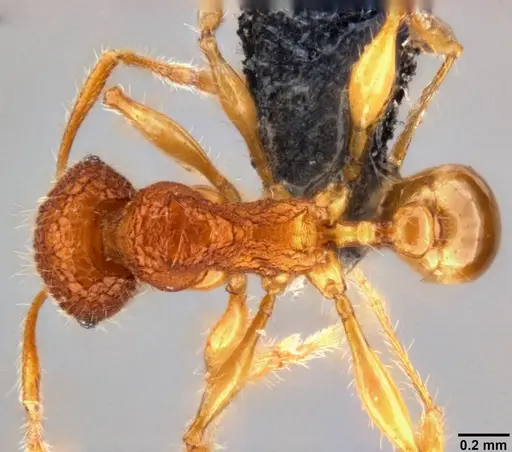
CASENT0901622
View on AntWeb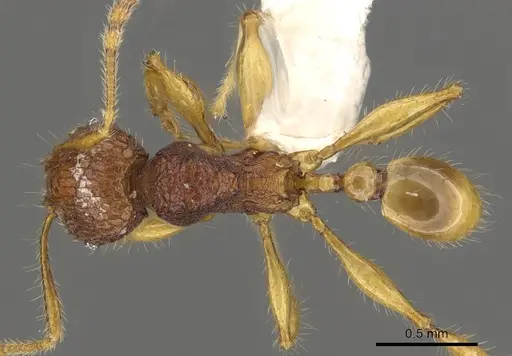
CASENT0901623
View on AntWeb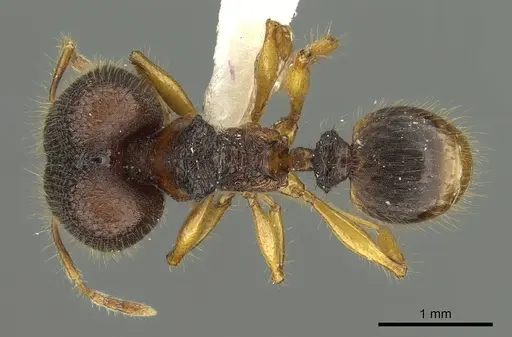
Literature
Loading...Loading products...