

Pheidole ambigua
- Scientific Name
- Pheidole ambigua
- Tribe
- Attini
- Subfamily
- Myrmicinae
- Author
- Wilson, 2003
- Distribution
- Found in 1 countries
Pheidole ambigua Overview
Pheidole ambigua is an ant species of the genus Pheidole. It is primarily documented in 1 countries , including Brazil. Detailed taxonomic data and occurrence records can be further explored via authoritative databases such as AntWeb or the Global Biodiversity Information Facility (GBIF).
Pheidole ambigua
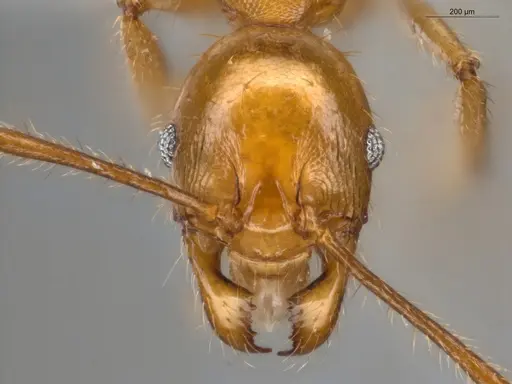
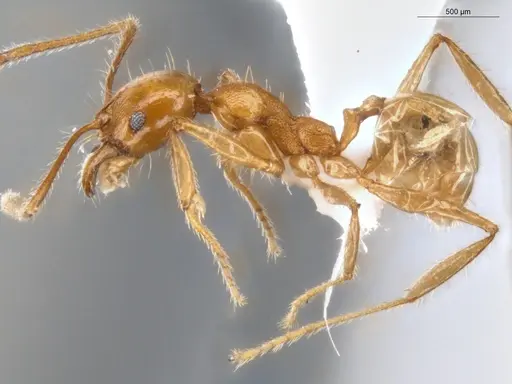
Pheidole ambigua is a medium-sized ant species belonging to the tristis group, native to the Neotropical region of Brazil. Major workers measure approximately 1.54mm in head width and display a distinctive light reddish-yellow coloration, while minor workers are smaller at around 0.56mm head width with a light yellowish-brown body and yellow appendages. This species is known only from its type locality in the Caraguatatuba Forest Reserve in São Paulo State, making it one of the least studied Pheidole species in existence. The genus Pheidole is characterized by having two distinct worker castes, small minor workers that handle most tasks and large major workers with oversized heads specialized for seed-processing and colony defense. Nothing is known about the specific biology, colony structure, or captive care requirements of P. ambigua, so keepers must rely on general Pheidole husbandry practices.
Quick Summary
- Difficulty: Unknown
- Origin & Habitat: Known only from the Caraguatatuba Forest Reserve in São Paulo State, Brazil, a Neotropical forest habitat. Also recorded from Paraná State in forest habitats [1].
- Colony Type: Unconfirmed, colony structure has not been documented for this species. Most Pheidole species form single-queen colonies, but this is unconfirmed for P. ambigua.
- Size & Growth:
- Queen: Unknown, not described in original species description
- Worker: Major workers: 1.54mm HW. Minor workers: 3.60 ± 0.30mm body length [2].
- Colony: Unknown, no colony size data exists for this species
- Growth: Unknown
- Development: Unknown, no development data exists for this species (Based on typical Pheidole patterns, expect 6-10 weeks from egg to first worker at warm temperatures, but this is a rough estimate only)
- Antkeeping:
- Temperature: Unconfirmed, start around 24-28°C as a baseline and observe colony activity. Neotropical origin suggests warmth tolerance, but specific requirements are unknown.
- Humidity: Unconfirmed, forest habitat suggests preference for moderate to high humidity. Keep nest substrate moist but not waterlogged.
- Diapause: Unknown, Neotropical species may not require true hibernation, but may have reduced activity during cooler seasons.
- Nesting: No specific nesting data exists. Based on general Pheidole behavior, they prefer soil-based nests and will excavate chambers. A naturalistic setup with soil or a Y-tong/plaster nest works well for Pheidole species.
- Behavior: Undocumented for this specific species. Based on general Pheidole behavior, minor workers handle foraging, brood care, and nest maintenance, while major workers specialize in seed processing and colony defense. Major workers are rarely observed outside the nest [2]. Escape risk is moderate, minor workers are small (around 3.6mm) but standard ant-keeping barriers should suffice.
- Common Issues: no species-specific biology exists, keepers are essentially pioneering captive husbandry, growth and development timelines are completely unknown, colony founding success rate is unestablished, start with multiple queens if possible to improve chances, humidity and temperature requirements are guesses based on related species, wild-caught colonies may have parasites or diseases unknown to science
Species Background and Discovery
Pheidole ambigua was described by E.O. Wilson in 2003 based on specimens collected from the Caraguatatuba Forest Reserve in São Paulo State, Brazil. The species name 'ambigua' means 'uncertain' or 'doubtful', reflecting the taxonomic uncertainty surrounding its identification within the tristis group. The type material was collected by William L. and Doris E. Brown. Beyond the original description, virtually no biological research has been conducted on this species, making it one of the least known ants in the hobby. It has also been recorded from Paraná State in southern Brazil, suggesting a broader distribution than initially thought [1].
Identification and Morphology
Pheidole ambigua is a medium-sized species belonging to the tristis group, which includes several similar-looking species across South America. Major workers have a head width of approximately 1.54mm with the anterior two-thirds of the head dorsum showing carinulae (ridge-like sculpturing), while the remainder is smooth and shiny. The body is light reddish-yellow in color. Minor workers are considerably smaller at around 3.6mm body length with a light yellowish-brown body and yellow appendages. The most distinctive feature separating this species from similar taxa is the combination of a diamond-shaped postpetiole in majors and reduced propodeal spines (reduced to small teeth) in minors. [2]
General Pheidole Husbandry
Since no specific care information exists for P. ambigua, keepers must rely on general Pheidole husbandry practices. Pheidole ants are typically granivorous and opportunistic omnivores, readily accepting seeds, protein foods, and sugar sources. They are claustral founders, queens seal themselves in a chamber and survive on stored fat reserves until their first workers (nanitics) emerge. Colonies should be started in test tubes with water reservoirs, providing a dark, humid environment for the founding queen. Once colonies reach 20-30 workers, they can be moved to a proper formicarium. Pheidole colonies can grow quite large in captivity when properly maintained, though the maximum size for P. ambigua is completely unknown.
Housing and Nest Setup
For founding colonies, use a standard test tube setup with a water reservoir plugged with cotton. The queen will seal herself in and requires no food during the claustral founding phase. Once workers emerge, provide a small outworld for foraging. For established colonies, a naturalistic setup with soil or a Y-tong (acrylic) nest works well. Pheidole species prefer to excavate their own chambers in soil, so a naturalistic setup often yields better results than pre-made acrylic nests. Ensure the nest area remains humid but not saturated, Pheidole generally prefer moderate moisture levels. Escape prevention should be moderate since minor workers are small but not among the tiniest ants.
Feeding Guidelines
While the specific diet of P. ambigua is unknown, most Pheidole species are opportunistic omnivores. Offer a varied diet including: protein sources (small insects like fruit flies, mealworms, or crickets), seeds (grass seeds or commercial ant seeds), and sugar sources (honey water or sugar water). Pheidole majors have specialized large heads for seed processing, so offering seeds is particularly appropriate. Feed protein 2-3 times per week and maintain a constant sugar source. Remove uneaten food after 24-48 hours to prevent mold. Start with small quantities and observe what the colony accepts.
Temperature and Seasonal Care
The specific temperature requirements for P. ambigua are unconfirmed. As a Neotropical species from Brazil, it likely prefers warmer conditions in the range of 24-28°C. Start within this range and observe colony behavior, if workers are sluggish, increase temperature slightly, if they avoid the heated area, reduce it. Provide a temperature gradient so ants can self-regulate. Regarding diapause or hibernation, no data exists for this species. Neotropical ants often show reduced activity during cooler months rather than true hibernation. Consider providing a cool period (around 18-20°C) during winter months but monitor for signs of stress.
Frequently Asked Questions
How do I care for Pheidole ambigua ants?
No specific care information exists for this species since it has never been studied in captivity. Start with general Pheidole husbandry: claustral founding in test tubes, temperatures around 24-28°C, moderate humidity, and a diet of protein, seeds, and sugar. You will essentially be pioneering the captive care of this species.
What do Pheidole ambigua eat?
The specific diet is unknown. Based on typical Pheidole behavior, offer small insects (fruit flies, mealworms), seeds, and sugar water. Major workers are specialized for seed processing, so seeds should be accepted.
How long does it take for Pheidole ambigma to develop from egg to worker?
This is completely unknown, no development data exists for this species. Based on typical Pheidole patterns, expect 6-10 weeks at warm temperatures, but this is a rough estimate only.
How big do Pheidole ambigua colonies get?
Unknown, no colony size data exists for this species. Most Pheidole colonies can reach several thousand workers in captivity with proper care.
What temperature should I keep Pheidole ambigua at?
Unconfirmed, start around 24-28°C as a baseline and observe colony activity. Neotropical origin suggests warmth tolerance, but specific requirements are unknown.
Can I keep multiple Pheidole ambigua queens together?
Unknown, colony structure has not been documented for this species. Most Pheidole are monogyne (single queen), but some species can be polygynous. Do not combine unrelated foundress queens without supervision.
Is Pheidole ambigua a good species for beginners?
Difficulty level is unknown since no captive husbandry information exists. This species is not recommended for beginners due to the complete lack of species-specific care data, you would be essentially pioneering all aspects of its care.
Do Pheidole ambigua need hibernation?
Unknown, no seasonal data exists. Neotropical species typically do not require true hibernation but may have reduced activity during cooler months.
Where is Pheidole ambigua found?
Only known from the Caraguatatuba Forest Reserve in São Paulo State, Brazil. Also recorded from Paraná State in southern Brazil.
References

This caresheet is licensed under CC BY-SA 4.0 .
ECOFOG-PA14-0070-02
View on AntWeb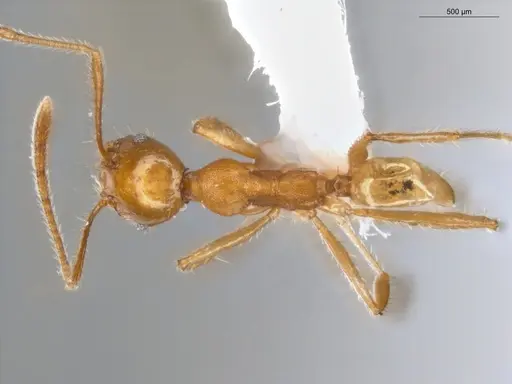
Literature
Loading...Loading products...