

Pheidole amber
- Scientific Name
- Pheidole amber
- Tribe
- Attini
- Subfamily
- Myrmicinae
- Author
- Donisthorpe, 1941
- Distribution
- Found in 1 countries
Pheidole amber Overview
Pheidole amber is an ant species of the genus Pheidole. It is primarily documented in 1 countries , including Papua New Guinea. Detailed taxonomic data and occurrence records can be further explored via authoritative databases such as AntWeb or the Global Biodiversity Information Facility (GBIF).
Pheidole amber
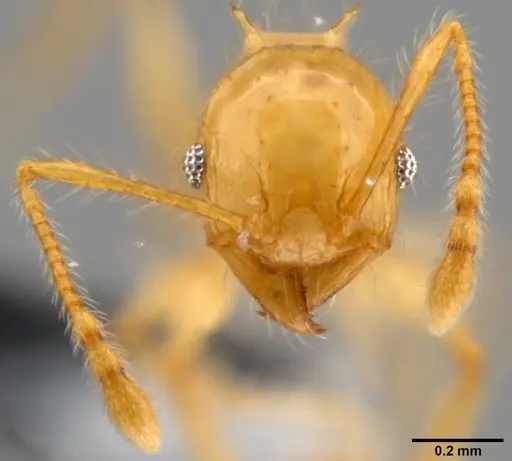
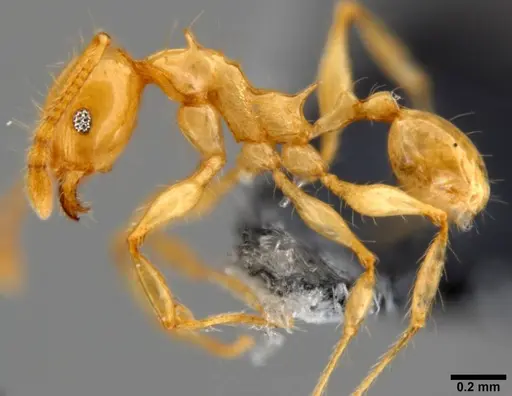
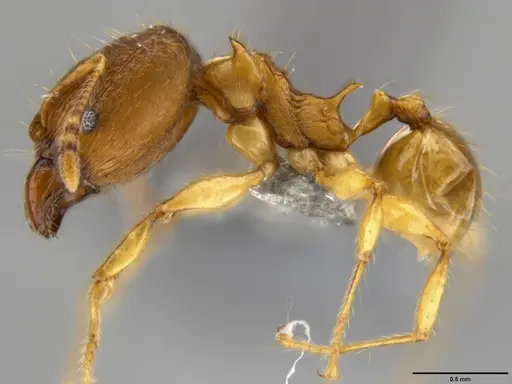
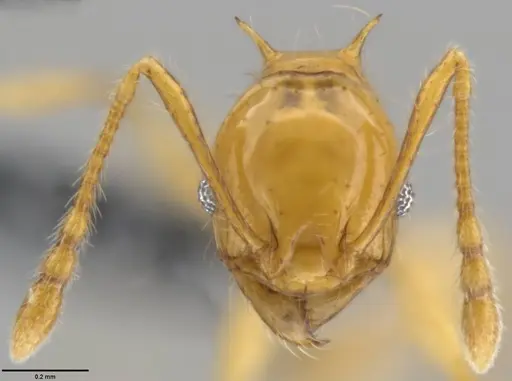
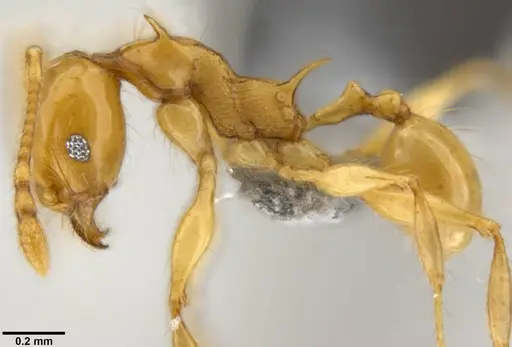
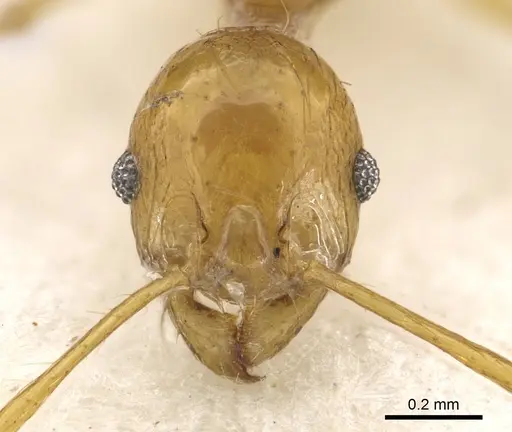
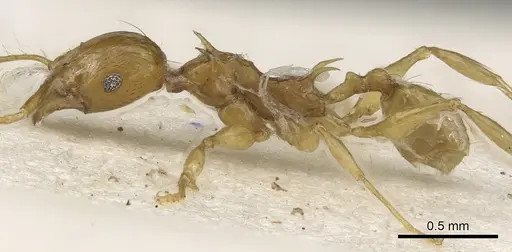
Pheidole amber is a small to medium-sized ant species native to New Guinea, belonging to the subgenus Pheidolacanthinus. Workers are dimorphic, with major workers (soldiers) having notably enlarged heads used for seed processing and colony defense, while minor workers handle most foraging and brood care. This species was described by Donisthorpe in 1941 and is found exclusively in the Australasian region, particularly in lowland areas of New Guinea. The species shows a strong preference for lowland tropical habitats, with nest abundance declining sharply at higher elevations, one study found 45 nests at 200m elevation but zero nests at 900m or higher [1]. This makes it a lowland specialist, unlike some related species that thrive in montane environments.
Quick Summary
- Difficulty: Medium
- Origin & Habitat: New Guinea, lowland tropical rainforest areas, primarily below 500m elevation [1]. They nest in forest understory and potentially in arboreal microhabitats.
- Colony Type: Likely monogyne (single queen colony) based on typical Pheidole genus patterns. Multiple major workers serve as soldiers for colony defense.
- Colony: Monogyne
- Founding: Claustral
- Size & Growth:
- Queen: Estimated 5-7mm based on genus patterns
- Worker: Minor workers: 2-3mm, Major workers: 3-4mm based on typical Pheidole dimorphism
- Colony: Estimated 500-2000 workers based on related species
- Growth: Moderate, typical for Pheidole species
- Development: Estimated 6-8 weeks based on genus-level data for tropical Pheidole species (Development time is temperature-dependent, warmer conditions within their tropical range may accelerate development)
- Antkeeping:
- Temperature: Keep at 24-28°C, they are a lowland tropical species that thrives in warm, stable conditions. A heating cable on one side of the nest can create the gradient they prefer [1].
- Humidity: High humidity required, aim for 70-80% relative humidity. Keep the nest substrate consistently moist but not waterlogged. Their natural habitat is tropical rainforest understory with high ambient moisture [1].
- Diapause: No, as a tropical species from lowland New Guinea, they do not require hibernation. Maintain warm conditions year-round.
- Nesting: They prefer humid nest conditions. Test tube setups work well for founding colonies. For established colonies, Y-tong or plaster nests with good moisture retention are suitable. Avoid dry setups, these ants need consistent access to water and humid conditions.
- Behavior: Pheidole amber is a dimorphic species with distinct major and minor workers. Majors have enlarged heads for seed crushing and colony defense. They are generalist foragers, collecting seeds and small insects. Minor workers handle most daily tasks while majors focus on seed processing and defense. They are not particularly aggressive toward keepers but will defend vigorously if their nest is threatened. Escape risk is moderate, use standard barrier methods but they are not known escape artists like some tiny Camponotus species.
- Common Issues: high humidity maintenance is critical, dry conditions can cause colony collapse, lowland tropical species may struggle in air-conditioned rooms or cool climates, major workers can appear alarming to beginners but are normal and not a sign of aggression, seed-feeding requires offering appropriate grain sizes, too large seeds may be ignored, colonies may be slow to establish initially, patience is needed during founding phase
Housing and Nest Setup
For founding colonies, a simple test tube setup works well. Fill the tube with water reservoir and plug with cotton, then place the queen in the tube. The queen will seal herself into a chamber and begin laying eggs. For established colonies with 50+ workers, transfer to a proper nest. Y-tong (acrylic) nests or plaster nests with good humidity retention are ideal. These ants need consistent moisture, so avoid setups that dry out quickly. A water tower or moisture chamber connected to the nest helps maintain humidity. Keep the nest in a warm, stable location away from direct sunlight and air conditioning vents. [1]
Feeding and Diet
Pheidole amber is a granivorous species, meaning they collect and process seeds as their primary food source. Offer a variety of small seeds, millet, chia, flax, and cracked grain work well. Major workers have specialized large heads designed for seed crushing, so they will process seeds for the colony. In addition to seeds, offer small protein sources like fruit flies, small crickets, or mealworm pieces. Sugar water or honey can be offered occasionally, though seeds are their primary diet. Remove uneaten seeds and protein to prevent mold. Feed seeds constantly available and protein 2-3 times per week.
Temperature and Heating
This is a lowland tropical species requiring warm conditions year-round. Maintain temperatures between 24-28°C (75-82°F). They are adapted to the warm, stable conditions of lowland New Guinea rainforests and do not tolerate cool temperatures well. Use a heating cable or small heat mat on one side of the nest to create a gentle temperature gradient. Place the heat source on top of the nest rather than underneath to avoid drying out the substrate. Room temperature may be sufficient in warm climates, but most keepers need supplemental heating. Avoid temperatures below 22°C as this can slow colony growth and activity. [1]
Humidity Management
High humidity is essential for this species. Target 70-80% relative humidity in the nest area. The test tube or nest substrate should feel consistently moist but never waterlogged. In dry environments, mist the area around the nest (not directly on the ants) or use a moisture chamber. Check water reservoirs in test tubes weekly and refill as needed. Dry conditions are one of the most common causes of colony failure in this species. If you see workers clustering at the water source or the cotton, humidity is too low. A hygrometer near the nest helps monitor conditions accurately. [1]
Colony Structure and Castes
Pheidole amber exhibits dimorphism, the colony contains two distinct worker castes. Minor workers are smaller (2-3mm) and handle most tasks including foraging, brood care, and nest maintenance. Major workers (sometimes called soldiers) have significantly enlarged heads (3-4mm) and specialized jaw muscles for seed crushing. The ratio of majors to minors varies by colony age and size, typically ranging from 1:4 to 1:10. Majors primarily process seeds and defend the nest rather than forage. This dimorphism is a key characteristic of the genus Pheidole and makes them fascinating to observe as the castes interact and divide labor.
Frequently Asked Questions
How long does it take for Pheidole amber to raise their first workers?
Expect first workers (nanitics) to emerge in 6-8 weeks under optimal conditions (24-28°C). The claustral queen will seal herself in the test tube chamber and tend to her eggs alone until the first workers hatch. Growth is temperature-dependent, cooler conditions will slow development significantly.
What do Pheidole amber ants eat?
They are primarily granivorous, they collect and eat seeds. Offer small seeds like millet, chia, or cracked grains. They also accept small insects like fruit flies or mealworm pieces for protein. Major workers have enlarged heads specifically for crushing seeds. Remove uneaten food promptly to prevent mold.
Do Pheidole amber ants need hibernation?
No, they do not hibernate. As a lowland tropical species from New Guinea, they require warm conditions year-round. Maintain temperatures between 24-28°C throughout the year. Hibernation at cool temperatures can be fatal for this species.
How big do Pheidole amber colonies get?
Based on related species, colonies likely reach 500-2000 workers. The presence of major workers (soldiers) with enlarged heads indicates a well-developed caste system typical of larger, established Pheidole colonies. Growth is moderate, expect several years to reach maximum size.
Can I keep multiple Pheidole amber queens together?
This species is likely monogyne (single queen). Unlike some Pheidole species that can form multi-queen colonies, P. amber typically has one queen per colony. Do not attempt to combine unrelated queens as fighting will likely result. Only keep one queen per setup.
What temperature is best for Pheidole amber?
Keep them warm at 24-28°C (75-82°F). They are a lowland tropical species adapted to the warm, stable conditions of New Guinea lowland rainforests. Use a heating cable or heat mat on one side of the nest to maintain these temperatures. Avoid temperatures below 22°C.
Are Pheidole amber ants good for beginners?
They are rated as medium difficulty. While not the easiest species, they are manageable for keepers who can maintain warm, humid conditions consistently. The main challenges are humidity maintenance and providing appropriate seed-based nutrition. Their interesting dimorphic caste system makes them rewarding to watch.
When should I move Pheidole amber to a formicarium?
Wait until the colony has at least 30-50 workers before moving to a formicarium. The founding phase in a test tube should last until the first workers emerge and the colony grows. Once the test tube becomes crowded or the queen is in the open area frequently, transfer to a proper nest. Y-tong or plaster nests work well for this species.
Why is my Pheidole amber colony declining?
The most common causes are low humidity, temperatures below 22°C, or poor nutrition. Check that the nest substrate is consistently moist and temperatures are in the 24-28°C range. Ensure seeds are always available and protein is offered regularly. Also check for escapees, while not excellent escape artists, they can still find small gaps. If the queen has died, the colony will naturally decline.
References

This caresheet is licensed under CC BY-SA 4.0 .
CASENT0199237
View on AntWeb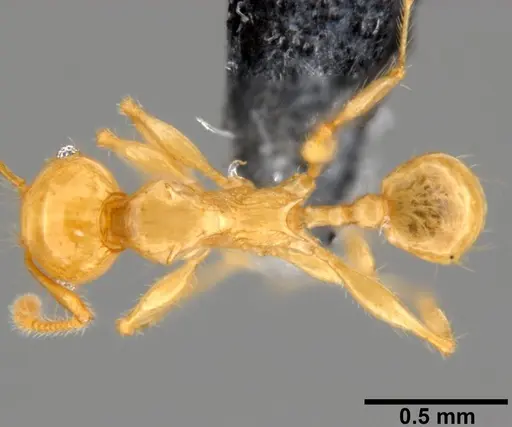
CASENT0199238
View on AntWeb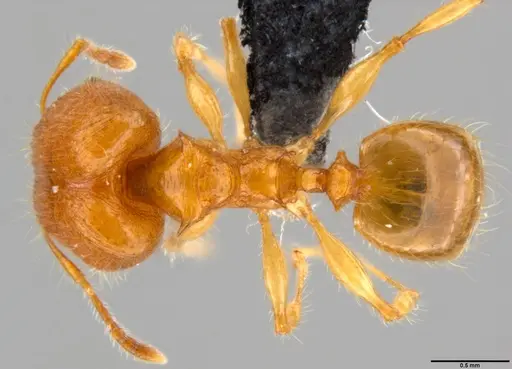
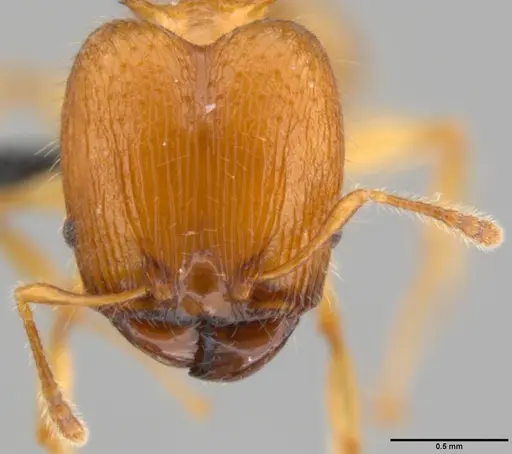
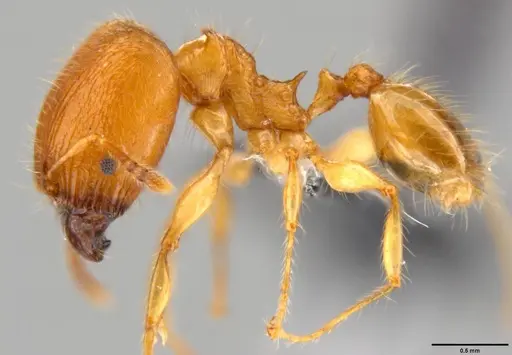
CASENT0219457
View on AntWeb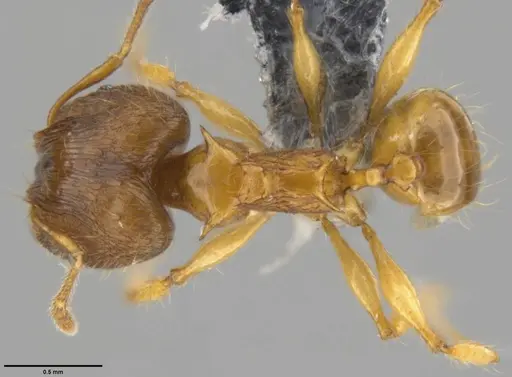
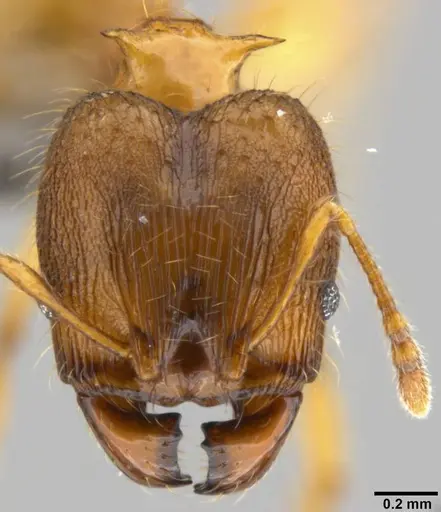
CASENT0282296
View on AntWeb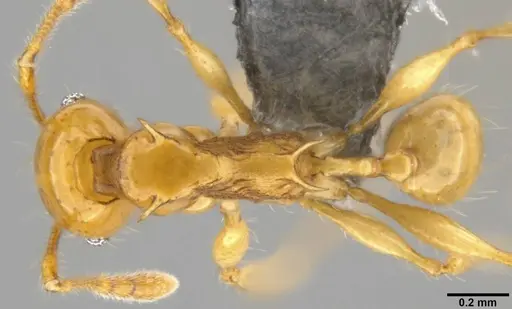
CASENT0901330
View on AntWeb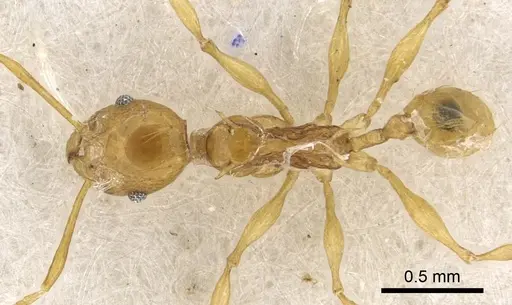
Literature
Loading...Loading products...