

Pheidole alina
- Scientific Name
- Pheidole alina
- Tribe
- Attini
- Subfamily
- Myrmicinae
- Author
- Salata & Fisher, 2020
- Distribution
- Found in 1 countries
Pheidole alina Overview
Pheidole alina is an ant species of the genus Pheidole. It is primarily documented in 1 countries , including Madagascar. Detailed taxonomic data and occurrence records can be further explored via authoritative databases such as AntWeb or the Global Biodiversity Information Facility (GBIF).
Pheidole alina
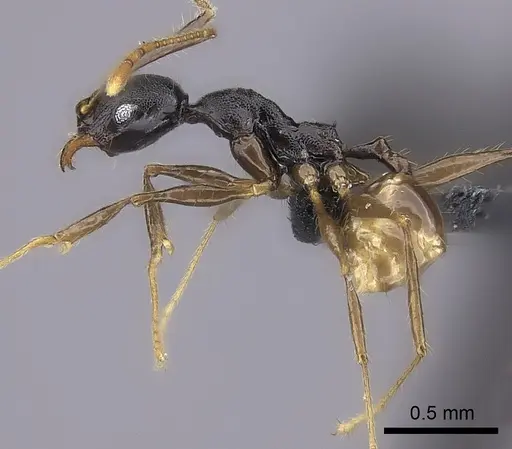
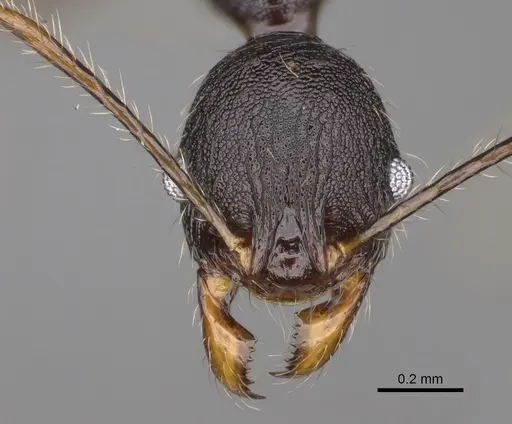
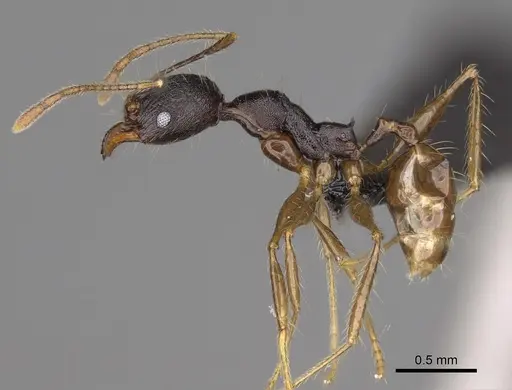
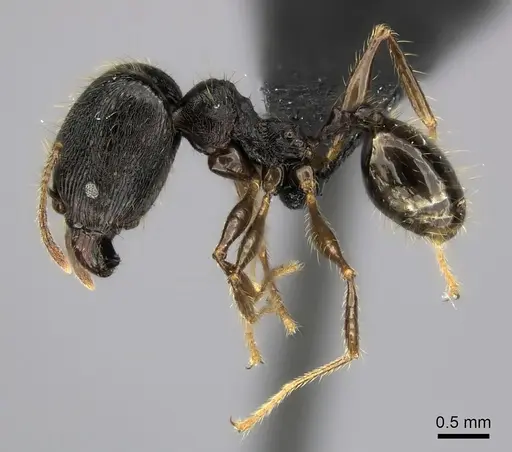
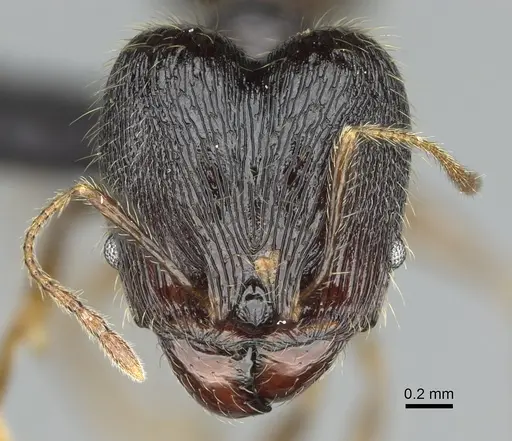
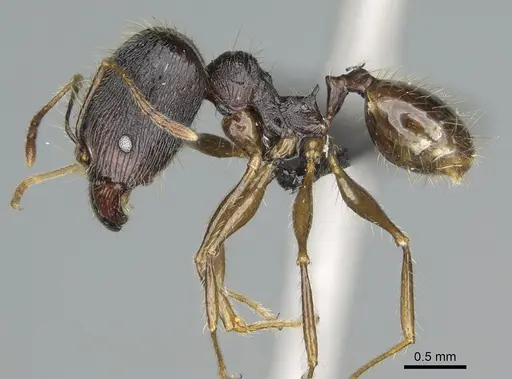
Pheidole alina is a moderately large ant species from northern Madagascar, recently described in 2020. Major workers measure 1.3-1.79mm with a distinctive black body, while minor workers are smaller at 0.65-0.85mm and range from black to dark brown. The species gets its name from the Malagasy word for 'night' due to its dark coloration. It belongs to the Pheidole sikorae species group and is found only in the northernmost parts of Madagascar, particularly in Antsiranana prefecture. These ants nest in montane rainforest and montane shrubland at elevations between 1270-2000m, typically in rotten logs, under moss, or in twigs [1].
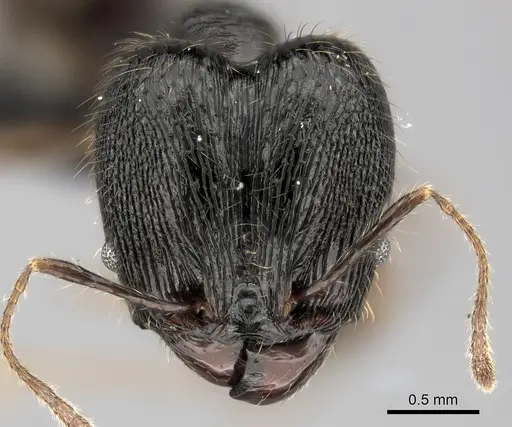
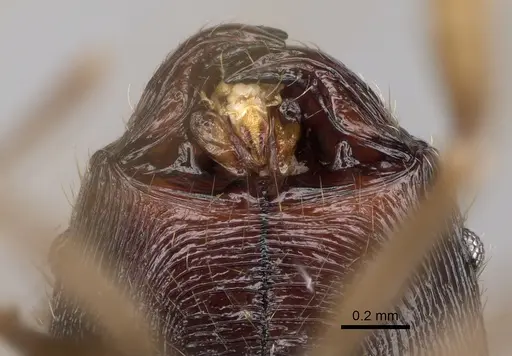
This species is part of a unique group of three dark-bodied Pheidole that are sympatric in northern Madagascar. The major workers have distinctive features including thick longitudinal rugae on the head and bulge-like inner hypostomal teeth. They differ from their relatives P. trichotos and P. mainty in subtle morphological details. In captivity, they will likely show typical Pheidole behaviors including seed harvesting and colony fragmentation through budding [1].
Quick Summary
- Difficulty: Medium
- Origin & Habitat: Northern Madagascar (Antsiranana prefecture), specifically Parc National de Marojejy. Found in montane rainforest and montane shrubland at 1270-2000m elevation. Nests are located in rotten logs, under moss above and on the ground, and in Melastomataceae twigs [1].
- Colony Type: Colony structure is unconfirmed. Pheidole species are typically single-queen (monogyne) colonies, though some species in the genus can be polygynous. No specific data exists for P. alina.
- Size & Growth:
- Queen: Undescribed in original description, major workers are 1.3-1.79mm [1]
- Worker: Major: 1.3-1.79mm, Minor: 0.65-0.85mm [1]
- Colony: Not documented, likely hundreds to low thousands based on typical Pheidole patterns
- Growth: Moderate, estimated based on related species
- Development: Estimated 6-10 weeks based on typical Pheidole development at optimal temperature (Development time is inferred from genus-level data since species-specific timing has not been documented. Expect faster development in warmer conditions (24-28°C) and slower in cooler conditions.)
- Antkeeping:
- Temperature: Keep at 20-24°C. This species comes from high-elevation montane habitats in Madagascar, so it prefers cooler conditions than typical tropical ants. A gentle temperature gradient allows workers to self-regulate. Room temperature in most homes (20-22°C) should work well [1].
- Humidity: High humidity required, aim for 70-80%. Their natural habitat is montane rainforest with frequent mist and moisture. Keep the nest substrate consistently moist but not waterlogged. Provide a water tube as a drinking source and for humidity maintenance.
- Diapause: Diapause requirements are unconfirmed for this species. However, since they come from high elevations in Madagascar, they may experience cooler seasonal temperatures. Consider providing a cooler period (15-18°C) for 2-3 months during winter months, mimicking natural seasonal shifts.
- Nesting: Natural nesting sites include rotten logs, moss, and twigs. In captivity, they do well in naturalistic setups with moist substrate (soil/peat mix), or in acrylic/plaster nests that retain humidity well. Y-tong nests also work if kept adequately moist. Provide materials they can tunnel through and access to moisture.
- Behavior: Pheidole alina is likely to show typical Pheidole behavior, active foragers that harvest seeds and scavenge for protein. Major workers serve as defenders and seed processors, while minor workers handle most foraging and nursing duties. They are likely to be moderately aggressive when defending the colony but not particularly dangerous to keepers. Escape prevention is critical because minor workers are very small (0.5-0.65mm) and can squeeze through tiny gaps. Use fine mesh barriers and tight-fitting lids.
- Common Issues: escape prevention is critical due to their tiny minor workers, they can squeeze through gaps that seem impossible, high humidity requirements can lead to mold problems if ventilation is poor, slow colony growth may cause beginners to overfeed or disturb the colony too often, wild-caught colonies may carry parasites that can decimate the colony in captivity, montane origin means they may not tolerate prolonged heat exposure
Housing and Nest Setup
Pheidole alina does well in naturalistic setups that mimic their natural montane forest habitat. Use a substrate mix that holds moisture well, a combination of soil, peat, and sand works nicely. Keep the substrate consistently moist but never waterlogged. Acrylic nests or Y-tong nests also work if you maintain proper humidity levels. Because minor workers are tiny (0.65-0.85mm), escape prevention must be excellent. Use fine mesh on any ventilation holes and ensure all connections are sealed. Provide a water tube for drinking and humidity maintenance. Include some Dekovaki or similar small foraging spaces where you can place seeds and protein sources. [1]
Feeding and Diet
Pheidole species are typically granivorous and will readily collect seeds. Offer a variety of small seeds appropriate to ant size, millet, chia, and dandelion seeds work well. They also need regular protein: small insects like fruit flies, pinhead crickets, and mealworms are good options. Sugar water or honey can be offered occasionally, though some Pheidole species focus more on seeds than sugar. Feed seeds continuously available and protein 2-3 times per week. Remove uneaten seeds periodically to prevent mold. The major workers will process harder seeds for the colony.
Temperature and Seasonal Care
This species comes from high-elevation montane habitats in Madagascar, so it prefers cooler temperatures than typical tropical ants. Keep the nest area at 20-24°C. A heating cable on one side of the nest can create a gentle gradient, but ensure there's a cool area (around 20°C) where workers can retreat if they overheat. They should not be exposed to temperatures above 28°C for extended periods. During winter, consider providing a cooler period at 15-18°C for 2-3 months, as they may experience seasonal temperature drops in their native habitat. This cool period may help trigger reproductive behavior in established colonies. [1]
Humidity Management
As a montane rainforest species, P. alina requires high humidity, aim for 70-80% relative humidity. Keep the nest substrate consistently moist but not waterlogged. The substrate should feel damp to the touch. A water tube attached to the formicarium helps maintain humidity and provides drinking water. Monitor for condensation on the nest walls, some condensation is good but excessive moisture leads to mold. Good ventilation helps prevent mold while maintaining humidity. If you see mold, reduce moisture slightly and improve air flow. [1]
Colony Development
Pheidole alina is a recently described species (2020), so detailed captive breeding data is limited. Based on typical Pheidole development, expect 6-10 weeks from egg to first worker (nanitic) at optimal temperature. The colony will start slowly, the queen lays few eggs initially, and the first nanitics are small. Growth accelerates once the first batch of workers establishes. Major workers develop as the colony matures, these larger individuals handle seed processing and colony defense. A healthy colony may eventually reach several hundred to a few thousand workers. Be patient during the founding phase, this is when most colonies are lost to beginner mistakes like overfeeding or excessive disturbance. [1]
Handling and Temperament
Pheidole alina is not particularly aggressive toward keepers but will defend the colony if threatened. Major workers have functional stingers but are unlikely to penetrate human skin effectively. The main concern is their small size, minor workers are only 0.65mm and can escape through incredibly tiny gaps. Always use excellent escape prevention. When observing the colony, do so quietly and avoid vibrations. These ants are more active during cooler parts of the day in captivity, similar to their montane forest behavior. They may reduce activity during the warmest hours.
Frequently Asked Questions
How long does it take for Pheidole alina to have first workers?
Based on typical Pheidole development, expect 6-10 weeks from egg to first nanitic worker at optimal temperature (around 22°C). The exact timing depends on temperature and feeding. Be patient during founding, this is the most vulnerable stage.
What do Pheidole alina ants eat?
They are typical Pheidole, offer small seeds (millet, chia, dandelion) as a staple and protein sources like fruit flies, small crickets, or mealworms 2-3 times per week. Sugar water or honey can be offered occasionally.
Can I keep multiple queens together?
Pheidole colony structure is not documented for this species. Most Pheidole are single-queen colonies. It is not recommended to combine unrelated queens, if you have multiple founding queens, house them separately.
What temperature do Pheidole alina ants need?
Keep them at 20-24°C. They come from high-elevation montane Madagascar, so they prefer cooler conditions than typical tropical ants. Avoid temperatures above 28°C.
Are Pheidole alina good for beginners?
This is a medium-difficulty species. They require high humidity and cool temperatures, which may be challenging for complete beginners. Their tiny size also demands excellent escape prevention. Experienced antkeepers will have more success.
When should I move Pheidole alina to a formicarium?
Keep newly caught or purchased colonies in a test tube setup until they have 50+ workers. Once the colony reaches this size and you see consistent activity, you can move them to a naturalistic setup or formicarium with appropriate humidity control.
Do Pheidole alina need hibernation?
Diapause is unconfirmed for this species. However, since they come from high elevations in Madagascar, providing a cooler period (15-18°C) for 2-3 months during winter may be beneficial for colony health and potentially triggering reproduction.
Why are my Pheidole alina escaping?
Minor workers are extremely small (0.65mm) and can squeeze through gaps that seem impossible. Check all ventilation holes, lid seams, and connection points. Use fine mesh and seal any tiny gaps. Escape prevention must be excellent for this species.
How big do Pheidole alina colonies get?
Colony size is not documented for this species. Based on typical Pheidole patterns, expect several hundred to a few thousand workers at maturity. Major workers develop as the colony grows.
References

This caresheet is licensed under CC BY-SA 4.0 .
CASENT0153229
View on AntWeb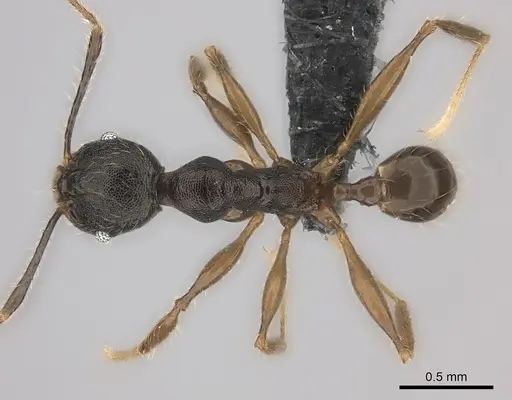
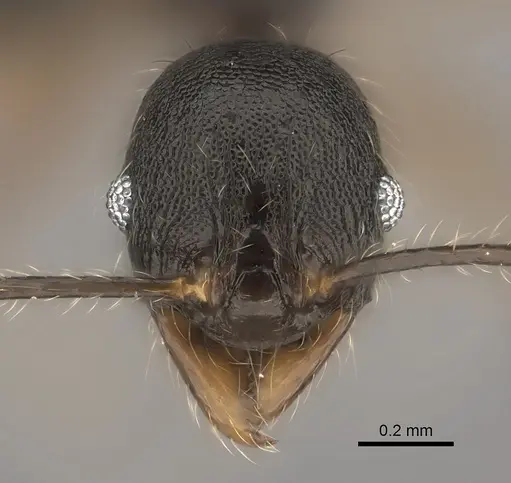
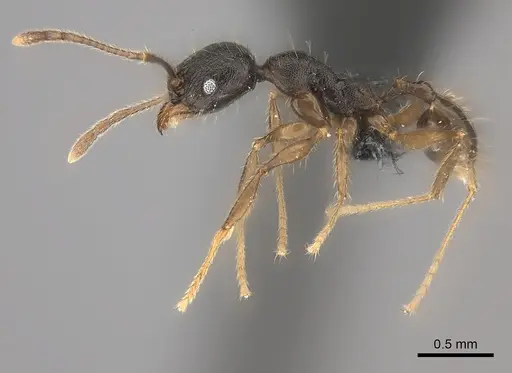
CASENT0235123
View on AntWeb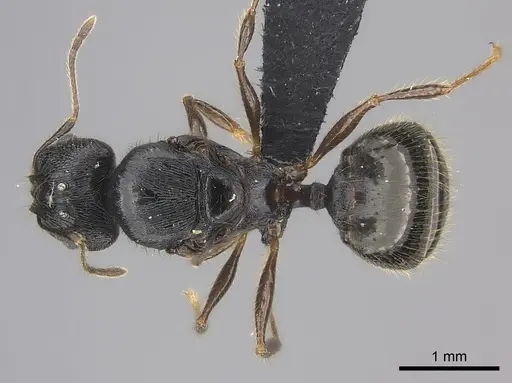
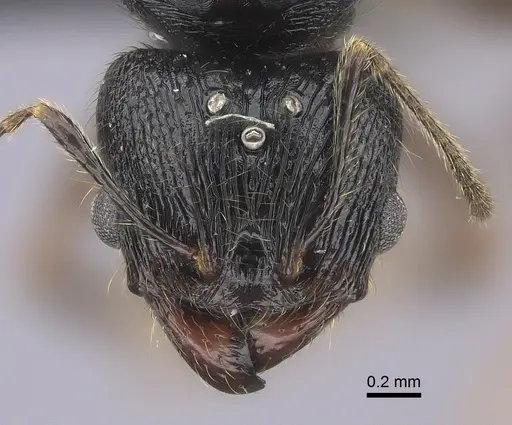
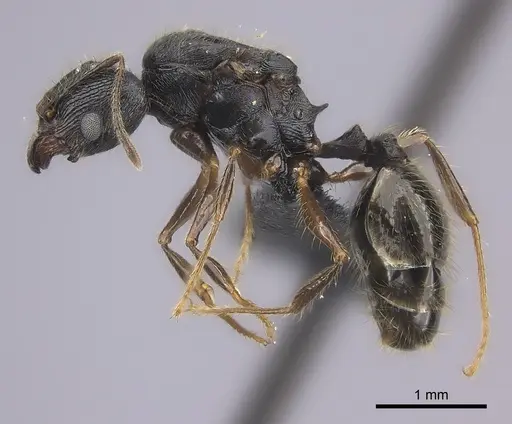
CASENT0487331
View on AntWeb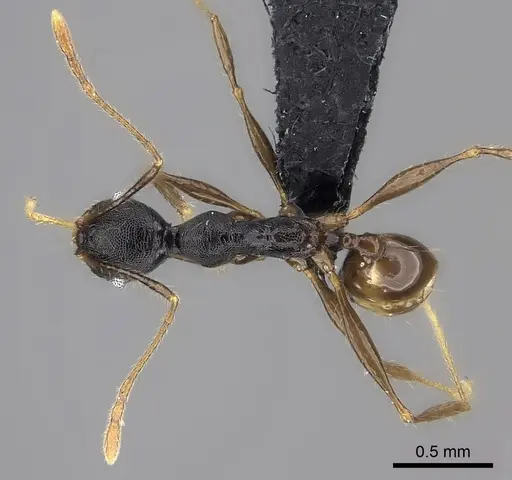
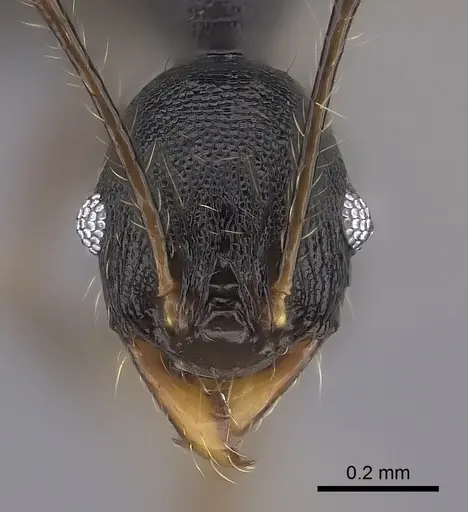
CASENT0487334
View on AntWeb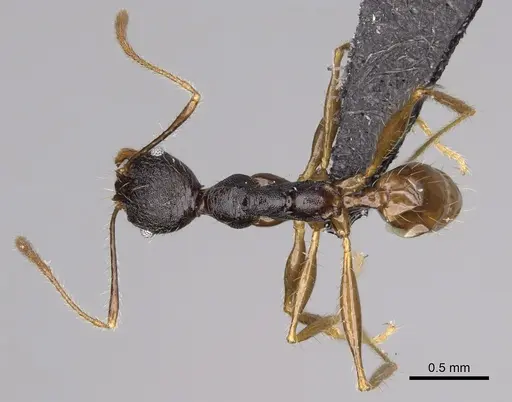
CASENT0487336
View on AntWeb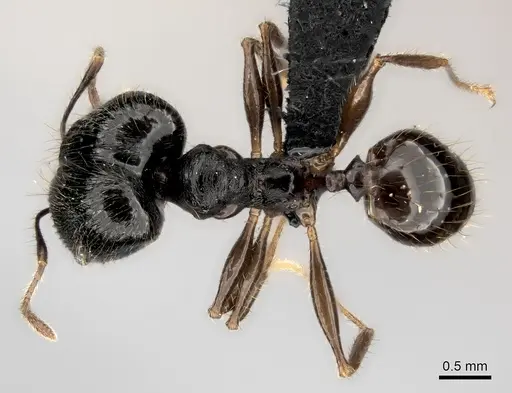
CASENT0923257
View on AntWeb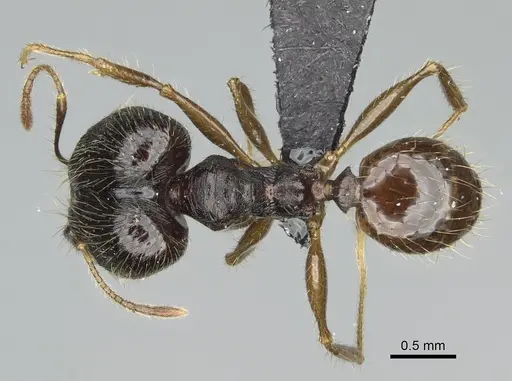
Literature
Loading...Loading products...