

Pheidole albipes
- Scientific Name
- Pheidole albipes
- Tribe
- Attini
- Subfamily
- Myrmicinae
- Author
- Wilson, 2003
- Distribution
- Found in 2 countries
Pheidole albipes Overview
Pheidole albipes is an ant species of the genus Pheidole. It is primarily documented in 2 countries , including Guatemala, Mexico. Detailed taxonomic data and occurrence records can be further explored via authoritative databases such as AntWeb or the Global Biodiversity Information Facility (GBIF).
Pheidole albipes
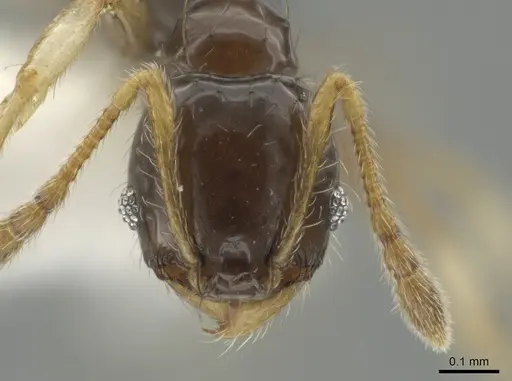
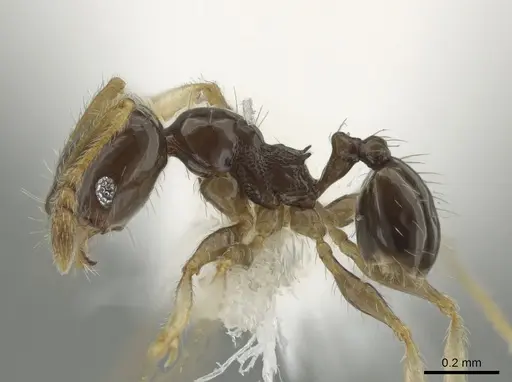
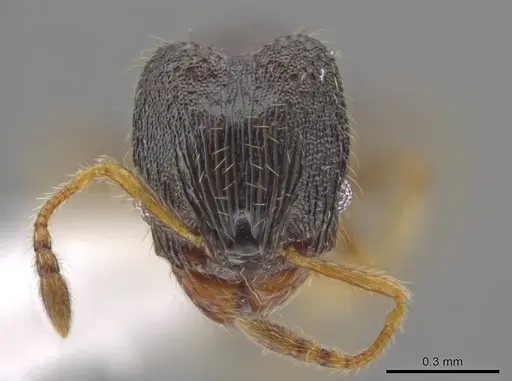
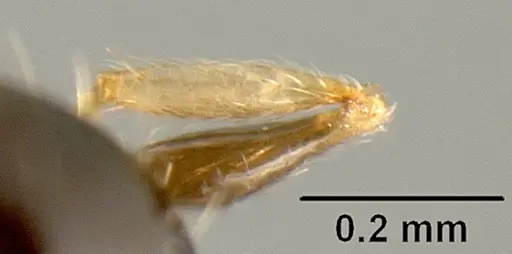
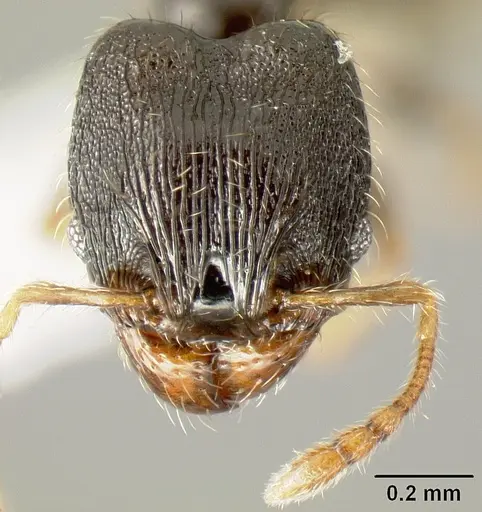
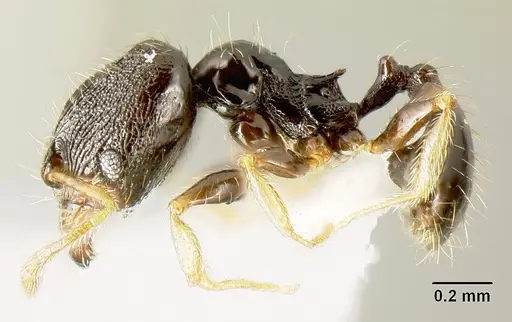
Pheidole albipes is a small, dimorphic ant species native to southern Mexico and Guatemala. Workers come in two sizes: majors at 0.60mm head width with powerful mandibles for seed-cracking, and minors at 0.38mm head width that handle most foraging and brood care. The species gets its name 'albipes' meaning 'white-footed' from the striking pale yellow tibiae and tarsi that contrast sharply against the reddish-brown body. Both castes have smooth, shiny bodies, with majors showing distinctive rugoreticulate sculpturing between the eyes and the back of the head [1].
This species belongs to the flavens group and is part of the genus Pheidole, which is known for having some of the most diverse and abundant ant colonies in the Americas. In the wild, colonies nest in small rotting tree branches in ground leaf litter and under the bark of large rotten logs in lowland forest areas [1]. The contrasting pale legs against the darker body make these ants easy to identify in captivity.
Quick Summary
- Difficulty: Easy
- Origin & Habitat: Native to southern Mexico (Veracruz, Oaxaca, Chiapas, Puebla) and Guatemala in the Neotropical region. Found in degraded lowland forest at elevations around 450m, typically nesting in rotting wood and leaf litter [1][2].
- Colony Type: Monogyne (single-queen colonies). Pheidole species typically have one founding queen that establishes the colony alone.
- Colony: Monogyne
- Founding: Claustral
- Size & Growth:
- Queen: Estimated 5-7mm based on genus patterns
- Worker: Major: 0.60mm HW, Minor: 0.38mm HW [1]
- Colony: Likely 500-2000 workers based on typical Pheidole colony sizes
- Growth: Moderate
- Development: Estimated 6-10 weeks at optimal temperature based on related Pheidole species (Development time varies with temperature, warmer conditions within range speed up development)
- Antkeeping:
- Temperature: Keep at 24-28°C (warm tropical conditions). A heating cable on one side of the nest creates a gentle gradient allowing ants to regulate their temperature [1].
- Humidity: Moderate to high (60-80%). These forest-floor ants need damp substrate but not waterlogging. Mist occasionally and provide a water tube [1].
- Diapause: No true diapause, being a tropical species, they do not require hibernation. However, slightly cooler temperatures (20-22°C) during winter months may slow activity naturally.
- Nesting: Y-tong (AAC) nests work well, or test tube setups with access to a foraging area. Provide damp soil or plaster as substrate. They naturally nest in rotting wood, so a naturalistic setup with small wood pieces is appreciated [1].
- Behavior: Generally peaceful and not aggressive toward keepers. Like most Pheidole, they are active foragers that search for seeds and small insects. Major workers use their powerful mandibles to crack seeds and defend the colony, while minor workers handle most daily tasks. They are not known to sting and pose no danger to humans. Escape prevention should be moderate, while not the smallest ants, they can squeeze through small gaps, so standard barrier precautions are sufficient.
- Common Issues: mold growth in nest due to excessive moisture, ensure proper ventilation and avoid over-misting, colonies can stall if temperatures drop too low, keep warm year-round, major workers may kill minor workers if space is too confined, provide adequate nesting space, seed husks accumulating in foraging area, clean regularly to prevent mold, queen death during founding is common, ensure founding setup has stable humidity and temperature
Housing and Nest Setup
Pheidole albipes adapts well to various captive setups. Test tube colonies work perfectly for founding queens, use a water tube with cotton separation and provide a small foraging area once workers emerge. For established colonies, Y-tong (acrylic) nests are excellent as they allow you to observe the colony while providing appropriate chamber sizes. Alternatively, naturalistic setups with damp soil and rotting wood pieces mimic their natural habitat. The key is maintaining moderate humidity without waterlogging, these ants come from forest floor environments where moisture is consistent but drainage prevents saturation. A small water tube should always be available, and the nest substrate should feel damp to the touch but never show standing water. [1]
Feeding and Diet
Pheidole species are primarily granivorous, meaning they collect and eat seeds. Provide a variety of small seeds like sesame, chia, millet, or commercial ant seed mixes. They also readily accept small insects like fruit flies, pinhead crickets, or mealworm pieces, protein is essential for brood development. Sugar water, honey, or diluted honey water can be offered occasionally, though seeds should form the bulk of their diet. Feed seeds continuously and offer protein prey 2-3 times per week. Remove uneaten seeds periodically to prevent mold, and always remove any dead insects within 24 hours. A varied diet leads to healthier colonies with faster growth rates.
Temperature and Seasonal Care
As a tropical species from lowland Mexico and Guatemala, Pheidole albipes requires warm conditions year-round. Maintain temperatures between 24-28°C for optimal brood development and colony growth. A heating cable placed on top of the nest (never under, as excessive bottom heat causes moisture evaporation) creates a natural temperature gradient. During winter or in cooler climates, room temperature may be too low, use a small heat mat or heating cable to maintain warmth. Unlike temperate species, they do not require hibernation, but slightly cooler temperatures (20-22°C) during winter months will naturally slow their activity without harming them. Avoid temperature fluctuations and drafts. [1]
Colony Development and Growth
A newly mated queen will seal herself into a claustral chamber and lay eggs without leaving to forage, she lives entirely on her stored fat reserves while raising the first brood. The first workers (called nanitics) are typically smaller than normal workers and emerge after 6-10 weeks depending on temperature. Once the first nanitics emerge, the queen resumes egg-laying and the colony enters a growth phase. Pheidole colonies are dimorphic, meaning they produce both major and minor workers. Minor workers handle foraging, brood care, and nest maintenance, while majors develop later and specialize in seed-cracking and colony defense. A mature colony may have 500-2000 workers, with major workers typically comprising 10-20% of the workforce. Growth is moderate, expect 1-2 years to reach moderate colony size.
Behavior and Observation
Pheidole albipes is a calm, observable species suitable for antkeepers who enjoy watching complex social interactions. Minor workers are constantly active, patrolling the nest and foraging area in search of seeds and small prey. When majors are present, you may observe them using their distinctive mandibles to crack seeds open for the colony. Majors also serve as defenders, while not aggressive toward humans, they will respond to nest disturbances. The caste system is fascinating to observe: minors vastly outnumber majors, but majors perform essential tasks that benefit the entire colony. They do not possess a painful sting and are completely safe to handle. Their distinctive pale legs make them visually striking compared to many other Myrmicinae. [1]
Frequently Asked Questions
How long does it take for Pheidole albipes to get their first workers?
Expect 6-10 weeks from egg to first worker at optimal temperature (24-28°C). The first workers (nanitics) are smaller than normal workers and emerge once the queen has successfully raised the brood on her stored reserves.
Can I keep multiple Pheidole albipes queens together?
No. This species is monogyne, meaning only one queen per colony. Combining unrelated queens will result in fighting. Only a proven mated queen that has already established a colony should be kept.
What do Pheidole albipes eat?
They are primarily granivorous, feed small seeds like sesame, chia, millet, or commercial ant seed mixes. They also need protein from small insects like fruit flies, pinhead crickets, or mealworms. Occasional sugar water or honey is accepted but not required.
What temperature do Pheidole albipes need?
Keep them warm at 24-28°C. Being a tropical species from Mexico and Guatemala, they require consistent warmth year-round. A small heating cable on the nest helps maintain optimal temperatures.
Are Pheidole albipes good for beginners?
Yes, they are considered easy to keep. They are peaceful, don't sting, and adapt well to various nest setups. Their main requirements are warm temperatures and moderate humidity, which are easy to maintain.
When should I move Pheidole albipes to a formicarium?
You can keep them in a test tube setup for the first several months. Move to a formicarium (like a Y-tong nest) once the colony reaches 30-50 workers and the test tube setup becomes crowded. Always ensure the new setup has appropriate humidity and a water source.
Do Pheidole albipes need hibernation?
No, they do not require hibernation. As a tropical species, they remain active year-round with proper warmth. Slightly cooler temperatures in winter will naturally slow their activity.
How big do Pheidole albipes colonies get?
Mature colonies typically reach 500-2000 workers. The colony grows moderately over 1-2 years to reach moderate size.
Why are the legs of Pheidole albipes pale?
This is their natural coloration, the species name 'albipes' literally means 'white-footed' in Latin. Both majors and minors have pale yellow tibiae and tarsi that contrast with their reddish-brown to medium brown body.
References

This caresheet is licensed under CC BY-SA 4.0 .
CASENT0611235
View on AntWeb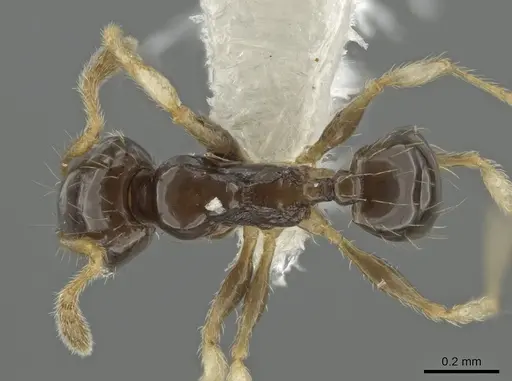
CASENT0611412
View on AntWeb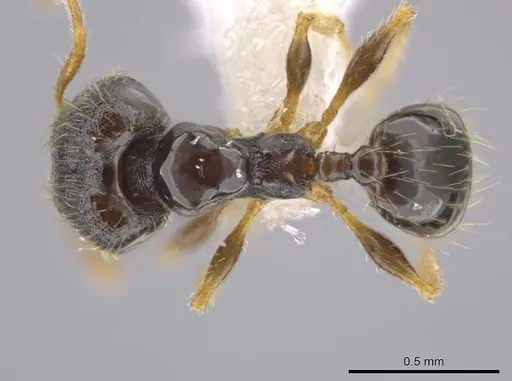
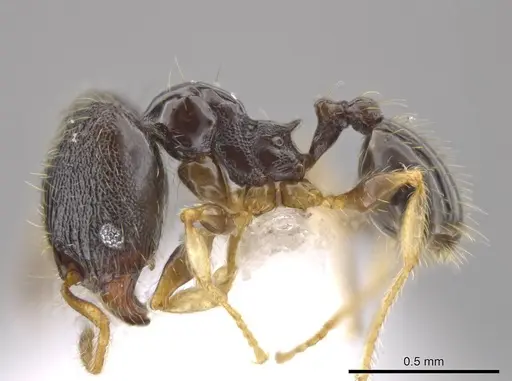
CASENT0614168
View on AntWeb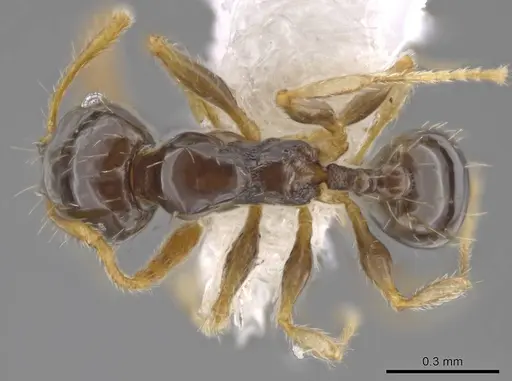
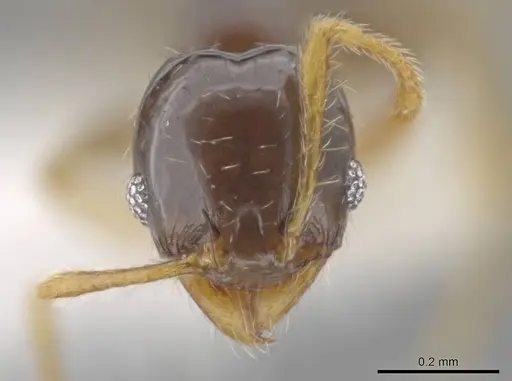
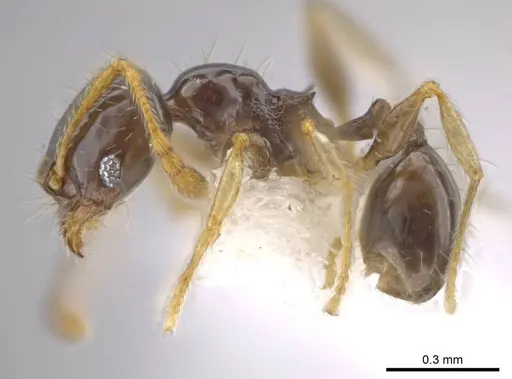
JTLC000009724
View on AntWeb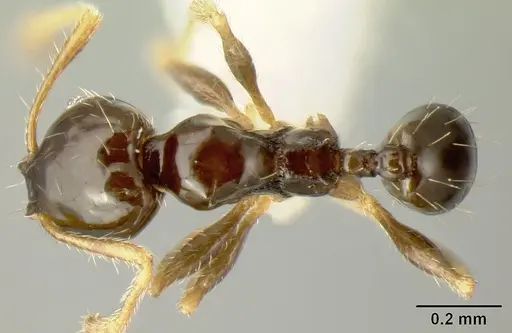
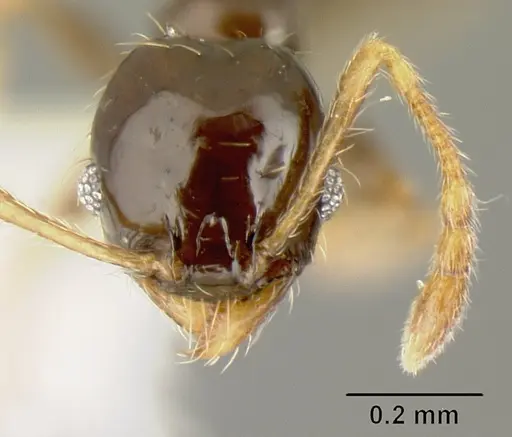
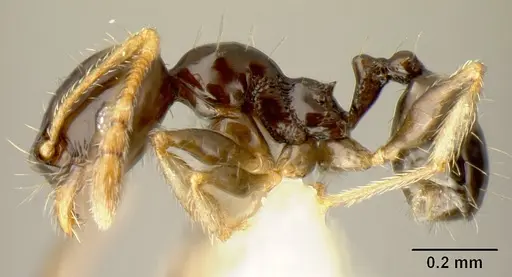
JTLC000010035
View on AntWeb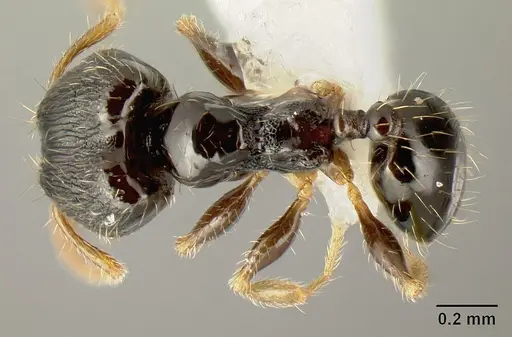
Literature
Loading...Loading products...