

Pheidole alacris
- Scientific Name
- Pheidole alacris
- Tribe
- Attini
- Subfamily
- Myrmicinae
- Author
- Santschi, 1923
- Distribution
- Found in 2 countries
Pheidole alacris Overview
Pheidole alacris is an ant species of the genus Pheidole. It is primarily documented in 2 countries , including Argentina, Paraguay. Detailed taxonomic data and occurrence records can be further explored via authoritative databases such as AntWeb or the Global Biodiversity Information Facility (GBIF).
Pheidole alacris
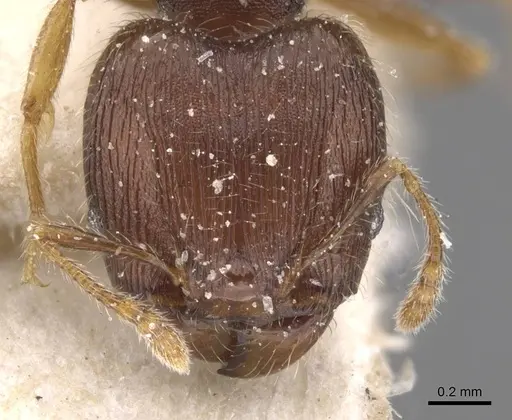
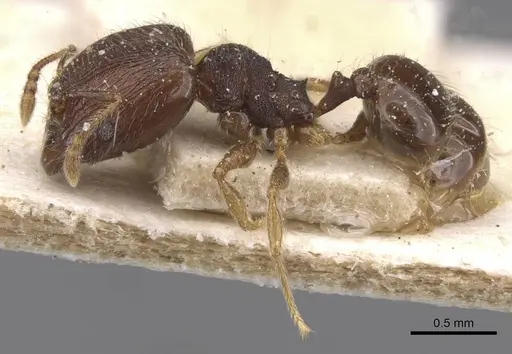
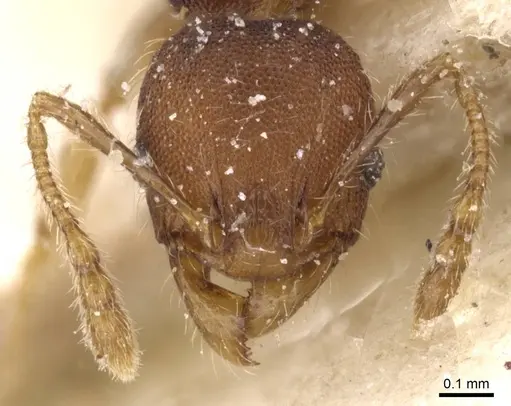
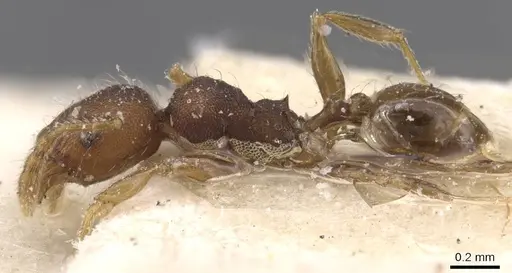
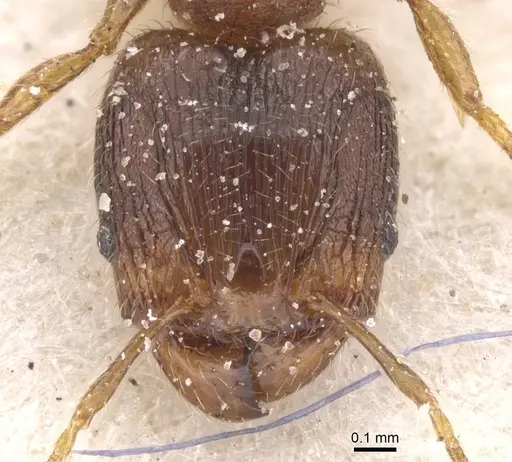
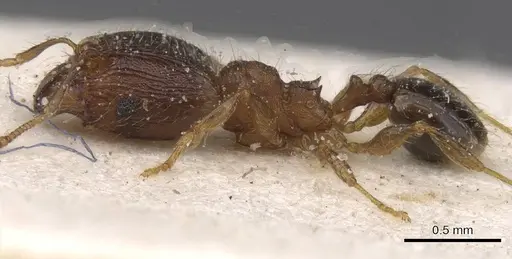
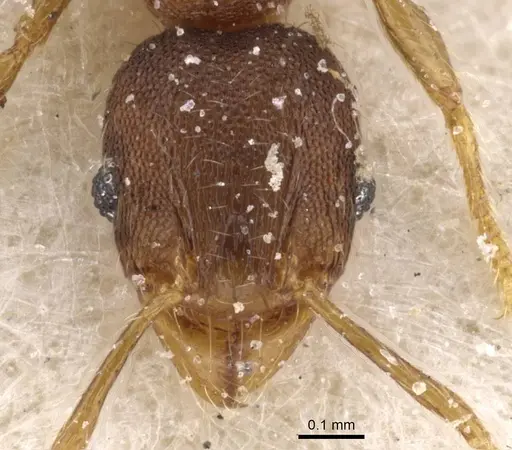
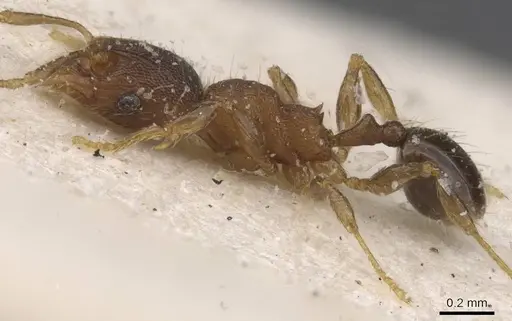
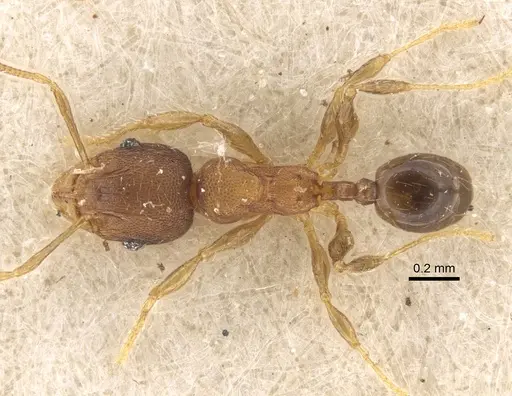
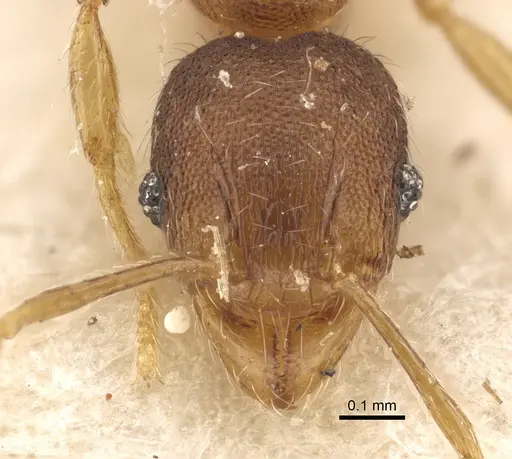
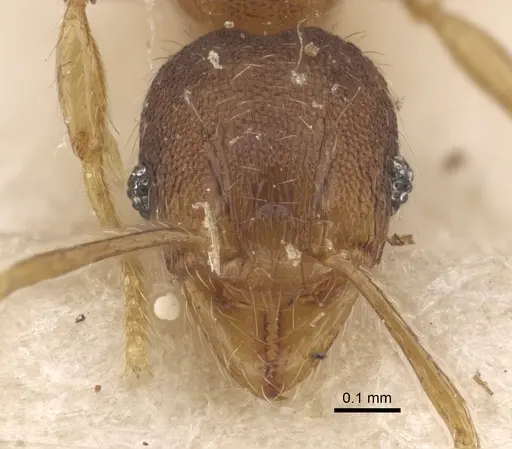
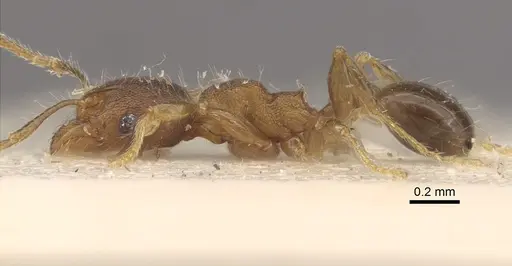
Pheidole alacris is a small Neotropical ant species native to Argentina, specifically found in the Entre Rios and Misiones provinces. The species was originally described as a subspecies of Pheidole flavens in 1923 and was later elevated to full species status in 2003. Major workers measure approximately 0.94mm in head width with a medium brown body and distinctive dark yellow legs, while minor workers are smaller at around 0.42mm head width and appear light brown throughout. The species name 'alacris' means 'active' or 'eager' in Latin, likely referring to the workers' energetic foraging behavior. This species belongs to the Generalized Myrmicinae functional group, indicating it is a generalist omnivore typical of the genus.
Quick Summary
- Difficulty: Unknown
- Origin & Habitat: Native to the Neotropical region of Argentina, specifically recorded from Entre Rios and Misiones provinces [1]. The type locality is Estación Sosa in Entre Rios. Nothing is known about its specific natural habitat preferences.
- Colony Type: Unconfirmed, no colony structure data exists for this species. Based on typical Pheidole patterns, likely single-queen colonies.
- Size & Growth:
- Queen: Unknown, no queen specimens have been described
- Worker: Major workers: 0.94mm head width, Minor workers: 0.42mm head width [2]
- Colony: Unknown, no colony size data exists
- Growth: Unknown
- Development: Unknown, no development data exists for this species
- Antkeeping:
- Temperature: Unknown for this species. Based on its Neotropical distribution in Argentina, likely requires warm conditions around 22-28°C. Start in the mid-20s and observe colony activity.
- Humidity: Unknown. Based on typical Pheidole preferences and its Misiones province record (a relatively humid region), moderate humidity around 50-70% is likely suitable. Provide a moisture gradient.
- Diapause: Unknown, no seasonal data exists. Argentina's temperate to subtropical climate suggests some winter dormancy may occur, but this is unconfirmed.
- Nesting: Unknown natural nesting preferences. Most Pheidole species nest in soil or under stones. A standard test tube setup or Y-tong nest would be appropriate starting points.
- Behavior: Behavior is unstudied. Based on its placement in Generalized Myrmicinae, these ants are likely generalist foragers that collect seeds and small insects. Major workers have typical Pheidole morphology with enlarged heads for seed-processing. Escape risk is moderate due to small worker size, standard barrier precautions are recommended.
- Common Issues: No biological data exists, this is one of the least studied ant species in cultivation, Care requirements are entirely inferred from genus patterns, not species-specific research, Wild-caught colonies may be extremely difficult to obtain since the species is rarely collected, Temperature and humidity requirements are unconfirmed, keepers must experiment cautiously
Species Overview and Identification
Pheidole alacris is a tiny ant species native to northern Argentina. It was originally described by Santschi in 1923 as a variety of Pheidole flavens, then raised to full species status in 2003. The species is known only from a handful of type specimens collected in the early 20th century, making it one of the less studied ants in the genus. Major workers are distinctive with their medium brown body and dark yellow legs, while minor workers are uniformly light brown. The species name 'alacris' means 'active' or 'eager' in Latin, possibly describing the workers' foraging behavior. This species has been recorded in both Entre Rios and Misiones provinces, suggesting it has a relatively wide distribution within Argentina's subtropical north. [2][1]
Why This Species is Rare in Captivity
Pheidole alacris is extremely rare in the antkeeping hobby, and for good reason, virtually nothing is known about its biology in the wild or in captivity. The species was described from type specimens collected decades ago, and there have been very few additional records since. This means that if you obtain this species, you may be one of the first keepers to document its care requirements. Expect to be a pioneer with this species, and be prepared to experiment with conditions rather than follow established protocols. The lack of available biological data makes this species unsuitable for beginners who want clear care guidelines. However, for experienced antkeepers who enjoy documenting new species behavior, this could be an interesting challenge. [2]
Inferred Care Guidelines
Since no species-specific care data exists, you must rely on what we know about related Pheidole species and this ant's geographic origin. Argentina's Misiones and Entre Rios provinces have a humid subtropical climate with warm summers and mild winters. This suggests your ants will likely do best at temperatures in the 22-28°C range with moderate humidity. Pheidole in general are omnivorous generalists that readily accept seeds, insects, and sugar sources. Start with a standard test tube setup for founding colonies, transitioning to a Y-tong or naturalistic setup once the colony reaches 50+ workers. Provide a moisture gradient so ants can self-regulate their humidity preferences. Feed a mix of protein (small insects) and carbohydrates (sugar water or honey).
Legal and Ethical Considerations
Before acquiring this species, verify its legal status in your region. Pheidole alacris is native to Argentina and has not been documented as invasive elsewhere. As with all non-native ant species, you must never release colonies into the wild outside their natural range. This species is not known to be established in any country outside Argentina, so captive colonies would represent a potential new introduction risk. Responsible antkeeping means containing all colonies permanently and never allowing them to escape or be released. [2]
Frequently Asked Questions
How do I care for Pheidole alacris ants?
No specific care data exists for this species. Based on typical Pheidole care and its Argentine origin, provide warm temperatures (22-28°C), moderate humidity (50-70%), and a diet of small insects and sugar sources. Start with a test tube setup and adjust based on colony behavior.
What do Pheidole alacris ants eat?
Diet is unconfirmed for this species. Based on its placement in Generalized Myrmicinae, it is likely an omnivore that accepts seeds, small insects, and sugar. Offer small protein sources (fruit flies, pinhead crickets) and sugar water.
How long does it take for Pheidole alacris to develop from egg to worker?
Development time is unknown, no species-specific data exists. Based on typical Pheidole genus patterns, expect approximately 6-10 weeks from egg to first worker at optimal warm temperatures.
Are Pheidole alacris good for beginners?
No. This species is not recommended for beginners because absolutely no captive care data exists. You would be pioneering all care protocols, which requires experience with antkeeping and willingness to experiment.
How big do Pheidole alacris colonies get?
Colony size is unknown, no colony size data exists for this species. Most Pheidole colonies reach several hundred to a few thousand workers. Expect moderate colony growth based on typical genus patterns.
Do Pheidole alacris need hibernation?
Diapause requirements are unknown. Argentina's subtropical climate suggests they may not need a true hibernation but might experience reduced activity during cooler winter months. Monitor colony activity and adjust temperatures accordingly.
Can I keep multiple Pheidole alacris queens together?
Colony structure is unconfirmed for this species. Most Pheidole are monogyne (single queen), but some species can be polygyne. Do not combine unrelated queens without research specific to this species.
Where is Pheidole alacris found in the wild?
This species is only known from Argentina, specifically the Entre Rios and Misiones provinces in the country's subtropical north. The type locality is Estación Sosa in Entre Rios.
Is Pheidole alacris available in the antkeeping hobby?
This species is extremely rare in captivity. It is not commonly kept or sold in the antkeeping hobby due to the lack of biological data and limited field records. Obtaining this species would likely require connecting with researchers or specialized collectors working with Argentine ant fauna.
References

This caresheet is licensed under CC BY-SA 4.0 .
CASENT0913319
View on AntWeb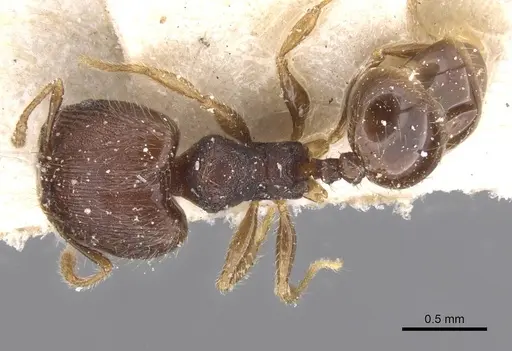
CASENT0913320
View on AntWeb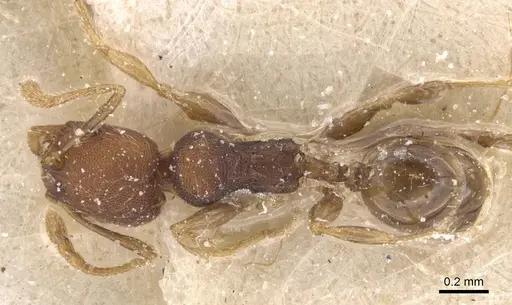
CASENT0913321
View on AntWeb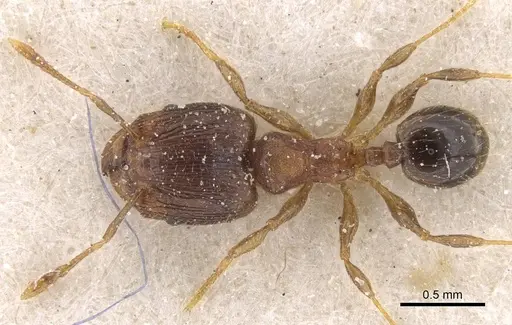
CASENT0913322
View on AntWeb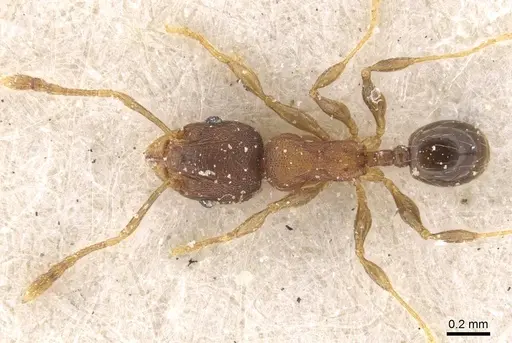
CASENT0917769
View on AntWeb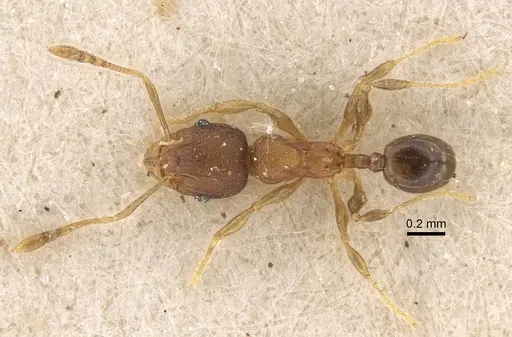
Literature
Loading...Loading products...