

Pheidole ala
- Scientific Name
- Pheidole ala
- Tribe
- Attini
- Subfamily
- Myrmicinae
- Author
- Salata & Fisher, 2020
- Distribution
- Found in 1 countries
Pheidole ala Overview
Pheidole ala is an ant species of the genus Pheidole. It is primarily documented in 1 countries , including Madagascar. Detailed taxonomic data and occurrence records can be further explored via authoritative databases such as AntWeb or the Global Biodiversity Information Facility (GBIF).
Pheidole ala
Pheidole ala is a small ant species native to Madagascar, belonging to the Pheidole nemoralis species group. Major workers measure 1.03-1.21mm in head width and display a bright brown to dark brown coloration with yellow legs, while the much smaller minor workers are a distinctive unicolourous yellow at just 0.42-0.46mm head width [1]. This species was described in 2020 and gets its name from 'ala, ' the Malagasy word for forest, reflecting its natural habitat in Madagascar's rainforests and montane rainforests at elevations of 520-1410 meters [1]. Like all Pheidole species, they have distinct major and minor worker castes, majors have the characteristic enlarged heads for seed-crushing and defense, while minors handle most foraging and brood care.
What makes P. ala interesting is its relatively recent scientific description combined with its forest-dwelling nature. As a member of the nemoralis complex, it represents a specialized lineage adapted to Madagascar's humid forest environments. In the wild, colonies nest in rotten logs and decaying twigs on the forest floor, indicating a preference for moist, decomposing wood substrates [1].
Quick Summary
- Difficulty: Medium
- Origin & Habitat: Madagascar, rain-forest and montane rainforest at 520-1410m elevation. Nests in rotten logs and rotten twigs on the ground [1].
- Colony Type: Likely single-queen (monogyne) colonies based on typical Pheidole genus patterns. Colony size reaches several hundred workers in related species.
- Colony: Monogyne
- Founding: Claustral
- Size & Growth:
- Queen: Not directly measured, estimated 5-7mm based on genus patterns for Pheidole majors
- Worker: Major: 1.03-1.21mm HW, Minor: 0.42-0.46mm HW [1]
- Colony: Estimated several hundred workers based on related species in the nemoralis group
- Growth: Moderate, typical for tropical Pheidole species
- Development: Estimated 6-8 weeks at tropical temperatures (24-28°C) based on typical Pheidole development (Development likely faster than temperate species due to tropical origin. Nanitics (first workers) typically smaller than normal minor workers.)
- Antkeeping:
- Temperature: Keep at 24-28°C. As a tropical rainforest species from Madagascar, they prefer warm conditions with minimal temperature fluctuations. A heating cable on one side of the nest can provide a gentle gradient if room temperature falls below 24°C.
- Humidity: High humidity required, aim for 70-85%. This rainforest species naturally nests in rotting wood that maintains consistent moisture. Keep the nest substrate moist but not waterlogged. Provide a water tube for drinking water.
- Diapause: Minimal or no true diapause. As a tropical species from Madagascar, they do not require hibernation. However, colony activity may slow slightly during cooler periods.
- Nesting: Prefers moist, humid environments. In captivity, they do well in Y-tong (AAC) nests, plaster nests, or naturalistic setups with rotting wood pieces. The nest material should retain moisture well. Avoid dry environments.
- Behavior: Generally peaceful and non-aggressive toward keepers. Like most Pheidole, they are active foragers that search for seeds, small insects, and sugary substances. Major workers serve as defenders and seed processors but are not particularly aggressive. They are not known to sting and pose no danger to humans. Escape risk is moderate, minors are tiny but majors are larger enough that standard barrier methods work well. They are daytime active and will readily explore their outworld for food.
- Common Issues: high humidity is critical, colonies can fail if kept too dry, rotting wood in the nest helps maintain humidity but can mold if ventilation is poor, slow founding phase, queens may take months to produce first workers, wild-caught colonies may harbor parasites that affect survival in captivity, small colony size means they are sensitive to disturbance during founding
Housing and Nest Setup
Pheidole ala does well in nests that retain moisture well. Y-tong (acrylic) nests work excellently as they allow you to control humidity precisely, though you should keep the nesting chambers moist. Plaster nests are another good option, they naturally hold moisture and create the humid environment these forest-dwelling ants need. For the outworld, any standard formicarium setup works, but ensure there are no large gaps that tiny minors could escape through. A test tube setup can work for founding colonies, but monitor humidity carefully as test tubes dry out faster than dedicated nests. Some keepers successfullly use naturalistic setups with rotting wood pieces, which mimics their natural nest sites in fallen logs and twigs. Whatever setup you choose, prioritize humidity control, this is perhaps the most critical factor for keeping P. ala healthy. [1]
Feeding and Diet
Like other Pheidole species, P. ala is omnivorous and will accept a variety of foods. Protein sources should include small insects like fruit flies, pinhead crickets, and mealworms. They also readily consume seeds, which is why Pheidole are sometimes called 'big-headed ants', the major workers have enlarged heads specifically for seed processing. Offer sugar water, honey, or diluted maple syrup as an energy source. In the wild, they likely forage for honeydew from aphids and tend small scale insects. Feed protein roughly twice weekly, and keep a sugar source available at all times. Remove uneaten food after 24-48 hours to prevent mold. During the founding phase, the claustral queen does not need food, she relies entirely on her stored fat reserves until the first nanitic workers emerge. [1]
Temperature and Humidity Requirements
As a species from Madagascar's rainforests and montane forests, P. ala requires warm and humid conditions. Maintain temperatures between 24-28°C for optimal colony health and brood development. They can tolerate brief temperature drops but prolonged cool conditions will slow or stop brood development entirely. Humidity should stay high, aim for 70-85% relative humidity within the nest. This is higher than many common ant species, so you may need to actively maintain humidity through moist substrate, water tubes, or occasional misting. A heating cable placed on one side of the nest can help maintain both temperature and create a slight gradient that allows ants to regulate their own conditions. Avoid placing the nest near air conditioning vents or in drafty areas. [1]
Colony Development and Growth
Pheidole colonies grow through a well-defined series of stages. The claustral queen seals herself into a small chamber and lays eggs without leaving to forage, she survives entirely on her stored fat reserves (this is what 'claustral' means). After several weeks to a couple months, depending on temperature, the first tiny workers called nanitics emerge. These initial workers are smaller than normal minors but immediately begin foraging to feed the colony and care for subsequent brood. Subsequent broods develop faster as the colony grows and can maintain higher temperatures. A mature P. ala colony will have distinct major and minor castes, with majors serving as defenders and seed processors. Expect moderate growth rates, colonies typically reach several hundred workers over 1-2 years under good conditions. The presence of major workers is a sign of a healthy, established colony. [1]
Behavior and Temperament
Pheidole ala is a peaceful species that poses no threat to keepers. They are not aggressive and do not sting, making them safe to handle even for beginners. The major workers have enlarged heads but are not particularly combative, they use them primarily for seed crushing and colony defense. Workers are diurnal, actively foraging during daylight hours. They will readily explore their outworld and can become quite tame over time, often ignoring keeper observation. Minor workers handle most tasks including foraging, brood care, and nest maintenance, while majors specialize in seed processing and defense. They communicate through chemical trails and will quickly recruit nestmates to good food sources. Escape prevention is moderately important, while majors are large enough to be contained by standard barriers, minors are quite small and can squeeze through small gaps. [1]
Frequently Asked Questions
How long does it take for Pheidole ala queens to produce first workers?
Expect 6-10 weeks from founding to first workers emerging, assuming temperatures around 24-28°C. The exact timing depends on temperature, warmer conditions speed development while cooler temperatures can extend this to several months. The claustral queen seals herself in and relies on stored fat reserves, so no feeding is needed during this phase.
What do Pheidole ala ants eat?
They are omnivorous. Offer protein like small insects (fruit flies, pinhead crickets, mealworms) roughly twice weekly, and keep a sugar source (honey water, maple syrup) available at all times. They also readily accept seeds, which majors process with their enlarged heads. Remove uneaten food after 24-48 hours.
What temperature and humidity do Pheidole ala need?
Keep them at 24-28°C with humidity around 70-85%. This tropical rainforest species needs both warmth and high humidity to thrive. Use moist nest materials and consider a water tube for drinking water. Avoid cool or dry conditions.
Can I keep multiple Pheidole ala queens together?
Not recommended. Like most Pheidole, they are typically single-queen species. Combining unrelated foundress queens typically results in fighting, with one queen killing the others. It's best to house each queen separately during founding.
How big do Pheidole ala colonies get?
Based on related species in the nemoralis group, expect colonies to reach several hundred workers over 1-2 years under good conditions. Mature colonies will have distinct major and minor castes. They are not among the largest Pheidole species.
Do Pheidole ala need hibernation or diapause?
No. As a tropical species from Madagascar, they do not require hibernation. However, colony activity may naturally slow during cooler periods. If your room temperature drops significantly in winter, you might see reduced foraging, but no special overwintering care is needed.
Why is my Pheidole ala colony dying?
The most common causes are: keeping them too dry (humidity below 60%), temperatures below 20°C, disturbance during the founding phase, or parasites from wild-caught colonies. Ensure humidity is high, temperature is warm (24-28°C), and minimize nest disturbances while the queen is founding. If the colony was wild-caught, parasites are a common issue.
Are Pheidole ala good for antkeeping beginners?
They are moderate difficulty. While not aggressive and relatively easy to feed, their high humidity requirements make them slightly more demanding than species that tolerate drier conditions. Beginners comfortable with maintaining humidity levels can definitely succeed with this species.
References

This caresheet is licensed under CC BY-SA 4.0 .
CASENT0413606
View on AntWeb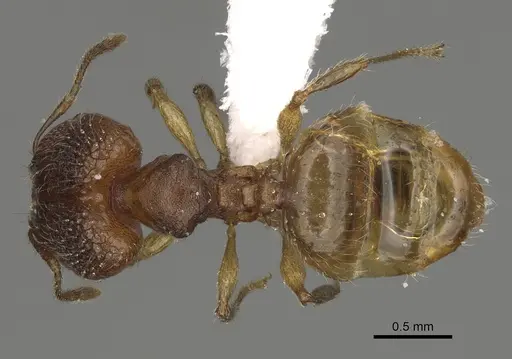
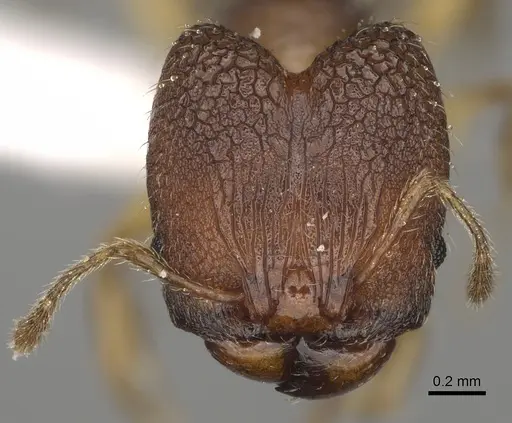
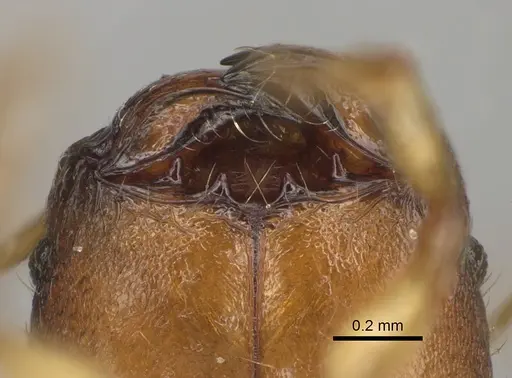
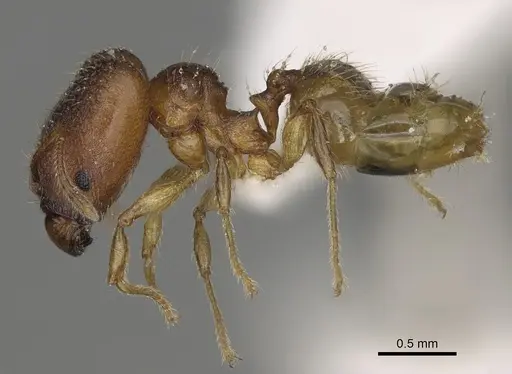
CASENT0427742
View on AntWeb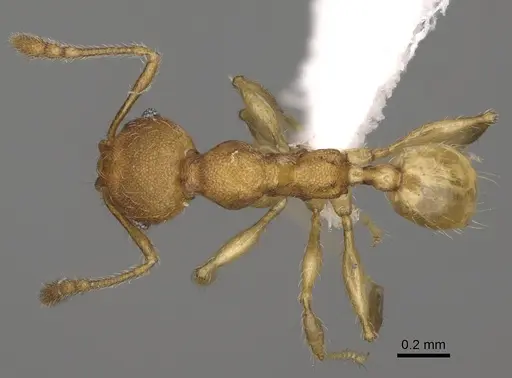
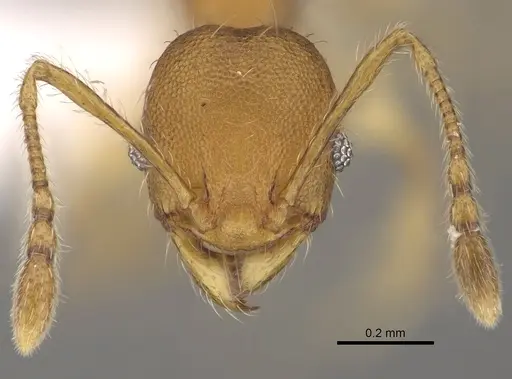
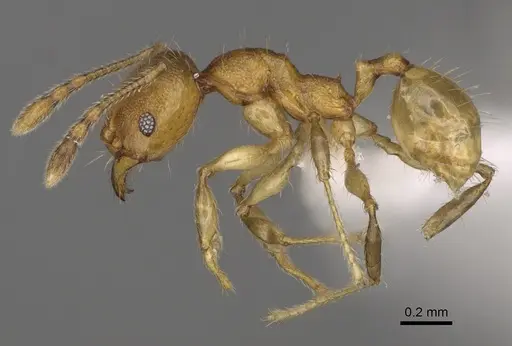
Literature
Loading...Loading products...