

Pheidole ademonia
- Scientific Name
- Pheidole ademonia
- Tribe
- Attini
- Subfamily
- Myrmicinae
- Author
- Wilson, 2003
- Distribution
- Found in 4 countries
Pheidole ademonia Overview
Pheidole ademonia is an ant species of the genus Pheidole. It is primarily documented in 4 countries , including Brazil, Ecuador, Guyana. Detailed taxonomic data and occurrence records can be further explored via authoritative databases such as AntWeb or the Global Biodiversity Information Facility (GBIF).
Pheidole ademonia
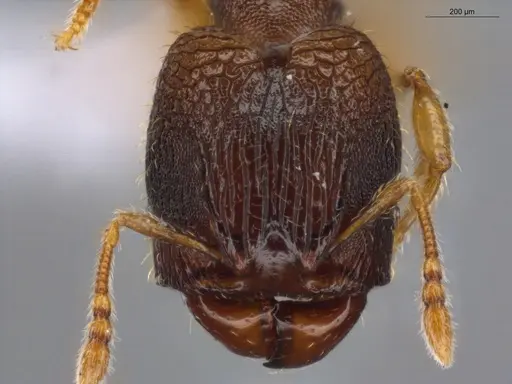
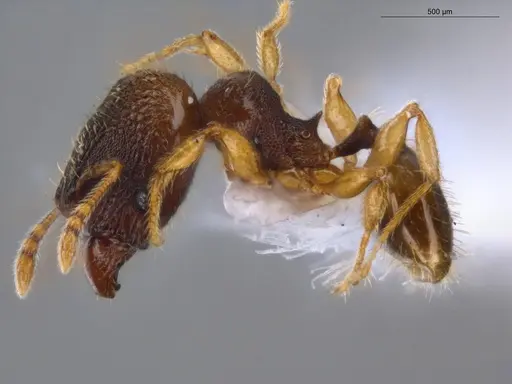
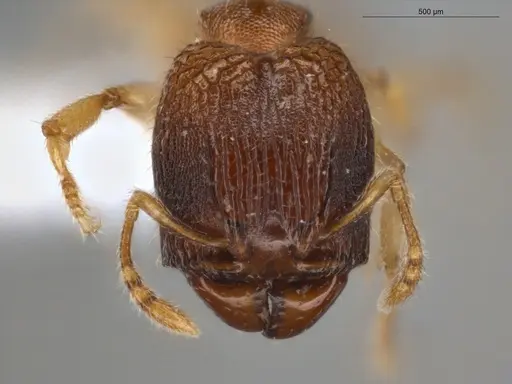
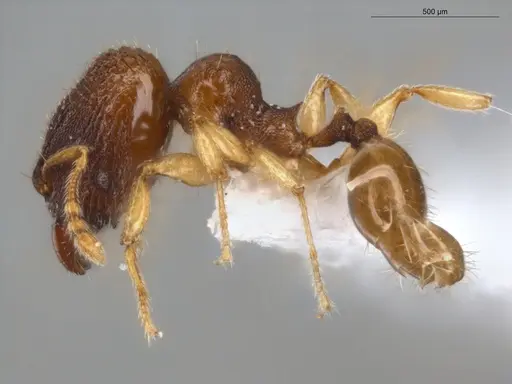
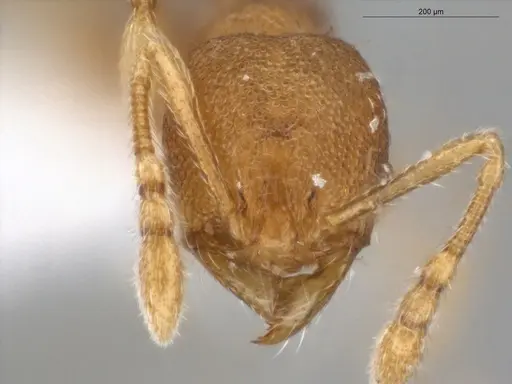
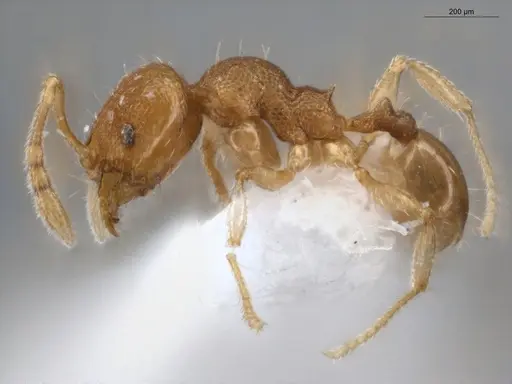
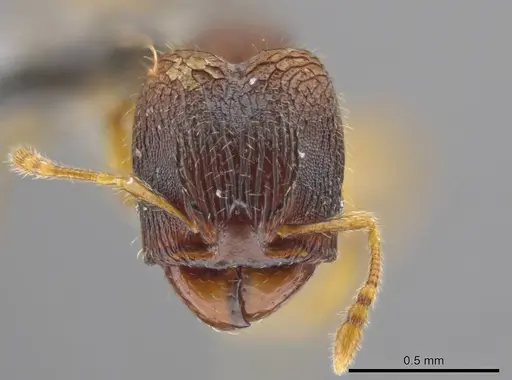
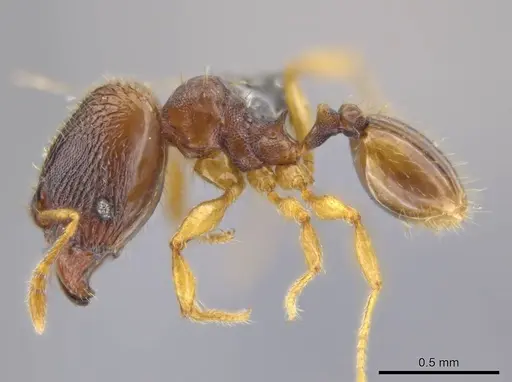
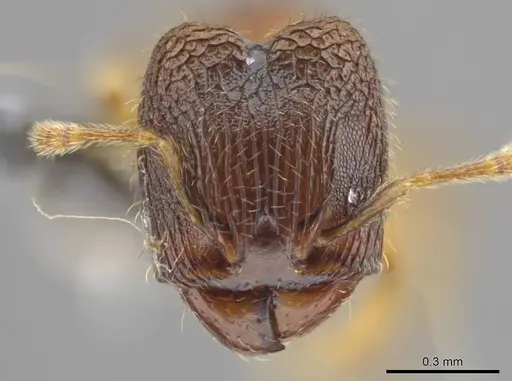
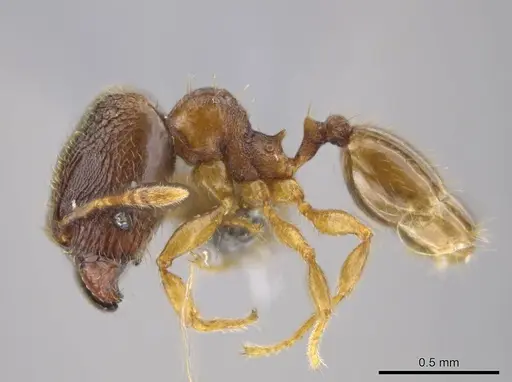
Pheidole ademonia is a small yellow ant belonging to the flavens group, native to the Amazon rainforest of Peru and Ecuador. The species was described by Wilson in 2003 and features the distinctive major and minor worker castes typical of Pheidole. Major workers measure around 0.74mm head width with a medium reddish-yellow coloration, while minor workers are smaller at 0.38mm head width and plain medium yellow. This species is commonly found in terra firme (non-flooded) rainforest environments, nesting beneath bark on rotten logs and in soil [1].
Quick Summary
- Difficulty: Medium
- Origin & Habitat: Amazon rainforest of Peru and Ecuador. Type locality is Cuzco Amazónico,15 km northeast of Puerto Maldonado, Madre de Dios, Peru. Also recorded from Yasuni National Park, Ecuador. They inhabit terra firme forest and are typically found beneath bark on rotten logs and in soil [1][2].
- Colony Type: Colony structure is unconfirmed. Pheidole species typically form single-queen colonies (monogyne), though some species in the genus can have multiple queens. The genus is known for having distinct major and minor worker castes.
- Founding: Claustral
- Size & Growth:
- Queen: Unknown, Pheidole queens are typically 4-7mm, estimated based on genus patterns
- Worker: Major: 0.74mm head width, Minor: 0.38mm head width [1]
- Colony: Unknown, likely moderate colony size typical of Pheidole, possibly several hundred workers
- Growth: Moderate, based on typical Pheidole development patterns
- Development: Estimated 6-8 weeks at tropical temperatures (25-28°C) based on genus-level data for Pheidole species (Development time is estimated from related tropical Pheidole species. Warmer temperatures within the acceptable range tend to speed up development.)
- Antkeeping:
- Temperature: Keep at 24-28°C. As a tropical Amazonian species, they require warm, stable temperatures. A heating cable on one side of the nest can create a gentle gradient [2].
- Humidity: High humidity required, think damp rainforest floor. Keep nest substrate consistently moist but not waterlogged. Provide a water tube for drinking water. Mist occasionally but avoid standing water.
- Diapause: No, as a tropical species from the Amazon basin, they do not require hibernation. Maintain warm conditions year-round.
- Nesting: Twig-nesting species. In captivity, they do well in Y-tong (AAC) nests with narrow chambers, small test tube setups, or naturalistic setups with rotting wood pieces. They prefer tight, enclosed spaces scaled to their tiny size. Avoid large, open formicaria.
- Behavior: These are ground-foraging ants typical of the genus Pheidole. They are active foragers and will collect seeds and small insects. Major workers have enlarged heads for seed processing. They are not particularly aggressive but will defend their nest. Escape prevention is important due to their small size, use fine mesh and tight-fitting lids. As minor workers are only about 0.38mm, they can squeeze through very small gaps.
- Common Issues: escape prevention is critical due to their tiny size, minors are only 0.38mm and can slip through standard barrier gaps, tropical species are sensitive to temperature drops, keep warm and avoid cold drafts, low flood tolerance means they need well-drained nests that don't retain excess water, slow colony growth can frustrate beginners, Pheidole colonies take time to establish, wild-caught colonies may have parasites that can devastate captive colonies
Nest Preferences and Housing
Pheidole ademonia is a twig-nesting species that naturally nests in small cavities beneath bark on rotten logs and in soil [2][1]. In captivity, they do well in Y-tong (AAC) nests with chambers scaled to their tiny size, small test tube setups with cotton stoppers, or naturalistic setups that include rotting wood pieces or bark. The key is providing tight, enclosed spaces, avoid large, open formicaria that can stress these small ants. A test tube setup with a water reservoir works well for founding colonies. For established colonies, a small acrylic nest or Y-tong with narrow passages (3-5mm) is ideal. Ensure excellent escape prevention as minors are extremely small.
Feeding and Diet
Pheidole ants are omnivores with a preference for seeds and protein. In captivity, offer a varied diet including: small seeds (millet, sesame, chia), protein sources (small crickets, mealworms, fruit flies), and sugar sources (honey water, sugar water). Major workers have enlarged heads adapted for seed processing. Feed protein 2-3 times per week and provide constant access to sugar water. Remove uneaten food within 24-48 hours to prevent mold. Fresh water should always be available.
Temperature and Seasonal Care
As a tropical Amazonian species from Peru and Ecuador, Pheidole ademonia requires warm conditions year-round. Maintain temperatures between 24-28°C. They are adapted to the stable warmth of the rainforest understory and do not tolerate cool temperatures well. Avoid placing the nest near air conditioning vents, windows with cold drafts, or in cool rooms. A heating cable placed on part of the nest can help maintain optimal temperatures, but ensure there's an unheated area so ants can regulate their temperature. No hibernation or diapause is required, keep them warm throughout the year. [2][1]
Behavior and Colony Dynamics
This species exhibits the classic Pheidole social structure with distinct major and minor worker castes. Major workers have enlarged heads for seed-crushing and colony defense, while smaller minors handle most foraging and brood care. They are ground-foraging ants that actively search for seeds and small insects. Colonies are likely led by a single queen (monogyne), typical of most Pheidole species. Workers are not particularly aggressive but will bite to defend their nest. The colony will grow gradually, expect several months before seeing significant population increases. Major workers appear later in colony development, typically once the colony reaches 50+ workers.
Frequently Asked Questions
How long does it take for Pheidole ademonia to produce first workers?
Expect first workers (nanitics) in approximately 6-8 weeks after the queen lays her first eggs, at optimal tropical temperatures (25-28°C). This is based on typical Pheidole development patterns as the specific timeline for this species has not been documented.
What do Pheidole ademonia ants eat?
They are omnivores that accept seeds, small insects, and sugar sources. Offer a mix of small seeds (millet, sesame), protein (fruit flies, small crickets, mealworms), and sugar water or honey. Feed protein 2-3 times per week with sugar water available constantly.
Can I keep multiple Pheidole ademonia queens together?
Not recommended. While some Pheidole species can be polygynous, this has not been documented for P. ademonia. Combining unrelated queens typically results in fighting. Start with a single queen for best success.
What temperature do Pheidole ademonia need?
Keep them warm at 24-28°C. As a tropical Amazonian species, they require consistent warmth and do not tolerate cool temperatures. Avoid temperature drops below 20°C.
Are Pheidole ademonia good for beginners?
They are rated as medium difficulty. While not the hardest species, they require attention to escape prevention (due to their tiny size), warm temperatures year-round, and patience as colonies grow slowly. Experience with tropical ants is helpful.
What size colony do Pheidole ademonia reach?
Colony size is not documented for this specific species. Based on typical Pheidole patterns, expect moderate colonies of several hundred workers over 1-2 years with good care.
Do they need hibernation?
No. As a tropical Amazonian species, they do not require hibernation or winter cooling. Maintain warm temperatures year-round.
Why are my Pheidole ademonia escaping?
Their tiny size (minors are only 0.38mm) makes escape a constant risk. Use fine mesh barriers, tight-fitting lids, and fluon on container rims. Check for gaps daily and seal any openings immediately.
When should I move them to a formicarium?
Keep founding colonies in test tubes or small setups until the colony reaches 50-100 workers. Moving too early can stress the queen and cause colony abandonment. A small Y-tong or acrylic nest works well once the colony is established.
References

This caresheet is licensed under CC BY-SA 4.0 .
ECOFOG-GAL18-0276-26-S
View on AntWeb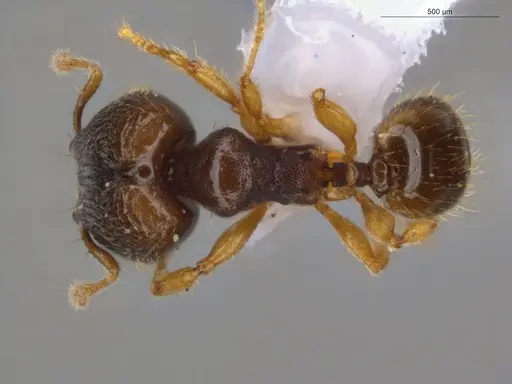
ECOFOG-PA14-0167-11-S
View on AntWeb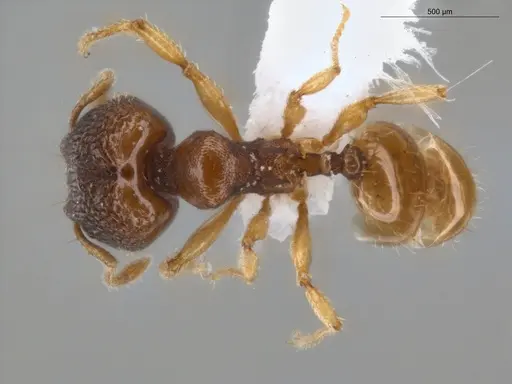
ECOFOG-PA14-0167-11
View on AntWeb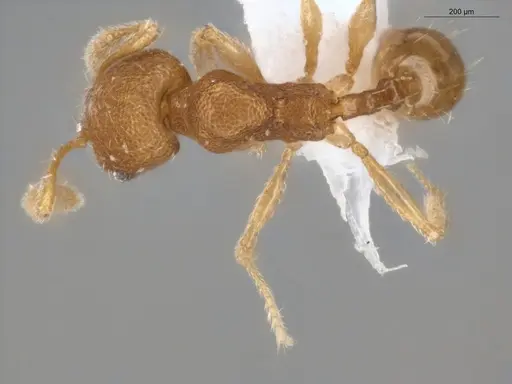
USNMENT00691294
View on AntWeb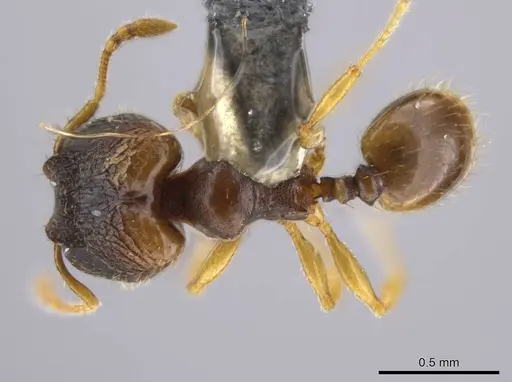
USNMENT00750502
View on AntWeb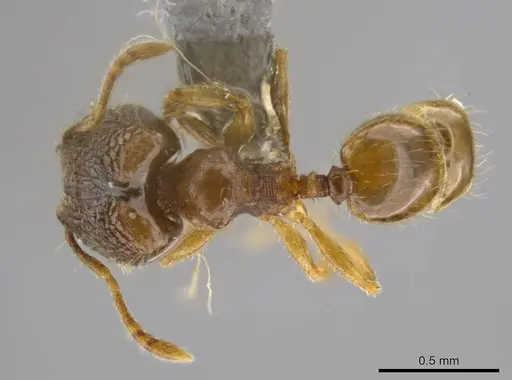
Literature
Loading...Loading products...