

Pheidole acamata
- Scientific Name
- Pheidole acamata
- Tribe
- Attini
- Subfamily
- Myrmicinae
- Author
- Wilson, 2003
- Distribution
- Found in 4 countries
Pheidole acamata Overview
Pheidole acamata is an ant species of the genus Pheidole. It is primarily documented in 4 countries , including Guatemala, Honduras, Mexico. Detailed taxonomic data and occurrence records can be further explored via authoritative databases such as AntWeb or the Global Biodiversity Information Facility (GBIF).
Pheidole acamata
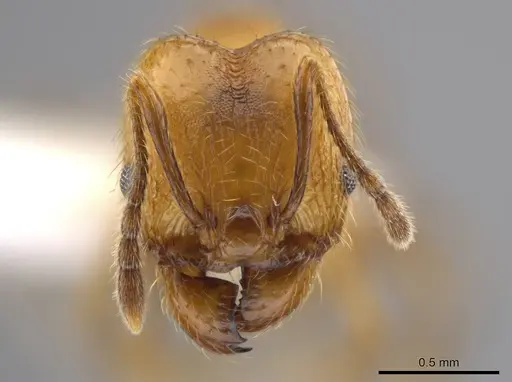
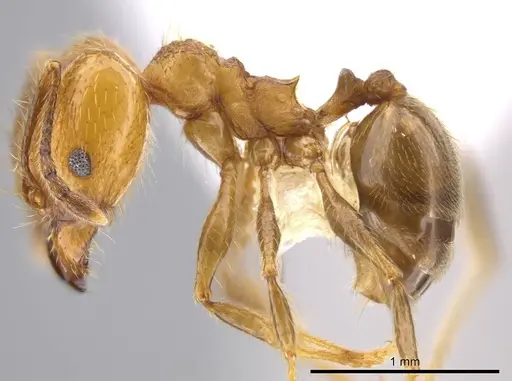
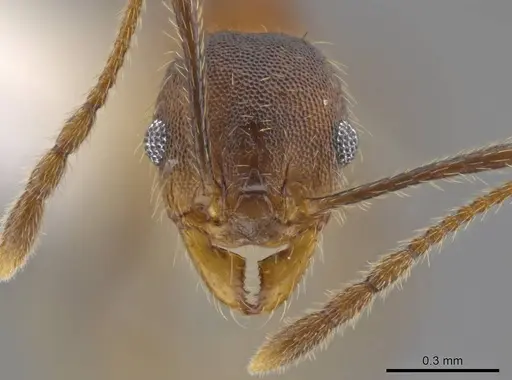
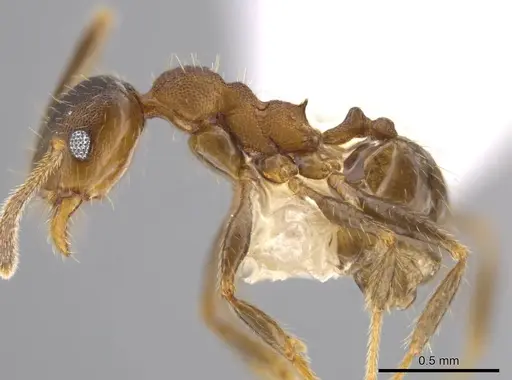
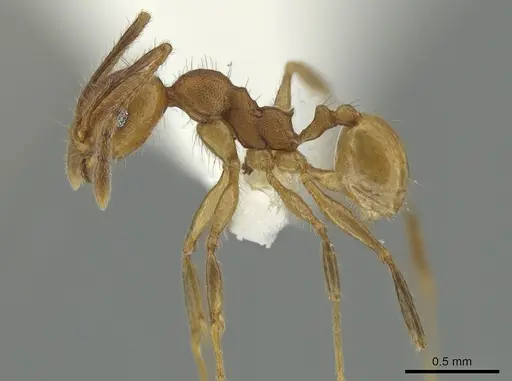
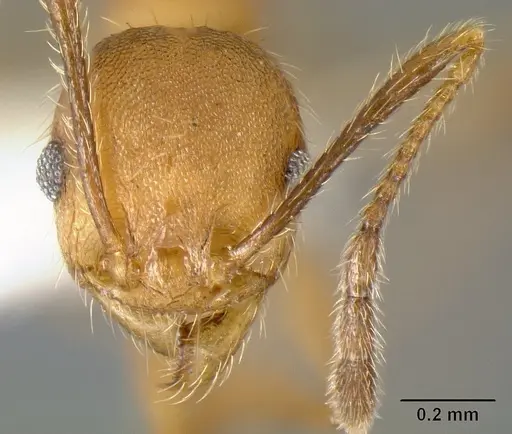
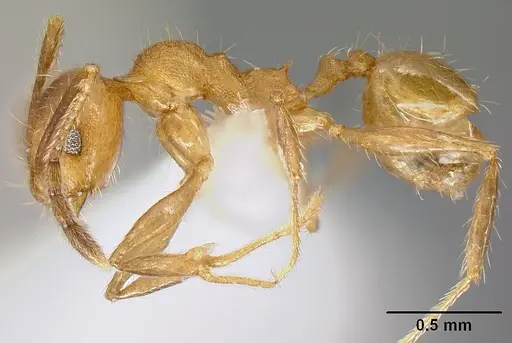
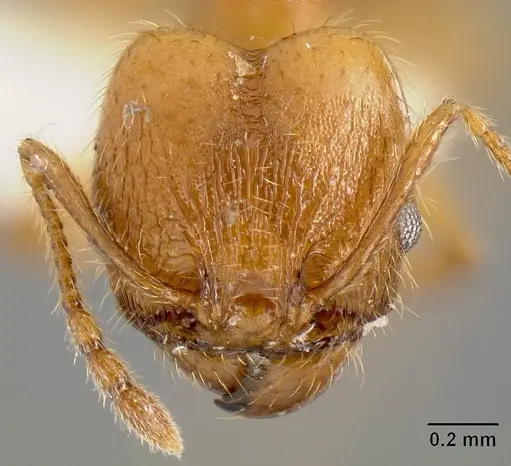
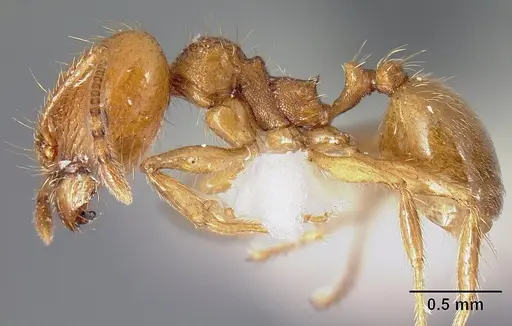
Pheidole acamata is a small dimorphic ant species native to Central America, found in Nicaragua, Guatemala, Honduras, and southern Mexico. Workers come in two sizes: majors are about 1mm head width with a distinctive reddish-yellow color, while minors are darker yellow and smaller. The species is famous for its major workers having a unique plush-like layer of short hairs covering the gaster (abdomen), while the rest of the body has longer, sparser hairs, a trait shared with only a few related Pheidole species. This is an epigaeic species, meaning it forages actively on the ground surface, and it's commonly found at food baits where both major and minor workers recruit together. In the wild, they live in wet forest habitats from sea level up to 1000m elevation and can be locally abundant.
Quick Summary
- Difficulty: Medium
- Origin & Habitat: Wet forest habitats in Central America, Nicaragua, Guatemala, Honduras, and southern Mexico (Chiapas). Found from sea level to 1000m elevation [1][2].
- Colony Type: Colony structure is unconfirmed, the natural nest has never been observed. Based on typical Pheidole patterns, likely single-queen (monogyne) colonies with major and minor worker castes.
- Size & Growth:
- Queen: Unknown, not directly measured in available literature. Estimated 6-8mm based on related Pheidole species.
- Worker: Major workers: HW 0.98mm, HL 1.04mm. Minor workers: HW 0.54mm, HL 0.60mm [1].
- Colony: Likely reaches several hundred to a few thousand workers based on typical Pheidole colony sizes.
- Growth: Moderate, estimated based on related species
- Development: Estimated 6-8 weeks at optimal temperature based on genus-level data for Pheidole species (Development time is inferred from related species, direct measurements for P. acamata are not available)
- Antkeeping:
- Temperature: Keep around 24-28°C. As a wet forest species from low elevations, they prefer warm and humid conditions. A gentle temperature gradient allows workers to choose their preferred zone.
- Humidity: Keep substrate consistently moist but not waterlogged. This species comes from wet forest habitats, so aim for moderate to high humidity (60-80%). Provide a water tube for drinking water.
- Diapause: Unknown, no specific data on overwintering requirements. As a tropical species from Central America, they likely do not require a true diapause but may reduce activity during cooler periods.
- Nesting: Natural nest is unknown. In captivity, standard test tube setups work well for founding colonies. Once established, they do well in Y-tong nests, acrylic formicaria, or naturalistic setups with moist substrate. They are epigaeic foragers, so they will readily explore outworlds.
- Behavior: This species is active and visible, with workers commonly foraging on the surface. They are recruitment specialists, when food is found, they quickly recruit both major and minor workers. Majors can be called 'soldiers' and help process larger food items. They are not particularly aggressive toward keepers but will defend the nest if threatened. Escape risk is moderate, they are small but not as tiny as some Pheidole species, so standard escape prevention measures should work well.
- Common Issues: humidity management is critical, being from wet forests, they suffer in dry conditions, colonies may be slow to establish initially due to unknown founding behavior, major workers may be confused with other Pheidole species if misidentified, ensure you have the correct species, wild-caught colonies may contain parasites that can devastate captive colonies
Housing and Nest Setup
For founding colonies, a simple test tube setup works well. Use a test tube with a water reservoir at one end, stopped with a cotton plug, providing humidity through the tube. Place the tube in a dark container to simulate a nest chamber. Once the colony has 10-20 workers, you can move them to a proper formicarium. Y-tong (acrylic) nests work well for Pheidole, as do naturalistic setups with moist soil. Since this is an epigaeic (ground-foraging) species, they will readily use an outworld connected to the nest. Make sure the outworld has a secure lid, while not the smallest ants, they can still escape through small gaps. [1]
Feeding and Diet
Pheidole acamata is an omnivorous forager commonly attracted to baits in the wild. In captivity, they readily accept protein sources like small insects (fruit flies, small crickets, mealworms) and will also consume sugar water, honey, or sugar syrup. They are recruitment specialists, when one worker finds food, it quickly brings others. Feed them small prey items 2-3 times per week, and keep a constant sugar water source available. Remove uneaten prey after 24-48 hours to prevent mold. The major workers help process larger food items with their larger mandibles. [1]
Temperature and Humidity
As a wet forest species from Central America, P. acamata prefers warm and humid conditions. Keep the nest area at 24-28°C with a gentle gradient so workers can regulate their temperature. Humidity should be moderate to high, the substrate should feel consistently moist but never waterlogged. A water tube attached to the nest provides drinking water and helps maintain humidity. If the colony seems sluggish, try slightly increasing temperature. If they avoid the nest area, it may be too warm or too dry. [1][2]
Colony Development
This species has dimorphic workers, majors and minors. The major workers develop from the same larval stage as minors but receive more food, a phenomenon called 'bifurcated development.' Majors have distinctive large heads and help with food processing and nest defense. The colony will start with just a queen and brood. After the first workers (nanitics) emerge, the colony grows gradually. Expect moderate growth, full colonies likely reach several hundred to a few thousand workers over 1-2 years under good conditions.
Behavior and Foraging
Pheidole acamata is an epigaeic forager, meaning it actively forages on the ground surface rather than in trees or underground. They are commonly found at baits in the wild, showing they readily discover and recruit to food sources. When a worker finds something good, it lays a pheromone trail back to the nest, and other workers follow. Both major and minor workers participate in foraging, majors help tackle larger prey items. They are not particularly aggressive but will bite if the nest is disturbed. Watch for the distinctive recruitment behavior as workers stream out to claim food. [1][2]
Frequently Asked Questions
How long does it take for Pheidole acamata to have first workers?
Based on typical Pheidole development, expect first workers (nanitics) approximately 6-8 weeks after the queen lays eggs, at optimal warm temperatures around 26°C. The exact timeline for P. acamata specifically is not documented, so this is an estimate.
What do Pheidole acamata ants eat?
They are omnivorous. Offer small insects like fruit flies, pinhead crickets, or small mealworms as protein. They also readily accept sugar water, honey, or sugar syrup. Feed protein 2-3 times per week and keep sugar water constantly available.
Do Pheidole acamata ants need hibernation?
Probably not. As a tropical species from Central America, they likely do not require a true diapause. However, they may naturally reduce activity during cooler periods. If you keep them at room temperature in a climate-controlled home, they should be fine year-round.
Are Pheidole acamata good for beginners?
They are moderate difficulty. While not the hardest species, the lack of documented nesting behavior and specific care requirements means they are better suited for keepers with some experience. Their humidity needs are higher than many beginner species.
What size colony does Pheidole acamata reach?
Based on typical Pheidole patterns, colonies likely reach several hundred to a few thousand workers. Exact colony size for this specific species has not been documented in scientific literature.
Can I keep multiple queens together?
Not recommended without specific documentation. While some Pheidole can be polygyne, the colony structure of P. acamata is unconfirmed. It's safest to start with a single queen colony.
What makes Pheidole acamata major workers special?
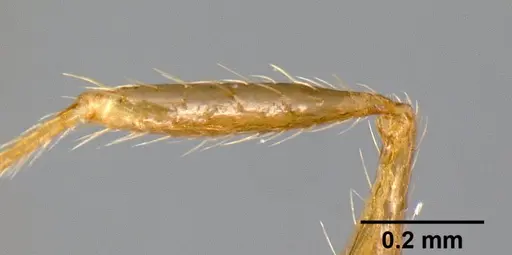
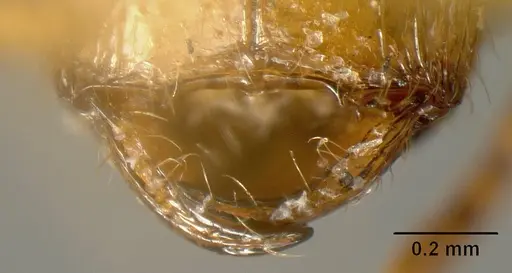
Their most distinctive feature is the plush-like layer of short, subdecumbent hairs covering the gaster (abdomen). This is unusual, most ants have similar hair coverage across their body, but in P. acamata the gaster has this soft, velvet-like appearance while the rest of the body has longer, sparser hairs.
When should I move Pheidole acamata to a formicarium?
Move them once they have 15-30 workers and the test tube is becoming cramped. Make sure the formicarium has appropriately sized chambers, these are small ants, so avoid overly large, open spaces.
Why are my Pheidole acamata dying?
The most likely causes are: too low humidity (they're from wet forests), too cold temperatures, or stress from disturbance during founding. Check that the nest substrate stays moist and temperatures stay in the 24-28°C range. Also ensure they have proper protein and sugar sources.
References

This caresheet is licensed under CC BY-SA 4.0 .
CASENT0609513
View on AntWeb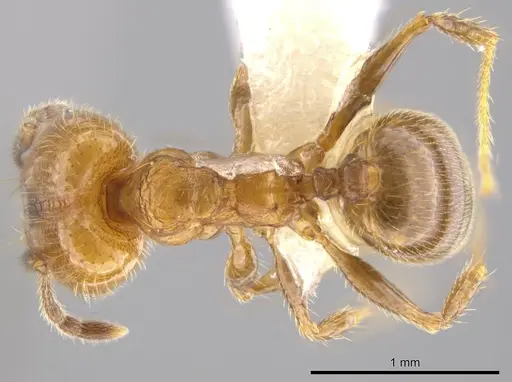
CASENT0609514
View on AntWeb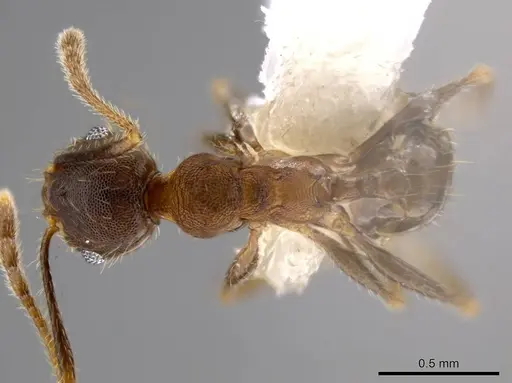
CASENT0619552
View on AntWeb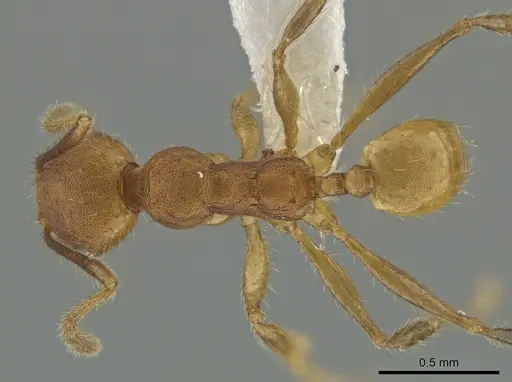
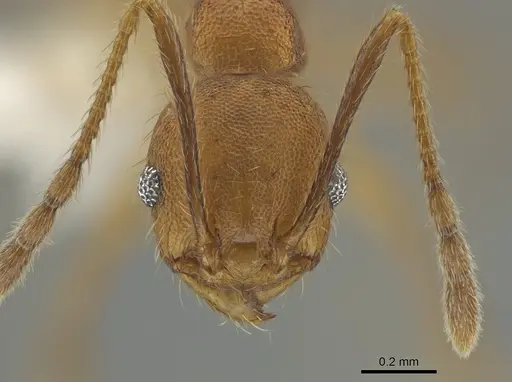
JTLC000016314
View on AntWeb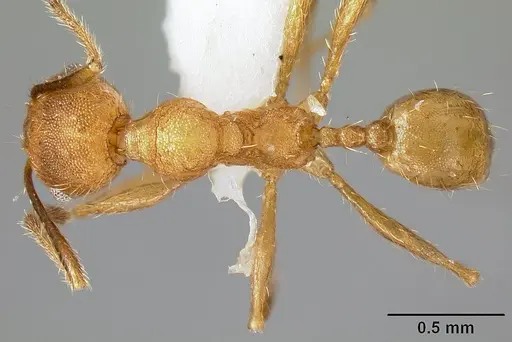
JTLC000016315
View on AntWeb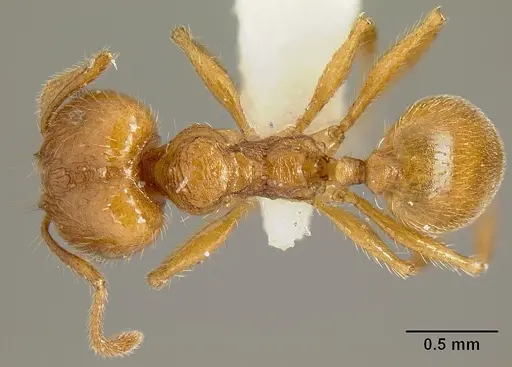
Literature
Loading...Loading products...