

Pheidole absurda
- Scientific Name
- Pheidole absurda
- Tribe
- Attini
- Subfamily
- Myrmicinae
- Author
- Forel, 1886
- Distribution
- Found in 5 countries
Pheidole absurda Overview
Pheidole absurda is an ant species of the genus Pheidole. It is primarily documented in 5 countries , including Costa Rica, Guatemala, Mexico. Detailed taxonomic data and occurrence records can be further explored via authoritative databases such as AntWeb or the Global Biodiversity Information Facility (GBIF).
Pheidole absurda
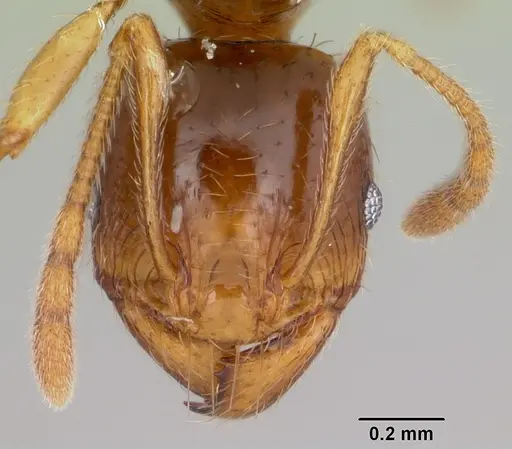
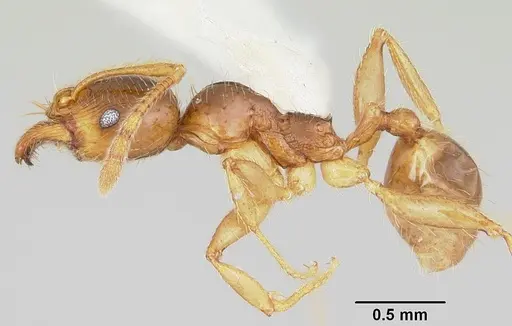
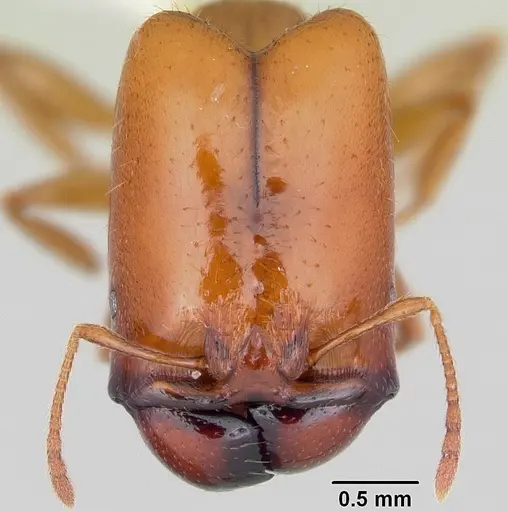
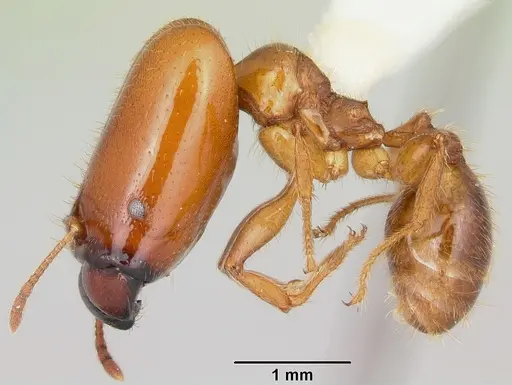
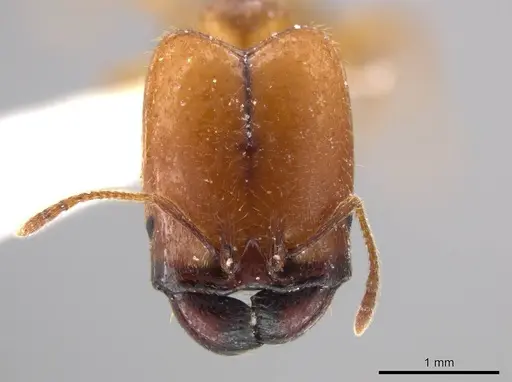
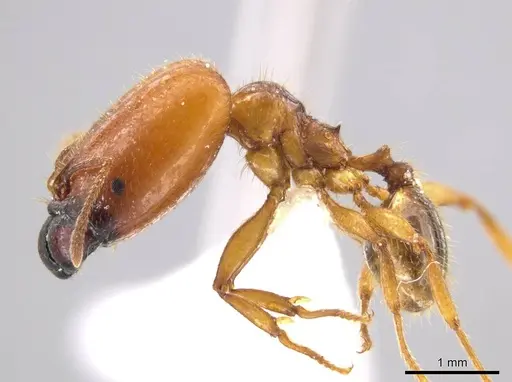
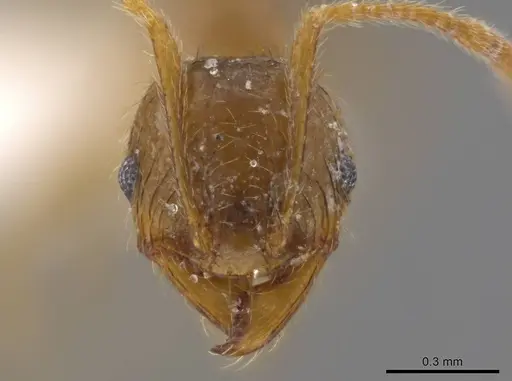
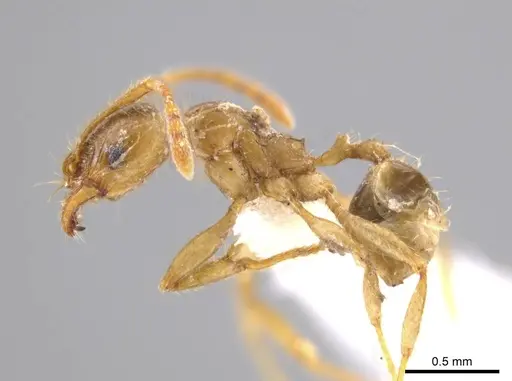
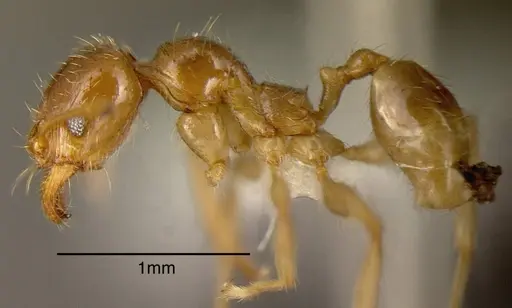
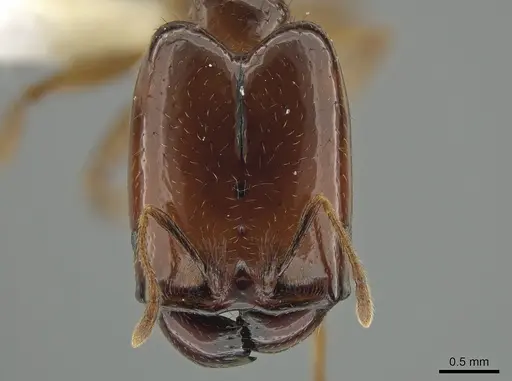
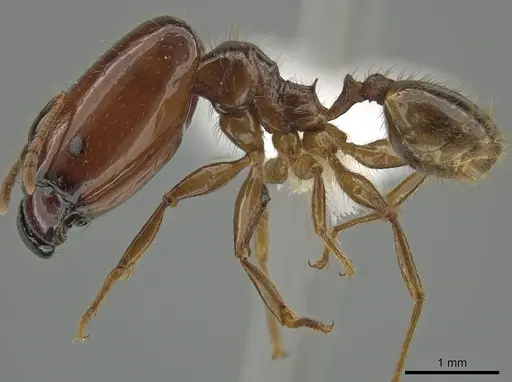
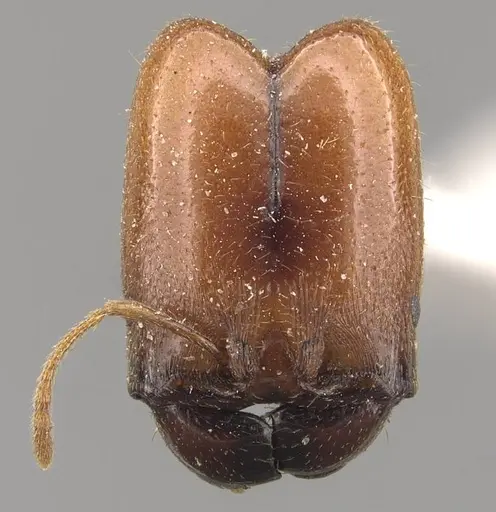
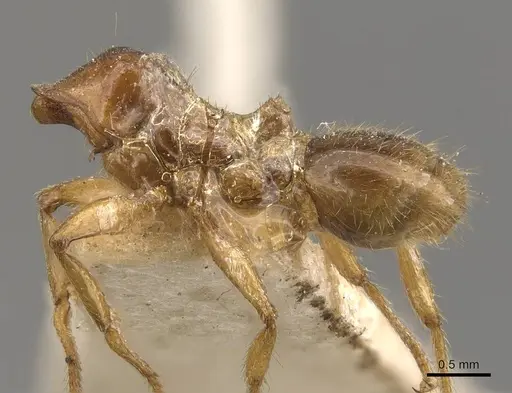
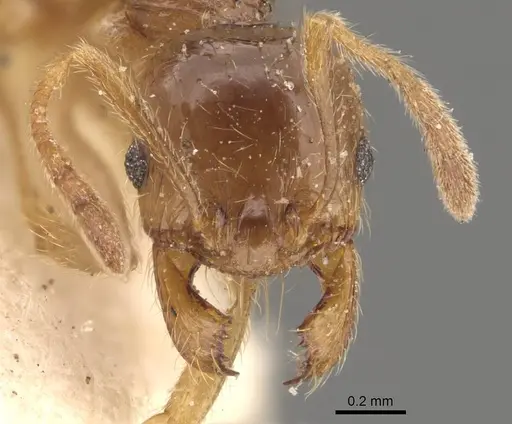
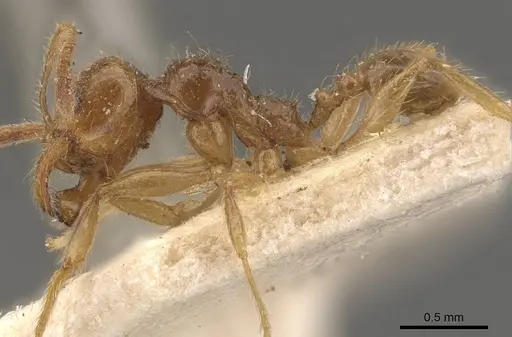
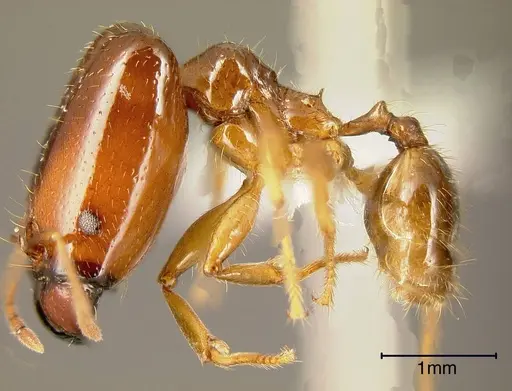
Pheidole absurda is a dimorphic ant species native to the Nearctic-Neotropical region, ranging from southern Texas through Mexico, Guatemala, and Costa Rica. The species is easily recognized by its dramatic size polymorphism: minor workers are tiny at around 0.7mm, while major workers (soldiers) have an extraordinarily large, elongated head measuring 2.38mm in length. The major's head is nearly smooth and shining, with a distinctive rectangular shape that inspired the species name 'absurda', Latin for 'foolish' or 'silly' due to its oddly proportioned appearance. Colonies excavate deep nests in soil, sometimes descending a full meter underground, with entrance holes just 2-5mm in diameter.
What makes P. absurda particularly interesting is its specialized seed-harvesting behavior. These ants are granivorous, collecting and storing seeds in dedicated granary chambers within their nests. The minor workers strip away the seed husks while the majors use their powerful mandibles to crack the seeds open, a task they perform with remarkable efficiency. The majors also serve as highly effective guards, defending the nest entrance with mandibles that can chop off the appendages of intruding arthropods. In observation nests, they successfully defended against other Pheidole species and even the native fire ant Solenopsis geminata.
Quick Summary
- Difficulty: Medium
- Origin & Habitat: Native to the Nearctic-Neotropical region, ranging from Brownsville, Texas south through Mexico, Guatemala, Honduras, Nicaragua to Costa Rica[1]. Found in thorn forest and moist clay habitats, with nests excavated in soil that can reach a meter deep.
- Colony Type: Single-queen colonies (monogyne) with dimorphic workers, majors and minors. A mature colony contains at least 75 majors and 300 minors.
- Colony: Monogyne
- Founding: Claustral
- Size & Growth:
- Queen: Approximately 5mm (based on soldier measurements) [2]
- Worker: Minor workers: 0.68-0.74mm head width [3]. Major workers: 1.79mm head width,2.38mm head length [3]
- Colony: At least 375 workers (75 majors + 300 minors) in mature colonies
- Growth: Moderate, colonies reach maturity with hundreds of workers over time
- Development: Estimated 6-8 weeks based on typical Pheidole development patterns (Development time inferred from genus-level data, specific timing for this species not documented)
- Antkeeping:
- Temperature: Keep at 24-28°C. This species comes from warm tropical and subtropical regions, so maintain warm conditions year-round. A heating cable on one side of the nest creates a suitable gradient.
- Humidity: Keep nest substrate moderately moist. They naturally nest in moist clay and soil, so provide damp substrate (like a moist plaster or soil-filled section) while allowing some drier areas for the ants to regulate their own humidity.
- Diapause: No, being a tropical/subtropical species, they do not require hibernation. Keep them at warm temperatures year-round.
- Nesting: Deep-nesting species that prefers soil or substrate that allows excavation. A naturalistic setup with deep soil (at least 10-15cm) or a plaster/acrylic nest with moist chambers works well. The nest should have chambers connected by tunnels to accommodate their deep natural nesting behavior.
- Behavior: Pheidole absurda is a granivorous species that actively forages for seeds. Their foraging is flexible, they can be nocturnal, diurnal, or active throughout a 24-hour period depending on shade and weather conditions. Foragers typically stay within ten feet of the nest entrance. Majors rarely venture far from the nest entrance, where they patrol and guard. This species is aggressive toward other ants and uses its majors as effective defenders. Escape prevention is important due to their small minor workers, use fine mesh barriers. Majors can deliver a painful bite with their powerful mandibles.
- Common Issues: small minor workers mean escapes are likely without fine mesh barriers, deep nesting requirement may be challenging to accommodate in standard formicariums, colonies may be slow to establish from founding stage due to seed-based diet, majors can be aggressive and may bite if threatened, handle with care, overheating or drying out can stress colonies since they prefer moist substrate
Housing and Nest Setup
Pheidole absurda requires housing that accommodates their deep-nesting behavior and seed-storage habits. In the wild, colonies excavate nests reaching a full meter underground with galleries and chambers descending from a small 2-5mm entrance. For captivity, a naturalistic setup with deep soil (at least 10-15cm) works best, or a plaster/acrylic nest with multiple connected chambers. The nest should have a moist substrate area for the brood and seed storage chambers, plus access to a dry outworld for foraging. Because minor workers are tiny, ensure all connections and barriers use fine mesh or tight-fitting seals to prevent escapes. A test tube setup can work for founding colonies, but be prepared to move them to a larger, deeper setup as the colony grows. [3]
Feeding and Diet
As granivorous ants, Pheidole absurda primarily harvests and stores seeds. In the wild, they collect seeds from surface litter and can form foraging columns when a concentrated food source is available. The minors strip away the seed husks while the majors crack the seeds open using their powerful mandibles, they pick up seeds laterally and apply pressure until the seed shatters. In captivity, offer a variety of small seeds (grass seeds, millet, poppy seeds) alongside protein sources like small insects. They are generalist omnivores [4], so they will accept both plant matter and protein. Provide a constant sugar source (honey water or sugar water) as well. Remove uneaten seeds periodically to prevent mold, but note that they store seeds in dedicated chambers, some seed storage is normal and healthy behavior.
Temperature and Seasonal Care
Being a tropical to subtropical species found from Texas to Costa Rica, Pheidole absurda requires warm temperatures year-round. Keep the nest area at 24-28°C. A heating cable placed on one side of the nest creates a temperature gradient that allows the ants to regulate their own conditions. They do not require hibernation or diapause, maintaining consistent warm temperatures is key. Avoid temperatures below 20°C for extended periods. Since they naturally nest in moist clay and soil, the nest substrate should be kept moderately moist but not waterlogged. Allow some variation in moisture levels within the nest so ants can choose their preferred microclimate. [3]
Behavior and Colony Dynamics
This species shows remarkable behavioral flexibility in foraging, while much foraging occurs at night, they are not strictly nocturnal. If the nest area is shaded or the day is overcast, foraging can continue around the clock. Foragers typically stay within ten feet of the nest, and majors rarely venture more than a foot from the entrance. The colony is dimorphic: minor workers handle most tasks including foraging and brood care, while majors serve as guards and seed-crackers. The majors are formidable defenders, they easily dispose of majors of other Pheidole species and can hold their own against fire ants (Solenopsis geminata). When threatened, majors will bite, and their powerful mandibles can deliver a painful pinch. Handle with care, especially when the colony is established and majors are present. [3]
Frequently Asked Questions
How long does it take for Pheidole absurda to have first workers?
Based on typical Pheidole development, expect first workers (nanitics) approximately 6-8 weeks after the queen lays eggs. Development time depends on temperature, warmer conditions (around 26-28°C) will speed development, while cooler temperatures slow it down.
Can I keep Pheidole absurda in a test tube?
Test tubes work for founding colonies, but these ants require deep nesting space as they mature. Plan to transfer the colony to a larger naturalistic or plaster nest within 6-12 months as the colony grows.
What do Pheidole absurda ants eat?
They are granivorous (seed-eaters) and will collect and store seeds. Feed small seeds like grass seeds, millet, or poppy seeds, plus protein sources like small insects. They also accept sugar water or honey. Minors handle the foraging while majors crack seeds open.
Are Pheidole absurda good for beginners?
Medium difficulty, they require warm temperatures, deep nesting space, and careful attention to humidity. Their seed-based diet is somewhat specialized compared to purely predatory ants. The deep-nesting requirement and escape prevention for tiny minors add complexity.
How big do Pheidole absurda colonies get?
Mature colonies contain at least 75 major workers and 300 minor workers (approximately 375+ total workers). The colony can likely grow larger with time and good care.
Do Pheidole absurda need hibernation?
No. Being a tropical/subtropical species from Texas to Costa Rica, they do not require hibernation. Keep them warm year-round at 24-28°C.
Why are my Pheidole absurda dying?
Common causes include: temperatures below 20°C (keep warm), dry nest substrate (they need moisture), escape of tiny minors through gaps (check all seals), or mold from excess moisture or uneaten food. Also ensure they have proper protein and seed sources for nutrition.
When should I move Pheidole absurda to a formicarium?
Move from a test tube setup to a larger nest when the colony reaches 50+ workers or after 6-12 months. They need deep space for nesting and chambers for seed storage.
Can I keep multiple Pheidole absurda queens together?
No. This species is monogyne, single-queen colonies. Multiple unrelated queens will fight. Only keep one queen per colony.
References

This caresheet is licensed under CC BY-SA 4.0 .
CASENT0103138
View on AntWeb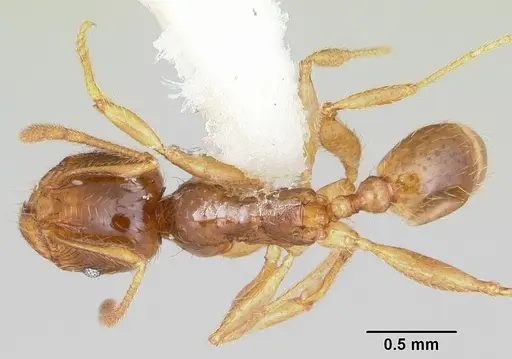
CASENT0103139
View on AntWeb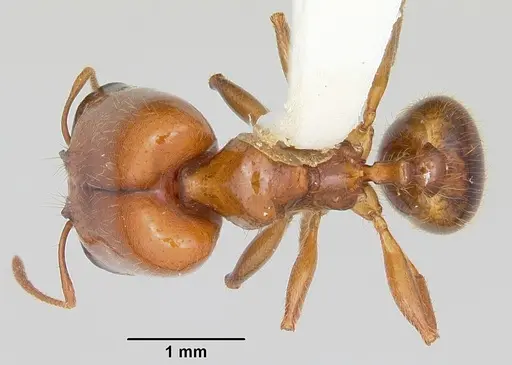
CASENT0611612
View on AntWeb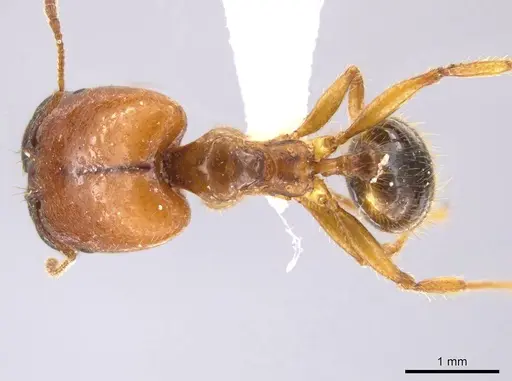
CASENT0611613
View on AntWeb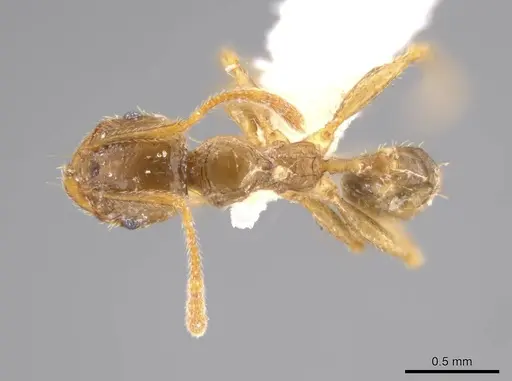
CASENT0635430
View on AntWeb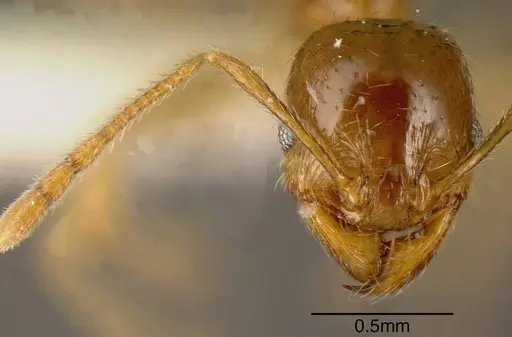
CASENT0646555
View on AntWeb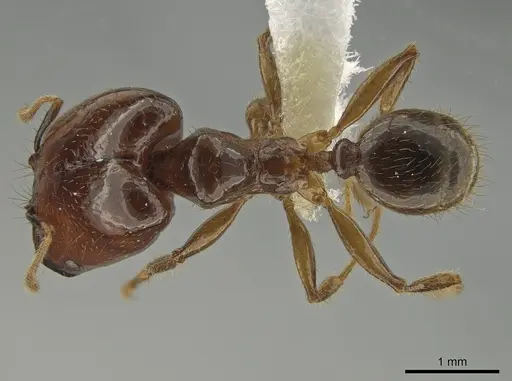
CASENT0908156
View on AntWeb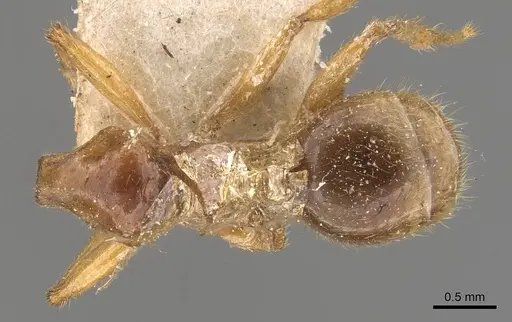
CASENT0908157
View on AntWeb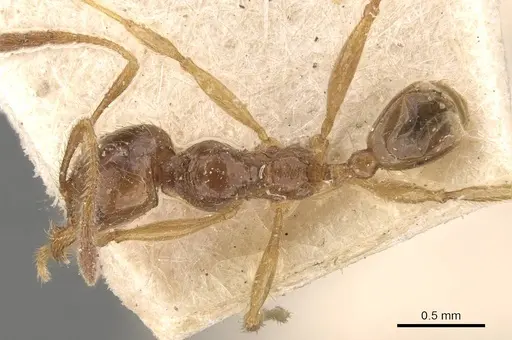
INBIOCRI001282755
View on AntWeb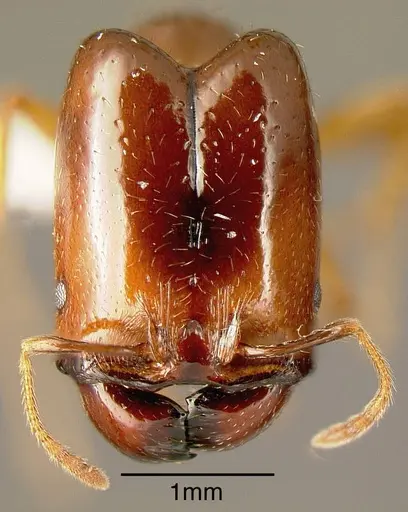
Literature
Loading...Loading products...