

Patagonomyrmex odoratus
- Scientific Name
- Patagonomyrmex odoratus
- Tribe
- Pogonomyrmecini
- Subfamily
- Myrmicinae
- Author
- Kusnezov, 1949
- Distribution
- Found in 2 countries
Patagonomyrmex odoratus Overview
Patagonomyrmex odoratus is an ant species of the genus Patagonomyrmex. It is primarily documented in 2 countries , including Argentina, Chile. Detailed taxonomic data and occurrence records can be further explored via authoritative databases such as AntWeb or the Global Biodiversity Information Facility (GBIF).
Patagonomyrmex odoratus
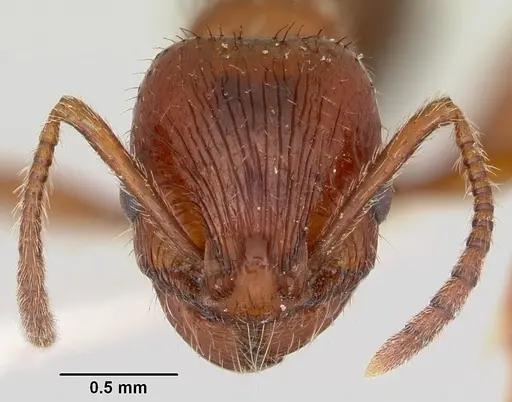
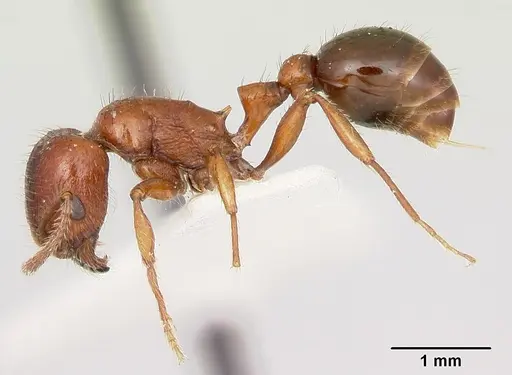
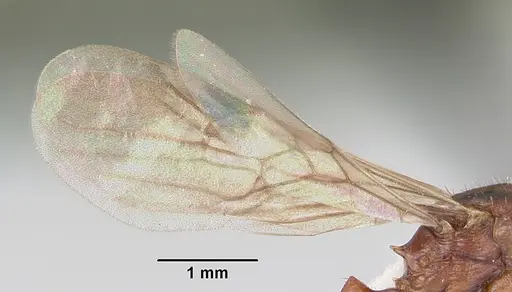
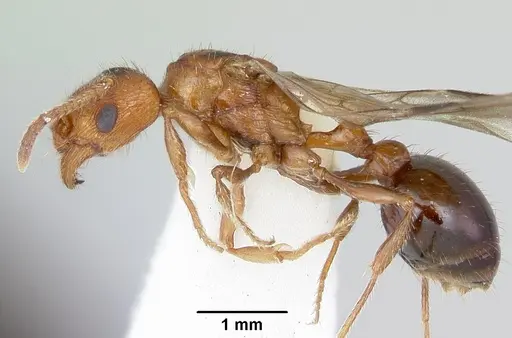
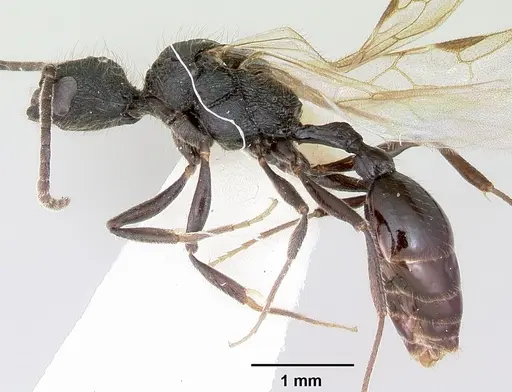
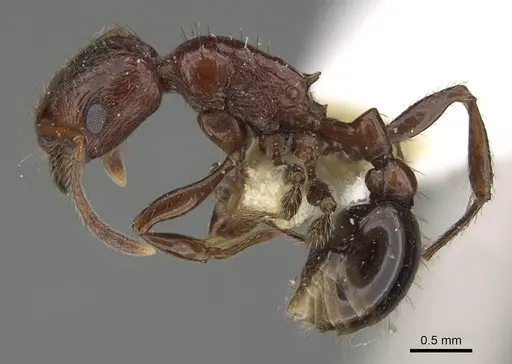
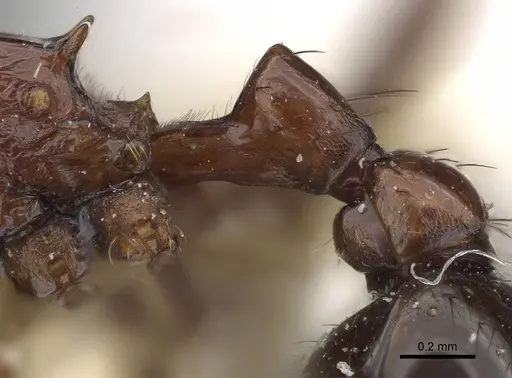
Patagonomyrmex odoratus is a small, striking harvester ant native to southern Argentina and Chile. Workers measure 1.00-1.27mm and have a distinctive appearance: the head and mesosoma are amber-orange to brownish-orange, while the gaster is darker orangish-black. Their most notable feature is the strong, wavy ridges (rugae) on their head. These ants are granivores, meaning they collect and eat seeds, making them part of the cleanup crew in their native Patagonian forests. They nest under stones or in open areas, with nest entrances ranging from simple holes to mounds 10-12cm in diameter. What makes this species special is its habitat, it's restricted to the cool, humid Nothofagus (southern beech) forests of the Andes, a region with short growing seasons. The species gets its name 'odoratus' from the distinctive odor it emits when disturbed.
Quick Summary
- Difficulty: Medium
- Origin & Habitat: Southern Argentina (Chubut, Neuquén, Río Negro) and southern Chile (La Araucanía, Metropolitan, O'Higgins regions). They live in cool, humid Nothofagus forests and exposed areas with Chilean cedar at elevations of 540-1700m in Argentina and 1000-1940m in Chile [1][2].
- Colony Type: Single-queen colonies (monogyne) with typically 1-2 reproductive dealate queens per colony [1].
- Colony: Monogyne
- Founding: Claustral
- Size & Growth:
- Queen: 1.21-1.26mm head length [1]
- Worker: 1.00-1.27mm head length [1]
- Colony: Probably fewer than 300-400 workers [1]
- Growth: Moderate, based on typical Pogonomyrmecini patterns
- Development: Estimated 6-10 weeks based on genus-level data from related Pogonomyrmex species (Development time is inferred from similar species in the tribe, specific data for P. odoratus is not available)
- Antkeeping:
- Temperature: Keep cool, these ants come from the temperate Andes. Aim for 18-22°C, with a slight gradient. Room temperature in most homes should work well. Avoid overheating.
- Humidity: Moderate to high. They prefer humid forest conditions. Keep nest substrate moist but not waterlogged, with some drier areas for the ants to regulate themselves.
- Diapause: Yes, these ants experience winter in their native Patagonia. Expect reduced activity during colder months. A hibernation period at 5-10°C for 2-3 months is recommended.
- Nesting: They naturally nest under stones or in open soil. In captivity, a naturalistic setup with a digging area works well, or a Y-tong/plaster nest with moisture. They prefer tight, enclosed spaces.
- Behavior: Workers are diurnal, slow-moving, solitary foragers that are timid and non-aggressive [1]. They don't sting readily and are peaceful toward keepers. Escape risk is moderate, they're small but not particularly fast or prone to climbing. Standard barrier methods should work.
- Common Issues: small colony size means they develop slowly, patience is required, they need seed-based foods which may be unfamiliar to new antkeepers, cool temperature requirements may conflict with warm room temperatures in summer, wild-caught colonies may struggle to adapt to captive conditions, their small size makes them vulnerable to drowning in water sources
Nest Preferences and Housing
In the wild, Patagonomyrmex odoratus nests under stones or in open areas, with nest entrances ranging from simple holes to small mounds 10-12cm in diameter [1]. For captive care, a naturalistic setup with a digging area works best, use a mix of soil and sand that they can excavate. Alternatively, a Y-tong or plaster nest with moisture chambers provides good humidity control. They prefer tight, enclosed chambers rather than open spaces. A small water tube for drinking is essential, but ensure they can't drown, use a cotton wick or small sponge.
Feeding and Diet
These ants are granivores, meaning seeds form the primary part of their diet [1]. In captivity, offer a variety of small seeds like sesame, millet, flax, or commercial ant 'seed mix'. They also accept small insects like fruit flies or pinhead crickets as protein. Sugar water or honey can be offered occasionally, though they're not strongly attracted to sweets. Feed seeds constantly and protein 1-2 times per week. Remove uneaten seeds to prevent mold.
Temperature and Seasonal Care
Patagonomyrmex odoratus comes from the cool, temperate Andes, this is NOT a tropical ant. Keep them at 18-22°C, which is cooler than many common ant species. In summer, ensure they don't overheat. In winter, they need a hibernation period of 2-3 months at 5-10°C to simulate their natural cycle. This diapause is important for colony health and reproduction. A simple way to achieve this is moving them to an unheated garage or basement during winter months. [1]
Behavior and Temperament
Workers are diurnal, slow-moving, solitary foragers that are timid and non-aggressive [1]. They won't bite or sting readily, making them easy to handle. They forage individually rather than in trails, searching for seeds throughout their territory. This calm nature makes them interesting to observe but means they're not particularly exciting to watch during foraging. They're best suited for keepers who enjoy observing quiet, methodical ants rather than aggressive foragers.
Colony Development
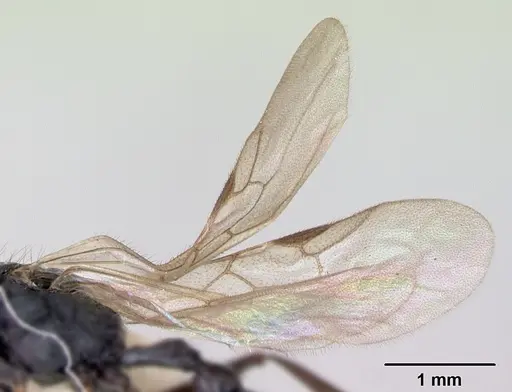
Colonies are small, probably containing fewer than 300-400 workers at maturity [1]. Each colony typically has 1-2 reproductive queens. Alate (winged) sexuals have been collected from January 15 to February 18,suggesting mating flights occur during the austral summer (late January through March). Queens are 1.21-1.26mm in head length, workers 1.00-1.27mm. Growth is moderate, expect several months from founding to first workers, then slow but steady growth over years.
Frequently Asked Questions
How long does it take for Patagonomyrmex odoratus to produce first workers?
Based on related species in the Pogonomyrmecini tribe, expect 6-10 weeks from egg to first worker at optimal temperature. Specific development data for P. odoratus is not available.
What do Patagonomyrmex odoratus ants eat?
They are granivores, seeds are their primary food. Offer small seeds like sesame, millet, or flax. They also accept small insects for protein and occasional sugar water.
What temperature should I keep Patagonomyrmex odoratus at?
Keep them cool, 18-22°C is ideal. These ants come from the temperate Andes and don't do well in warm conditions. Avoid temperatures above 25°C.
Do Patagonomyrmex odoratus need hibernation?
Yes, they need a winter rest period. These ants experience cold winters in Patagonia. Provide 2-3 months at 5-10°C during winter months.
How big do Patagonomyrmex odoratus colonies get?
Colonies probably reach fewer than 300-400 workers [1]. They're a relatively small species compared to many Pogonomyrmex.
Can I keep multiple Patagonomyrmex odoratus queens together?
In the wild, colonies typically have 1-2 reproductive queens [1]. However, this is not recommended for captive founding, start with a single queen for best success.
Are Patagonomyrmex odoratus good for beginners?
They are rated Medium difficulty. They're peaceful and don't require much handling, but their seed-based diet and cool temperature needs may be unfamiliar to new antkeepers. Their small colony size also requires patience.
When do Patagonomyrmex odoratus have nuptial flights?
Alates have been collected from January 15 to February 18,suggesting mating flights occur during the austral summer (late January through March) [1].
What type of nest should I use for Patagonomyrmex odoratus?
A naturalistic setup with soil/sand for digging works well, or a Y-tong/plaster nest with moisture chambers. They prefer tight chambers and enclosed spaces over open areas.
References

This caresheet is licensed under CC BY-SA 4.0 .
CASENT0103395
View on AntWeb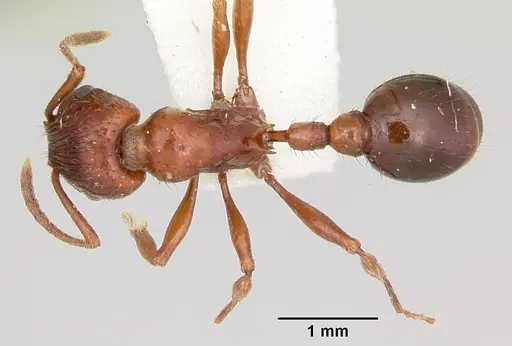
CASENT0103396
View on AntWeb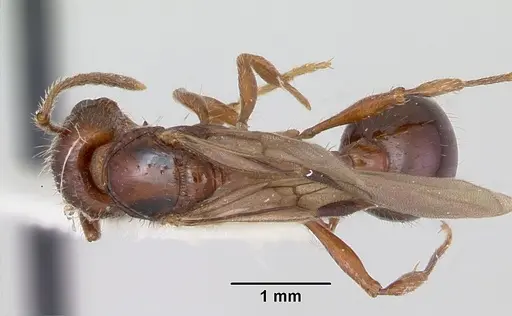


CASENT0103397
View on AntWeb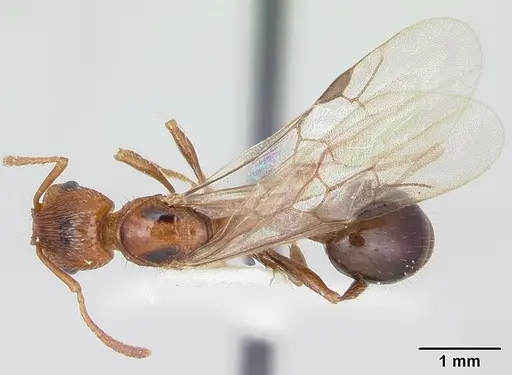

CASENT0103405
View on AntWeb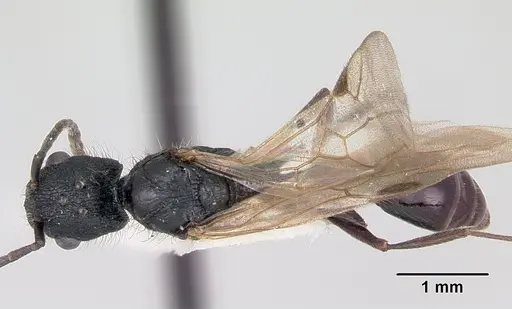

CASENT0914807
View on AntWeb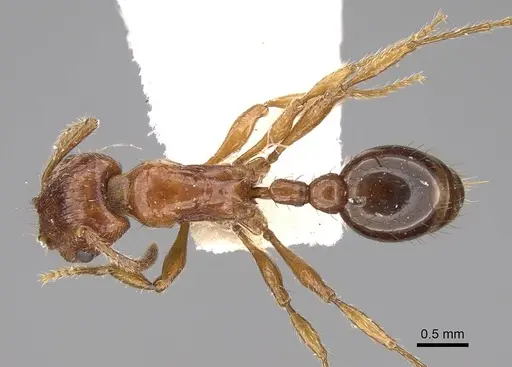


CASENT0919842
View on AntWeb

Literature
Loading...Loading products...