

Paratrechina umbra
- Scientific Name
- Paratrechina umbra
- Tribe
- Lasiini
- Subfamily
- Formicinae
- Author
- Zhou & Zheng, 1998
- Distribution
- Found in 1 countries
Paratrechina umbra Overview
Paratrechina umbra is an ant species of the genus Paratrechina. It is primarily documented in 1 countries , including China. Detailed taxonomic data and occurrence records can be further explored via authoritative databases such as AntWeb or the Global Biodiversity Information Facility (GBIF).
Paratrechina umbra
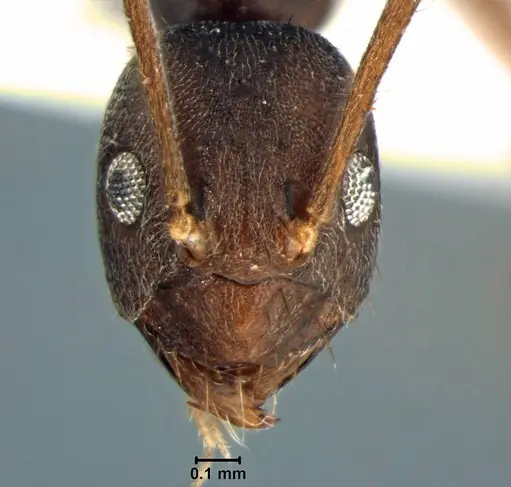
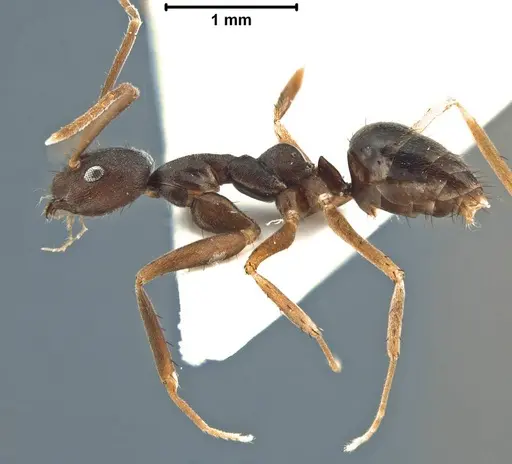
Paratrechina umbra is a small ant species native to China, originally described in 1998 as Paratrechina umbra before being transferred to the Paratrechina genus in 2016. Workers measure 3.08-3.77mm and have a distinctive appearance with a dark brown to black body contrasting sharply with yellow to light brown legs and antennae. The species is characterized by an elongate head (longer than wide), very long antennae scapes that extend well past the back of the head, and deep sutures on the mesosoma. This combination of features helps distinguish it from similar-looking ants in the Prenolepis genus.
The biology of this specific species remains completely unstudied in scientific literature. However, being a Paratrechina species, it likely shares traits with others in this genus, small ants that typically nest in leaf litter, rotting wood, or vegetation in forested areas. They are generalist feeders known to tend hemipterans like aphids for honeydew. This makes them an interesting species for advanced antkeepers who don't mind working with limited information.
Quick Summary
- Difficulty: Expert
- Origin & Habitat: Native to the Palaearctic region, specifically China. The exact habitat preferences are unconfirmed, but related Paratrechina species typically inhabit forest leaf-litter, rotten logs, and sometimes vegetation or canopy layers in both rain forests and cleared forest areas [1].
- Colony Type: Unconfirmed, no research exists on colony structure for this species. Most Paratrechina species are known to be polygynous (multiple queens) but this is unconfirmed for P. umbra specifically.
- Size & Growth:
- Queen: Unconfirmed, no queen specimens have been described in scientific literature
- Worker: 3.08-3.77mm [2]
- Colony: Unconfirmed, no colony size data exists for this species
- Growth: Unknown
- Development: Unconfirmed, no development data exists for this species. Related Paratrechina species typically develop from egg to worker in 4-8 weeks at optimal temperatures. (No species-specific data available. Development timeline is entirely unknown.)
- Antkeeping:
- Temperature: Unconfirmed, no thermal studies exist for this species. As a Chinese species from temperate regions, they likely tolerate cooler temperatures than tropical ants. Based on typical Paratrechina preferences, room temperature (18-24°C) is likely suitable. Start at room temperature and observe colony behavior before making adjustments.
- Humidity: Unconfirmed, no humidity data exists. Related Paratrechina species from forest habitats prefer moderate to high humidity. Aim for 50-70% relative humidity with a moist nest substrate. Provide a water tube for humidity access.
- Diapause: Likely yes, as a species from China's temperate climate, they probably require a winter dormancy period. However, this is unconfirmed for this specific species.
- Nesting: Based on genus-level patterns, they likely prefer nesting in moist leaf-litter, rotting wood, or similar humid microhabitats. A naturalistic setup with substrate or a Y-tong/plaster nest with good moisture retention would be appropriate. Avoid dry, arid setups.
- Behavior: Not studied in captivity. Based on related species, they are likely generalist feeders that accept both sugar sources and protein. They probably tend hemipterans for honeydew and may show moderate to high activity levels. Escape prevention should be taken seriously, at 3+mm they are not tiny but standard precautions still apply. No data exists on aggression levels or stinging ability.
- Common Issues: biology is completely unstudied, all care recommendations are genus-level inferences, no information on founding behavior, unknown if claustral or semi-claustral, colony structure (single vs multiple queens) is unconfirmed, development timeline is unknown, growth could be fast or slow, winter care requirements are unconfirmed, diapause needs uncertain, no data on accepted foods, diet must be determined experimentally
Identification and Appearance
Paratrechina umbra workers are small ants measuring 3.08-3.77mm in total length. They have a striking bicolored appearance with a dark brown to black body contrasting against yellow to light brown legs and antennae. The head is distinctly longer than wide (cephalic index 76-81), and the antennae scapes are very elongate, surpassing the posterior margin of the head by a significant amount (scape index 173-187). The mesosoma has deep and complete mesonotal and metanotal sutures, which helps distinguish this species from similar ants in the Prenolepis genus that were once thought to be its closest relatives. The entire body has a lightly to finely reticulate texture with dark, erect macrosetae (large bristles) concentrated on the head, gaster, and legs. [2]
Why This Species Is Challenging
This is one of the least-studied ant species in the hobby. The scientific community has published zero biological research on Paratrechina umbra, we know what the workers look like and that they live in China, but nothing about their colony structure, founding behavior, diet preferences, development timeline, or overwintering needs. Every piece of care advice in this caresheet is either a direct guess or a genus-level inference from related species. This makes P. umbra an expert-only species, you should only keep it if you're comfortable experimenting and don't mind if your colony fails due to unknown requirements. If you want a Paratrechina with more available information, consider more commonly kept species in this genus.
Housing and Nest Setup
Since we don't know their exact nesting preferences, use a setup that matches what works for related Paratrechina species. A naturalistic terrarium-style setup with moist substrate (like a mix of soil and leaf litter) works well for forest-dwelling Paratrechina. Alternatively, a Y-tong (acrylic) nest or plaster nest with good moisture retention provides better visibility while still allowing you to maintain humidity. Include a water tube or moisture reservoir. Because their natural habitat includes leaf-litter and rotting wood, adding some decaying organic material to the outworld can encourage natural foraging behaviors. Use standard escape prevention, while not tiny, they can still escape through small gaps. [1]
Feeding and Diet
Diet is entirely unconfirmed for this species, but based on genus-level patterns, they are generalist feeders. Related Paratrechina species are known to be generalistic feeders that often form trophobiotic relationships with hemipterans (aphids, scale insects) to harvest honeydew. In captivity, you should offer a variety of foods including sugar water or honey as an energy source, and protein sources like small insects (fruit flies, pinhead crickets, mealworms). Start with sugar water and observe if workers accept it, then add protein. Because nothing is known about their specific preferences, be prepared to experiment. Remove uneaten food after 24-48 hours to prevent mold. [1]
Temperature and Seasonal Care
No thermal data exists for this species. As a Chinese ant from the Palaearctic region, it likely experiences seasonal temperature variations and probably requires a winter dormancy period. Start with room temperature (18-24°C) as a baseline. If the colony is active and foragers are moving throughout the outworld, the temperature is likely acceptable. If they seem sluggish or cluster together excessively, consider a slight temperature increase. For winter, a cool basement or refrigerator (around 5-10°C) may be appropriate, but this is an educated guess rather than confirmed requirement. Monitor colony behavior closely and adjust based on their response.
Colony Establishment
Since founding behavior has never been documented for this species, we don't know if the queen seals herself in (claustral) or must forage during founding (semi-claustral). If you obtain a founding queen, the safest approach is to provide a small test tube setup with water reservoir and keep her in darkness with minimal disturbance. Offer a tiny drop of sugar water after 1-2 weeks, but don't be alarmed if she doesn't take it, she may be claustral and not need to forage. Do not attempt to combine multiple unrelated queens, pleometrosis (multiple-queen founding) has not been studied in this species and could result in fighting. Be patient, with no development data, you may be waiting months or longer for the first workers.
Frequently Asked Questions
How long does it take for Paratrechina umbra to produce first workers?
This is completely unknown. No scientific research has documented the development timeline for this species. Related Paratrechina species typically develop from egg to worker in 4-8 weeks at warm temperatures, but P. umbra could be faster or slower. You may need to wait several months before seeing any brood development.
Can I keep multiple Paratrechina umbra queens together?
We don't know. No research exists on colony structure for this species. While many Paratrechina species are polygynous (multiple queens), this is unconfirmed for P. umbra. Do not attempt to combine unrelated foundress queens, the outcome is unpredictable and could result in fighting and colony loss.
What do Paratrechina umbra ants eat?
Diet is unconfirmed, but based on related species, they are generalist feeders. Offer sugar water or honey for energy and small insects (fruit flies, pinhead crickets, mealworms) for protein. Related species also tend hemipterans for honeydew, so they may accept sugar sources. Experiment to see what your colony prefers.
Do Paratrechina umbra ants need hibernation?
Likely yes. As a species from China's temperate climate, they probably require a winter dormancy period. However, this is unconfirmed, no research has studied their seasonal requirements. If your colony shows reduced activity in winter, provide a cool period around 5-10°C. If they remain active, they may not need formal hibernation.
Are Paratrechina umbra ants good for beginners?
No. This species is not recommended for beginners or even intermediate antkeepers. The biology is completely unstudied, there is no data on founding, development, diet, temperature preferences, humidity needs, or colony structure. Every aspect of their care must be learned through experimentation. Only experienced antkeepers who enjoy working with poorly understood species should consider this ant.
What size nest should I use for Paratrechina umbra?
Since colony size is unknown, start with a small setup (test tube or small Y-tong nest) for a founding colony. As the colony grows, be prepared to upgrade. Based on related species, they likely prefer humid nests with organic material, so consider a naturalistic setup or a moisture-retaining plaster/acrylic nest.
Where does Paratrechina umbra live in the wild?
This species is known only from China in the Palaearctic region. The exact habitat is unconfirmed, but related Paratrechina species typically nest in leaf-litter, rotting logs, or vegetation in forested areas. They are often found in both rain forests and cleared forest environments.
How big do Paratrechina umbra colonies get?
Unknown. No research has documented maximum colony size for this species. Related Paratrechina species vary widely in colony size. You should plan for the possibility of a small to medium-sized colony but cannot predict exact numbers.
What temperature is best for Paratrechina umbra?
Unconfirmed. Start with room temperature (18-24°C) as a safe baseline. As a Chinese species from temperate regions, they likely tolerate cooler temperatures than tropical ants. Observe your colony's activity level and adjust slightly up or down based on how they respond. Avoid extreme temperatures in either direction.
References

This caresheet is licensed under CC BY-SA 4.0 .
USNMENT00755067
View on AntWeb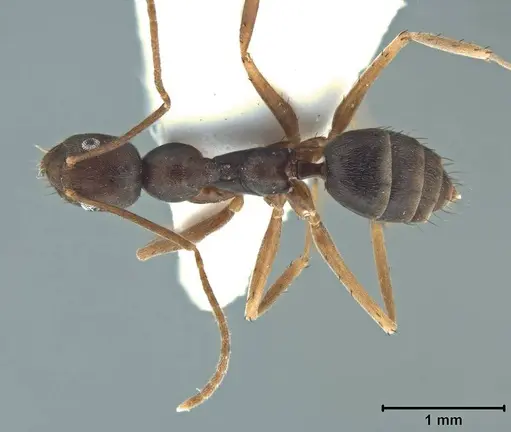
Literature
Loading...Loading products...