

Paratopula macta
- Scientific Name
- Paratopula macta
- Tribe
- Crematogastrini
- Subfamily
- Myrmicinae
- Author
- Bolton, 1988
- Distribution
- Found in 2 countries
Paratopula macta Overview
Paratopula macta is an ant species of the genus Paratopula. It is primarily documented in 2 countries , including Malaysia, Thailand. Detailed taxonomic data and occurrence records can be further explored via authoritative databases such as AntWeb or the Global Biodiversity Information Facility (GBIF).
Paratopula macta
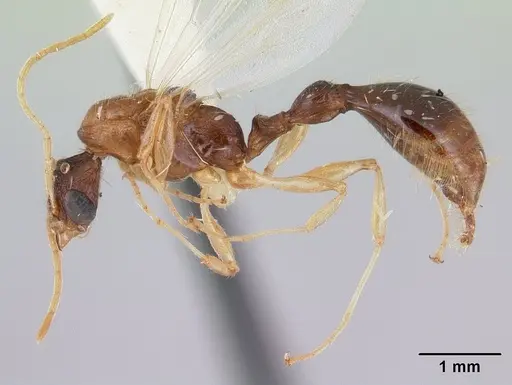
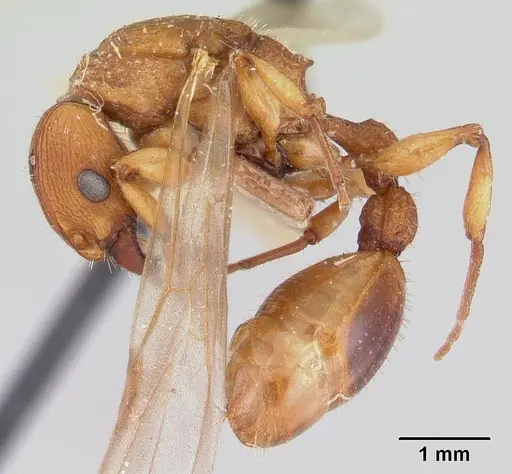
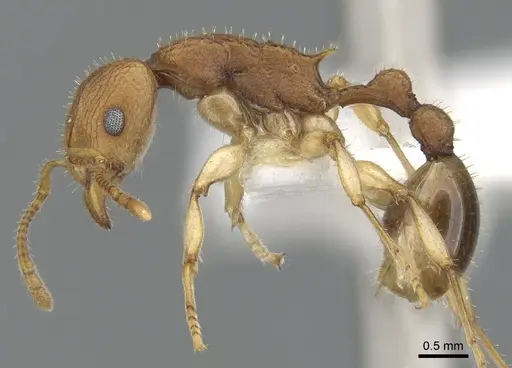
Paratopula macta is a rare arboreal ant species from the Myrmicinae subfamily, described by Bolton in 1988. Workers are small to medium-sized with distinctive short stout hairs on the middle and hind tibiae. This species is found across Southeast Asia including Borneo, Brunei, Malaysia, the Philippines, Thailand, and Laos [1][2]. The genus Paratopula is one of the rarest and least studied ant genera in Asia, with specimens rarely collected in the wild [2]. These ants appear to be arboreal, living in tropical forest canopies rather than on the forest floor.
Quick Summary
- Difficulty: Expert
- Origin & Habitat: Southeast Asia, specifically Brunei, Malaysia (Sabah, Sarawak), Philippines (Luzon, Negros), Thailand, and Laos (Vientiane). Found in tropical rainforest environments, likely arboreal in forest canopies [1][2].
- Colony Type: Colony structure is unconfirmed. No data exists on whether they are single-queen (monogyne) or multi-queen (polygyne) colonies.
- Size & Growth:
- Queen: Unknown, no measurements available in scientific literature
- Worker: Unknown, no measurements available in scientific literature
- Colony: Unknown, no colony size data exists
- Growth: Unknown
- Development: Unknown, no development data exists for this species (This is one of the least studied ant species in Southeast Asia. No biological or behavioral data is available in the scientific literature.)
- Antkeeping:
- Temperature: Unknown, infer tropical rainforest conditions, suggest 24-28°C as a starting point
- Humidity: Unknown, infer high humidity arboreal conditions, suggest 70-85% with moisture in nesting material
- Diapause: Unknown, tropical species likely does not require hibernation, but no data exists
- Nesting: Presumed arboreal, likely nests in hollow twigs, branches, or tree cavities in the wild. In captivity, small acrylic nests or Y-tong nests with tight chambers may work. Provide climbing structures.
- Behavior: Behavior is completely unstudied. Based on genus placement in Myrmicinae and arboreal habits, they are likely somewhat defensive but not aggressive. Escape risk is unknown due to lack of size data, assume medium escape risk and use standard barrier methods.
- Common Issues: no biological data exists, all care is speculative and experimental, species is extremely rare in the hobby with no established keeping protocols, arboreal nature means standard ground-nest setups may be inappropriate, no information on acceptable foods, must experiment carefully, risk of colony failure due to unknown requirements
Species Overview and Rarity
Paratopula macta is one of the rarest ant species in the ant-keeping hobby and in scientific collections. Described by Barry Bolton in 1988 from specimens collected in Brunei and Malaysia, this species has rarely been encountered since. The type specimens were collected from Ulu Temburong in Brunei and Danum Valley in Sabah, Malaysia [3]. Since then, records have expanded to include the Philippines (Luzon and Negros islands), Thailand, and Laos, but specimens remain exceedingly rare in ant surveys. This species should be considered expert-level only, as no established care protocols exist and all recommendations are based on inference from related genera and general Myrmicinae biology.
Distribution and Habitat
This species is known from across Southeast Asia's Indomalaya region. Records exist from Borneo (Brunei and Malaysian Borneo), the Philippines (Luzon and Negros), Thailand (including Bangkok urban areas and Khao Yai), and Laos (Vientiane province) [1][2][4]. In Thailand, they have been found in both natural forest areas and urban environments, with a low frequency of occurrence (3% across all habitats in one Bangkok study) [5]. The arboreal nature of this genus suggests they live in tree canopies, likely nesting in hollow twigs, rotting branches, or tree cavities. The tropical distribution indicates they are adapted to warm, humid conditions year-round.
Taxonomy and Identification
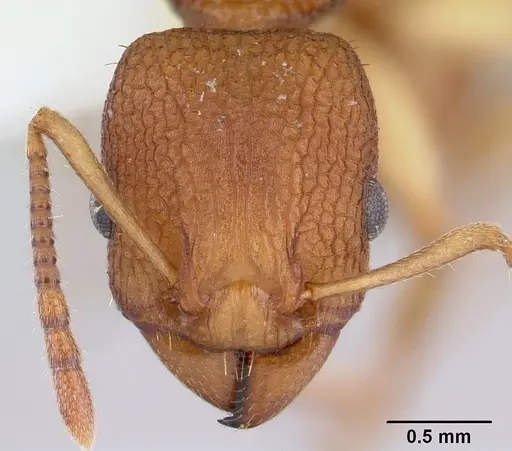
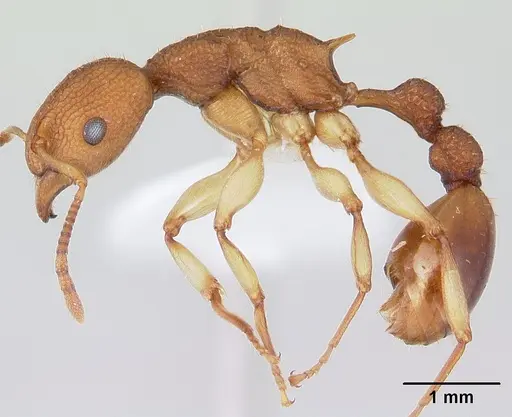
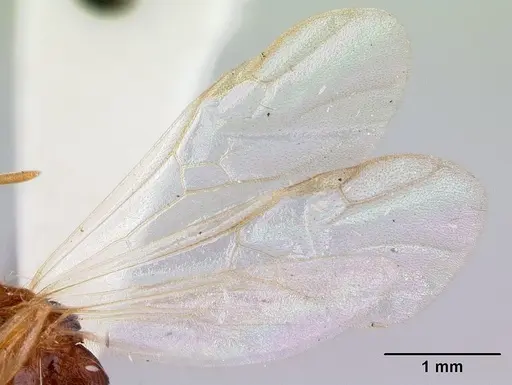
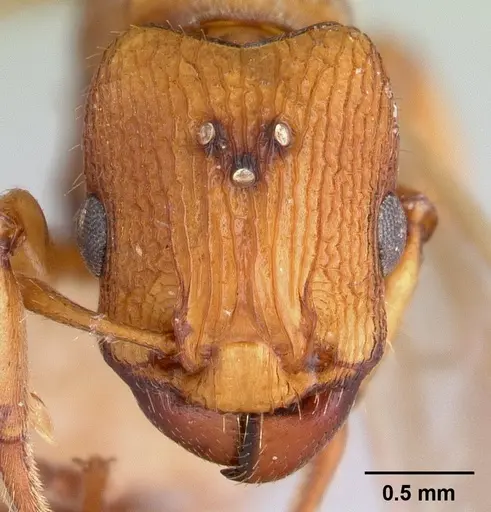
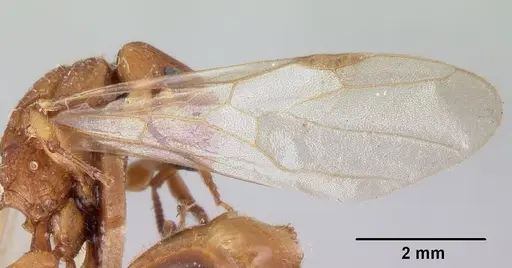
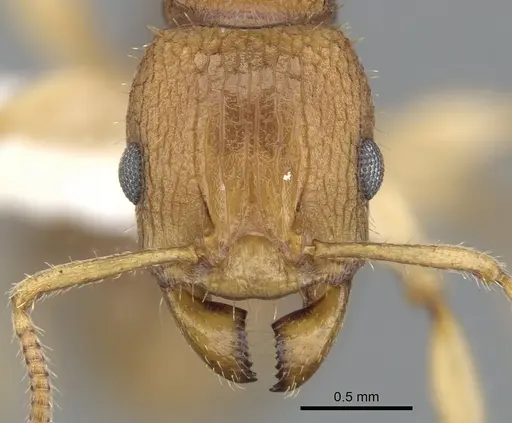
Paratopula macta belongs to the subfamily Myrmicinae and tribe Crematogastrini. The genus Paratopula was originally described by Wheeler in 1919 but was largely forgotten until Bolton's 1988 review [3]. The species can be identified by the distinctive short stout erect to suberect hairs on the dorsal surfaces of the middle and hind tibiae, combined with short decumbent to appressed pubescence [3][2]. This hair pattern on the tibiae is a key diagnostic character that separates Paratopula from similar genera. No images of living specimens or detailed morphological measurements are available in the scientific literature.
Housing and Nesting (Speculative)
Since no captive husbandry data exists for this species, all recommendations are speculative. Based on the arboreal nature of the genus, provide a nest setup that allows for vertical space and climbing structures. Small acrylic nests or Y-tong formicaria with tight chambers may be appropriate once colony size is known. Include twigs, branches, or cork bark within the outworld to simulate their natural arboreal habitat. Maintain high humidity (70-85%) and keep the nest area consistently moist but not waterlogged. Temperature should be in the tropical range (24-28°C). Ensure excellent escape prevention, without confirmed size data, assume they can squeeze through standard gaps and use appropriate barriers.
Feeding and Diet (Experimental)
No data exists on what Paratopula macta eats in the wild or in captivity. As a Myrmicinae species, they likely have a varied diet including carbohydrates (honeydew, nectar) and protein (small insects). Start with offering sugar water or honey as a carbohydrate source, and small live prey such as fruit flies, pinhead crickets, or mealworms as protein. Observe carefully for acceptance. Given their presumed arboreal lifestyle, they may be more inclined to forage on branches and surfaces rather than on the ground. Remove uneaten food after 24-48 hours to prevent mold. This species should be considered experimental in terms of diet, keepers should document their observations carefully.
Important Keeper Notes
This is one of the most challenging species to keep because absolutely no biological or husbandry data exists. Before acquiring this species, consider whether you have the experience and resources to maintain an entirely experimental colony with unknown requirements. There are no established protocols, no known successful captive breeding records in the hobby, and no baseline data for temperature, humidity, or diet preferences. If you do obtain this species, document everything carefully, your observations could contribute valuable information to the ant-keeping community. This species is not recommended for beginners or even intermediate antkeepers. Consider related genera like Rotastruma (also rarely kept) for similar challenges at a slightly lower difficulty level.
Frequently Asked Questions
How do I keep Paratopula macta ants?
No established care protocol exists. This species is considered expert-level only. Based on its Southeast Asian distribution and presumed arboreal nature, provide high humidity (70-85%), warm temperatures (24-28°C), and a nest with climbing structures. All care is experimental.
What do Paratopula macta ants eat?
Unknown, no feeding data exists. Start with sugar water/honey and small live prey (fruit flies, pinhead crickets). Document acceptance carefully as this species has never been kept in captivity before.
How big do Paratopula macta colonies get?
Unknown, no colony size data exists in scientific literature. Related arboreal Myrmicinae typically have smaller colonies, possibly under 500 workers.
Do Paratopula macta ants sting?
Unknown, no data on sting or pain level. Most Myrmicinae have stingers but many are too small to penetrate human skin. Handle with caution until more is known.
Is Paratopula macta good for beginners?
No. This species is not recommended for any level below expert. There is no captive husbandry data, no established protocols, and keeping success is entirely uncertain.
How long does it take for Paratopula macta to develop from egg to worker?
Unknown, no development data exists for this species. Based on typical Myrmicinae patterns and tropical temperatures, estimate 4-8 weeks, but this is purely speculative.
Do Paratopula macta ants need hibernation?
Unknown, tropical species likely does not require hibernation. Maintain warm temperatures year-round (24-28°C). No diapause data exists.
Can I keep multiple Paratopula macta queens together?
Unknown, no data exists on colony structure or queen behavior. Do not attempt combining unrelated queens without data.
What is the best nest type for Paratopula macta?
Unknown, likely arboreal. Speculatively, small acrylic nests or Y-tong formicaria with vertical climbing space and small twigs/branches in the outworld may work.
References

This caresheet is licensed under CC BY-SA 4.0 .
CASENT0178560
View on AntWeb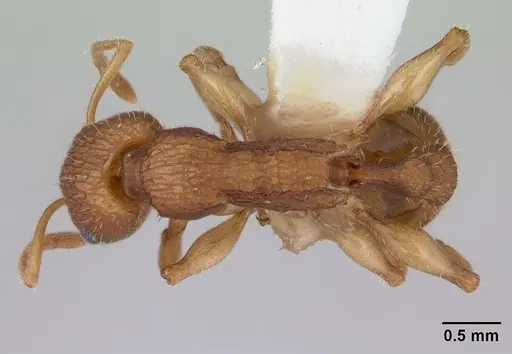
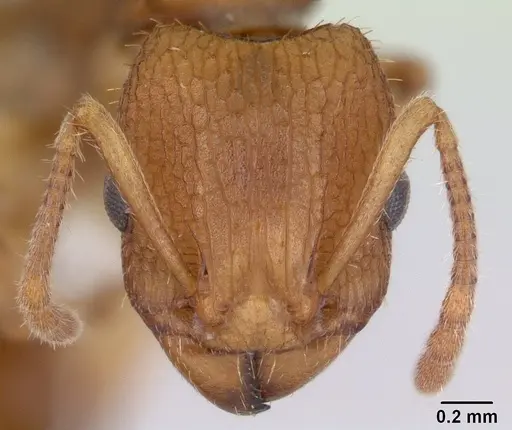
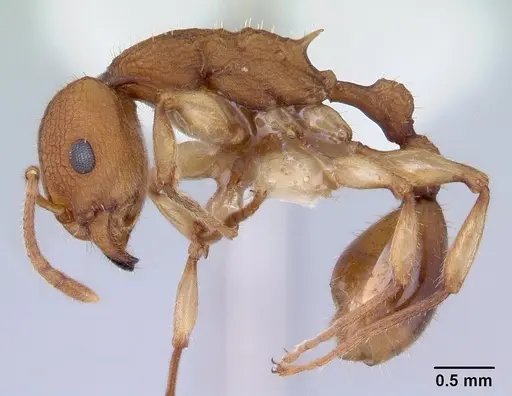
CASENT0178561
View on AntWeb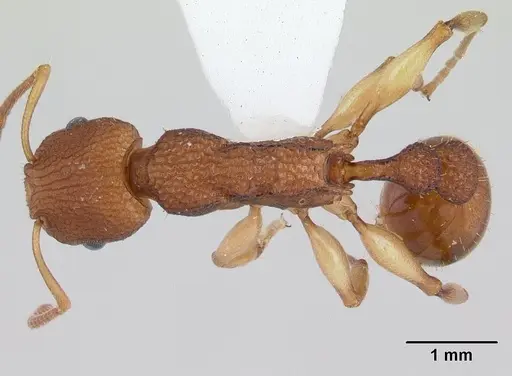
CASENT0178562
View on AntWeb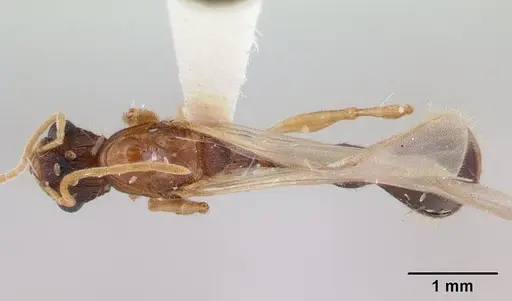
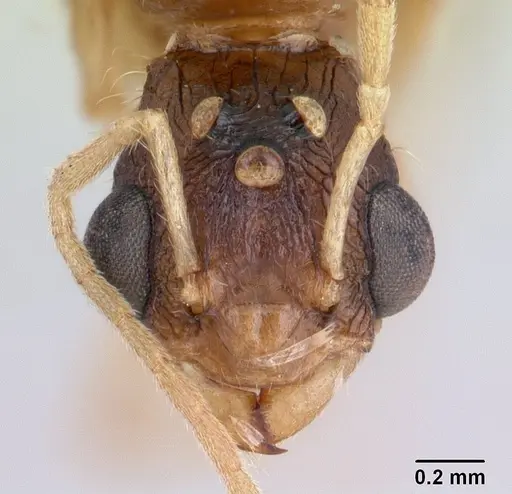
CASENT0178563
View on AntWeb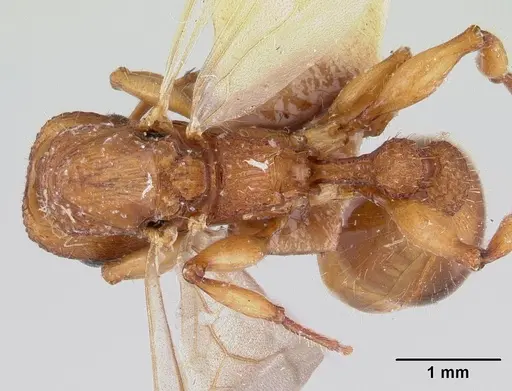
CASENT0901740
View on AntWeb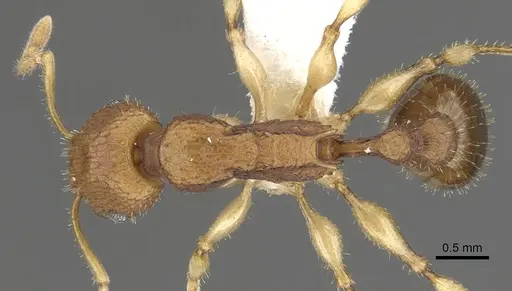
Literature
Loading...Loading products...