

Parasyscia zimmermani
- Scientific Name
- Parasyscia zimmermani
- Subfamily
- Dorylinae
- Author
- Wilson, 1959
- Distribution
- Found in 1 countries
Parasyscia zimmermani Overview
Parasyscia zimmermani is an ant species of the genus Parasyscia. It is primarily documented in 1 countries , including Fiji. Detailed taxonomic data and occurrence records can be further explored via authoritative databases such as AntWeb or the Global Biodiversity Information Facility (GBIF).
Parasyscia zimmermani
Parasyscia zimmermani is a small, rare ant endemic to Fiji, formerly known as Parasyscia zimmermani. Workers are part of the lindrothi complex and represent the largest and least sculptured Fijian species in this genus. They have 12-segmented antennae, large eyes, and a petiole that is longer than broad. Unlike many related species, they entirely lack foveae (tiny pits) on their body. This species stands out as the only arboreal species in the Parasyscia genus, most relatives nest in soil or under stones, but P. zimmermani lives in hollow twigs and branches in trees [1][2].
Quick Summary
- Difficulty: Unknown, limited data available
- Origin & Habitat: Endemic to Fiji islands, specifically found on Viti Levu (Mt. Korombamba 400m, Navai Mill near Nadarivatu 850m, Korobaba) and Kadavu (Mt. Washington 760m). They live in tropical forest habitats and are arboreal, nesting in hollow twigs in trees [1][3].
- Colony Type: Colony structure is unconfirmed. No data on queen number or colony size in wild colonies.
- Size & Growth:
- Queen: Unknown, queen has not been described in scientific literature
- Worker: Not precisely measured in available literature
- Colony: Unknown, no colony size data available
- Growth: Unknown
- Development: Unknown, no development data available for this species (Based on related Dorylinae species, expect 4-8 weeks at tropical temperatures but this is an estimate)
- Antkeeping:
- Temperature: Unknown, infer warm tropical conditions around 24-28°C based on Fiji habitat
- Humidity: Unknown, infer high humidity (70-80%) typical of Fijian tropical forest
- Diapause: Unknown, likely no diapause given tropical distribution, but not studied
- Nesting: Arboreal, in captivity provide vertical spaces, hollow twigs/branches, or a naturalistic setup with woody material. Avoid standard horizontal soil nests.
- Behavior: Not well documented. Based on genus behavior, likely predatory on small invertebrates. Their large eyes suggest active foraging, possibly hunting during the day. Escape prevention should be considered as they are small ants. The arboreal lifestyle means they will likely explore vertical spaces more than ground-level areas.
- Common Issues: limited data means care requirements are largely inferred, expect some trial and error, arboreal nesting is unusual, standard formicariums may not suit them, no information on founding behavior or colony development timeline, queen has never been described, obtaining a founding colony may be extremely difficult, endemic to Fiji, may have specific temperature/humidity needs tied to island climate
Natural History
Parasyscia zimmermani is a fascinating ant with limited distribution, it is endemic to the Fiji islands, meaning it is found nowhere else on Earth. Originally described as Parasyscia zimmermani by Wilson in 1959,it was later reclassified into the genus Parasyscia. This species is the largest and least sculptured member of the lindrothi complex in Fiji. What makes it truly unique is its arboreal lifestyle, while most Parasyscia species nest in soil or under stones, P. zimmermani lives in hollow twigs and branches in trees. Scientists collected specimens by beating shrubs, and one nest was found in a hollow twig near the summit of Mt. Washington on Kadavu island at 760 meters elevation [1]. The species has been recorded from Viti Levu and Kadavu at elevations between 400-850 meters.
Identification
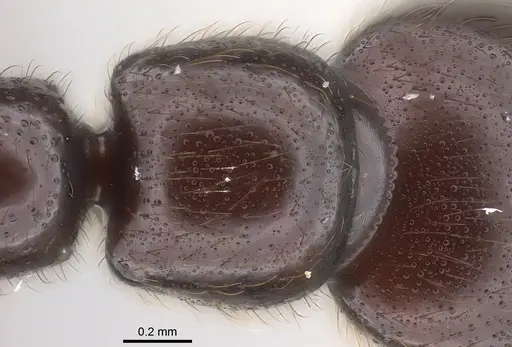
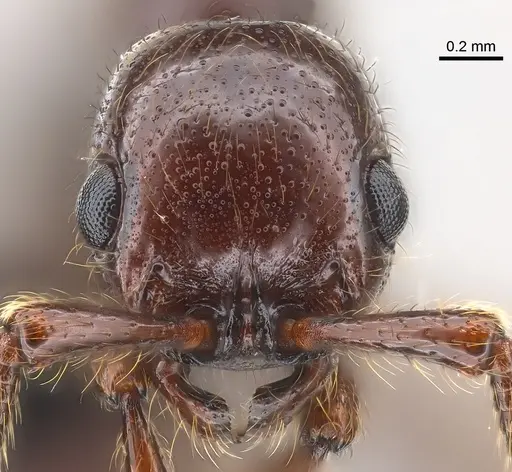
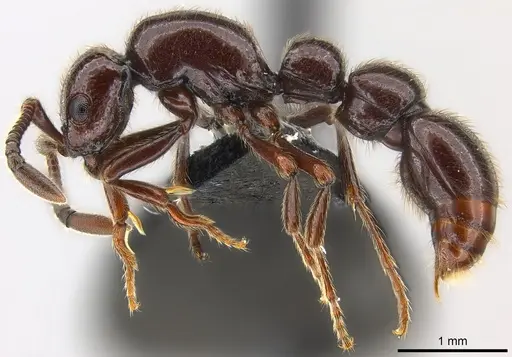
Workers of P. zimmermani can be identified by several key features: 12-segmented antennae (most Parasyscia have 11), large eyes, and a petiole that is longer than it is wide. Unlike related species, they entirely lack foveae (the tiny pits or depressions commonly found on ant exoskeletons). There is a thin but distinct carinula (ridge) separating the anepisternum from the katepisternum on the side of the mesosoma. The species is the largest in the genus found in Fiji and has relatively smooth, unsculptured surfaces compared to its relatives [1].
Housing and Nesting
This is the most challenging aspect of keeping P. zimmermani, they are arboreal ants that naturally nest in hollow twigs and branches in trees. In captivity, you should avoid standard horizontal soil nests or plaster formicariums. Instead, provide a naturalistic setup with vertical woody material such as cork, twigs, or small branches. A vertical acrylic nest with narrow chambers or a wooden setup would be more appropriate than traditional horizontal designs. Since they are arboreal, they will likely explore upward rather than downward. Ensure the setup provides small cavities similar to the hollow twigs they use in the wild [1][2].
Temperature and Humidity
As a tropical species endemic to Fiji, P. zimmermani likely requires warm and humid conditions. Based on the Fiji habitat, aim for temperatures in the range of 24-28°C with humidity around 70-80%. The elevation range of 400-850 meters where they have been found suggests they may tolerate slightly cooler conditions than pure lowland tropical ants, but this is speculative. Use a heating cable on one side of the nest to create a gentle temperature gradient if your room temperature falls below 24°C. Maintain humidity through moist substrate or water reservoirs, but ensure good ventilation to prevent mold in the arboreal setup [1].
Feeding and Diet
Parasyscia belongs to the Dorylinae subfamily, which includes army ants, though this genus is considered a 'non-army' doryline. Based on related genera, P. zimmermani is likely predatory on small invertebrates such as springtails, mites, and tiny insects. Offer small live prey such as fruit flies, pinhead crickets, or mealworm pieces. Sugar sources may or may not be accepted, some Dorylinae take honeydew or sugar water, but others are strictly predatory. Start with small live prey items and observe acceptance. Feed every 2-3 days, removing any uneaten prey after 24 hours.
Challenges and Limitations
P. zimmermani is one of the rarest ants in the antkeeping hobby due to several factors. First, it is endemic to Fiji, a remote island nation, making wild collection extremely difficult. Second, the queen has never been scientifically described, meaning we do not know what a founding queen looks like or how colonies establish themselves. Third, their arboreal nesting habit is unusual and requires specialized setups that differ from standard ant husbandry. For these reasons, this species is not recommended for beginners and is best suited for advanced antkeepers with experience in keeping tropical and arboreal species. The limited scientific data means much of captive care will require careful observation and adaptation. [1][3]
Frequently Asked Questions
How do I house Parasyscia zimmermani ants?
They require an arboreal setup with vertical woody material such as cork, twigs, or branches. Standard horizontal formicariums are not suitable. Provide small hollow cavities similar to their natural nesting in tree twigs.
What do Parasyscia zimmermani ants eat?
Based on related Dorylinae, they are likely predatory on small invertebrates. Offer small live prey such as fruit flies, springtails, or tiny crickets. Sugar acceptance is uncertain.
What temperature do Parasyscia zimmermani ants need?
Infer warm tropical conditions around 24-28°C based on their Fiji habitat. They may tolerate slightly cooler conditions given their elevation range of 400-850m.
Are Parasyscia zimmermani good for beginners?
No. This species has extremely limited data, the queen has never been described, and they require specialized arboreal housing. Not recommended for beginners.
Where is Parasyscia zimmermani found?
They are endemic to Fiji, found only on Viti Levu and Kadavu islands at elevations between 400-850 meters.
Do Parasyscia zimmermani ants sting?
Dorylinae ants have stingers, but given their small size, stings are unlikely to penetrate human skin or cause significant pain.
How big do Parasyscia zimmermani colonies get?
Unknown, no colony size data is available in scientific literature.
Can I keep multiple queens together?
Unknown, colony structure has not been studied for this species. Not enough data to recommend either way.
Do Parasyscia zimmermani need hibernation?
Unknown, as a tropical species from Fiji, hibernation is unlikely but has not been studied.
How long does it take for eggs to develop into workers?
Unknown, no development data exists for this species. Based on related Dorylinae, estimate 4-8 weeks at tropical temperatures, but this is speculative.
References

This caresheet is licensed under CC BY-SA 4.0 .
CASENT0175759
View on AntWeb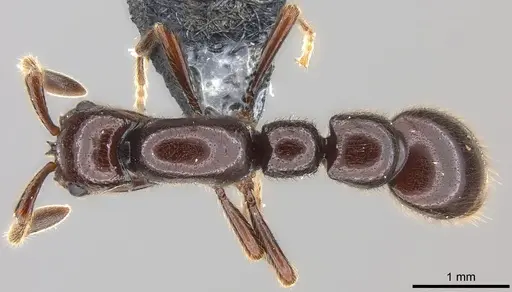
Literature
Loading...Loading products...