

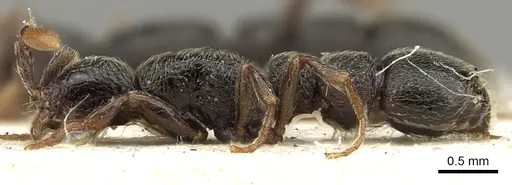
Parasyscia sylvicola
- Scientific Name
- Parasyscia sylvicola
- Subfamily
- Dorylinae
- Author
- Arnold, 1955
- Distribution
- Found in 1 countries
Parasyscia sylvicola Overview
Parasyscia sylvicola is an ant species of the genus Parasyscia. It is primarily documented in 1 countries , including Zimbabwe. Detailed taxonomic data and occurrence records can be further explored via authoritative databases such as AntWeb or the Global Biodiversity Information Facility (GBIF).
Parasyscia sylvicola
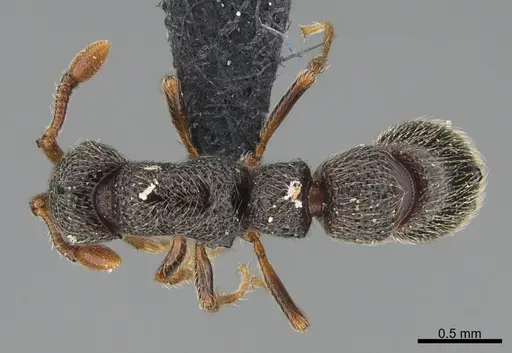
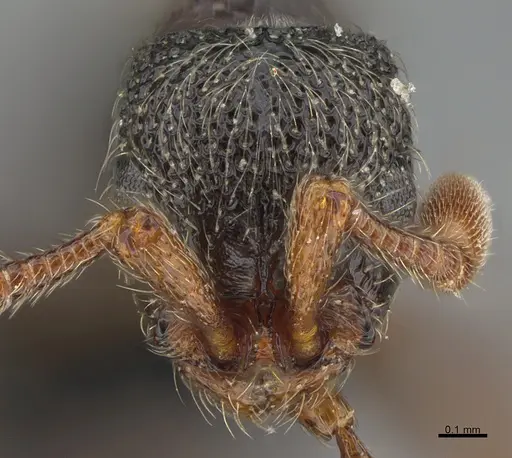
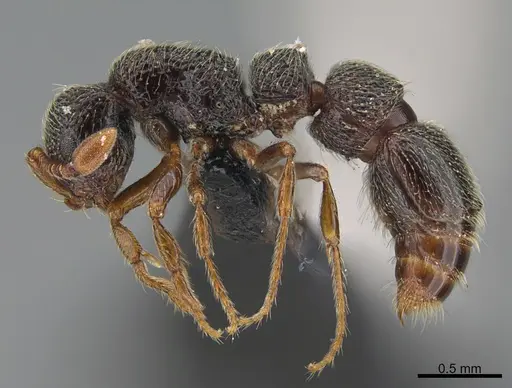
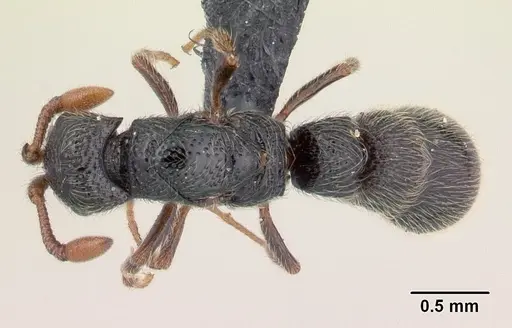
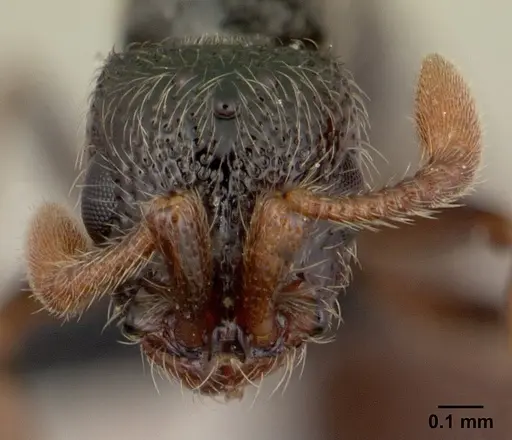
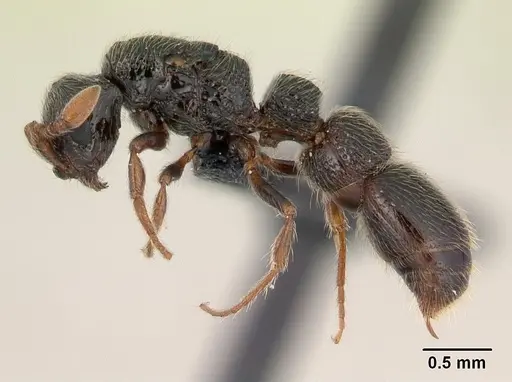
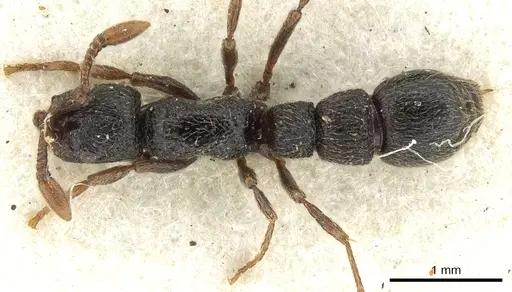
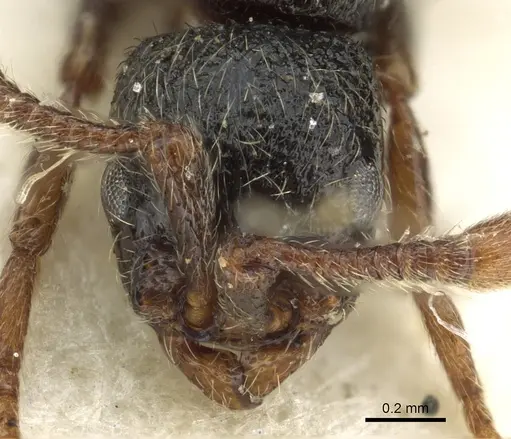
Parasyscia sylvicola is a small, cryptic ant belonging to the Dorylinae subfamily, the same group that includes army ants. Originally described as Parasyscia sylvicola, this species is part of the Old World Sphinctomyrmex/Eusphinctus clade, representing an ancient lineage of specialized predatory ants [1]. Workers are tiny, typically measuring 2-4mm, with the dark coloration and compact body typical of many Dorylinae species. The genus Parasyscia contains around 40 described species distributed primarily in tropical regions, with P. sylvicola specifically found across the Afrotropical region spanning sub-Saharan Africa [2]. These ants are highly cryptic, nesting in soil, under stones, or within rotting wood in forest habitats. As predators, they specialize in hunting small arthropods and other ant species, using their colony's coordinated efforts to overwhelm prey.
Quick Summary
- Difficulty: Unknown, limited captive data available
- Origin & Habitat: Afrotropical region (sub-Saharan Africa), typically found in forest floor habitats in tropical and subtropical zones
- Colony Type: Unconfirmed colony structure, Dorylinae ants typically have single-queen colonies but this has not been specifically documented for P. sylvicola
- Size & Growth:
- Queen: Estimated 4-5mm based on genus patterns
- Worker: Estimated 2-4mm based on genus patterns
- Colony: Unknown, likely small colonies of several dozen to a few hundred workers based on typical Dorylinae patterns
- Growth: Unknown, likely moderate based on related genera
- Development: Estimated 6-10 weeks based on typical Dorylinae development at tropical temperatures (Development timeline is estimated from related Dorylinae species, not directly studied for this species)
- Antkeeping:
- Temperature: Keep at 24-28°C (tropical range) with a gentle gradient, Afrotropical species require warm, stable conditions [2]
- Humidity: Maintain moderate to high humidity (60-80%), forest floor species prefer damp substrate conditions
- Diapause: Likely minimal or no true diapause given tropical distribution, some slowing during cooler periods may occur
- Nesting: Provide moist soil or plaster nests with narrow chambers, these cryptic ants prefer tight, dark spaces and need humidity retention
- Behavior: Parasyscia sylvicola is a cryptic, predatory ant that hunts small invertebrates. As a Dorylinae species, they likely use cooperative hunting strategies similar to army ants, overwhelming prey through numbers. Workers are small and may be prone to escaping through tiny gaps, use fine mesh barriers. Temperament is likely defensive when threatened but they are not aggressive toward humans. Their small size and cryptic nature means they are not typically aggressive colony defenders.
- Common Issues: limited species-specific care information makes proper husbandry challenging, escape prevention is critical due to tiny worker size, predatory diet requirements may be difficult to meet consistently, humidity control is essential but can be tricky in captive setups, wild-caught colonies may contain parasites that can devastate captive populations
Taxonomy and Classification
Parasyscia sylvicola was originally described as Parasyscia sylvicola before being reclassified into the genus Parasyscia. This species belongs to the Dorylinae subfamily, which contains army ants and their specialized predatory relatives. The Dorylinae are an ancient ant lineage known for their predatory lifestyles and often specialized hunting behaviors. Phylogenetic analysis places P. sylvicola within the Old World Sphinctomyrmex/Eusphinctus clade, representing a distinct evolutionary branch of Dorylinae ants that diversified separately from true army ants (Dorylus) [1]. The genus Parasyscia contains approximately 40 described species distributed across tropical regions of Africa, Asia, and Australasia.
Natural History and Habitat
Parasyscia sylvicola occurs throughout the Afrotropical region, which encompasses sub-Saharan Africa and surrounding tropical islands [2]. In the wild, these ants inhabit forest floor environments where they nest in soil, under stones, or within decaying wood. The Afrotropical region features warm temperatures year-round (typically 24-30°C) and high humidity levels, with seasonal rainfall patterns that create moist forest floor conditions. As predators, P. sylvicola likely hunts small arthropods including springtails, mites, and other small ants. Their cryptic lifestyle means they are rarely observed in the wild, as they construct small, concealed nests that are not easily discovered.
Housing and Nesting
Due to their small size and cryptic nature, Parasyscia sylvicola requires careful attention to housing. Provide a moist substrate setup such as a test tube setup with water reservoir, a plaster nest, or a naturalistic soil setup. The nest chambers should be relatively small and tight-fitting, these ants prefer dark, confined spaces. Because they require high humidity, ensure your setup can retain moisture without becoming waterlogged. A small outworld connected to the nest allows for feeding. Use fine mesh on any openings, workers are tiny and can escape through standard ant keeper barriers. A naturalistic setup with a soil layer, some leaf litter, and small hiding spots can help replicate their natural forest floor habitat.
Feeding and Diet
As predatory Dorylinae ants, Parasyscia sylvicola requires a protein-rich diet consisting of small live prey. Offer small live insects such as fruit flies, pinhead crickets, small mealworms, and most importantly, small live prey like springtails, which are ideal for their tiny size. They are likely specialized predators that overwhelm small arthropods through cooperative hunting. Sugar sources may be accepted occasionally but should not be a primary food source, these are not typical honeydew feeders. Feed small prey items every 2-3 days, adjusting based on colony size and consumption. Remove uneaten prey promptly to prevent mold issues in the humid setup.
Temperature and Humidity Requirements
Parasyscia sylvicola requires warm, humid conditions reflecting their Afrotropical distribution. Maintain temperatures between 24-28°C, avoid temperatures below 22°C as this species is adapted to constant warmth. A heating cable on one side of the nest can create a gentle gradient if room temperature is insufficient. Humidity should be maintained at 60-80%, the substrate should feel consistently damp but not waterlogged. These forest floor ants are sensitive to drying out. Monitor condensation levels in test tube setups and rehydrate before the substrate fully dries. Given their tropical origin, no true hibernation is needed, the colony may show slightly reduced activity during cooler periods but should remain active year-round. [2]
Behavior and Colony Dynamics
Parasyscia sylvicola workers are small and cryptic, typically exhibiting secretive colony founding and maintenance behaviors. As a Dorylinae species, they likely employ coordinated hunting strategies where workers recruit nestmates to overwhelm prey items. Colonies are probably relatively small compared to some other ant species, likely reaching several dozen to a few hundred workers at maturity. Workers are not particularly aggressive toward humans but will defend the nest if threatened. Their small size makes them excellent escape artists, fine mesh barriers and tight-fitting lids are essential. Observation of colony behavior may be limited due to their cryptic nature and preference for dark, confined nest spaces.
Frequently Asked Questions
How long does it take for Parasyscia sylvicola to produce first workers?
The egg-to-worker timeline is estimated at 6-10 weeks based on typical Dorylinae development at tropical temperatures (24-28°C). This is an estimate since this specific species has not been studied in captivity, actual timing may vary.
What do Parasyscia sylvicola ants eat?
They are predatory ants that require small live prey. Feed them fruit flies, small springtails, pinhead crickets, and tiny insects. Remove uneaten prey promptly. Sugar sources may be occasionally accepted but should not be a primary food source.
Are Parasyscia sylvicola ants good for beginners?
This species is not recommended for beginners due to limited species-specific care information available. Their small size, high humidity requirements, and predatory diet make them more challenging than common beginner species like Lasius or Messor ants.
How big do Parasyscia sylvicola colonies get?
Colony size is estimated at several dozen to a few hundred workers based on typical Dorylinae patterns. This species is not known for forming large supercolonies.
What temperature do Parasyscia sylvicola ants need?
Keep them at 24-28°C (tropical range). Avoid temperatures below 22°C. A heating cable can provide additional warmth if needed.
Do Parasyscia sylvicola ants need hibernation?
Given their Afrotropical distribution, no true hibernation is required. The colony may show slightly reduced activity during cooler periods but should remain active year-round if kept warm.
Can I keep multiple Parasyscia sylvicola queens together?
Colony structure is unconfirmed for this species. Combining unrelated queens is not recommended since this has not been documented and could result in aggression.
Why are my Parasyscia sylvicola ants dying?
Common causes include: low humidity (keep substrate consistently moist), temperatures below 22°C, insufficient live prey, or escape through tiny gaps. Also consider parasites from wild-caught colonies.
What type of nest is best for Parasyscia sylvicola?
Use moist substrate nests such as test tubes with water reservoirs, plaster nests, or naturalistic soil setups. Provide small, tight chambers and ensure high humidity retention.
References

This caresheet is licensed under CC BY-SA 4.0 .
Literature
Loading...Loading products...