

Parasyscia sudanensis
- Scientific Name
- Parasyscia sudanensis
- Subfamily
- Dorylinae
- Author
- Weber, 1942
- Distribution
- Found in 1 countries
Parasyscia sudanensis Overview
Parasyscia sudanensis is an ant species of the genus Parasyscia. It is primarily documented in 1 countries , including Zambia. Detailed taxonomic data and occurrence records can be further explored via authoritative databases such as AntWeb or the Global Biodiversity Information Facility (GBIF).
Parasyscia sudanensis
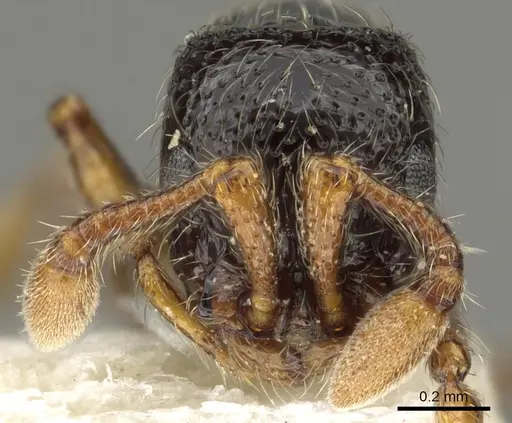
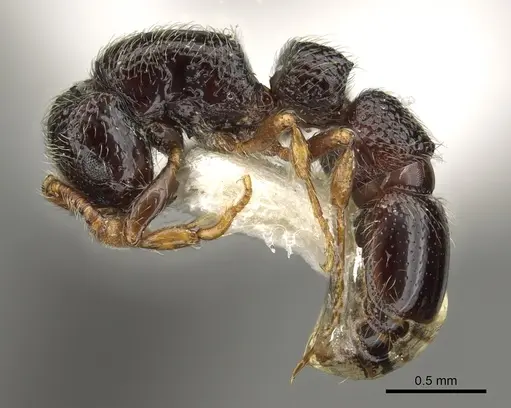
Parasyscia sudanensis is a small, predatory ant species native to the Afrotropical region, found in Nigeria, South Sudan, and Zimbabwe [1]. Workers are tiny, dark-colored ants belonging to the subfamily Dorylinae, known for their predatory lifestyle. The species was originally described as Parasyscia sudanensis in 1942 by Weber from specimens collected in the Imatong Mountains of South Sudan at approximately 6000 feet elevation. A synonym was established when Parasyscia variolosus (described from Zimbabwe in 1949) was recognized as the same species in 1975. This species is notable for having ergatoid (wingless) queens, which is common in the genus Parasyscia and represents a specialized reproductive strategy where replacement queens can develop from workers within established colonies.
Quick Summary
- Difficulty: Unknown, limited data available
- Origin & Habitat: Afrotropical region, Nigeria, South Sudan, Zimbabwe. Found at elevations around 800-1150m in Central Cameroon [1]. The original collection was from the Imatong Mountains at approximately 6000 feet elevation in South Sudan.
- Colony Type: Colony structure is not well documented. Ergatoid (wingless) queens have been observed in specimens from Zimbabwe, indicating the presence of replacement reproductives. This suggests colonies may have functional queen replacement without nuptial flights, but whether colonies are single-queen or multi-queen is unconfirmed.
- Size & Growth:
- Queen: Unknown, ergatoid queens documented but measurements not available
- Worker: Unknown, worker described but measurements not provided in available literature
- Colony: Unknown, colony size has not been documented
- Growth: Unknown, no development data available
- Development: Unknown, development has not been studied (No data available on egg-to-worker development timeline. Related Dorylinae species typically develop in 4-8 weeks at warm temperatures, but this is an estimate only.)
- Antkeeping:
- Temperature: Unknown, no specific thermal studies exist. Based on the mountain habitat in South Sudan (6000 ft elevation) and Cameroon occurrences at 800-1150m elevation, the species likely prefers moderate temperatures. A starting range of 22-26°C is reasonable, with adjustment based on colony behavior.
- Humidity: Unknown, no humidity data available. Based on the Afrotropical distribution and elevation range, moderate humidity (50-70%) is likely appropriate. Ensure the nest substrate does not dry out completely.
- Diapause: Unknown, no studies on overwintering or seasonal dormancy exist. The Afrotropical distribution suggests they may not require a true hibernation, but seasonal slowdowns may occur.
- Nesting: Nesting habits are not directly documented. As a Dorylinae ant, they likely nest in soil, under stones, or in rotting wood in shaded locations. In captivity, a test tube setup or small acrylic nest with moist substrate would be appropriate starting points.
- Behavior: Behavior is poorly documented. As members of Dorylinae, they are likely predatory on small invertebrates. Their small size and ergatoid queen system suggest a colony structure that may be more flexible than species with winged queens. Escape prevention should be excellent given their tiny size, they can easily escape through small gaps. No data on sting potency exists, but given their small size, any sting would be minimal.
- Common Issues: limited data makes care requirements uncertain, proceed with caution and observe colony response, tiny size creates high escape risk, use fine mesh and tight-fitting barriers, predatory diet may be difficult to replicate, live small prey likely essential, no documented development timeline makes growth monitoring challenging, ergatoid queen system may affect how colonies establish and reproduce
Distribution and Habitat
Parasyscia sudanensis is found across the Afrotropical region with confirmed records from Nigeria, South Sudan, and Zimbabwe [1]. The type locality is the Imatong Mountains in South Sudan, where the original specimens were collected at approximately 6000 feet elevation in 1939. More recent surveys in Central Cameroon recorded the species at elevations between 800m and 1150m, with occurrences at 800m,900m, and 1150m elevation sites [1]. This elevation range suggests the species can adapt to different altitude conditions within tropical Africa. The mountain habitats in South Sudan and the Cameroon highlands provide relatively cooler temperatures compared to lowland tropical areas, which may influence their temperature preferences in captivity.
Taxonomy and Identification
The species was originally described by N.A. Weber in 1942 as Parasyscia sudanensis based on worker specimens from the Imatong Mountains. In 1949,G. Arnold described Parasyscia variolosus from Zimbabwe based on workers and ergatoid queens. W.L. Brown established in 1975 that these were the same species, making variolosus a junior synonym of sudanensis. The genus was later revised by Borowiec in 2016,transferring many Cerapachys species to Parasyscia. The presence of ergatoid (wingless) queens in the type material from Zimbabwe is a notable characteristic of this species. Ergatoid queens develop from workers and can serve as replacement reproductives without the colony needing to produce winged queens for nuptial flights. [1]
Biology and Colony Structure
Direct biological studies on Parasyscia sudanensis are extremely limited. The species belongs to the subfamily Dorylinae, which includes army ants and other predatory species, though Parasyscia is not a true army ant. The documented presence of ergatoid queens indicates a specialized reproductive system where colonies can produce replacement queens from existing workers. This is common in some Dorylinae genera and allows colonies to maintain reproductive capacity without swarming flights. The colony structure (single-queen vs multi-queen) has not been studied. Based on related Parasyscia species, colonies are likely small to moderate in size. The predatory lifestyle suggests they hunt small invertebrates, though specific prey preferences are unknown. [1]
Care Recommendations
Because this species has not been kept in captivity widely and basic biology is unstudied, care recommendations are estimates based on related species and natural distribution. Start with a test tube setup or small acrylic nest with moist substrate. Temperature should be in the moderate range of 22-26°C initially, with observation of colony activity to fine-tune. Humidity around 50-70% is likely appropriate, keep substrate damp but not waterlogged. As predatory Dorylinae, they will likely require live small prey such as springtails, fruit flies, or other tiny arthropods. Sugar sources may or may not be accepted, offer occasionally but do not rely on them. Given their very small size, escape prevention must be excellent with fine mesh barriers. Monitor colony behavior closely and adjust conditions based on activity levels and brood development.
Frequently Asked Questions
How long does it take for Parasyscia sudanensis to develop from egg to worker?
The development timeline has not been documented for this species. Based on related Dorylinae, expect approximately 4-8 weeks at warm temperatures (24-26°C), but this is an estimate only.
What do Parasyscia sudanensis ants eat?
Diet has not been studied, but as Dorylinae they are predatory. Offer small live prey like springtails, fruit flies, and other tiny arthropods. Sugar sources may be accepted experimentally but should not be relied upon.
Can I keep multiple Parasyscia sudanensis queens together?
Colony structure is not documented. The presence of ergatoid queens suggests internal queen replacement, but whether colonies naturally have one or multiple reproductive queens is unknown. Combining unrelated queens is not recommended due to lack of data.
What temperature do Parasyscia sudanensis need?
Temperature requirements are not well studied. Based on their mountain habitat in South Sudan (6000 ft elevation) and Cameroon records at 800-1150m, moderate temperatures of 22-26°C are appropriate. Start in this range and adjust based on colony activity.
Are Parasyscia sudanensis good for beginners?
This species is not recommended for beginners due to very limited biological data and care information. The lack of documented care requirements makes successful keeping challenging. More established species with known requirements are better choices for those new to antkeeping.
How big do Parasyscia sudanensis colonies get?
Colony size is unknown. Based on related small Dorylinae, colonies are likely small to moderate, possibly under a few hundred workers.
Do Parasyscia sudanensis need hibernation?
Diapause requirements are not documented. The Afrotropical distribution suggests they may not need a true hibernation, but seasonal temperature variations may cause reduced activity periods.
What type of nest should I use for Parasyscia sudanensis?
Nesting preferences are not documented. Based on typical Dorylinae habits, a test tube setup or small acrylic nest with moist substrate would be appropriate. Ensure small passages scaled to their tiny size.
Why is my Parasyscia sudanensis colony dying?
Without documented care requirements, troubleshooting is difficult. Common issues likely include: improper temperature/humidity, inadequate prey (they need live food), escape leading to lost ants, or stress from improper handling. Review basic parameters and ensure live prey is available.
References

This caresheet is licensed under CC BY-SA 4.0 .
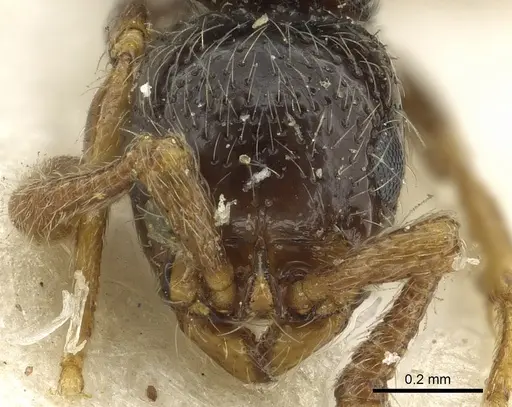
CASENT0902714
View on AntWeb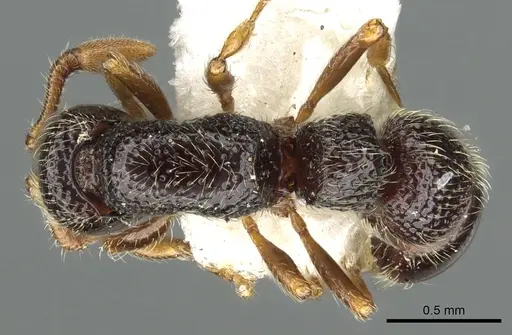
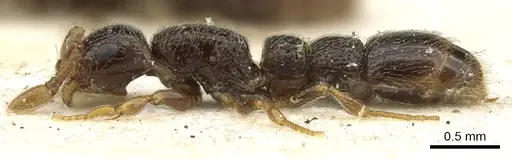
CASENT0902715
View on AntWeb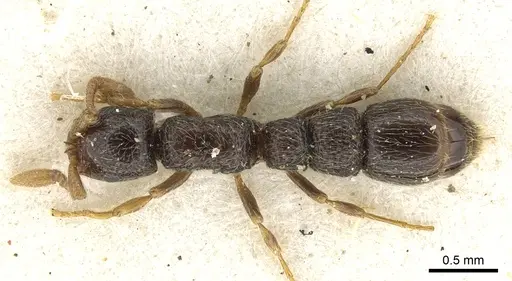
Literature
Loading...Loading products...