

Parasyscia opaca
- Scientific Name
- Parasyscia opaca
- Subfamily
- Dorylinae
- Author
- Emery, 1901
- Distribution
- Found in 2 countries
Parasyscia opaca Overview
Parasyscia opaca is an ant species of the genus Parasyscia. It is primarily documented in 2 countries , including Indonesia, Papua New Guinea. Detailed taxonomic data and occurrence records can be further explored via authoritative databases such as AntWeb or the Global Biodiversity Information Facility (GBIF).
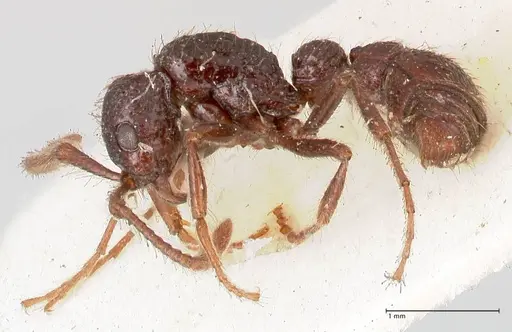
Parasyscia opaca
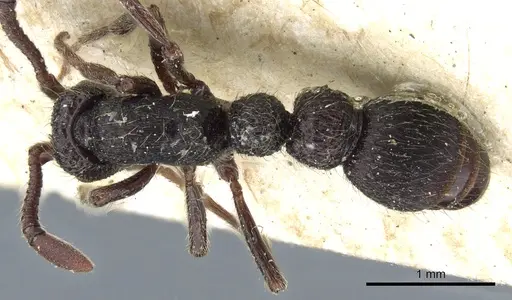
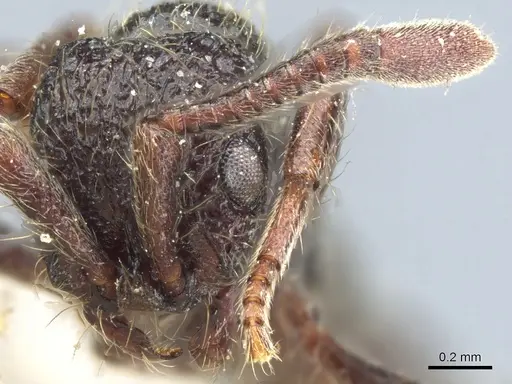
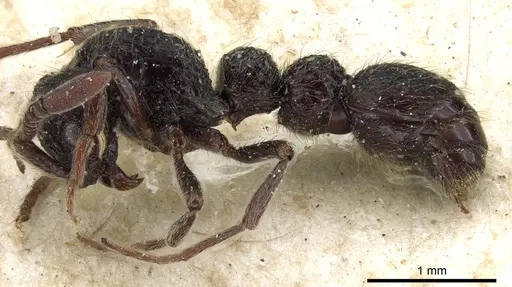
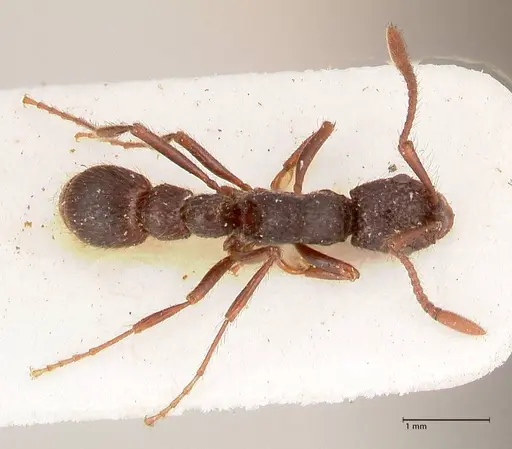
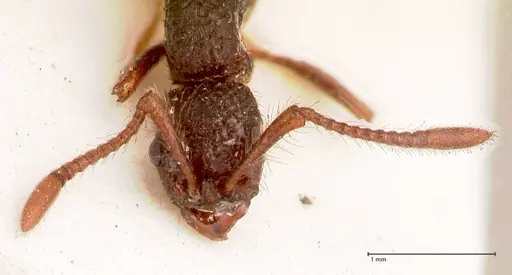
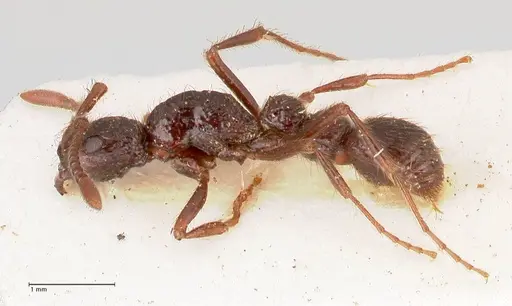
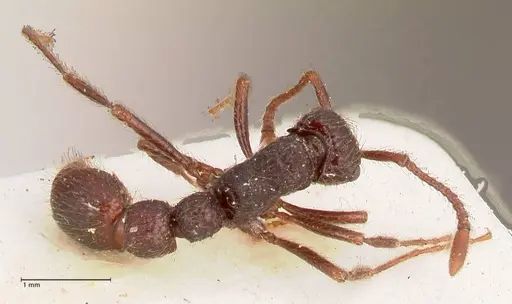
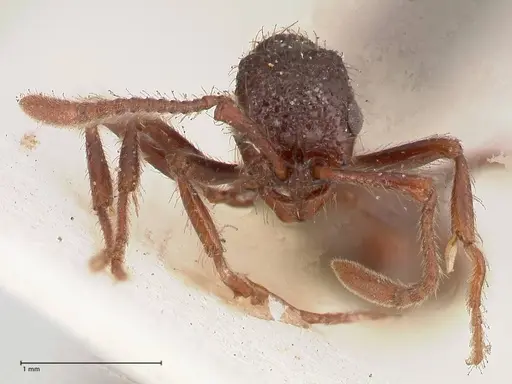
Parasyscia opaca is a small predatory ant belonging to the Dorylinae subfamily, formerly classified as Parasyscia opaca. Workers measure approximately 2-3mm and have the typical dark reddish-brown coloration seen in many Dorylinae species. The species was originally described by Emery in 1901 from specimens collected at Sattelberg in Papua New Guinea [1].
This species is part of a genus of non-army ant dorylines, unlike their famous army ant relatives, Parasyscia species form small colonies and do not conduct massive swarm raids. The genus is known for their predatory lifestyle, hunting small invertebrates in forest floor habitats. They remain one of the less-studied ant species from New Guinea, with limited captive breeding records.
Quick Summary
- Difficulty: Medium
- Origin & Habitat: Papua New Guinea, specifically the Sattelberg region in the Morobe Province. They inhabit tropical rainforest environments in the lowland to mid-elevation areas of the island [1].
- Colony Type: Small colonies with single-queen structure typical of most Dorylinae. Related Parasyscia species maintain colonies of approximately 100 workers [2].
- Colony: Monogyne
- Size & Growth:
- Queen: Estimated 4-5mm based on genus patterns
- Worker: 2-3mm [1]
- Colony: Up to approximately 100 workers based on related species data [2]
- Growth: Moderate, phasic reproduction suggests seasonal growth bursts
- Development: Estimated 6-8 weeks based on related Dorylinae species (Phasic reproduction means brood develops in seasonal batches rather than continuously)
- Antkeeping:
- Temperature: Keep at 24-28°C as a starting point. Tropical rainforest species require warm, stable conditions. Use a heating cable on one side of the nest to create a gentle gradient if room temperature is below this range.
- Humidity: High humidity preferred, aim for 70-80%. Keep the nest substrate consistently moist but not waterlogged. These forest floor ants need damp conditions similar to their natural habitat.
- Diapause: Unlikely, as a tropical species from Papua New Guinea, they probably do not require a hibernation period. Maintain year-round warm conditions.
- Nesting: Y-tong (acrylic) nests or plaster nests work well. They prefer tight chambers and narrow passages scaled to their small size. Natural setups with soil and decaying leaf litter mimic their forest floor habitat.
- Behavior: Predatory ants that hunt small invertebrates. They are not aggressive toward keepers but will defend their nest. Workers are active foragers that search for prey. Their small size means escape prevention is important, use fine mesh and tight-fitting lids. They are not stingers but may bite if threatened.
- Common Issues: small colony size means losses have bigger impact on population, tropical species are sensitive to temperature drops, predatory diet requires live prey, cannot survive on sugar alone, limited availability makes this species difficult to acquire, escape prevention is critical due to tiny size
Housing and Nest Setup
Parasyscia opaca is a small ant that needs appropriately scaled housing. Y-tong (acrylic) nests work well because they allow you to observe the colony while providing the dark, humid environment these ants prefer. The chambers should be tight and narrow, these are not ants that need large open spaces. Plaster nests are another good option as they hold humidity well. For the outworld, a simple container with a small foraging area is sufficient. Use a test tube setup for the founding queen, then transition to a small formicarium once the colony reaches 20-30 workers. Escape prevention is critical, these tiny ants can squeeze through surprisingly small gaps. Apply Fluon or use fine mesh on all openings.
Feeding and Diet
As predatory ants, Parasyscia opaca requires a protein-based diet of small live invertebrates. They are not scavengers like many common ant species, they actively hunt prey. Suitable food items include fruit flies, small crickets, mealworms, and other tiny arthropods. Offer prey items roughly once or twice per week, adjusting based on colony size and consumption. Remove any uneaten prey after 24-48 hours to prevent mold. Sugar sources are unlikely to be accepted, these are specialized predators, not sugar-seekers. Some keepers report that very small amounts of honey or sugar water may be taken occasionally, but protein should form the primary diet. Always ensure fresh water is available.
Temperature and Humidity
Being a tropical species from Papua New Guinea, Parasyscia opaca needs warm and humid conditions. Maintain temperatures in the 24-28°C range for optimal colony health and development. A heating cable placed on one side of the nest creates a temperature gradient that allows the ants to self-regulate. Place the heating element on top of the nest rather than underneath to avoid evaporating moisture too quickly. Humidity should be kept high at 70-80%. The nest substrate should feel consistently moist but never waterlogged. Mist the nest occasionally if using a naturalistic setup, but avoid creating standing water. Good ventilation is important to prevent mold while maintaining humidity.
Colony Dynamics and Growth
Parasyscia opaca forms small colonies of approximately 100 workers based on data from related species in the genus [2]. They exhibit phasic reproduction, meaning brood development occurs in seasonal batches rather than continuously throughout the year [3]. This is an important consideration for keepers, do not expect constant egg-laying. Colony growth is moderate rather than rapid. The queen is larger than workers and is the sole reproductive in monogyne colonies. Workers are polymorphic but not dramatically different in size. The colony will expand gradually over months and years rather than exploding in numbers like some faster-growing species.
Frequently Asked Questions
How long does it take for Parasyscia opaca to produce first workers?
Based on related Dorylinae species, expect approximately 6-8 weeks from egg to first worker at optimal temperature. This may vary depending on temperature and feeding conditions.
Can I keep Parasyscia opaca in a test tube setup?
Yes, test tubes work well for founding colonies. Keep the water reservoir filled and maintain warm, humid conditions. You can use a heating cable on the test tube setup during the founding stage.
What do Parasyscia opaca eat?
They are predatory ants that need live protein. Feed small live insects like fruit flies, pinhead crickets, or mealworms. Remove uneaten prey after a day or two. Sugar sources are unlikely to be accepted.
How big do Parasyscia opaca colonies get?
Based on related species, colonies reach approximately 100 workers at maturity. This is a small colony size compared to many common ant species.
Do Parasyscia opaca need hibernation?
No, as a tropical species from Papua New Guinea, they do not require hibernation. Keep them warm year-round at 24-28°C.
Are Parasyscia opaca good for beginners?
This species is rated as Medium difficulty. While not the hardest species, their predatory diet and specific humidity requirements make them better suited for keepers with some experience.
When should I move my colony to a formicarium?
Move to a small formicarium or Y-tong nest once the colony reaches 20-30 workers. The test tube setup will become cramped and may stress the colony.
Why are my Parasyscia opaca dying?
Common causes include temperature drops (keep above 24°C), dry conditions (maintain humidity), insufficient protein in diet, or mold from uneaten prey. Check all husbandry parameters and remove uneaten food promptly.
Can I keep multiple queens together?
This species is monogyne, single-queen colonies are typical. Combining unrelated queens is not recommended and has not been documented for this species.
References

This caresheet is licensed under CC BY-SA 4.0 .
Literature
Loading...Loading products...